
What Is Dog Diarrhea and Why Does It Happen?
Dog diarrhea refers to frequent, loose, watery, or unformed stools that differ from your dog’s normal bowel movements. It happens when the digestive system cannot properly absorb water, nutrients, or electrolytes, causing stool to pass too quickly through the intestines. While an occasional loose stool may not be serious, repeated or severe diarrhea often signals an underlying issue that needs attention.
Diarrhea itself is not a disease but a symptom of many possible problems, ranging from mild dietary upset to serious infections or medical conditions. Understanding what qualifies as diarrhea and how it differs from normal stool helps dog owners recognize early warning signs and decide when monitoring is enough and when veterinary care is necessary.

What Counts as Diarrhea in Dogs
Diarrhea in dogs is defined by stools that are loose, watery, mushy, or unusually frequent compared to normal bowel habits. It may occur suddenly or develop gradually and can appear alone or alongside symptoms like vomiting, gas, abdominal discomfort, or loss of appetite, depending on the underlying cause.
Normal vs Abnormal Dog Stool
Normal dog stool is firm, moist, and easy to pick up, while abnormal stool may be soft, runny, greasy, mucus-covered, or bloody. Changes in color, consistency, smell, or frequency often indicate digestive upset and can provide important clues about whether the issue involves the small intestine, large intestine, or a more systemic problem.
Acute vs Chronic Dog Diarrhea
Acute dog diarrhea starts suddenly and usually lasts a few days, often caused by diet changes, stress, or mild infections. Chronic diarrhea persists for more than two to three weeks or keeps returning, which may point to food allergies, inflammatory bowel disease, parasites, or other long-term health conditions requiring veterinary evaluation.
Different Types of Dog Diarrhea You Should Know
Dog diarrhea can vary in appearance, frequency, and severity, and these differences often point to where the problem originates in the digestive tract. Some forms are mild and short-lived, while others signal inflammation, infection, or internal bleeding that requires prompt veterinary care.
Recognizing the type of diarrhea your dog is experiencing helps narrow down possible causes and determines how urgently treatment is needed. Changes in color, consistency, and accompanying symptoms provide valuable clues that should never be ignored.

Watery Diarrhea in Dogs
Watery diarrhea is very loose or liquid stool that passes frequently and increases the risk of dehydration, especially in puppies and small breeds. It is commonly linked to infections, stress, sudden diet changes, or food intolerance and becomes concerning if it lasts more than 24 hours.
Soft or Loose Stool
Soft or mushy stool often indicates mild digestive upset caused by diet changes, overeating, or stress. While usually temporary, ongoing loose stool may suggest poor nutrient absorption or early intestinal inflammation.
Bloody Diarrhea (Hematochezia and Melena)
Bloody diarrhea is one of the most concerning types of diarrhea in dogs and should never be ignored. It can appear in two distinct forms, each pointing to different areas of the digestive tract:
- Hematochezia: Bright red blood mixed with stool, usually indicating bleeding in the large intestine or rectum
- Melena: Black, tar-like stool caused by digested blood from the stomach or small intestine
- Common causes: Hemorrhagic gastroenteritis (HGE), intestinal parasites, bacterial infections, toxin exposure, or internal injury
- Action required: Immediate veterinary evaluation is strongly recommended, even if the dog seems otherwise stable
Diarrhea With Mucus
Mucus in stool often points to large-intestine inflammation, commonly seen with colitis or stress-related digestive issues. Occasional mucus may not be dangerous, but repeated episodes warrant veterinary evaluation.
Intermittent Diarrhea in Dogs
Intermittent diarrhea comes and goes and is often linked to food sensitivities, chronic intestinal disease, or inconsistent diet management. Because it can mask an underlying condition, recurring episodes should be investigated by a veterinarian.
How to Decide If Your Dog Needs a Vet Visit
Not every case of dog diarrhea requires an immediate trip to the veterinarian, but knowing how to assess your dog’s overall condition is essential. The appearance of the stool, how often it occurs, and how long it lasts all provide important clues about whether the issue is mild or potentially serious.
Your dog’s age, size, and medical history also matter when deciding what to do next. Monitoring behavior changes such as reduced appetite, weakness, or discomfort can help you determine whether home care is appropriate or if professional veterinary evaluation is needed.
Signs You Can Monitor at Home
Mild diarrhea may be safely monitored at home when your dog remains alert, hydrated, and otherwise acting normal. Situations that are typically considered low risk include:
- Diarrhea lasting less than 24 hours
- No blood or black color in the stool
- Normal appetite and energy levels
- No vomiting, fever, or abdominal pain
Warning Symptoms That Need Veterinary Care
Veterinary attention is recommended when diarrhea becomes frequent, severe, or is accompanied by other concerning symptoms such as vomiting, fever, lethargy, dehydration, or visible blood, as these signs may indicate infection, intestinal inflammation, or systemic illness.
High-Risk Dogs: Puppies, Seniors, and Small Breeds
Puppies, senior dogs, and small breeds are more prone to dehydration and complications, meaning even a short episode of diarrhea can escalate quickly and should be evaluated by a veterinarian sooner rather than later.
When Dog Diarrhea Becomes a Medical Emergency
Some cases of dog diarrhea go beyond mild digestive upset and require immediate veterinary attention. Emergency situations often involve rapid fluid loss, internal bleeding, or exposure to toxins, all of which can quickly become life-threatening if left untreated.
Recognizing the signs of an emergency allows dog owners to act without delay. Prompt treatment can prevent serious complications, especially in vulnerable dogs such as puppies, seniors, and those with existing health conditions.

Diarrhea With Vomiting and Lethargy
When diarrhea occurs alongside repeated vomiting and noticeable lethargy, it often signals severe gastrointestinal irritation, infection, or systemic illness that can lead to dehydration and electrolyte imbalance.
Severe Dehydration in Dogs
Severe dehydration develops when fluid loss from diarrhea exceeds intake, leading to dry gums, sunken eyes, weakness, and poor skin elasticity, all of which require urgent veterinary care.
Sudden Bloody or Black Stool
The sudden appearance of bright red blood or black, tar-like stool indicates active bleeding in the digestive tract and is considered a medical emergency that should be evaluated immediately.
Diarrhea Caused by Toxins or Foreign Objects
Diarrhea caused by toxins or ingestion of foreign objects can escalate quickly and may lead to life-threatening complications. Immediate action is critical if you suspect your dog has eaten something harmful. Key signs and considerations include:
- Sudden onset of diarrhea after exposure to chemicals, plants, or spoiled food
- Vomiting, drooling, or signs of abdominal pain
- Presence of non-food items in the stool or vomiting (e.g., toys, bones, wrappers)
- Rapid lethargy, weakness, or collapse
- Immediate veterinary evaluation is essential to prevent obstruction, poisoning, or severe dehydration
Common and Serious Causes of Dog Diarrhea
Dog diarrhea can result from a wide range of causes, from minor dietary changes to serious medical conditions. Understanding the underlying cause is essential for effective treatment and recovery, as similar symptoms can have very different origins.
Causes can be grouped into dietary, infectious, stress-related, medical, and toxin-induced categories. Identifying the type of cause helps dog owners and veterinarians decide whether home care is sufficient or urgent medical attention is required.
Common Causes of Dog Diarrhea
| Cause Category | Common Examples | Typical Symptoms | Severity / Action Required |
| Diet Changes & Food Sensitivities | Sudden food changes, table scraps, allergies | Soft stool, occasional diarrhea, mild bloating | Usually mild; monitor at home |
| Bacterial, Viral & Parasitic Infections | Parvovirus, giardia, salmonella, worms | Frequent watery diarrhea, vomiting, fever, lethargy | Moderate to severe; veterinary care often required |
| Stress-Related Diarrhea | Travel, boarding, loud noises | Loose stool, mucus in stool, occasional vomiting | Usually mild; manage stress, vet if persistent |
| Underlying Health Conditions | IBD, pancreatitis, liver disease, Addison’s | Chronic diarrhea, weight loss, poor appetite, fatigue | Moderate to severe; veterinary diagnosis and long-term management |
| Medication or Toxin Exposure | Antibiotics, NSAIDs, toxic plants, human foods | Vomiting, diarrhea, lethargy, possible blood in stool | Severe; immediate veterinary attention recommended |
Diet Changes and Food Sensitivities
Sudden changes in diet, overfeeding, table scraps, or food intolerances are among the most common causes of mild diarrhea. While usually not life-threatening, repeated exposure to allergens or inappropriate foods can lead to chronic digestive issues.
Bacterial, Viral, and Parasitic Infections
Infections such as parvovirus, giardia, salmonella, or worms can cause severe diarrhea, sometimes accompanied by vomiting, fever, or dehydration. These require veterinary diagnosis and, in some cases, aggressive treatment to prevent complications.
Stress-Related Diarrhea in Dogs
Stress from travel, boarding, loud noises, or environmental changes can temporarily upset the digestive system. While stress-induced diarrhea is often short-lived, repeated episodes may indicate anxiety or chronic colitis.
Underlying Health Conditions
Chronic diarrhea may be a sign of inflammatory bowel disease (IBD), pancreatitis, liver disease, or hormonal disorders such as Addison’s disease. Long-term management often requires veterinary monitoring, diet modification, and medication.
Medication or Toxin Exposure
Certain medications (like antibiotics or NSAIDs), human foods, or toxic substances can irritate the digestive tract. Prompt recognition and veterinary intervention are essential to prevent further complications.
How Vets Identify the Cause of Dog Diarrhea
Determining the cause of dog diarrhea requires a thorough evaluation by a veterinarian, combining physical examination, history, and diagnostic testing. Accurate diagnosis ensures the most effective treatment and prevents complications, especially in chronic or severe cases.
Veterinarians look for patterns in symptoms, stool characteristics, and overall health to guide testing. Early and precise identification of the underlying cause improves recovery times and helps owners prevent future episodes.

Physical Examination and Medical History
A vet will first assess your dog’s vital signs, hydration status, abdominal tenderness, and overall condition. Detailed questions about diet, environment, recent stressors, and previous illnesses help pinpoint potential triggers.
Fecal Tests and Parasite Screening
Stool analysis is a key step in identifying the cause of dog diarrhea, especially when infections or parasites are suspected. Important aspects include:
- Detecting intestinal parasites such as worms, giardia, or coccidia
- Identifying bacterial infections like salmonella or E. coli
- Checking for signs of malabsorption or undigested food
- Determining the need for specific medications or treatments
- Regular screening for puppies, kennel dogs, or dogs with recurring diarrhea
Blood Work and Diagnostic Imaging
Blood tests evaluate organ function, detect infections, and check for inflammation, while X-rays or ultrasounds can identify obstructions, tumors, or structural problems in the gastrointestinal tract.
Elimination Diets and Allergy Testing
If food allergies or sensitivities are suspected, vets may recommend an elimination diet trial or specific allergy testing to identify offending ingredients. This helps manage long-term dietary causes of diarrhea.
Effective Treatment Options for Dog Diarrhea
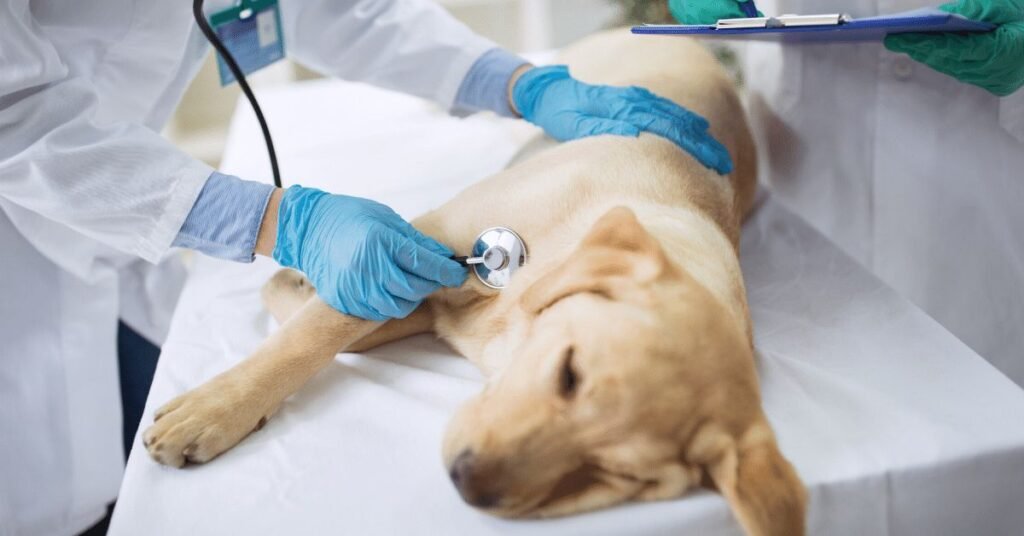
Treatment for dog diarrhea varies depending on the underlying cause, the dog’s age and health status, and the severity of symptoms. Mild cases can often be managed at home with dietary adjustments and hydration, but persistent, bloody, or severe diarrhea requires veterinary care to prevent complications such as dehydration, malnutrition, or secondary infections.
Veterinarians develop treatment plans tailored to each dog, taking into account breed, pre-existing conditions, and the specific cause of diarrhea. Timely and appropriate treatment not only alleviates symptoms but also helps restore digestive health and prevent recurring episodes.
At-Home Care for Mild Diarrhea
For short-term or mild diarrhea, owners can support recovery at home. Key strategies include temporarily withholding food for 12–24 hours to allow the digestive system to rest, providing unlimited fresh water to prevent dehydration, and gradually reintroducing a bland diet such as boiled chicken and rice. Monitoring your dog’s behavior, appetite, and stool consistency during this period is crucial.
Bland Diet and Feeding Guidelines
Reintroducing easily digestible food in small, frequent meals helps reduce stress on the digestive tract. Avoid feeding fatty, spicy, or rich foods, and consider adding plain pumpkin or rice water to aid digestion. Maintaining hydration and offering electrolytes can accelerate recovery and prevent further complications.
Medications and Probiotics
Veterinary-prescribed medications and supplements can significantly improve recovery for moderate to severe cases. These may include:
- Anti-diarrheal medications to reduce stool frequency and intestinal cramping
- Antibiotics when bacterial infections are identified or suspected
- Anti-inflammatory drugs for colitis or inflammatory bowel conditions
- Probiotics to restore healthy gut flora and improve nutrient absorption
- Anti-parasitic treatments if parasites are detected in stool tests
Using these treatments under veterinary supervision ensures safety and effectiveness, especially for puppies, senior dogs, or dogs with chronic conditions.
Hospitalization and Fluid Therapy
Severe or prolonged diarrhea may require hospitalization. Intravenous fluids replace lost water and electrolytes, while continuous monitoring allows veterinarians to address complications like hypovolemia, low blood pressure, or secondary infections. Hospital care is often critical for puppies, senior dogs, or cases caused by toxins or severe infections.
Recovery, Aftercare, and Long-Term Management
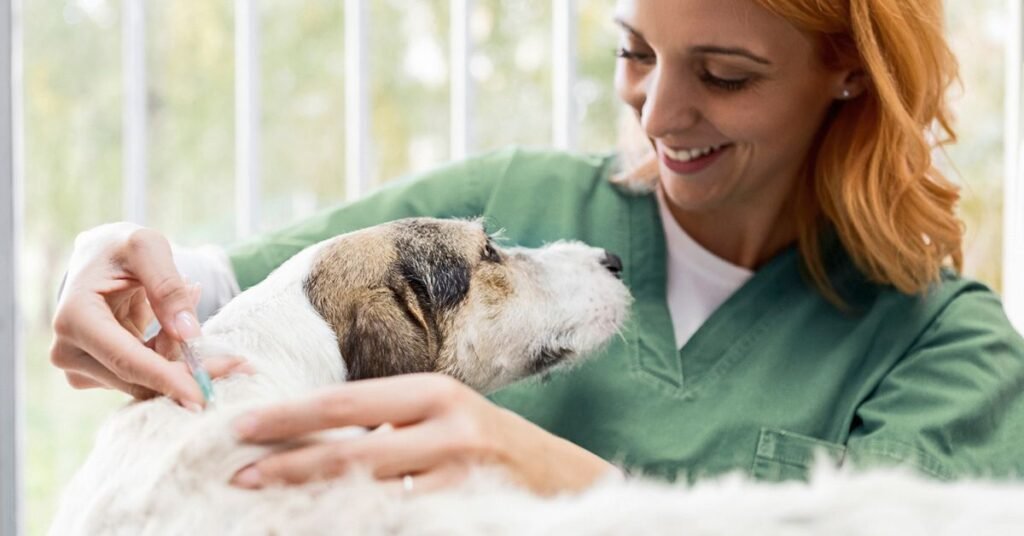
Recovery from dog diarrhea involves careful monitoring, supportive care, and gradual reintroduction of normal routines. Ensuring hydration, proper nutrition, and rest are essential to help your dog regain digestive stability and prevent relapses.
Long-term management focuses on identifying and addressing underlying causes, maintaining gut health, and preventing future episodes. With proper care and attention, most dogs recover fully and enjoy normal bowel habits.
Reintroducing Food Safely
After a period of fasting or a bland diet, gradually reintroduce regular dog food in small, frequent meals. Mixing a small portion of regular food with the bland diet over several days helps prevent digestive upset and allows the gut to adjust slowly.
Monitoring Stool and Hydration
Track your dog’s stool consistency, frequency, and color, as well as overall hydration. Signs of dehydration such as dry gums, sunken eyes, and lethargy require prompt veterinary attention to avoid complications.
Managing Chronic or Recurring Diarrhea
For dogs with ongoing or repeated diarrhea, long-term strategies may include:
- Maintaining a consistent, high-quality diet
- Avoiding sudden food changes or human foods
- Using veterinarian-recommended probiotics or supplements
- Regular checkups and parasite screenings
- Stress reduction techniques for anxiety-prone dogs
Proactive management ensures better digestive health, reduces the risk of chronic conditions, and helps owners identify early warning signs before complications arise.
How to Prevent Dog Diarrhea in the Future
Preventing dog diarrhea is about taking a proactive approach to your dog’s digestive health, lifestyle, and environment. By understanding the common triggers such as diet changes, stress, parasites, and infections you can implement strategies that reduce the likelihood of diarrhea episodes. Consistent care, observation, and early intervention are key to ensuring your dog remains healthy and comfortable.
Long-term prevention also strengthens your dog’s immune system, supports proper nutrient absorption, and minimizes veterinary visits. With the right combination of diet management, stress reduction, parasite control, and routine veterinary care, most dogs can maintain a strong digestive system and enjoy normal bowel habits without recurring issues.

Safe Feeding and Diet Transitions
Diet is one of the most common contributors to dog diarrhea. Sudden food changes or poor-quality diets can upset the digestive system, leading to loose stool, vomiting, or discomfort. By carefully managing what and how your dog eats, you can minimize these risks.
Key strategies include:
- Slow introduction: Mix new food with the current diet over 7–10 days to allow the gut to adjust.
- High-quality dog food: Choose balanced, easily digestible foods appropriate for your dog’s age, breed, and health condition.
- Avoid harmful foods: Skip table scraps, fatty treats, spicy foods, and anything toxic to dogs.
- Consistent feeding schedule: Feed at regular times with controlled portions to support stable digestion.
- Observation: Monitor for soft stools, gas, vomiting, or reduced appetite after introducing new foods.
Parasite Prevention and Vaccination
Parasites and infections are frequent causes of diarrhea in dogs. Even healthy dogs are at risk if they are exposed to contaminated environments, untreated parasites, or infectious diseases. Preventing these problems protects your dog from sudden or chronic diarrhea.
Effective preventive measures include:
- Regular deworming: Follow your veterinarian’s schedule for all life stages of your dog.
- Fecal screening: Detect parasites like worms, giardia, and coccidia early.
- Vaccinations: Keep vaccines up to date to prevent viral diarrhea causes, including parvovirus.
- Clean environment: Regularly disinfect bedding, food bowls, toys, and outdoor areas to minimize exposure.
- Safe water and food: Ensure access to clean drinking water and avoid scavenging outdoors.
Reducing Stress and Environmental Triggers
Stress can upset digestion and trigger diarrhea, particularly in sensitive or anxious dogs. Stressors include loud noises, travel, boarding, or changes in routine. Minimizing these triggers helps maintain stable bowel function and reduces the risk of diarrhea episodes.
Practical strategies include:
- Routine and predictability: Keep daily schedules consistent to reduce anxiety.
- Safe spaces: Provide a quiet area where the dog can relax during stressful events.
- Enrichment activities: Toys, mental stimulation, and exercise reduce stress-induced digestive upset.
- Travel preparation: Gradually acclimate dogs to travel, kennels, or new environments.
- Noise control: Reduce exposure to loud noises like fireworks or construction when possible.
Routine Veterinary Checkups
Regular veterinary checkups are essential for early detection of digestive issues, chronic conditions, or infections that may cause diarrhea. Proactive vet care ensures that minor problems do not escalate into more serious health concerns.
Preventive veterinary measures include:
- Annual or semi-annual checkups: For overall health assessment and early problem detection.
- Diagnostics: Blood tests and fecal analysis to monitor organ function and detect parasites.
- Professional guidance: Vet can advise on diet, supplements, and gut health management.
- Early intervention: Prompt treatment of minor digestive issues prevents chronic diarrhea or complications.
Signs Your Dog’s Diarrhea Is Linked to Specific Health Conditions
Diarrhea is often seen as a minor digestive upset, but in some cases, it can be a signal of an underlying health condition. Persistent, severe, or unusual diarrhea can indicate serious issues such as pancreatitis, liver disease, hormonal imbalances, or chronic gastrointestinal disorders. Recognizing these warning signs early helps ensure timely veterinary intervention and prevents complications like dehydration, nutrient deficiencies, or worsening illness.
Monitoring changes in stool appearance, frequency, and consistency alongside other physical symptoms such as vomiting, lethargy, or sudden weight loss can provide crucial clues. Identifying potential underlying causes early can improve treatment outcomes and support long-term digestive health.

Early Warning Signs of Pancreatic or Liver Issues
Diarrhea caused by pancreatic or liver problems is often accompanied by other systemic symptoms. These issues can progress quickly, making early recognition essential. Look for the following signs:
- Stools that are pale, greasy, or unusually foul-smelling
- Repeated vomiting or nausea
- Loss of appetite or rapid weight loss
- Lethargy or decreased activity
- Yellowing of the gums, eyes, or skin (jaundice)
Chronic Diarrhea and Inflammatory Bowel Disease
Chronic diarrhea may indicate inflammatory bowel disease or other long-term intestinal inflammation. It often comes with subtle signs that can be overlooked if not carefully monitored. Watch for:
- Intermittent diarrhea lasting weeks or months
- Frequent soft stools, mucus, or occasional blood
- Changes in appetite or behavior
- Weight loss, poor coat condition, or dehydration
Hormonal or Metabolic Causes
Hormonal imbalances or metabolic disorders can cause intermittent or persistent diarrhea alongside other systemic changes. Early detection is important to prevent further complications. Key signs include:
- Increased thirst or urination
- Sudden changes in weight or energy levels
- Vomiting or intermittent diarrhea
- Weakness, fatigue, or signs of low blood pressure
Home Remedies vs When to Avoid Them
Mild diarrhea in dogs can sometimes be managed safely at home, but it’s critical to distinguish between cases that are suitable for home care and those that require veterinary attention. Mismanaging diarrhea can worsen the condition, especially in puppies, seniors, or dogs with chronic illnesses.
Understanding when and how to use home remedies allows owners to support recovery safely. Proper hydration, diet management, and stress reduction are effective for short-term, mild diarrhea. However, serious symptoms such as blood in the stool, persistent vomiting, or signs of dehydration always warrant immediate veterinary care.
Safe Home Treatments for Mild Diarrhea
Home care can be effective when diarrhea is short-lived and mild. Early intervention can prevent dehydration and support digestive recovery. Safe practices include:
- Temporarily withholding food for 12–24 hours to allow the digestive system to rest
- Offering small, frequent sips of water to prevent dehydration
- Slowly start feeding a gentle diet, like plain boiled chicken mixed with rice.
- Using veterinarian-approved probiotics or plain pumpkin to support gut health
- Keeping your dog calm and stress-free during recovery
Foods, Fluids, and Hydration Tips
Maintaining hydration and proper diet is essential for digestive recovery and overall health. Consider these strategies:
- Provide fresh water continuously and consider electrolyte solutions for mild dehydration
- Feed small, frequent meals rather than large portions
- Avoid fatty, rich, or spicy foods that irritate the digestive system
- Use easily digestible foods until stool consistency returns to normal
- Monitor your dog’s response to dietary adjustments closely
Situations Where Home Remedies Can Harm Your Dog
Not all diarrhea can be safely managed at home. Some situations require immediate veterinary attention to prevent severe complications. Avoid attempting home care in the following cases:
- Blood in the stool or black, tar-like diarrhea
- Persistent diarrhea lasting more than 24–48 hours
- Severe vomiting, dehydration, or weakness
- Puppies, seniors, or dogs with pre-existing medical conditions
- Using human medications or unverified remedies without veterinary guidance
Disclaimer:
The information provided in this article is for educational purposes only and is not a substitute for professional veterinary advice. Always consult a licensed veterinarian regarding any health concerns, unusual symptoms, or treatment options for your dog. If your dog exhibits persistent diarrhea, vomiting, blood in the stool, lethargy, dehydration, or any other concerning signs, seek immediate veterinary attention. Individual dogs may require different care based on age, breed, medical history, and underlying conditions.
