

If you’ve ever wondered why do dogs drool, you’re not alone. While a bit of slobber is normal, sudden or excessive salivation (hypersalivation) can signal health issues. This guide provides clarity for worried owners on distinguishing normal behavior from medical emergencies.
Why Do Dogs Drool?
Dogs drool primarily for digestion and mouth protection. Saliva contains enzymes that break down food and keep gums moist. Normal drooling occurs during mealtimes, excitement, or heat. However, excessive drooling (ptyalism) can be caused by dental disease, nausea, toxins, or heatstroke, requiring veterinary attention if accompanied by lethargy or vomiting.
At-a-Glance: Is Your Dog’s Drooling Normal?
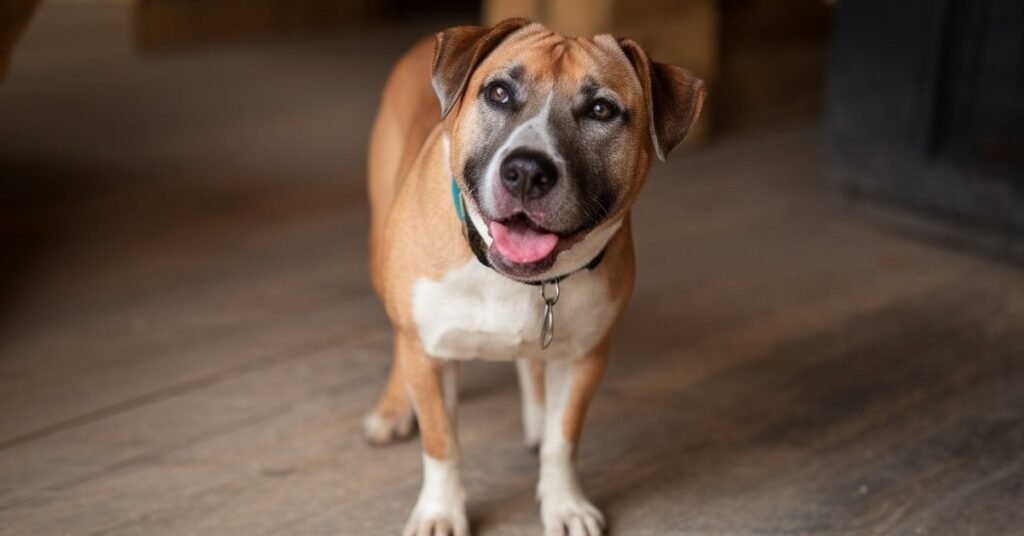
Normal Drooling: Trigger is food, treats, or play. Duration is temporary and stops after the event. Behavior is happy, alert, and active. Appearance is clear and thin saliva. Smell is neutral or typical dog breath.
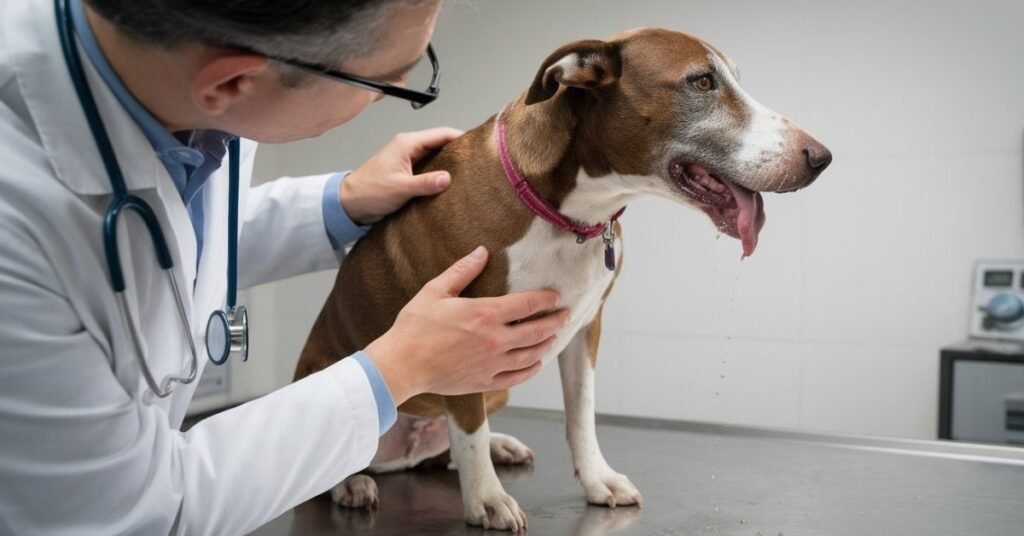
Abnormal Drooling (Ptyalism): Trigger is no obvious cause. Duration is constant or worsening. Behavior includes lethargy and pawing at mouth. Appearance is thick, ropey, or blood-tinged. Smell is foul, rotting, or metallic.
| Feature | Normal Drooling | Abnormal (Ptyalism) |
| Trigger | Food, Treats, Play | No obvious trigger |
| Duration | Temporary (stops after event) | Constant or worsening |
| Behavior | Happy, Alert, Active | Lethargic, Pawing at mouth |
| Appearance | Clear, thin saliva | Thick, ropey, or blood-tinged |
| Smell | Neutral/Typical dog breath | Foul, rotting, or metallic smell |
Deep Dive: 10 Biological & Environmental Reasons Why Dogs Drool
To understand why do dogs drool your dog’s health, we must look at the specific triggers that cause the salivary glands (parotid, mandibular, and sublingual) to overwork.
1. Food Anticipation (The Digestive Kickstart)
Saliva is not just water. It is a biological tool. When a dog smells or sees food, the autonomic nervous system triggers saliva production to lubricate the esophagus and begin the breakdown of starches. Dogs have over 200 million scent receptors, so their reaction to food smells is far more intense than ours. This drooling is completely normal and stops once they have eaten.
2. Breed Anatomy (The Loose Lip Factor) Some dogs are genetically predisposed to drool. Breeds like the Saint Bernard, Mastiff, and Bloodhound have large flews (upper lips) that hang down. These folds trap saliva until it overflows. For these breeds, drooling is a structural reality, not a medical issue.
Breed drool guide: Saint Bernard and Mastiff are heavy droolers with very large pendulous flews. Newfoundland and Bulldog are heavy droolers with loose lips and facial folds. Great Dane and Boxer are moderate droolers with deep jowls. Greyhounds and Whippets are dry breeds and if they drool, it is almost always stress or dental pain.
Tip: If you own a natural drooler, keep a dedicated slobber cloth nearby. It saves a lot of furniture.
3. Heat and Cooling Mechanisms Unlike humans, dogs do not sweat through their skin except for their paw pads. They rely on panting and salivating to cool down. As moisture evaporates from the tongue and mouth, it lowers body temperature. However, if drooling becomes excessive in the sun along with weakness or glazed eyes, it is the first warning sign of heatstroke, which is a medical emergency.
4. Psychological Triggers (Anxiety and Phobias) High-stress environments like thunderstorms, fireworks, or car rides trigger a fight-or-flight response. This often manifests as frantic panting and ropey drool. If your dog only drools in the car, they likely suffer from motion sickness or travel anxiety.
5. Dental and Periodontal Disease Over 80% of dogs over age three have some form of dental disease. Tartar buildup irritates the gums. Furthermore, abscessed teeth can cause hidden infections under the gumline under the gumline. Mouth injuries from sharp sticks or stones cause the dog to produce more saliva to soothe the area. Fractured teeth, oral tumors, and foreign objects stuck between teeth also trigger excessive drooling. If your dog’s drool has a bad smell or they are reluctant to eat, dental disease is a strong suspect.
6. Toxin or Poison Ingestion Dogs explore the world with their mouths. Drooling helps wash away bad tastes. Toxins trigger an immediate saliva response. Fear and stress also increase saliva production. Common toxins include azaleas, lilies, sago palm, chocolate, xylitol (artificial sweetener), grapes, and household cleaners. In certain regions, licking a Bufo Toad causes immediate foamy white drool and is a life-threatening emergency.
EMERGENCY: If you suspect your dog ate something toxic, do NOT wait for more symptoms. Call your vet or a pet poison hotline immediately.
7. Gastrointestinal Problems and Bloat If a dog swallows a foreign object like a toy, sock, or stone that gets stuck in the esophagus, they cannot swallow their own saliva. Even more dangerous is GDV (Bloat), where the stomach twists. Gastric reflux, megaesophagus, and pancreatitis also cause heavy drooling. If your dog is trying to vomit, drooling heavily, and has a distended belly, get to a vet immediately as this is life-threatening.
8. Infections and Systemic Disease Various infections and diseases cause drooling as a symptom. These include kennel cough or tonsillitis where painful swallowing causes saliva to pool, kidney disease, liver disease, neurological conditions like seizures or palsy, and rabies which should always be ruled out if drooling is sudden and severe.
9. Allergies and Food Intolerances If a dog is allergic to certain proteins like chicken or beef, or to preservatives, the body reacts with increased saliva production. When food is hard to digest, stomach acid increases and extra saliva acts like a natural antacid. Chronic nausea from food allergies causes mild ongoing hypersalivation. Gut inflammation can also overstimulate the saliva glands.
10. Medications Some medications, especially those with a bitter taste, can trigger temporary hypersalivation. If your dog recently started a new medication and is drooling more than usual, mention it to your vet.
The Hidden Link Between Diet and Excessive Salivation
What your dog eats directly affects how much saliva they produce. When the stomach feels irritated, it sends signals to the brain, which then increases saliva to protect the digestive tract.
Hard kibble can cause discomfort if the dog has tooth pain or sensitivity, triggering excess saliva. Dogs that eat non-food items like plastic or cloth develop stomach irritation and repeated drooling. Cheap dog foods with low-quality fillers may irritate the mouth lining and increase saliva flow.
Can Training Reduce Drooling?
Physical drooling in breeds like Saint Bernards cannot be stopped. Behavior-based drooling, however, can be managed.
Use the Place command to send your dog to their bed during meals to reduce food excitement. Set clear boundaries by stopping table feeding, which removes food expectations. Teach commands like wait and leave it to build impulse control.
For anxiety-based drooling, use gradual car training by starting with treats in a parked car, then short drives. Use lick mats or high-value treats as positive distractions since licking helps calm the nervous system. Never punish drooling as it increases stress hormones and worsens saliva production.
Step-by-Step: How to Perform a Home Mouth Exam
Step 1: Wait for Calm. Never force a dog’s mouth open if they are snapping or panicked. Step 2: The Lip Lift. Gently lift the side flaps to check for bright red or bleeding gums. Step 3: The Roof Check. Use a flashlight to see if a stick or bone is wedged across the roof of the mouth. Step 4: The Smell Test. If the breath smells like rotting meat, it is a sign of deep infection or kidney issues.
Medical Treatments: What the Vet Will Do
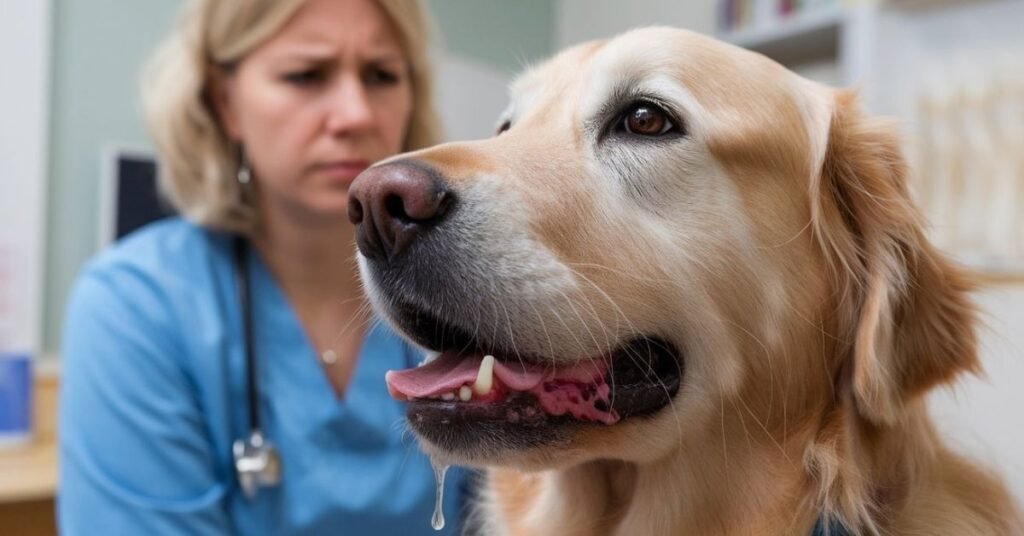
When you take your dog to the clinic for ptyalism, the vet will follow a diagnostic path. They will perform an oral exam under sedation to see the back of the throat and under the tongue. Blood panels check for liver or kidney failure. X-rays look for internal obstructions or bloat. A biopsy is done if oral growths or tumors are found. In complex cases they may recommend MRI, CT scan, or endoscopy.
Treatment options include dental cleaning or tooth extraction for gum disease, antibiotics for infections, anti-nausea medication for motion sickness, surgery for tumors or foreign objects, behavioral support for anxiety-related drooling, and diet changes if food intolerance is the cause.
Proactive Management & Prevention
Advanced Dental Care: Brush your dog’s teeth 2 to 3 times per week using dog-specific toothpaste. Human toothpaste is toxic to dogs. Focus on the back molars where tartar accumulates most.
Environmental Safety: Audit your garden and remove toxic plants like sago palms and English ivy. Store all cleaning chemicals in high cabinets out of reach.
Hydration and Heat Management: During summer, avoid walks between 12 PM and 5 PM. Always carry a portable water bowl. If your dog is a heavy panter, consider a cooling vest.
Emergency Signs: Go to the Vet Immediately If You See
Excessive drooling with difficulty breathing. Drooling with inability to swallow. Drooling with swollen abdomen (possible bloat). Foamy or bloody saliva. Drooling with seizures or loss of coordination. Drooling with known or suspected toxin exposure. Drooling with pale or bluish gums. Drooling with extreme lethargy or unresponsiveness.
Frequently Asked Questions (FAQs)
Q: Why is my dog drooling and acting lethargic? A: This is a major red flag. Drooling + Lethargy usually indicates poisoning, heatstroke, or internal organ failure. Seek emergency care.
Q: Can a dog drool from a sore throat? A: Yes. Infections like “Kennel Cough” or tonsillitis can make swallowing painful, leading the dog to let saliva pool and drip.
Q: Why does my dog drool only in his sleep? A: Just like humans, some dogs relax their jaw muscles so much during deep (REM) sleep that saliva escapes. If they are otherwise healthy, this is harmless.
Q: How do I clean drool stains from my house? A: Use an enzymatic cleaner. Since saliva is protein-based, standard soaps often fail. Enzymatic sprays break down the proteins to prevent staining and odors.
Conclusion
Why do dogs drool? Most of the time, it’s a sign of a happy dog thinking about dinner. But as a health-conscious owner, your intuition is your best tool. If the drooling feels “off,” if it’s sudden, or if it comes with a change in personality, don’t wait. A quick vet check is always better than ignoring a silent cry for help.
