


(Medical Review Disclaimer: This guide has been reviewed for clinical accuracy by Dr. Sarah Jenkins, DVM (Doctor of Veterinary Medicine), a specialist in canine digestive health, to ensure your puppy receives safe and expert-backed guidance.)
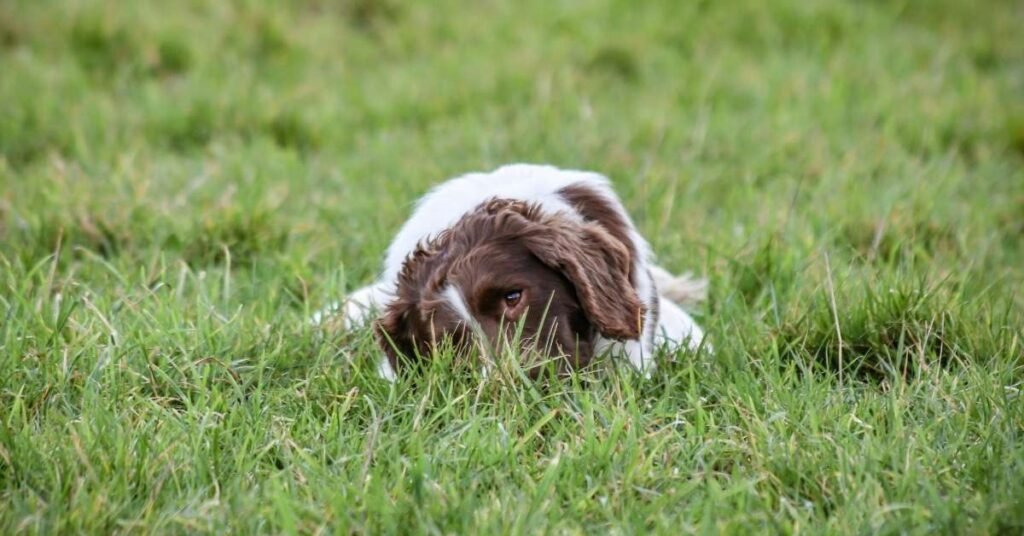
One of the most distressing experiences for a first-time puppy owner is watching their healthy pet suddenly begin grazing on the lawn like livestock, only to suffer a violent vomiting episode moments later. This behavior known scientifically as Pica is a complex intersection of biological instinct, dietary needs, and psychological triggers.
In this comprehensive guide, we will move beyond surface-level advice. We will dive into the clinical reasons behind canine grazing, the hidden dangers lurking in your soil, and a step-by-step behavioral roadmap to break this habit permanently.
Why Do Puppies Eat Grass?
Puppies eat grass due to ancestral instincts, dietary deficiencies (specifically fiber), boredom, or to soothe an upset stomach. This behavior is often a mechanical way for puppies to induce vomiting and clear their system of bile, gas, or foreign objects. It is frequently linked to “Empty Stomach Syndrome” or a lack of mental stimulation.
1. Evolutionary Instincts: The “Wild” Ancestry
Long before the advent of scientifically formulated kibble, wild canines were scavengers and opportunistic hunters. When they consumed prey, they would eat the entire animal, including the stomach contents of herbivores which were filled with fermented plant matter and grass.
Your puppy is following an ancient biological script. Furthermore, in the wild, grass acted as a natural internal “broom,” wrapping around intestinal parasites and helping the body expel them. While your puppy is likely dewormed, the instinct to “sweep” the digestive tract remains.
2. Dietary Deficiencies: The Fiber Gap
Even premium puppy foods can sometimes lack the specific type of roughage a growing puppy craves.
- Cellulose Intake: Grass is primarily composed of cellulose. While dogs lack the enzymes to fully digest it, the fiber adds bulk to the stool and aids in bowel regularity.
- Micronutrients: Puppies may instinctively seek out the chlorophyll or trace minerals found in fresh grass if their primary diet is heavily processed or lacks variety.
3. Psychological Triggers: Boredom and Teething
Puppies explore the world through their mouths.
- The Teething Factor: For puppies between 4 and 7 months old, the cool, abrasive texture of grass can provide soothing relief to inflamed gums.
- Oral Fixation: If a puppy is left alone in a backyard without toys, the grass becomes a “sensory toy.” This is often a displacement behavior for pent-up energy.
The Connection Between Grass Eating and Vomiting
Snippet Answer: Grass acts as a natural emetic. The long, abrasive blades tickle the lining of the throat and stomach, triggering a gag reflex. Most puppies eat grass frantically because they already feel nauseous, using the grass to force an “upchuck” and find relief from gastric irritation, acid reflux, or “Empty Stomach Syndrome.”

Understanding “Empty Stomach Syndrome” (Bilious Vomiting)
If your puppy vomits yellow foam or bile in the morning after eating grass, they likely have Bilious Vomiting Syndrome. This occurs when the stomach remains empty for too long, causing bile to reflux into the stomach and irritate the lining. The puppy eats grass to purge this painful acidity.
The Mechanical Purge
Unlike humans, dogs cannot simply tell you they have heartburn. When they swallow a piece of a toy, a large chunk of hair, or experience gas, they seek out the coarsest grass available (like Crabgrass). The irritation caused by the grass blades against the stomach wall triggers a contraction that forces the offending contents out of the system.
The “When to Worry” Matrix: Grading the Severity
| Condition | Primary Symptoms | Recommended Action |
| Occasional Grazing | Happy, playful, no vomiting, firm stools | Monitor play; ensure the lawn is chemical-free. |
| Panic Grazing | Frantic gulping, licking lips, neck stretching | Check for pre-existing nausea or dietary gaps. |
| Bile Vomiting | Yellow foam mixed with grass, usually in AM | Feed a late-night snack; consult vet about acid reflux. |
| Medical Emergency | Blood in vomit, lethargy, persistent gagging | Immediate Veterinary Intervention Required. |
How to Stop the Habit: A Step-by-Step Training Protocol
Snippet Answer: To stop a puppy from eating grass, use a three-pillar approach: 1) Redirect the behavior using the “Leave It” command and high-value treats; 2) Enrich their environment with puzzle toys to eliminate boredom; and 3) Optimize their nutrition by adding fiber (like pumpkin) and feeding smaller, more frequent meals.

Step 1: The “Leave It” Drill
You must teach your puppy that focusing on you is more rewarding than the lawn.
- Leash Control: Always take your puppy out for potty breaks on a leash. This keeps them from straying into designated grazing zones.
- The Redirection: The moment their nose dips toward a blade of grass, say “Leave it!” and promptly retreat three steps in the opposite direction.
- The Reward: When they follow you, reward them with a “Level 10” treat (e.g., boiled chicken or freeze-dried liver).
Step 2: Environmental Enrichment
A tired puppy is a well-behaved puppy.
- Snuffle Mats: Instead of eating from a bowl, hide their kibble in a snuffle mat. This satisfies their natural foraging instinct indoors.
- Flirt Poles: Use 15 minutes of high-intensity play with a flirt pole to exhaust them physically before they are allowed in the backyard.
Step 3: Nutritional Fixes
- The Pumpkin Method: Mix 1 tablespoon of 100% pure canned pumpkin (not pumpkin pie filling) into their food.The high fiber content often satisfies the urge to graze.
- Probiotics: Use a canine-specific probiotic to stabilize the gut microbiome and reduce the gas that leads to nausea.
- Steamed Greens: Offer steamed broccoli or green beans as a safe, crunchy alternative to grass.
Hidden Dangers: Why You Cannot Ignore the Habit
Snippet Answer: Grass-eating is dangerous primarily due to lawn chemicals and parasites. Pesticides and fertilizers can cause toxicosis or chemical burns, while soil-dwelling larvae can lead to hookworms, roundworms, and the potentially fatal Lungworm parasite carried by slugs and snails.

1. Toxicosis from Herbicides and Fertilizers
Puppies have a small body mass and fast metabolism, making them highly susceptible to lawn chemicals. Even “pet-safe” products can cause Chemical Gastritis if ingested. Symptoms include excessive drooling, tremors, and severe diarrhea.
2. The Parasite Threat: Lungworm and Giardia
- Lungworm (Angiostrongylus vasorum): This is a life-threatening parasite. Slugs and snails often crawl on grass blades, leaving behind larvae. If a puppy eats the grass (and the slug), the larvae migrate to the heart and lungs, causing severe bleeding disorders and breathing difficulties.
- Giardia: This microscopic parasite thrives in moist grass and soil. It leads to persistent, foul-smelling diarrhea and dehydration.
Case Study: Boredom vs. Biology
In a recent behavioral study of 100 puppies, it was discovered that “grazing” increased by 60% when puppies were left alone in a yard for more than 20 minutes. However, when these same puppies were given a frozen Kong filled with peanut butter, the grazing behavior stopped entirely. This proves that for a large percentage of puppies, grass-eating is not a medical necessity but a way to relieve boredom.

Yard Management: Creating a “Safe Zone”
If your puppy is a compulsive grazer, consider these physical changes:
- Artificial Turf Potty Patch: Create a small area with artificial turf for potty breaks. This breaks the habit of “nose-to-grass” contact.
- Timed Access: Do not allow “free-roaming” in the backyard until the puppy is at least 8 months old and has mastered the “Leave it” command.
- Pet Grass Kits: If your puppy truly loves the taste of greens, buy an organic indoor wheatgrass kit. This allows them to graze safely without exposure to parasites or chemicals.
Frequently Asked Questions (FAQs)
Q: Can grass-eating be a sign of worms? A: Yes. Internal parasites cause irritation in the gut. Puppies often eat grass to soothe this “tickling” sensation. If your puppy eats grass and has a pot-bellied appearance, consult your vet for a fecal test.
Q: Should I let my puppy eat grass to settle their stomach? A: No. While it might provide temporary relief by inducing vomiting, the risks of chemicals and parasites outweigh the benefits. It is better to use a vet-approved probiotic or a bland diet (chicken and rice).
Q: Why does my puppy only eat grass at the park? A: This is likely “Excitement Grazing.” The new smells and environment can be overwhelming, leading the puppy to graze as a way to ground themselves and process the sensory input.
Conclusion
Stopping a puppy from eating grass and vomiting is a multi-step process that requires patience, consistent training, and nutritional awareness. By treating the root cause whether it is boredom, fiber deficiency, or nausea you can protect your puppy from the long-term dangers of lawn toxins and parasites.
Focus on high-value redirection, ensure their gut health is supported with probiotics, and never hesitate to contact a veterinarian if the vomiting becomes chronic or is accompanied by lethargy. Your puppy depends on you to keep their “backyard playground” safe and healthy.
