

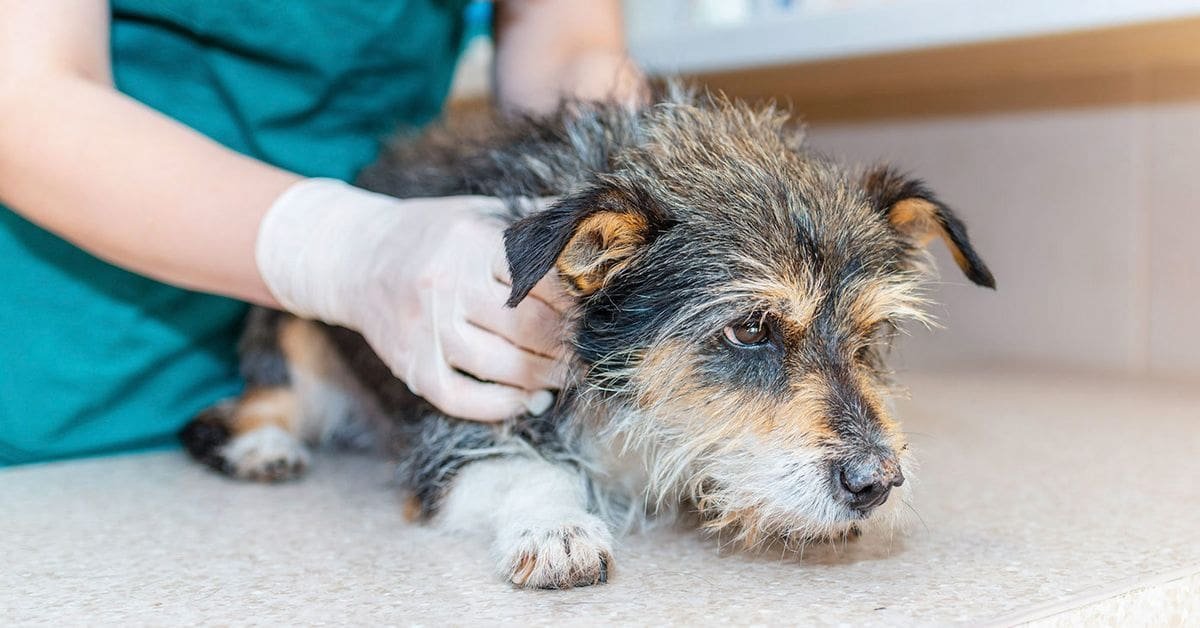
Hair loss in dogs isn’t just a cosmetic issue it can be a sign of underlying health problems that deserve your attention. If you’re asking, “Why is my dog losing hair?”, it could be due to tiny bald patches, widespread shedding, allergies, infections, parasites, or hormonal imbalances. Understanding the causes, early warning signs, and preventive measures can help you keep your furry friend healthy, comfortable, and happy, while also saving you from unnecessary stress and vet bills.
Understanding Hair Loss in Dogs
Hair loss in dogs, also called alopecia, is more than just a cosmetic concern. It occurs when a dog’s fur thins, sheds excessively, or develops bald patches. While some shedding is normal, sudden or patchy hair loss can indicate allergies, infections, parasites, hormonal imbalances, poor nutrition, or stress. Understanding what’s behind the hair loss is essential for timely intervention and overall dog health.
Hair loss can appear gradually over weeks or suddenly overnight. The location, speed, and pattern of hair loss often give clues about the underlying cause. Some breeds are more prone to hair loss due to genetics, so knowing your dog’s breed tendencies can help identify issues early.
What Alopecia Looks Like in Dogs
Alopecia can manifest in different ways, including thinning fur, patchy bald spots, or complete hair loss in specific areas. Often, the affected skin may show redness, flaking, or minor irritation. In some cases, dogs may scratch, lick, or bite the affected areas, indicating discomfort or itching. Recognizing these signs early helps distinguish normal shedding from a more serious problem.
Common Patterns of Hair Loss
The pattern of hair loss can reveal its cause. For example, symmetrical hair loss on the back or tail often points to hormonal imbalances, while hair loss around the paws, face, or ears may indicate allergies. Random bald patches, often accompanied by itching or redness, may suggest parasite infestations or skin infections. Understanding these patterns can guide you toward proper diagnosis and treatment.
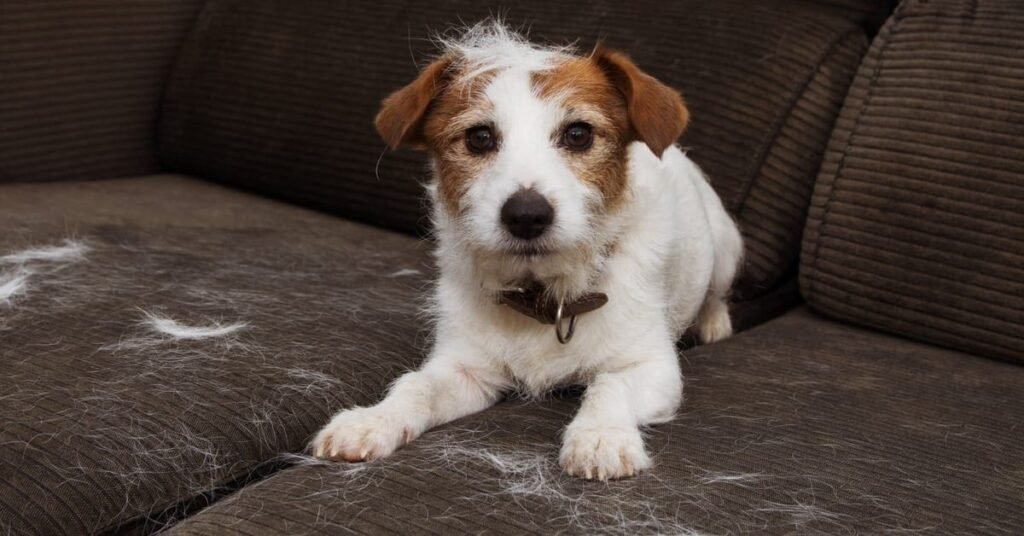
Differences Between Normal Shedding and True Hair Loss
Normal shedding occurs evenly and seasonally, with fur regrowing naturally. In contrast, true hair loss (alopecia) often appears in distinct patches, sometimes with irritated or scaly skin. Other signs of concern include sores, odor, or hair that fails to regrow. Monitoring your dog’s coat regularly helps spot these differences early.
Quick Comparison:
- Normal Shedding: Even, gradual, no skin irritation, fur regrows naturally
- True Hair Loss: Patchy or sudden, may include redness, sores, or flakes, fur may not regrow
When to Be Concerned
Seek veterinary advice if you notice rapid or widespread hair loss, persistent itching, red or scaly skin, bald patches growing larger, or signs of pain. Early detection allows for faster treatment and a better recovery outcome
Signs and Symptoms of Canine Hair Loss
Hair loss in dogs can range from subtle thinning to noticeable bald patches, often signaling an underlying health issue. While some shedding is normal, unusual coat changes like patchy bald spots, flaky skin, or sudden excessive shedding should not be ignored. Hair loss may develop gradually or appear almost overnight depending on the cause. Regular observation of your dog’s coat and skin is essential for early detection, preventing complications, and improving treatment outcomes.
In addition to visible hair loss, other signs may indicate discomfort or health problems. Changes in behavior such as frequent scratching, licking, or biting at affected areas often accompany hair loss. Skin changes like redness, sores, flaking, or unusual odor may also appear. Noticing the pattern and location of hair loss can provide clues to its cause, helping you and your veterinarian determine whether it’s due to allergies, parasites, infections, hormonal imbalances, or stress.
Visible Changes in the Coat
Hair loss can appear as thinning fur, small circular patches, or larger irregular bald spots. Often, the affected skin shows redness, scaling, or crusting. Dogs with long or dense fur may hide early signs, making regular grooming crucial.
Key indicators to watch for:
- Hair appears dull, brittle, or broken
- Small bald spots forming gradually or suddenly
- Irregular patches with scaly or flaky skin
- Areas of inflammation or irritation
Behavioral Symptoms
Dogs experiencing hair loss may scratch, lick, or bite the affected areas more than usual. Over-grooming can worsen bald patches, especially when the cause is stress, allergies, or parasites. Behavioral changes such as restlessness, irritability, or avoiding touch in affected areas are also signs of discomfort.
Skin and Health Indicators
Hair loss is often accompanied by skin changes, which help identify the underlying problem.
Signs to monitor closely:
- Red or inflamed skin patches
- Flaking or dandruff
- Sores, scabs, or crusting
- Unusual odor from affected areas
- Thickened or darkened skin in chronic cases
- Swelling or tenderness around bald spots
These signs help distinguish normal shedding from hair loss caused by allergies, infections, parasites, or hormonal imbalances.
Patterns That Indicate Specific Problems
The location and type of hair loss can give clues about the underlying cause. Observing patterns carefully can help identify whether it’s due to:
- Hormonal problems, like hypothyroidism or Cushing’s disease
- Allergies or irritants – including food sensitivities or environmental triggers
- Parasites – like mites, fleas, or bacterial/fungal infections
- Normal seasonal shedding – mild thinning without irritation
Recognizing these patterns early can help prevent complications and speed up recovery.
Additional Warning Signs
Seek veterinary care if your dog shows signs of hair loss, as early detection helps prevent complications:
- Rapid or patchy hair loss – sudden or widespread shedding may indicate serious underlying health issues.
- Excessive scratching, licking, or biting – constant irritation can damage the skin and worsen hair loss.
- Skin infections, sores, or pus – signs of bacterial or fungal infections that require prompt treatment.
- Behavioral changes – restlessness, lethargy, or anxiety may reflect discomfort or systemic problems.
Recognizing these warning signs early ensures your dog gets timely treatment and supports faster recovery.
Monitoring Your Dog at Home
Regular grooming and inspection help track hair loss over time. Taking photos of affected areas provides a visual record for your veterinarian and helps assess whether treatment is working. Early observation and timely intervention often lead to faster recovery and prevent worsening conditio
Common Causes Behind Dog Hair Loss
Hair loss in dogs can result from a variety of underlying causes, ranging from minor irritations to serious medical conditions. Understanding the potential triggers helps you identify the problem quickly and seek appropriate treatment. Some causes may target specific areas of the body, whereas others can result in hair loss all over. Identifying the pattern, speed, and severity of hair loss is essential for proper diagnosis and management.
While some causes are temporary and easy to treat, others require long-term care or medical intervention. Allergies, hormonal imbalances, parasites, infections, nutritional deficiencies, and stress are the most common contributors to canine hair loss. Knowing the specific cause can prevent further hair loss, alleviate discomfort, and improve overall health.
Allergies and Irritants
Allergies are one of the leading causes of hair loss in dogs. Dogs can develop allergies to food, environmental factors like pollen or dust mites, or chemicals in grooming products. Allergic reactions often cause itching, redness, and hair loss around the paws, ears, face, and underarms.
Signs of allergy-related hair loss:
- Persistent scratching or licking
- Red, inflamed, or flaky skin
- Hair thinning around sensitive areas
- Occasional secondary infections due to scratching
Parasites
External parasites such as fleas, ticks, and mites can lead to hair loss, often in localized patches. Mites cause conditions like mange, resulting in severe itching, inflammation, and bald spots. Hair loss from parasites can progress quickly if untreated, making prompt veterinary care essential.
Symptoms of Parasite-Related Hair Loss
Parasites can cause noticeable hair loss and skin irritation in dogs:
- Intense itching and scratching – fleas, mites, or ticks often trigger constant discomfort.
- Red, irritated skin – inflammation is a common response to parasite bites.
- Scabs or crusts on bald areas – result from repeated scratching or biting at affected spots.
- Rapid spread of bald patches – parasite infestations can quickly worsen without treatment.
Early detection and proper parasite control are essential to relieve discomfort and restore a healthy coat.
Hormonal Imbalances
Hormonal disorders, including hypothyroidism, Cushing’s disease, and other endocrine issues, can lead to symmetrical hair loss on the back, tail, or belly. Hair often becomes thin and brittle, and the skin may darken or thicken in chronic cases.
Indicators of Hormone-Related Hair Loss
Hormonal imbalances can lead to noticeable patterns of hair loss and other changes:
- Hair thinning on both sides of the body – symmetrical thinning is often linked to conditions like hypothyroidism or Cushing’s disease.
- Slow hair regrowth or permanent bald patches – hair may take longer to grow back or not regrow at all in affected areas.
- Changes in weight or appetite – hormonal issues can affect metabolism and feeding behavior.
- Increased thirst or urination in some cases – may indicate endocrine problems impacting overall health.
Recognizing these signs early can help your veterinarian diagnose and manage hormonal conditions effectively.
Infections
Bacterial or fungal infections can cause hair loss, often accompanied by redness, scaling, and odor. Ringworm, a fungal infection, commonly leads to circular bald patches with crusting. Secondary bacterial infections can occur from scratching or biting affected areas.
Signs of Infection-Related Hair Loss
Infections can cause distinct hair loss patterns that need prompt attention:
- Circular or irregular bald spots – often indicate fungal or bacterial infections.
- Red, inflamed, or crusted skin – a common sign of irritation or infection under the fur.
- Foul odor from infected areas – suggests bacterial overgrowth that requires treatment.
- Pain or discomfort when touched – shows the infection is causing irritation and sensitivity.
Early recognition of these signs helps ensure timely treatment and faster recovery for your dog.
Nutritional Deficiencies
Poor diet or lack of essential nutrients can result in hair loss, brittle fur, and poor coat quality. Dogs require a balanced diet rich in protein, fatty acids, vitamins, and minerals for healthy skin and hair. Nutritional deficiencies are more common in dogs fed low-quality food or with underlying health issues affecting nutrient absorption.
Indicators of diet-related hair loss:
- Dull, thin, or patchy coat
- Slow hair growth or poor regrowth
- Dry, flaky, or irritated skin
- General weakness or low energy
Stress and Behavioral Causes
Stress, anxiety, or boredom can lead to over-grooming, licking, or biting, resulting in hair loss. Behavioral hair loss is usually localized to areas the dog can reach easily, such as the belly, legs, or flanks.
Signs of Stress-Related Hair Loss
Stress or anxiety can cause hair loss in dogs without underlying medical issues:
- Localized bald patches from over-licking – dogs may groom excessively in response to stress.
- Behavioral changes – restlessness, pacing, or whining often accompany stress-related hair loss.
- Hair may regrow once stress is reduced – coat usually recovers after the dog calms down.
- No other visible skin infection or irritation – differentiates stress-related hair loss from medical conditions.
Managing stress and providing enrichment can help restore a healthy coat and improve overall well-being.
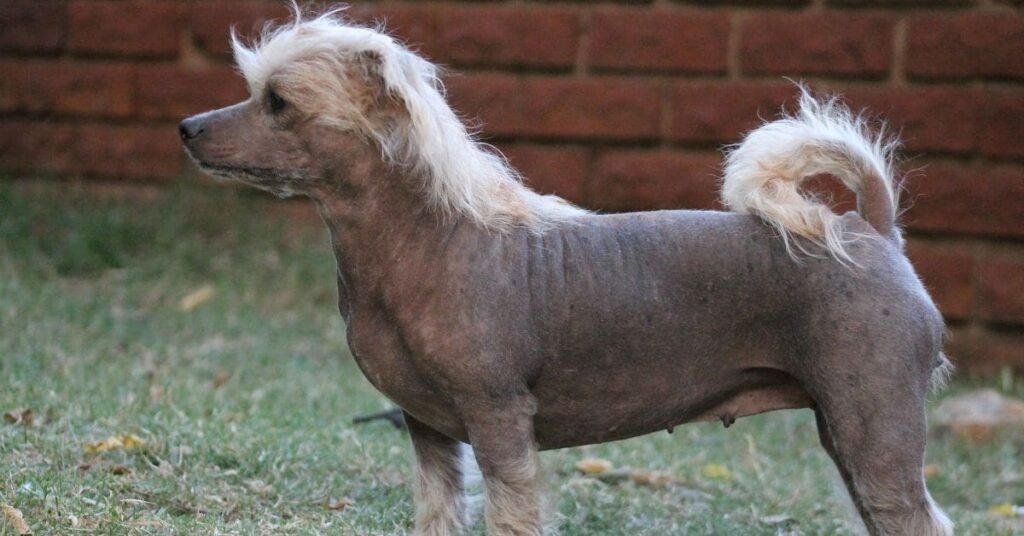
How Veterinarians Diagnose Hair Loss in Dogs
Diagnosing hair loss in dogs requires a careful combination of observation, medical history, and diagnostic tests. Veterinarians begin by examining the dog’s coat and skin, noting the pattern, severity, and location of hair loss. They also ask about your dog’s diet, grooming habits, environment, and any recent behavioral changes. Gathering this information helps narrow down potential causes and determine whether hair loss is due to medical, nutritional, or behavioral factors.
In many cases, further testing is needed to confirm the underlying problem. Skin scrapings, fungal cultures, blood tests, and allergy tests are common diagnostic tools. Early and accurate diagnosis allows for targeted treatment, which improves recovery and reduces the risk of secondary infections or long-term hair loss.
Physical Examination
The veterinarian carefully inspects the dog’s coat and skin, looking for signs such as redness, scaling, bald patches, sores, or scabs. They also check for parasites like fleas or mites. Observing the pattern of hair loss symmetrical, localized, or widespread provides important clues about the underlying cause.
Medical History and Owner Input
Your observations are critical in diagnosis. Vets often ask about:
- Onset and progression of hair loss
- Recent diet changes or new foods
- Grooming products used
- Exposure to other animals or environments
- Behavioral changes like scratching or licking
These details help the vet distinguish between causes like allergies, infections, or stress-related hair loss.
Laboratory and Diagnostic Tests
Depending on initial findings, veterinarians may recommend tests such as:
- Skin scrapings to check for mites or parasites
- Fungal cultures for ringworm
- Blood tests to detect hormonal imbalances or internal diseases
- Allergy testing to identify environmental or food triggers
These tests confirm the cause of hair loss and guide appropriate treatment.
Effective Treatment Options for Dog Hair Loss
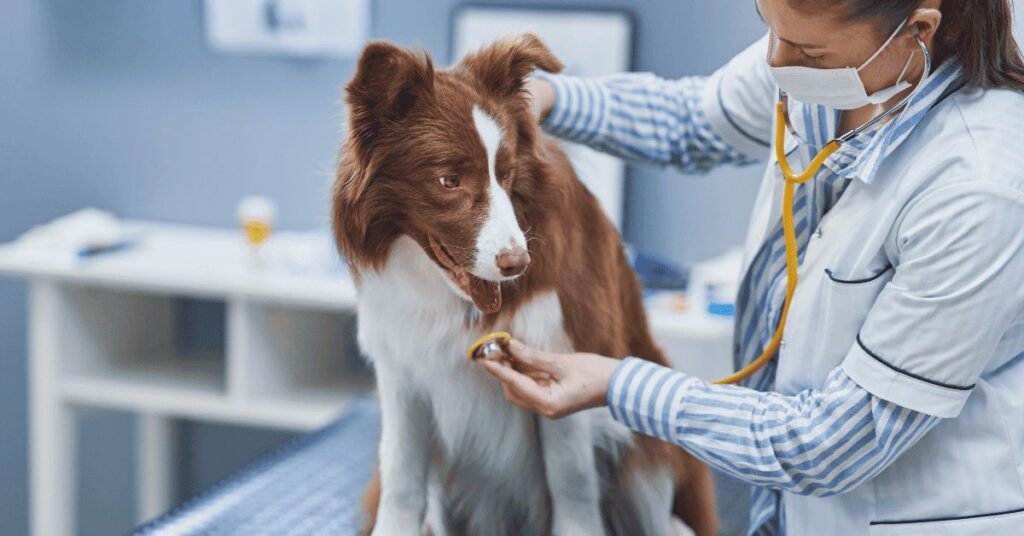
Treating hair loss in dogs depends entirely on the underlying cause. A targeted approach ensures that hair regrows properly and the dog remains healthy and comfortable. Treatments may involve medication, dietary adjustments, topical therapies, or lifestyle changes. Early intervention often leads to faster recovery and prevents further complications, including secondary infections caused by scratching or over-grooming.
Veterinarians typically design a treatment plan tailored to the dog’s specific condition. Some cases require a combination of approaches, such as treating parasites while addressing allergies or hormonal imbalances. Consistent follow-up and monitoring are critical to evaluate progress and adjust treatment as necessary.
Medications
Medications are commonly used to treat infections, parasites, and hormonal imbalances.
- Antibiotics: For bacterial skin infections
- Antifungal medications: For fungal infections like ringworm
- Anti-parasitic treatments: To eliminate fleas, ticks, or mites
- Hormone replacement or regulation: For hypothyroidism or other endocrine disorders
Correct use of medications under veterinary guidance ensures effective recovery and prevents recurrence.
Topical Treatments and Shampoos
Topical treatments can soothe irritated skin, promote hair regrowth, and prevent secondary infections. Medicated shampoos or ointments often contain ingredients that:
- Reduce inflammation and redness
- Kill bacteria, fungi, or parasites
- Moisturize and restore skin barrier
- Relieve itching and discomfort
Regular application, as instructed by a vet, is essential for maximum effectiveness.
Dietary Adjustments
Nutrition plays a critical role in maintaining a healthy coat. Dogs with hair loss may benefit from:
- High-quality protein sources for hair growth
- Omega-3 and omega-6 fatty acids that promote healthy skin
- Nutrients such as zinc, biotin, and vitamin E
- Specialized hypoallergenic diets for allergy-related hair loss
A well-balanced diet supports recovery and helps prevent future hair loss.
Environmental and Lifestyle Changes
In cases where stress, allergies, or environmental factors contribute to hair loss, lifestyle adjustments can help:
- Reducing exposure to allergens (dust, pollen, chemicals)
- Providing a calm and stress-free environment
- Using flea prevention products regularly
- Grooming routinely to detect early signs of hair loss
These changes complement medical treatment and improve long-term outcomes.
Managing and Supporting Your Dog’s Recovery
Recovery from hair loss in dogs requires patience, consistent care, and monitoring. Even after treatment begins, it may take weeks or months for hair to regrow fully. Supporting your dog during this period involves following the veterinarian’s treatment plan, ensuring proper nutrition, and creating a stress-free environment. Regular grooming and gentle handling help maintain coat health and prevent further irritation.
In addition to medical care, observing your dog’s behavior and skin condition is crucial. Tracking progress, noting new bald spots, and recording improvements in coat texture can help your veterinarian adjust treatment if needed. Providing comfort, minimizing stress, and maintaining a clean living environment significantly enhance recovery and overall well-being.
Regular Grooming and Skin Care
Maintaining a clean and well-groomed coat is essential for recovery. Brushing removes dead hair, prevents matting, and helps distribute natural oils. Regular baths with vet-recommended shampoos can soothe irritated skin, remove allergens, and support healthy regrowth.
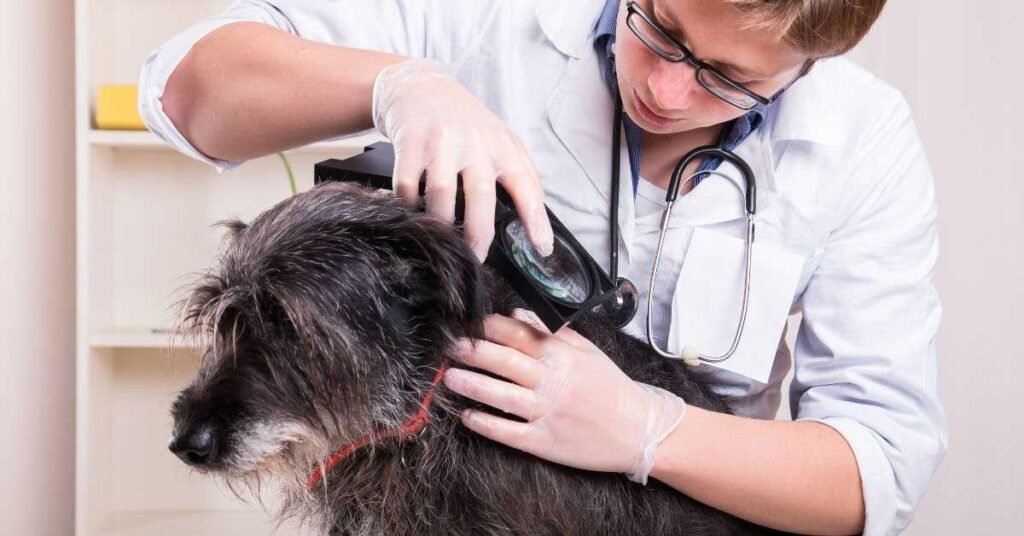
Monitoring Progress at Home
Careful observation helps track your dog’s recovery. Keep a record of:
- Areas where hair is regrowing
- Any new bald patches or skin changes
- Signs of itching, redness, or discomfort
- Behavioral changes, such as restlessness or over-grooming
Documenting these details allows your veterinarian to fine-tune treatment and ensures timely intervention if issues persist.
Nutrition and Supplements
Continuing a nutrient-rich diet supports hair regrowth and overall health. Omega fatty acids, high-quality protein, vitamins, and minerals strengthen hair and improve skin condition. In some cases, veterinarians may recommend supplements specifically formulated to support coat recovery.
Reducing Stress and Environmental Triggers
Stress or environmental factors can slow recovery or worsen hair loss. Providing a calm, comfortable environment, reducing exposure to allergens, and maintaining consistent routines help your dog heal faster. Using preventative flea and tick treatments also prevents re-infestation, which can impede hair regrowth.
Proven Ways to Prevent Hair Loss in Dogs
Preventing hair loss in dogs is far easier than treating it once it occurs. Maintaining a healthy coat involves proper nutrition, regular grooming, parasite control, and early attention to skin or behavioral changes. By taking proactive steps, you can minimize the risk of hair loss and ensure your dog’s coat stays thick, shiny, and healthy. Prevention also reduces stress and discomfort for your dog, while decreasing the likelihood of costly veterinary interventions.
In addition to general care, identifying and managing potential triggers early is critical. Allergies, infections, hormonal imbalances, and stress are all preventable or manageable when monitored closely. By creating a comprehensive prevention plan, including diet, hygiene, and routine veterinary checkups, you can significantly reduce the chances of hair loss and support long-term coat health.
Maintain a Balanced Diet
A well-balanced, nutrient-rich diet is key to preventing hair loss. Ensure your dog receives:
- High-quality proteins to support hair growth
- Omega-3 and Omega-6 fatty acids for healthy skin
- Essential vitamins and minerals, including zinc, biotin, and vitamin E
- Hypoallergenic foods if your dog has known food sensitivities
A proper diet strengthens the coat, reduces shedding, and supports overall health.
Regular Grooming and Skin Care
Consistent grooming removes dead hair, distributes natural oils, and allows you to spot early signs of skin problems. Bathing with vet-approved shampoos, brushing regularly, and trimming long fur in hot climates helps maintain a healthy coat and prevents hair breakage or matting.
Parasite Control
Fleas, ticks, and mites can cause severe irritation and hair loss. Preventive measures include:
- Using veterinarian-recommended flea and tick treatments
- Regularly checking for parasites, especially during warm months
- Cleaning bedding and living areas to minimize exposure
Early detection and prevention of parasites help maintain a healthy coat and skin.
Manage Stress and Environmental Factors
Stress, anxiety, and exposure to allergens can trigger hair loss. Preventive strategies include:
- Providing a calm, safe environment
- Minimizing exposure to pollen, dust, and harsh chemicals
- Creating a consistent daily routine
- Offering enrichment activities to reduce boredom
Reducing environmental and behavioral triggers helps prevent hair loss caused by over-grooming or stress-related conditions.
When to See a Vet About Bald Spots in Dogs
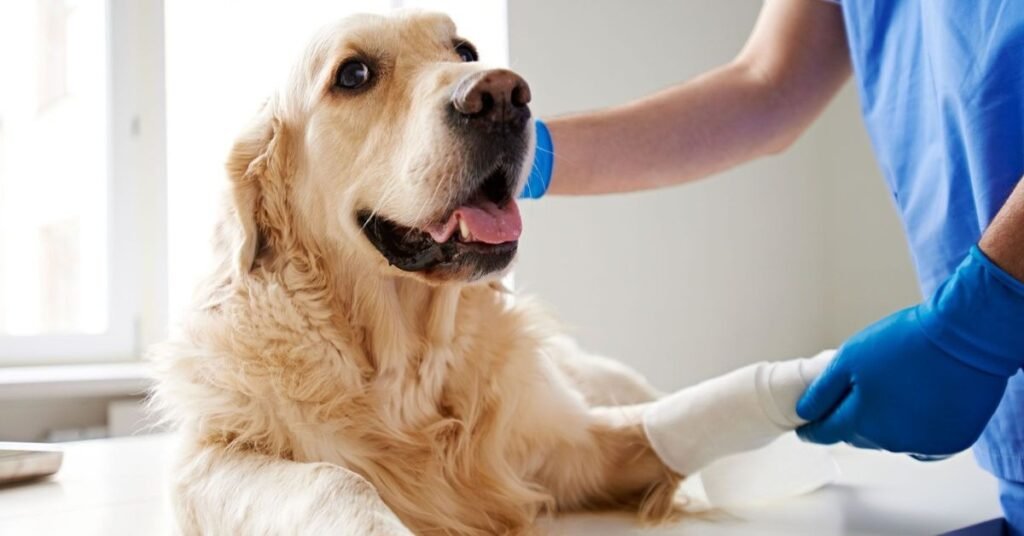
Bald spots in dogs can sometimes be harmless, but persistent or spreading hair loss usually signals an underlying health issue. Prompt veterinary attention is crucial to determine the cause and prevent complications. Early diagnosis allows for targeted treatment, faster hair regrowth, and relief from discomfort or irritation.
Monitoring your dog at home is important, but certain signs indicate that a professional evaluation is necessary. Dogs may develop infections, worsen skin conditions, or experience stress-related issues if hair loss is left untreated. Consulting a veterinarian ensures proper care, improves outcomes, and supports overall coat and skin health.
Signs Requiring Immediate Vet Attention
If your dog has bald spots with redness, swelling, or sores, a vet should examine them promptly. These signs may indicate infections or parasites that require medical treatment.
Rapid hair loss covering large areas is another warning sign that should not be ignored. Sudden shedding could be caused by hormonal imbalances or severe allergies.
Persistent itching, licking, or biting at bald spots suggests irritation or discomfort that may worsen without professional care.
Other Indicators to Watch For
Certain additional signs may signal underlying health problems:
- Hair loss accompanied by foul odor or crusting – often indicates infection or skin disease.
- Behavioral changes such as lethargy or anxiety – may reflect discomfort or systemic issues.
- Bald spots that do not improve after home care – persistent hair loss requires veterinary evaluation.
Noticing these indicators early can help ensure timely treatment and prevent further complications.
Conclusion: Caring for Your Dog’s Coat and Health
Hair loss and bald spots in dogs can be concerning, but with careful observation, preventive care, and timely veterinary support, most causes can be effectively managed. Understanding the signs, identifying triggers, and addressing issues early ensures your dog remains comfortable, healthy, and happy. Regular grooming, proper nutrition, and a stress-free environment play a crucial role in maintaining a strong, shiny coat.
Being proactive about your dog’s health not only improves coat quality but also strengthens the bond between you and your pet. Monitoring for changes, consulting a veterinarian when needed, and following treatment plans help prevent long-term problems. With patience, care, and the right approach, your dog can enjoy a full, healthy coat and a happier, more comfortable life.
Key Takeaways
Early detection of hair loss can prevent serious complications and speed up recovery.
Consistent grooming, nutrition, and environmental care help maintain healthy fur.
Consult a veterinarian for persistent bald spots, excessive shedding, or signs of irritation.
Other reminders:
- Keep track of hair loss patterns and affected areas
- Treat underlying causes like parasites, allergies, or hormonal imbalances
- Reduce stress and provide enrichment to prevent behavioral hair loss
