


Imagine your dog scratching endlessly, licking patches of skin, or suddenly developing red, irritated spots you know something is wrong, but you’re unsure what it is. Why do dogs get skin rashes? Dog rashes are not only uncomfortable for your furry friend but can also signal underlying health issues that require attention.
From allergies and parasites to environmental irritants, the causes of rashes can be surprisingly diverse. Early recognition is key not just to relieve itching and discomfort, but also to prevent more serious complications. In this guide, you’ll discover how to identify, treat, and prevent dog rashes effectively, helping your pet stay happy, healthy, and itch-free.
What Causes Rashes in Dogs
Dog rashes occur when the skin becomes irritated, inflamed, or weakened due to internal or external factors. You may wonder, “Why do dogs get skin rashes?” Often, the immune system overreacts to allergens like pollen, certain foods, or flea saliva, causing redness, swelling, and persistent itching. In other cases, parasites, bacteria, or yeast can directly damage the skin barrier, leading to infections that may spread if left untreated.
Determining the root cause is crucial, as treatment varies depending on the trigger. Allergic rashes typically require long-term management strategies, while rashes caused by parasites or infections often need specific medications. Focusing only on the visible symptoms might offer short-term relief, but it can increase the risk of repeated flare-ups and chronic skin problems.

Environmental and Seasonal Triggers
Environmental rashes are commonly caused by pollen, grass, mold spores, dust mites, and other airborne allergens that fluctuate throughout the year. Dogs frequently develop irritation on exposed areas such as the belly, paws, and underarms after outdoor contact, particularly during spring and fall when allergen levels are highest.
Food Sensitivities and Dietary Issues
Food-related rashes typically result from prolonged exposure to specific ingredients such as chicken, beef, dairy, wheat, or soy. These reactions often lead to persistent itching, recurrent ear infections, and skin inflammation that does not improve with topical treatments alone, making dietary evaluation essential.
Parasites, Infections, and Skin Disorders
Parasites and skin infections are among the most aggressive causes of dog rashes because they directly damage the skin and spread rapidly if left untreated. Fleas and mites cause intense itching and inflammation, while bacteria and yeast thrive in warm, moist areas such as skin folds and ears. These rashes often worsen quickly and can become painful or contagious.
Common signs linked to parasites and infections include:
- Hair loss, scabs, or crusty skin patches
- Strong or unusual skin odor
- Thickened, darkened, or greasy skin
- Persistent scratching that leads to open sores
These conditions usually require veterinary diagnosis and prescription treatment to fully resolve and prevent complications.
Understanding the Dog Skin Barrier and Its Role in Rashes
The skin barrier is your dog’s first line of defense against allergens, parasites, and infections. A strong skin barrier retains moisture, protects against harmful microbes, and prevents environmental irritants from penetrating the skin. When this barrier is weakened, dogs are more prone to rashes, dryness, itchiness, and secondary infections, making early detection and care crucial.
Several factors can compromise the skin barrier, including genetics, poor nutrition, excessive bathing, harsh chemicals, or chronic scratching. Dogs with allergies, autoimmune conditions, or hormonal imbalances may have a naturally weaker skin barrier. Strengthening this barrier through proper diet, grooming, and veterinary-recommended skincare is essential for long-term skin health and rash prevention.

How the Skin Barrier Functions
The skin barrier is composed of the outermost layer of skin cells, natural oils, and moisture. This protective layer locks in hydration, blocks allergens, and prevents bacteria, yeast, and parasites from penetrating. A healthy barrier not only prevents rashes but also supports healing when irritation does occur. Understanding how it works helps pet owners take proactive measures to maintain skin integrity.
Signs of a Compromised Skin Barrier
A weakened skin barrier often manifests in multiple ways. Detecting these signs early can prevent minor irritation from turning into chronic rashes:
- Dry, flaky, or itchy skin that doesn’t improve with standard care
- Redness, inflammation, or hot spots in localized areas
- Increased susceptibility to bacterial or yeast infections
- Persistent or recurring rashes despite topical treatments or medicated baths
Regular observation of these signs, combined with timely veterinary advice, allows for early interventions that restore the barrier and protect against future flare-ups.
Strengthening the Skin Barrier
Maintaining a strong skin barrier involves a combination of nutrition, grooming, and topical support. Diets rich in omega-3 and omega-6 fatty acids, antioxidants, and essential vitamins improve skin resilience. Gentle grooming removes allergens and distributes natural oils, while medicated or soothing shampoos maintain moisture and reduce inflammation. Consistency in these practices helps minimize flare-ups and promotes long-term comfort and skin health.
Common Dog Rash Symptoms to Watch For
Recognizing the symptoms of a dog rash early can prevent complications and help guide proper treatment. Rashes may appear suddenly or develop gradually depending on the cause. Paying attention to subtle changes in your dog’s skin or behavior can make a significant difference in diagnosis and recovery.
Symptoms vary in severity and location, and some dogs may show signs of discomfort even before the rash becomes visible. Prompt observation and timely intervention reduce the risk of secondary infections and chronic skin problems.

Early Signs of Skin Irritation
Early symptoms are often subtle but important to notice. They indicate that your dog’s skin is reacting to an irritant, allergen, or mild infection. Detecting these early signs allows for simple interventions before the condition worsens.
- Redness or mild swelling in specific areas
- Light itching or scratching
- Small bumps or tiny pustules
- Slight dryness or flakiness of the skin
Severe or Chronic Rash Symptoms
Chronic or severe rashes tend to persist over time and often worsen if left untreated. These rashes may involve widespread redness, oozing sores, scabs, and hair loss. Foul odors may develop due to bacterial or yeast infections. Severe symptoms suggest that the underlying issue is more than a temporary irritation and requires veterinary evaluation.
Behavior Changes Linked to Skin Discomfort
Dogs with rashes often display noticeable behavioral changes. They may excessively lick, bite, or scratch affected areas, become restless, have difficulty sleeping, or show sensitivity when touched. Some dogs may reduce playfulness or experience decreased appetite. Observing these behaviors alongside physical symptoms helps indicate the severity and location of the rash, guiding proper care.
Dog Rash by Body Location
Dog rashes can appear on various parts of the body, and their location often provides clues about the underlying cause. Areas prone to moisture, friction, or exposure to allergens are especially vulnerable. Knowing where rashes commonly occur helps with early detection and targeted treatment.
Certain locations tend to show more severe symptoms. For example, rashes in skin folds or under the belly can become irritated quickly, leading to infection if not addressed promptly. Observing the rash’s pattern and location can help determine whether home care is sufficient or if veterinary attention is necessary.
Rashes on the Belly and Groin Area
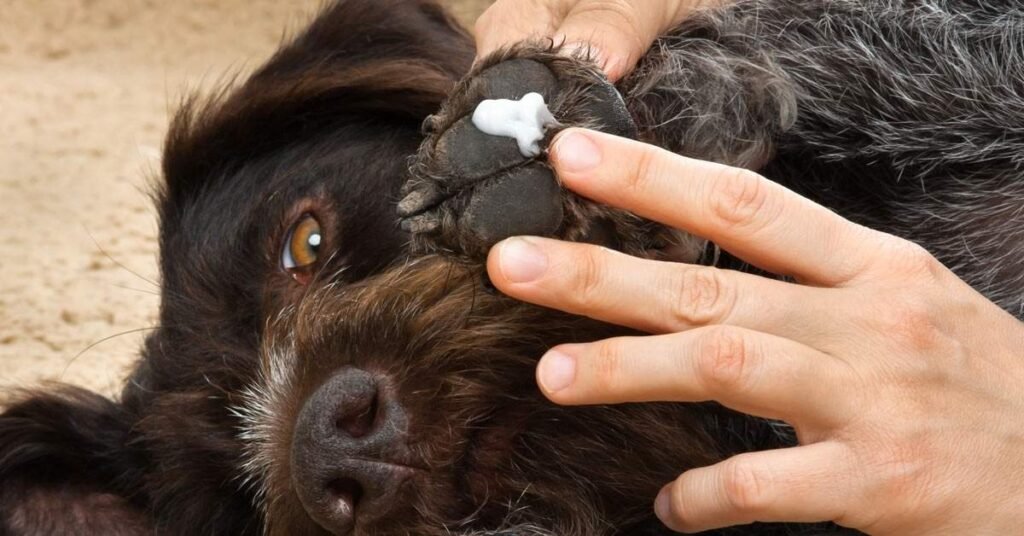
These areas are highly sensitive and frequently develop rashes due to moisture, friction, or allergens like grass and pollen. Dogs may lick or scratch excessively, causing redness and irritation. Early intervention can prevent bacterial or yeast infections in these regions.
Underarm and Paw Rashes
Underarm and paw rashes are often caused by moisture accumulation, friction, walking on rough surfaces, or exposure to chemicals such as cleaning products and lawn fertilizers. These areas are prone to irritation because of constant movement and contact with surfaces.
- Redness, hair loss, scabs, and odor
- Limping or avoiding use of affected paws due to discomfort
- Persistent scratching or licking
- Rapid worsening if not cleaned and inspected regularly
Facial, Ear, and Tail Base Rashes
Rashes on the face, ears, or tail base are commonly linked to food allergies, ear infections, or flea infestations. These rashes often cause itchiness, hair loss, and irritation around sensitive areas. Veterinary evaluation is usually needed to identify the underlying cause and provide proper treatment.
How Veterinarians Diagnose Dog Rashes
Proper diagnosis is crucial for effectively treating dog rashes, as symptoms often overlap between allergies, infections, and parasites. Veterinarians examine the rash’s appearance, location, severity, and progression, while also reviewing the dog’s medical history, diet, grooming routine, and exposure to environmental triggers. Accurate identification of the underlying cause ensures the treatment addresses the root problem rather than merely alleviating discomfort.
Since some rashes can indicate systemic health issues, early veterinary assessment prevents complications such as secondary infections, chronic skin conditions, or worsening allergic reactions. In many cases, a combination of visual inspection, testing, and observation over time is necessary to fully understand the problem.

Physical Examination and Skin Tests
During a physical exam, veterinarians carefully inspect your dog’s entire body, including hard-to-see areas like skin folds, paws, and under the tail. Techniques such as skin scraping, cytology, and magnified visual inspection help identify parasites (like mites or fleas), bacterial infections, or fungal overgrowth. These initial tests often provide immediate insight into the rash’s nature and help guide further testing or treatment.
Allergy Testing and Diet Trials
Chronic or recurring rashes are frequently caused by environmental or food allergies. Vets may conduct intradermal skin tests or blood tests to detect reactions to pollen, dust mites, or other allergens. For food allergies, elimination diet trials involve feeding a restricted hypoallergenic diet for several weeks while monitoring skin and behavioral changes. Successful identification of allergens allows for targeted management, reducing the likelihood of future flare-ups.
When Lab Work or Biopsies Are Needed
Some rashes are more complex, severe, or resistant to initial treatments, requiring advanced diagnostics to determine the exact cause. These tests help veterinarians understand whether the rash is linked to infections, immune disorders, or underlying systemic conditions. Timely diagnostics can prevent the rash from worsening and guide an effective, long-term treatment plan.
Common advanced tests include:
- Skin biopsies to analyze tissue for inflammation, infection, or cancer
- Blood tests to evaluate systemic conditions or immune disorders
- Fungal or bacterial cultures to pinpoint persistent infections
- Allergy-specific panels for precise identification of environmental triggers
These in-depth tests allow veterinarians to develop a customized treatment plan, prevent recurrence, and ensure the dog’s overall health is maintained.
Effective Treatment Options for Dog Rashes
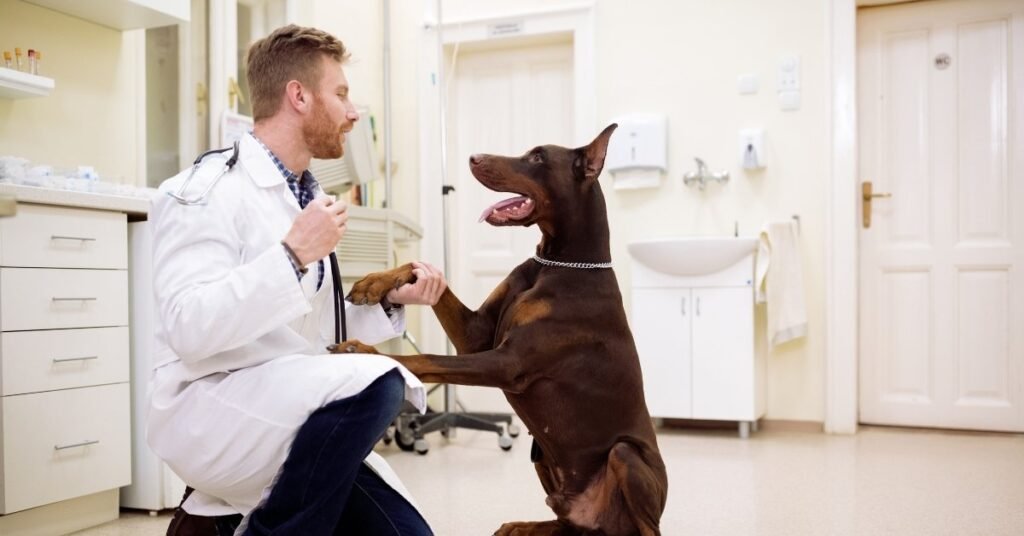
Treating dog rashes effectively starts with understanding why dogs get skin rashes and tailoring a treatment plan to the specific cause. Some rashes respond well to topical care alone, while others require systemic approaches such as oral medications, dietary adjustments, or targeted therapies. Early and consistent intervention not only eases discomfort but also helps prevent secondary infections and chronic skin problems.
Veterinarians often recommend a holistic strategy that combines symptom relief, infection control, and long-term prevention. Addressing the root cause whether it’s allergies, parasites, or skin infections is far more effective than simply masking visible symptoms. Proper care also strengthens the skin’s natural barrier, reduces sensitivity, and supports overall health.
Medicated Shampoos and Topical Treatments
Medicated shampoos, sprays, and creams can help manage inflammation, reduce bacterial or yeast overgrowth, and soothe irritated skin. Ingredients like chlorhexidine, oatmeal, or aloe vera calm itching and redness while strengthening the skin barrier. Topical treatments are especially effective for localized rashes and can prevent the spread of infection when used consistently.
Oral Medications and Supplements
Oral medications are often necessary for more severe or widespread rashes. Antihistamines can control allergic reactions, corticosteroids reduce inflammation, and antibiotics or antifungals treat secondary infections. Supplements such as omega-3 fatty acids, vitamin E, and skin-supporting nutrients enhance healing, reduce sensitivity, and improve coat condition. Following the veterinarian’s dosage instructions carefully ensures maximum effectiveness and safety.
Treating the Underlying Cause vs Symptoms
While relieving visible symptoms is important for comfort, addressing the underlying cause prevents recurring rashes and long-term complications. Identifying triggers such as food allergens, environmental irritants, or parasites is critical for developing a long-term management plan.
Common strategies include:
- Adjusting diet to avoid allergenic foods or introducing hypoallergenic options
- Eliminating parasites using vet-approved flea, tick, or mite treatments
- Treating bacterial or fungal infections with targeted medications
- Implementing consistent grooming and hygiene practices to protect sensitive skin
By tackling the root cause, veterinarians can reduce flare-ups, enhance your dog’s comfort, and promote overall skin health. Long-term adherence to the treatment plan ensures that the rash is less likely to return, improving the quality of life for your pet.
Safe Home Remedies for Mild Dog Rashes
For mild rashes, certain home remedies can provide effective relief and promote healing, especially when combined with proper grooming and preventive care. These remedies help reduce inflammation, calm irritation, and strengthen the skin’s natural barrier. While gentle home care can be beneficial, persistent, severe, or spreading rashes should always be evaluated by a veterinarian to prevent complications.
Home treatments focus on soothing inflamed skin, reducing itching, and supporting overall skin health. Consistency, patience, and careful observation of your dog’s response are key to ensuring comfort and avoiding further irritation.

Soothing Baths and Natural Relief Options
Oatmeal baths, chamomile rinses, and aloe vera gels are excellent natural options for calming irritated skin. These remedies help remove allergens, dirt, and loose hair while providing immediate relief from itching and redness. Additionally, gently massaging the affected areas during bathing improves circulation, promotes healing, and helps distribute natural oils that protect the skin.
Diet Adjustments to Support Skin Health
A balanced diet plays a crucial role in maintaining healthy skin and preventing rashes. Feeding high-quality dog food rich in omega-3 and omega-6 fatty acids, antioxidants, and essential vitamins strengthens the skin barrier, reduces inflammation, and improves coat condition. Avoiding ingredients known to trigger sensitivities such as certain proteins, grains, or artificial additives can also minimize recurring flare-ups and enhance overall health.
Home Care Mistakes to Avoid
While home remedies can be effective, some practices may worsen rashes if applied incorrectly. Understanding safe methods and carefully monitoring your dog’s response is essential for successful home care.
Common mistakes to avoid include:
- Using human creams or medications not approved for dogs
- Over-bathing, which can strip natural oils and dry out the skin
- Ignoring persistent scratching or signs of infection
- Applying harsh chemicals or disinfectants directly to irritated areas
By avoiding these mistakes, home remedies can provide relief without causing additional harm. Observing your dog carefully and consulting a veterinarian when needed ensures that rashes are managed safely and effectively.
How to Prevent Rashes in Dogs Long-Term
Preventing dog rashes over the long term requires a proactive approach that combines proper grooming, nutrition, and environmental management. Understanding what triggers rashes such as allergens, parasites, and irritants allows you to implement preventive measures that maintain healthy skin. Consistent care not only reduces flare-ups but also keeps your dog comfortable, active, and happy.
Long-term prevention also helps detect potential skin issues early, preventing minor irritations from turning into serious infections. Regular observation, combined with preventive strategies, ensures your dog’s coat remains shiny and skin healthy.

Grooming and Hygiene Best Practices
Regular grooming is essential for preventing skin problems. Brushing removes dirt, dead hair, and allergens while stimulating the production of natural oils that protect the skin. Bathing with mild, hypoallergenic shampoos helps maintain cleanliness without stripping essential moisture. Focus on sensitive areas prone to friction or moisture, including paws, underarms, and skin folds, to avoid irritation and infections.
Flea, Tick, and Parasite Prevention
Parasites are a leading cause of rashes, irritation, and secondary infections. Using veterinarian-approved flea, tick, and mite preventatives consistently helps stop infestations before they cause skin problems. Regularly inspecting your dog’s coat, especially after outdoor activities, can catch early signs of parasites. Prompt treatment ensures that itching, hair loss, and skin damage are minimized.
Creating a Skin-Friendly Environment
A safe and clean environment is critical for long-term skin health.
- Wash bedding, toys, and blankets regularly to remove dust, pollen, and dirt
- Keep living areas dry and well-ventilated to prevent moisture-related rashes
- Avoid exposure to harsh cleaning chemicals or lawn treatments
- Maintain a stable diet and avoid sudden ingredient changes
Minimizing exposure to environmental irritants helps prevent rashes from developing. Combined with grooming and parasite control, these practices create a comfortable, healthy environment that supports your dog’s skin and overall well-being.
When a Dog Rash Becomes an Emergency
While many dog rashes are mild and manageable at home, some indicate serious health issues that require immediate veterinary attention. Understanding the difference between minor irritations and emergencies is essential for protecting your dog’s overall health. Rapidly worsening rashes, widespread swelling, or severe itching can signal infections, allergic reactions, or systemic diseases that could escalate quickly if not treated promptly.
Prompt recognition and action prevent complications such as secondary infections, permanent skin damage, or the spread of contagious conditions. Observing changes in behavior, appetite, and energy level alongside visible skin symptoms helps determine the urgency of the situation.

Warning Signs That Need Immediate Care
Some rashes are more than skin-deep and may indicate life-threatening conditions. Warning signs include sudden or extreme swelling, oozing sores, bleeding, or discoloration. Additional symptoms like fever, lethargy, difficulty breathing, or loss of appetite can point to systemic illness. Immediate veterinary care ensures timely diagnosis and prevents the rash from escalating into a more serious problem.
Rashes That Should Never Be Treated at Home
Certain rashes are too severe to manage without professional help.
- Widespread redness, pustules, or open sores
- Rashes accompanied by swelling of the face, lips, or paws
- Severe itching that causes bleeding or self-trauma
- Rash combined with vomiting, diarrhea, or fever
Attempting to treat these conditions at home can worsen the situation, delay proper care, and increase the risk of infection or permanent skin damage. Veterinary evaluation is crucial to accurately identify the cause and prescribe appropriate treatment.
Emergency Response Tips
If your dog develops a severe or rapidly spreading rash, there are steps you can take while en route to the veterinarian. Keep the affected area clean and gently prevent your dog from excessive licking or scratching, which can aggravate the rash or introduce infection. Avoid applying human medications, harsh topical ointments, or home remedies that may irritate the skin further.
Ensuring your dog’s comfort and safety during transport, combined with immediate professional care, helps address the problem quickly and reduces the risk of complications. Following your veterinarian’s instructions carefully after treatment is key to full recovery and preventing recurrence.
Disclaimer:
This article is for informational purposes only and is not a substitute for professional veterinary care. If your dog develops a rash or shows signs of discomfort, irritation, or illness, consult a licensed veterinarian promptly. Early diagnosis and treatment are essential for your pet’s health and well-being.
