

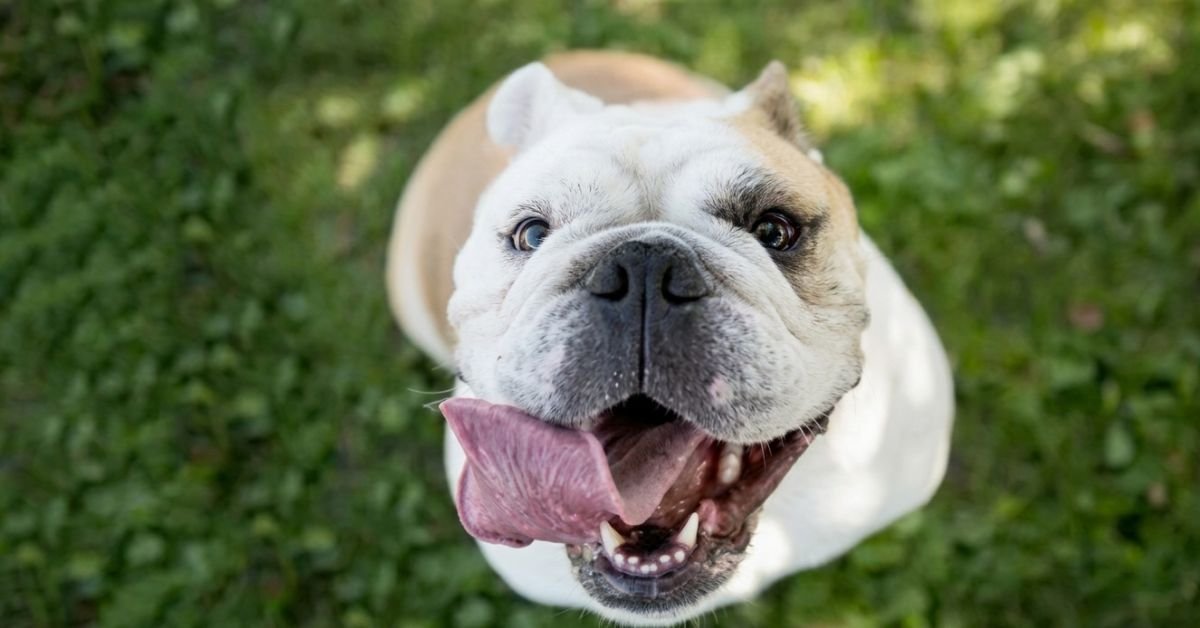
Many dog owners eventually ask the question: Why do dogs pant? Panting is a natural behavior that plays an essential role in a dog’s health and temperature control. Unlike humans, dogs cannot regulate heat by sweating through their skin. Instead, they rely on panting to cool their bodies and maintain a safe internal temperature.
In most situations, panting is completely normal. Dogs often pant after exercise, during warm weather, or when they feel excited. However, excessive panting or unusual breathing patterns can sometimes indicate stress, anxiety, or an underlying medical condition.
Understanding why dogs pant, how normal panting works, and when it becomes dangerous can help dog owners respond quickly and keep their pets safe.
Why Do Dogs Pant to Regulate Body Temperature
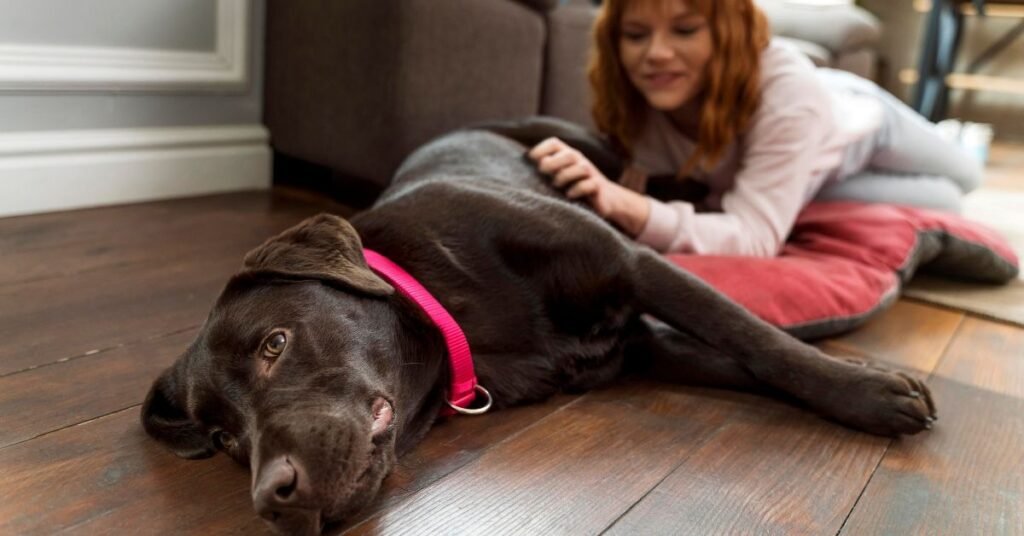
The most common reason why dogs pant is to control body temperature. Dogs have very limited sweat glands, which means they cannot cool themselves efficiently through perspiration as humans do.
Instead, dogs use panting as their primary cooling system.
When a dog pants, air moves rapidly across the moist surfaces of the tongue, mouth, and respiratory tract. This airflow causes moisture to evaporate, which removes heat from the body.
This process is called evaporative cooling, and it works similarly to how sweating cools the human body.
Several important biological structures support this cooling system:
- Thermoregulation – the body’s ability to maintain a stable temperature
- Diaphragm – the muscle responsible for controlling breathing rhythm
- Tongue blood vessels – release body heat during panting
- Respiratory tract – allows warm air to exit and cooler air to enter
Healthy panting usually appears rapid but relaxed. Your dog should remain comfortable, alert, and responsive while panting.
Why Do Dogs Pant vs Heavy Breathing in Dogs
Dog owners often confuse normal panting with labored breathing. Learning to recognize the difference helps determine when panting is harmless and when it may require veterinary attention.
Below is a comparison of normal panting and breathing distress.
| Feature | Normal Panting | Heavy or Labored Breathing |
| Breathing pattern | Rapid and shallow | Deep or strained |
| Mouth position | Mouth open, relaxed tongue | Mouth open with visible tension |
| Body posture | Relaxed stance | Neck stretched forward |
| Breathing sounds | Quiet airflow | Wheezing, rasping, or noisy breathing |
| Energy level | Alert and active | Weak, restless, or lethargic |
If your dog shows deep breathing, unusual sounds, or signs of discomfort, the panting may indicate respiratory distress and should be evaluated by a veterinarian.
Why Do Dogs Pant More? The Panting Baseline Method

Veterinarians often measure breathing using the Resting Respiratory Rate (RRR). Establishing your dog’s normal breathing rate can help you detect early signs of health problems.
You can measure this easily at home.
Step-by-Step Method
- Wait until your dog is sleeping or resting quietly.
- Watch the chest rise and fall.
- Count each rise as one breath.
- Count breaths for 30 seconds.
- Multiply the result by two to determine breaths per minute.
Tracking this rate occasionally allows you to understand what is normal for your dog.
Normal Resting Respiratory Rate
| Dog Size | Puppies | Adult Dogs | Senior Dogs |
| Small Breeds | 20–30 breaths/min | 15–25 breaths/min | 15–30 breaths/min |
| Medium Breeds | 18–28 breaths/min | 15–25 breaths/min | 15–30 breaths/min |
| Large Breeds | 16–24 breaths/min | 12–20 breaths/min | 15–25 breaths/min |
If your dog regularly exceeds 30 breaths per minute while resting, consult a veterinarian.
Why Do Dogs Pant? The Three Types of Dog Panting
Understanding why dogs pant becomes easier when you recognize the different categories of panting.
1. Thermic Panting – Why Dogs Pant to Cool Down
Thermic panting occurs when dogs try to reduce body heat.
Common characteristics include:
- Fast, shallow breathing
- Tongue hanging outside the mouth
- Relaxed posture
- Panting after physical activity
This type of panting usually stops once the dog rests and cools down.
2. Behavioral Panting – Why Dogs Pant When Stressed
Dogs also pant due to emotional stress or anxiety. When dogs feel nervous or fearful, the body releases stress hormones such as cortisol.
Situations that may trigger stress panting include:
- Thunderstorms
- Car rides
- Separation anxiety
- Visits to the veterinarian
Stress-related panting often appears with other behavioral signals such as:
- Pinned ears
- Wide tongue
- Restlessness
- Pacing or whining
Owners frequently notice this pattern when their dog is panting and restless at night.
3. Pathological Panting – Medical Reasons Why Dogs Pant
Sometimes, why dogs pant relates to a medical issue. Pathological panting occurs when a disease or physical condition interferes with normal breathing.
Warning signs include:
- Deep or labored breathing
- Raspy breathing sounds
- “Honking” noises from the throat
- Panting combined with weakness or shaking
Several medical conditions can cause abnormal panting:
- Heatstroke
- Respiratory infections
- Heart disease
- Cushing’s disease
- Laryngeal paralysis
If panting appears suddenly, becomes severe, or occurs without exercise or heat exposure, seek veterinary care.
Why Do Dogs Pant Differently? Flat-Faced vs Long-Muzzle Breeds
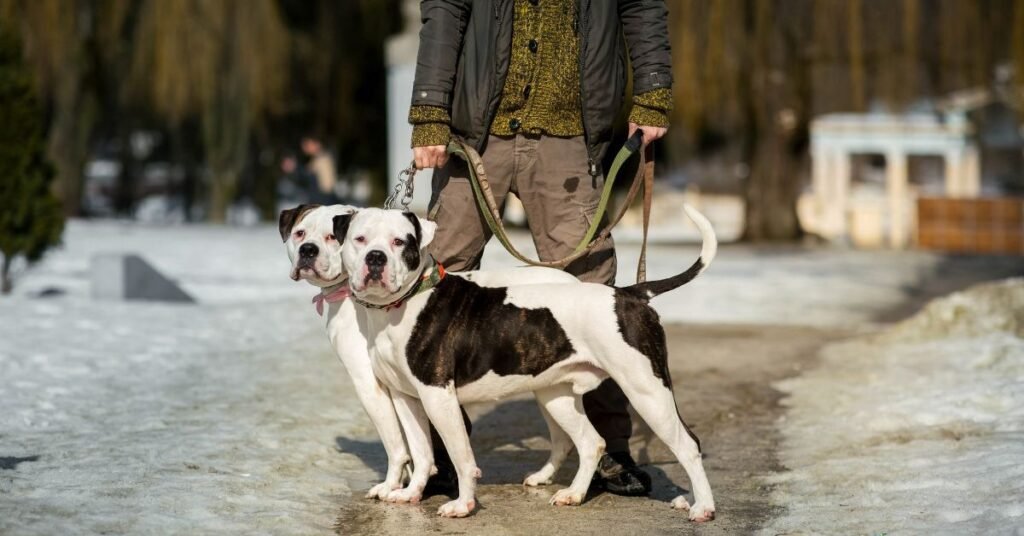
The answer to why dogs pant can vary by breed and anatomy.
Dogs with flat faces often experience breathing challenges compared to dogs with longer muzzles.
Brachycephalic Breeds
Flat-faced breeds include:
- Pugs
- Bulldogs
- French Bulldogs
These breeds frequently develop Brachycephalic Syndrome, which narrows the airways and makes breathing more difficult.
Because their nasal passages are shorter, they struggle to cool their bodies efficiently through panting.
Standard Muzzle Breeds
Dogs with longer muzzles include:
- Golden Moutain
- Labrador Retrievers
- German Shepherds
These breeds have longer nasal passages, which improve airflow and enhance heat exchange during panting.
| Feature | Brachycephalic Breeds | Standard Muzzle Breeds |
| Nasal airway length | Short | Long |
| Cooling efficiency | Lower | Higher |
| Breathing effort | High | Moderate |
| Heatstroke risk | High | Moderate |
Flat-faced dogs require extra caution during warm weather because they overheat more easily.
Why Do Dogs Pant During Heatstroke?
Another important reason why dogs pant excessively is heatstroke. Heatstroke occurs when a dog’s body temperature rises faster than it can cool down.
Without treatment, heatstroke can become life-threatening.
Common Heatstroke Symptoms
Watch for the following warning signs:
- Intense panting
- Bright red gums
- Vomiting or drooling
- Weakness or collapse
- Rapid heartbeat
Temperature Safety Chart
| Temperature | Humidity | Risk Level |
| Below 20°C (68°F) | Low | Safe |
| 21–26°C (70–78°F) | Moderate | Caution |
| 27–31°C (80–88°F) | High | Risk of overheating |
| Above 32°C (90°F) | Any humidity | Heatstroke danger |
High humidity makes cooling harder because evaporation becomes less effective.
Why Do Dogs Pant in Emergencies?
Sometimes, why dogs pant indicates a serious medical emergency. Immediate veterinary attention may be necessary if the panting occurs alongside other symptoms.
Seek veterinary help if you notice:
- Blue or pale gums
- Sudden collapse
- Loud or harsh breathing sounds
- Panting combined with vomiting
- Severe lethargy
- Panting without heat or exercise
These symptoms may signal respiratory distress, heart problems, or internal illness.
How to Cool Down a Panting Dog Safely
If your dog begins overheating, you should act quickly to lower its body temperature.
Follow these steps:
- Move your dog to a shaded or air-conditioned space.
- Provide small amounts of cool water.
- Place cool (not ice-cold) towels on the body.
- Increase airflow using a fan.
- Contact a veterinarian if panting continues.
Avoid using ice baths, because extreme cold may cause shock and worsen the situation.
FAQS
Why is my dog panting and acting restless?
Dogs often pant and behave restlessly when they feel stressed, anxious, or uncomfortable. Heat, pain, digestive upset, or environmental changes can also trigger this behavior. Pay attention to your dog’s surroundings and watch for additional signs such as pacing, whining, or changes in appetite to help determine the cause.
Why do dogs pant during the night?
Dogs may pant at night due to anxiety, discomfort, or age-related health issues. In some cases, nighttime panting can also relate to joint pain, heart conditions, or respiratory problems that become more noticeable when the dog rests.
Why do senior dogs pant more than younger dogs?
Older dogs often pant more because age-related conditions affect their comfort and breathing. Arthritis pain, metabolic disorders, or hormonal diseases such as Cushing’s Disease can increase panting frequency. Persistent or unusual panting in senior dogs should always be evaluated by a veterinarian.
What does abnormal breathing in dogs sound like?
Abnormal breathing in dogs may produce unusual sounds that indicate respiratory distress or airway problems. These sounds can include:
- Wheezing or whistling during breathing
- Stridor, a harsh noise caused by narrowed airways
- Honking or choking-like sounds from the throat
- Loud or labored gasping
Conclusion
Understanding why dogs pant allows pet owners to recognize the difference between normal behavior and potential health problems.
Most panting occurs when dogs try to cool their bodies after exercise, excitement, or warm temperatures. This natural process helps regulate body temperature through evaporative cooling.
However, excessive or unusual panting may signal stress, illness, or dangerous conditions like heatstroke. Monitoring your dog’s resting respiratory rate, recognizing warning signs, and responding quickly can help prevent serious complications.
If panting becomes sudden, severe, or persistent, contact your veterinarian for professional guidance. Early diagnosis and treatment can make a significant difference in your dog’s health and well-being.
