

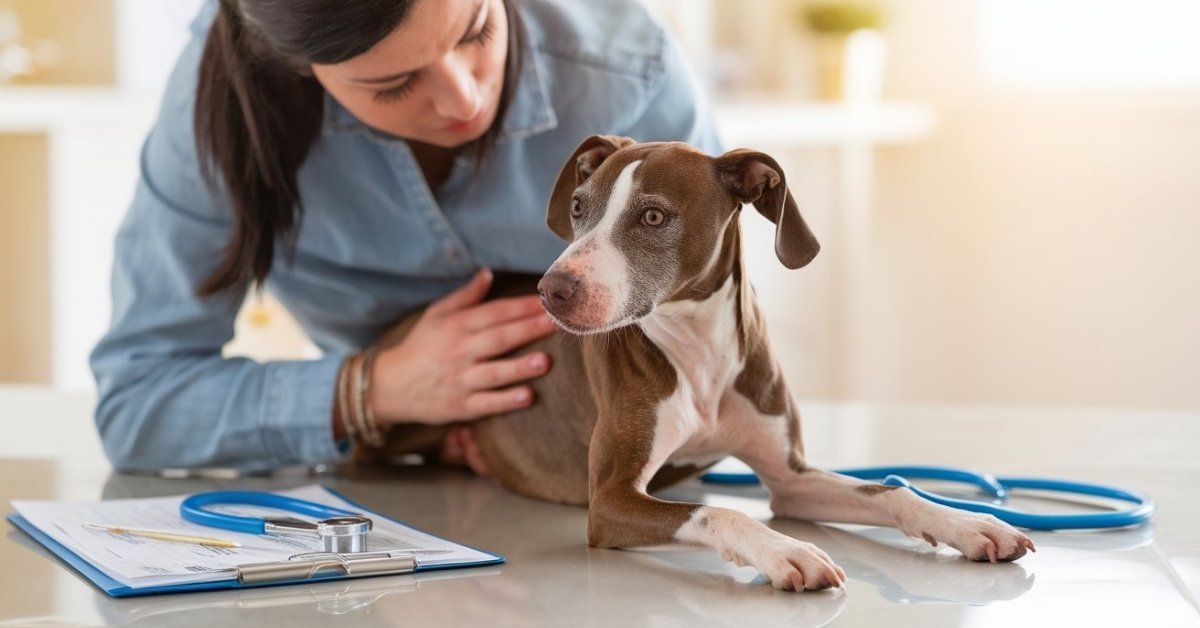
Unexplained weight loss in dogs can be worrying, especially when your pet seems to be eating normally. Many owners ask the same question: why do dogs lose weight, and the answer is not always simple. Weight loss often develops slowly, which makes it easy to overlook in the early stages.
However, early awareness can make a big difference in your dog’s health. When you understand the possible causes and warning signs, you can take action before the problem becomes serious. This guide explains what’s normal, what’s not, and when it’s time to involve your vet.
Why Is My Dog Losing Weight? – Understanding the Problem
Unplanned weight loss in dogs is more than a cosmetic issue; it often signals that something inside the body is not working as it should. Even small changes on the scale can matter, especially if your dog’s routine, food, and activity level have stayed the same. Because dogs cannot explain discomfort, weight loss is sometimes the first visible clue that an underlying problem exists.
Understanding why do dogs lose weight helps you respond early instead of waiting for serious symptoms. Some causes are minor and temporary, while others require medical care. Knowing how to separate normal changes from warning signs can protect your dog’s long-term health.
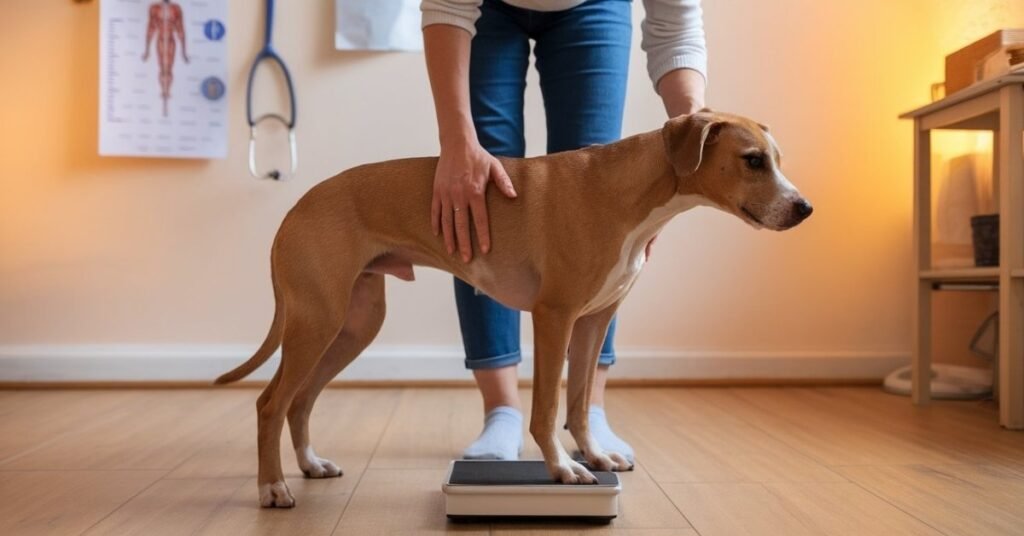
Is weight loss always a medical issue?
Not every case of weight loss means your dog is sick. Changes in exercise, stress, or food quality can affect body weight without causing harm. Puppies, senior dogs, and highly active breeds may also fluctuate slightly. The concern begins when weight loss is sudden, ongoing, or paired with other symptoms.
- Recent change in diet or feeding schedule
- Increased activity or exercise level
- Temporary stress or environmental changes
- Age-related metabolism shifts
How does normal weight compare to unhealthy loss?
A healthy dog maintains a stable shape, good muscle tone, and steady energy levels. Unhealthy weight loss often appears as visible ribs, hip bones, or a dull coat. You may notice reduced strength or that your dog feels lighter when lifted. These signs suggest the body is losing muscle or fat too quickly.
- Ribs or spine becoming more visible
- Loss of muscle mass around hips or shoulders
- Reduced stamina or weakness
- Noticeable drop in body condition score
Common Causes of Weight Loss in Dogs
Weight loss in dogs usually happens when the body is not getting enough nutrients or cannot use them properly. This may result from illness, poor digestion, or changes in daily habits. Some causes develop slowly, while others progress quickly, making early identification essential.
Because many conditions share similar symptoms, weight loss alone does not point to one clear cause. Looking at medical and non-medical factors together helps narrow down why the problem started and how serious it may be.

Medical conditions that cause weight loss
Several health issues interfere with appetite, digestion, or nutrient absorption. Chronic illnesses often cause gradual weight loss, while infections may lead to faster changes. These conditions usually require veterinary diagnosis and treatment.
- Intestinal parasites and worms
- Diabetes, kidney disease, or liver disease
- Thyroid and hormonal imbalances
- Cancer or chronic inflammatory disorders
Lifestyle and dietary factors
Not all weight loss is linked to disease. Feeding issues, stress, or increased activity can also affect your dog’s weight. Poor-quality food or incorrect portion sizes may fail to meet nutritional needs, even if your dog eats regularly.
- Sudden change in dog food or brand
- Inadequate calorie intake for activity level
- Stress from travel, boarding, or new pets
- Feeding competition in multi-dog households
What Other Signs Should You Look For?
Weight loss in dogs is often the first noticeable change, but it rarely happens alone. Paying attention to other subtle signs both in behavior and physical appearance can give early clues about underlying health issues. Detecting these signs early allows you to act promptly, potentially preventing serious complications.
Some symptoms might seem minor at first, like slight changes in energy or appetite, but combined with weight loss, they can indicate conditions ranging from digestive issues to chronic illness. Observing your dog closely every day ensures you notice these early warning signals before the condition worsens.

Behavioral changes that indicate illness
Dogs often communicate discomfort or illness through shifts in behavior rather than obvious physical symptoms. Sudden mood changes, lethargy, or reluctance to engage in usual activities can indicate internal problems that require attention.
- Reduced playfulness or energy, even during favorite activities
- Increased irritability or restlessness at home
- Hiding, avoiding interaction, or seeming anxious
- Changes in sleep patterns or disruption of usual routine
Physical symptoms to monitor closely
Alongside behavioral changes, physical signs can reveal more about your dog’s health. Monitoring coat condition, bowel movements, and hydration levels can provide early insight into medical issues causing weight loss.
- Dull, thinning, or patchy coat
- Vomiting, diarrhea, or changes in stool consistency
- Excessive thirst, urination, or dehydration signs
- Pale gums or changes in body condition score
When To Call Your Vet About Your Dog Losing Weight
Not all weight loss in dogs requires an emergency visit, but some signs indicate that immediate veterinary care is necessary. Understanding when to call your vet helps prevent minor issues from becoming serious health problems and ensures your dog receives timely treatment.
Regular checkups are important, but unexplained or rapid weight loss should never be ignored. Combining weight change with other concerning symptoms like vomiting, diarrhea, or lethargy can signal a medical condition that needs prompt attention. Early intervention often improves outcomes and can even be life-saving.
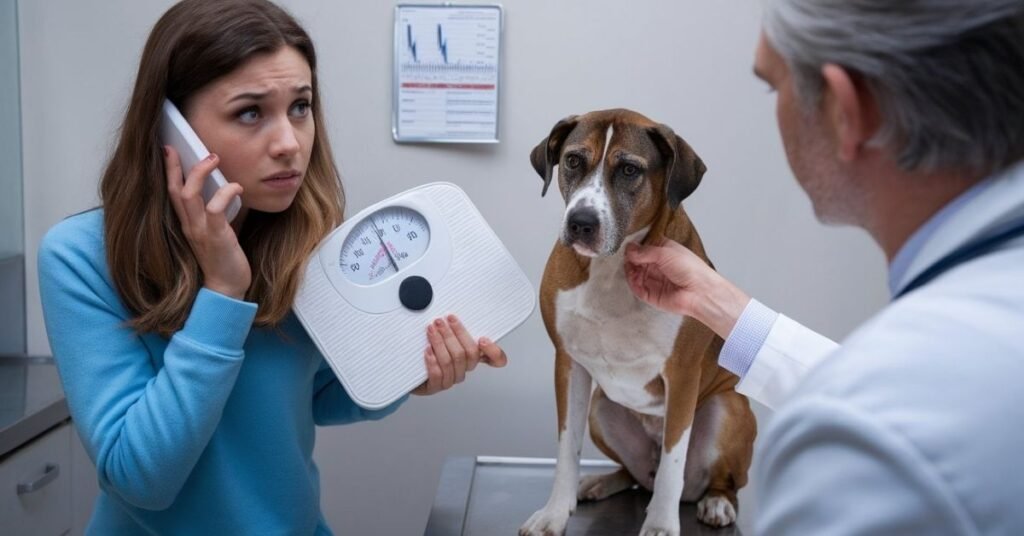
Critical signs that need immediate attention
Certain symptoms paired with weight loss require urgent evaluation. If your dog shows any of these, contact your veterinarian without delay.
- Sudden, rapid loss of body weight
- Persistent vomiting or diarrhea
- Severe lethargy or weakness
- Difficulty breathing or noticeable pain
Situations where a routine checkup is enough
Some weight loss is gradual or minor and may not be an emergency. Still, monitoring your dog and scheduling a regular vet visit ensures any underlying cause is addressed early.
- Slow, steady weight loss over weeks or months
- Minor appetite changes without other symptoms
- Occasional digestive upset that resolves quickly
- Mild behavioral changes or reduced activity
How Vets Diagnose the Cause of Dog Weight Loss
When your dog is losing weight, a veterinarian’s first step is a thorough evaluation to determine the underlying cause. Diagnosis combines a detailed medical history, physical examination, and targeted tests. Understanding the process helps owners feel more confident and prepared for potential treatment options.
Vets look for patterns in your dog’s health, appetite, behavior, and environment. They consider age, breed, recent lifestyle changes, and other subtle symptoms you may have noticed. By gathering comprehensive information, they can narrow down potential causes and recommend the most effective treatment. Early and accurate diagnosis is critical for improving your dog’s recovery and overall prognosis.

Physical exams and history evaluation
The vet starts by reviewing your dog’s complete health history and performing a physical exam. They look for clues like coat condition, body shape, and visible signs of illness. A thorough discussion about your dog’s diet, activity level, and recent changes helps identify patterns that could explain the weight loss. This step often reveals whether the cause is minor or requires further testing.
- Check weight trends and body condition
- Examine coat, skin, and eyes
- Discuss diet, appetite, and activity
- Note recent behavioral or routine changes
Tests and imaging used for diagnosis
If the physical exam and history suggest deeper issues, the vet may order lab tests or imaging. These tools help detect internal problems such as organ dysfunction, digestive disorders, or hidden infections. Accurate testing ensures that your dog receives the right treatment as quickly as possible, improving outcomes and preventing further health decline.
- Blood tests for organ function and infections
- Urine tests for kidney health and hydration
- X-rays or ultrasounds for internal abnormalities
- Fecal exams to check for parasites
Treatment for a Dog That’s Losing Weight
Once the cause of weight loss is identified, your vet will create a treatment plan tailored to your dog’s needs. Treatment may involve medication, dietary adjustments, or lifestyle changes depending on whether the issue is medical, nutritional, or behavioral. Prompt and appropriate care can help your dog regain weight and restore overall health.
Treatment also involves monitoring progress and adjusting strategies as needed. Regular follow-ups ensure that your dog responds well to therapy and that any complications are caught early. Owners play a key role in maintaining consistent care, including proper feeding, administering medication, and observing behavioral changes.

Medical treatments and medications
If weight loss is caused by illness, your vet may prescribe medications or therapies to address the underlying condition. This can include treatments for infections, organ dysfunction, hormonal imbalances, or chronic disease. The goal is to restore normal function and support healthy weight gain.
- Antibiotics or antiparasitic medications
- Hormone therapy for thyroid or adrenal issues
- Treatment for kidney, liver, or digestive disorders
- Supportive care for chronic illnesses
Diet and lifestyle adjustments
Even with medical treatment, proper nutrition is critical for recovery. Vets may recommend high-calorie diets, supplements, or changes in feeding schedules to help your dog regain weight safely. Lifestyle adjustments, such as stress reduction and controlled exercise, also support overall health.
- High-quality, calorie-rich dog food
- Smaller, frequent meals for better digestion
- Nutritional supplements recommended by vet
- Moderate exercise to maintain muscle mass
How To Prevent Your Dog From Losing Weight
Maintaining a healthy weight in dogs requires consistent attention to diet, exercise, and overall wellness. Prevention is always easier than treatment, so establishing good routines early can help avoid unexpected weight loss. Monitoring your dog’s body condition regularly ensures you notice changes before they become serious.
Preventive care also includes regular veterinary checkups, proper vaccinations, and parasite control. By combining a balanced diet with healthy lifestyle habits, you can support your dog’s metabolism and overall well-being, reducing the risk of chronic illnesses that may cause weight loss.

Proper nutrition and feeding schedules
Providing a balanced diet that matches your dog’s age, breed, and activity needs is essential for maintaining their health. Feeding on a consistent schedule helps maintain stable energy levels and body weight. Nutritional adjustments may be needed as your dog grows or activity levels change.
- Feed age- and size-appropriate dog food
- Maintain consistent meal times daily
- Ensure adequate protein and calorie intake
- Use portion control to prevent underfeeding
Exercise and regular health monitoring
Regular exercise keeps your dog fit and helps maintain muscle mass. Coupled with frequent weight checks and observation for any health changes, you can catch problems early. Even small deviations in activity or appetite can indicate a need for veterinary attention.
- Provide daily walks and playtime
- Monitor body condition score regularly
- Track appetite, water intake, and behavior
- Schedule routine vet visits for wellness checks
Prognosis – What Is the Outlook for Dogs With Weight Loss
The outlook for a dog losing weight depends largely on the underlying cause and how quickly treatment begins. Dogs with minor dietary or lifestyle-related weight loss often recover fully with proper nutrition and care. However, weight loss caused by chronic or severe illnesses may require long-term management and closer monitoring.
Early detection significantly improves the prognosis. Dogs that receive timely veterinary attention, accurate diagnosis, and appropriate treatment have a much higher chance of regaining healthy weight and maintaining overall wellness. Ongoing observation and preventive care remain important even after recovery.

Factors that affect recovery and survival
Several elements influence how well your dog recovers from weight loss. Age, breed, the severity of the underlying condition, and promptness of treatment all play a role in determining outcomes.
- Age and general health of your dog
- Severity and duration of weight loss
- Timeliness and effectiveness of treatment
- Response to dietary and lifestyle adjustments
Long-term management and monitoring
Even after weight is regained, continued monitoring is essential to prevent recurrence. Maintaining a balanced diet, regular vet visits, and observing subtle changes in behavior or energy can help sustain your dog’s health.
- Regular weight and body condition checks
- Routine vet exams and preventive care
- Consistent diet and feeding habits
- Monitor for new or recurring symptoms
Vet-Created Symptom Checker for Quick Guidance
A vet-created symptom checker can be a helpful tool for dog owners trying to understand the cause of weight loss. It allows you to input observed symptoms and receive guidance on possible issues, helping you decide whether to monitor at home or seek immediate veterinary care. While not a replacement for a professional diagnosis, it can speed up awareness and prompt timely action.
Using a symptom checker helps you track patterns in your dog’s behavior, appetite, and physical changes. Documenting these details can make veterinary visits more efficient, as you can provide the vet with a clear picture of what’s happening over time.

How to use the tool effectively
To get the most from a symptom checker, be precise and consistent with the information you provide. Include details about weight change, appetite, activity level, and any other noticeable symptoms to receive accurate guidance.
- Enter recent weight measurements and trends
- Note appetite changes and meal patterns
- Include activity and behavior observations
- Record physical symptoms like vomiting or coat changes
Limitations and when to seek in-person care
While symptom checkers are useful, they cannot replace a professional examination. If your dog shows severe or rapidly progressing symptoms, it’s critical to visit a vet immediately rather than relying solely on online guidance.
- Do not ignore rapid or unexplained weight loss
- Seek immediate care for vomiting, diarrhea, or weakness
- Use the tool as a supplement, not a diagnosis
- Follow up with your vet for confirmed treatment
Frequently Asked Questions (FAQs)
1. Why is my dog losing weight?
It can be caused by illness, parasites, stress, or dietary changes. Rapid loss should be checked by a vet.
2. How do I know if it’s serious?
Watch for lethargy, vomiting, diarrhea, dull coat, or visible ribs—these are warning signs.
3. Can diet alone fix weight loss?
Diet helps if it’s nutritional, but medical causes require veterinary treatment.
4. How long to regain weight?
Depends on the cause weeks for minor issues, months for chronic illnesses.
5. Should I monitor my dog at home?
Yes. Weigh weekly and track diet, appetite, and symptoms for your vet.
Conclusion
Weight loss in dogs is rarely just about the numbers on a scale it often signals that your dog’s body needs attention. By observing early warning signs, understanding possible causes, and seeking timely veterinary care, you can protect your pet’s health and prevent serious complications. Combining proper nutrition, routine monitoring, and preventive care ensures your dog maintains a healthy weight, strong body, and happy life. Early action is key: the sooner you address weight loss, the better the outcome for your furry companion.
