


Constipation in dogs is a common issue that can cause discomfort and worry for pet owners. It occurs when your dog has difficulty passing stool or experiences infrequent bowel movements. While occasional constipation may not be serious, persistent or severe cases can indicate underlying health problems that require attention.
Understanding why dogs get constipation, recognizing the warning signs, and knowing how to manage or prevent it are key to keeping your dog healthy and comfortable. This guide covers causes, symptoms, treatment options, and preventive measures to help you care for your dog’s digestive health effectively.
What Is Dog Constipation?
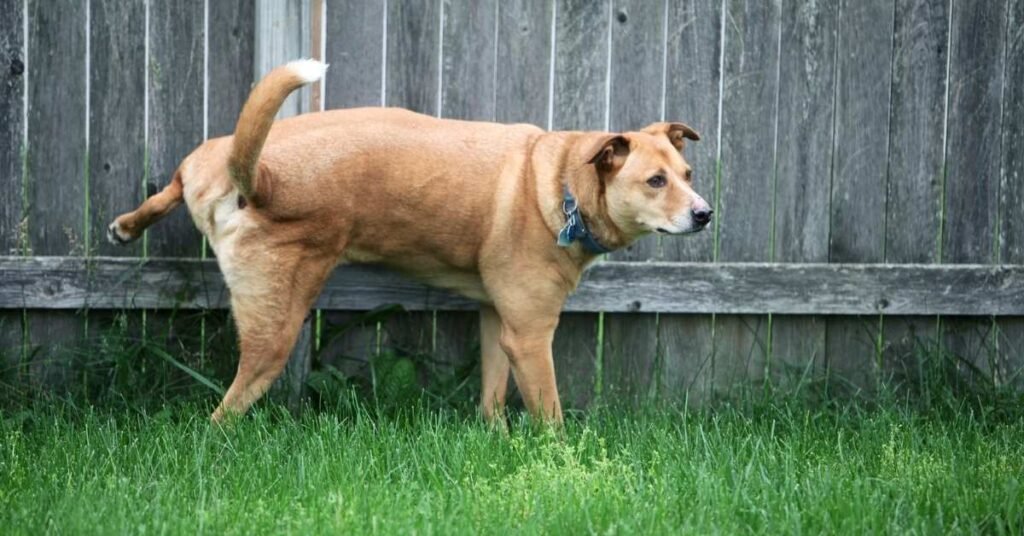
Constipation in dogs occurs when your dog has infrequent, difficult, or painful bowel movements. It’s more than just a temporary inconvenience it can indicate underlying health issues if it persists. A healthy dog typically passes stool once or twice a day, and any change in frequency, consistency, or effort required can signal constipation. Early recognition helps prevent discomfort and more serious complications.
Constipation can affect dogs of all ages and breeds. While occasional constipation might resolve on its own, persistent or chronic constipation may point to diet, hydration, mobility issues, or even underlying medical conditions. Understanding the difference between mild and chronic constipation is crucial for proper care.
Understanding Constipation in Dogs
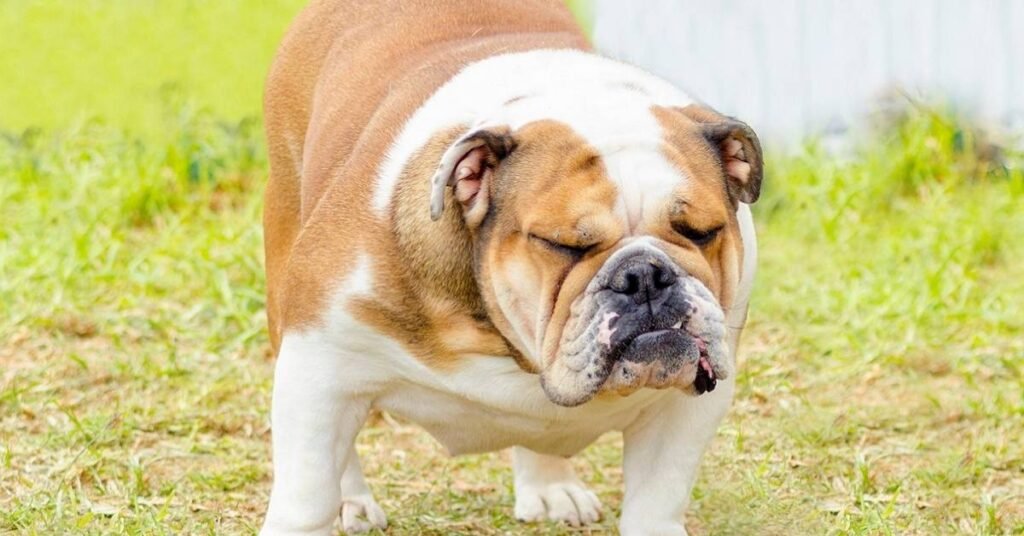
Constipation happens when stool moves too slowly through the digestive tract, becoming hard and dry. This can make bowel movements painful or even impossible without intervention. Key factors that contribute to constipation include:
- Poor diet lacking sufficient fiber
- Insufficient water intake or dehydration
- Lack of physical activity or exercise
- Certain medications or medical conditions, such as spinal problems or intestinal blockages
Understanding these causes is essential for timely treatment and long-term management
Occasional vs Chronic Constipation
Not all constipation is the same. Occasional constipation may happen due to a temporary change in diet, mild dehydration, or stress, and usually resolves on its own. Chronic constipation, however, persists for weeks or months and often signals an underlying medical problem. Chronic cases require veterinary attention to avoid complications like megacolon, fecal impaction, or bowel obstruction.
Why Do Dogs Get Constipation?
Constipation in dogs can happen for many reasons, ranging from simple dietary issues to serious medical conditions. Understanding why your dog is constipated is the first step toward effective treatment and prevention. Many dog owners are surprised to learn that lifestyle and diet often play a bigger role than underlying disease.
Identifying the cause is essential because it guides the right intervention. Some causes are easy to correct at home, while others require veterinary attention. Common contributors include poor diet, dehydration, lack of exercise, certain medications, and health problems affecting the digestive system.

Poor Diet and Low Fiber Intake
Dogs that eat a diet low in fiber may struggle to pass stool efficiently. Fiber adds bulk to the stool, helping it move through the intestines smoothly. A lack of fiber can make your dog’s stool firm and challenging to pass. Common dietary factors include:
- Feeding mainly dry kibble without added fiber
- Low intake of fruits and vegetables
- Frequent treats high in fat and low in nutrients
- Sudden diet changes that upset digestion
Adding high-fiber foods, like pumpkin or specially formulated dog food, can help regulate bowel movements and prevent constipation.
Dehydration and Insufficient Water
Not drinking enough water can dry out the stool, making bowel movements painful and infrequent. Signs of dehydration include dry gums, lethargy, and reduced urine output. Causes can include:
- Lack of access to fresh water
- Hot weather leading to fluid loss
- Illnesses causing vomiting or diarrhea
Encouraging your dog to drink water frequently and providing wet food can help keep the digestive system healthy.
Lack of Exercise or Activity
Regular physical activity stimulates normal bowel movements. Dogs that are sedentary, older, or have mobility issues may develop slower intestinal movement, which can lead to stool becoming hard and difficult to pass. Lack of exercise not only contributes to constipation but may also affect overall digestive health and metabolism. Even short daily walks or gentle play can improve digestion, encourage regular bowel movements, and maintain a healthy gut.
Medical Conditions Contributing to Constipation
Several health problems can cause constipation, including spinal injuries, intestinal blockages, tumors, or neurological disorders. Chronic constipation often signals an underlying medical issue that requires veterinary attention. Conditions such as arthritis can limit mobility, while disorders like hypothyroidism or diabetes can slow metabolism and digestion. Early diagnosis of these medical conditions is critical to prevent complications like fecal impaction or megacolon.
Medications That Can Cause Constipation
Certain medications may lead to constipation as a side effect, especially pain relievers, anti-inflammatories, and some deworming drugs. Prolonged use of these medications without dietary adjustments or hydration support can worsen constipation over time. It’s important to monitor your dog’s bowel habits and consult your veterinarian for alternative medications or supportive treatments if constipation develops.
Symptoms of Constipation in Dogs
Recognizing the symptoms of constipation in dogs early is crucial for preventing complications and ensuring your pet’s comfort. Constipation doesn’t always present as a single obvious symptom sometimes it shows as subtle changes in behavior, appetite, or stool consistency. Observing your dog closely can help you identify problems before they become serious.
Symptoms can vary depending on the severity and duration of constipation. While occasional straining may be harmless, persistent or worsening signs often indicate a need for veterinary attention. Being aware of these symptoms allows you to take timely action and protect your dog’s digestive health.
Difficulty or Painful Bowel Movements
One of the most noticeable signs of constipation is difficulty or pain during bowel movements. Dogs may strain excessively, whine, or even sit in unusual positions while trying to defecate. Some dogs may show signs of discomfort by pacing, refusing to squat, or repeatedly visiting their usual bathroom spot without success. Painful bowel movements are often the first indication that your dog is experiencing constipation and should not be ignored.
Common signs of painful bowel movements include:
- Straining or prolonged effort to defecate
- Whining, crying, or vocalizing during bowel movements
- Unusual postures or pacing before or after attempting to defecate
Hard or Small Stools
Constipated dogs often produce stools that are unusually hard, dry, or smaller than normal. This happens because the stool remains in the colon longer than it should, causing it to lose moisture and become compacted. Owners may notice that their dog’s stool looks like small, dry pellets, which can be difficult or painful to pass. Persistent hard stools are a clear sign that intervention is needed.

Straining Without Results
Some dogs repeatedly attempt to defecate but pass little or nothing. This straining can be accompanied by restlessness, discomfort, or frustration. In chronic cases, the dog may spend long periods trying to relieve itself, which can lead to stress, fatigue, and even abdominal discomfort. Straining without results often indicates impacted stool or an underlying blockage that requires veterinary care.
Signs of straining without results may include:
- Frequent visits to the usual bathroom spot
- Attempting to defecate multiple times without success
- Signs of frustration or restlessness
Loss of Appetite and Lethargy
Constipation can affect a dog’s overall well-being. Dogs experiencing prolonged constipation may show a reduced appetite, seem unusually tired, or avoid normal activities. Lethargy often accompanies digestive discomfort, as the body’s normal digestive processes are disrupted. Loss of appetite and low energy are important secondary signs that constipation may be affecting your dog’s health more broadly.
Vomiting or Abdominal Pain
Severe constipation can lead to more serious symptoms like vomiting or noticeable abdominal discomfort. The abdomen may appear bloated or tender to the touch, and the dog may whine, pace, or show signs of pain. These symptoms often indicate that stool has built up significantly in the intestines, and immediate veterinary care is necessary to prevent further complications.
When Dog Constipation Becomes a Serious Concern
While occasional constipation in dogs is often not dangerous, there are situations where it can become serious. Mild cases caused by temporary dietary changes, stress, or minor dehydration may improve with home care, but persistent or severe constipation can signal a more significant health problem that needs prompt attention.
Dog owners should pay close attention to changes in their pet’s bowel habits. Difficulty passing stool, changes in frequency, or signs of discomfort may indicate that the constipation has progressed beyond a minor issue. Recognizing these warning signs early helps prevent complications such as impacted stool, intestinal blockages, or dehydration.

Mild Constipation That Can Be Monitored at Home
Temporary constipation can occur due to minor factors like diet changes, mild dehydration, or stress. In these cases, simple supportive measures often help resolve the problem without veterinary intervention. Effective strategies include:
- Adding fiber-rich foods, such as pumpkin or green beans, to the diet
- Make sure your dog always has access to fresh, clean water.
- Encouraging regular exercise and gentle activity
If the dog shows improvement within a day or two, home care is usually sufficient, though ongoing observation is recommended to prevent recurrence.
Signs That Require Immediate Veterinary Attention
Certain symptoms indicate that constipation has escalated into a serious condition. Owners should seek veterinary care immediately if their dog exhibits:
- Severe straining with little or no stool production
- Vomiting or repeated nausea
- Swollen, firm, or painful abdomen
- Extreme lethargy or refusal to eat
- Presence of blood in stool or unusual discharge
These warning signs may point to complications like fecal impaction or intestinal obstruction, which require urgent professional treatment to prevent further health risks.
How Veterinarians Diagnose Constipation in Dogs
Diagnosing constipation in dogs requires a careful evaluation to determine the underlying cause. Veterinarians begin with a thorough physical examination and review of the dog’s medical history, diet, and daily routine. Understanding the frequency, consistency, and duration of constipation helps the vet decide whether further diagnostic tests are necessary.
Accurate diagnosis is essential because treatment depends on the root cause. While some cases can be managed with dietary changes and hydration, others may require medications or interventions for medical conditions such as intestinal blockages, neurological disorders, or spinal injuries. Early veterinary evaluation ensures safe and effective treatment.
Physical Examination and Abdominal Palpation
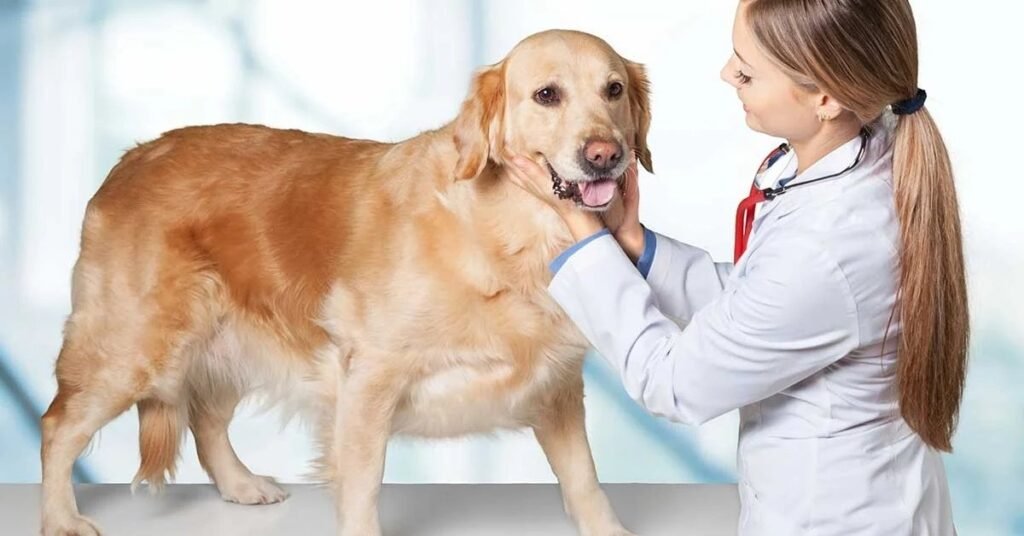
The first step in diagnosing constipation involves a hands-on assessment. The veterinarian may palpate the abdomen to feel for firm stool, blockages, or swelling. This examination can reveal whether the constipation is mild, moderate, or severe, and can also detect signs of discomfort or pain in the dog.
Diagnostic Tests: X-rays, Ultrasound, and Blood Work
In more persistent or severe cases, additional tests may be necessary to determine the underlying cause. These can include:
- X-rays to check for blockages, tumors, or abnormal colon size
- Ultrasound to evaluate the intestines and surrounding organs
- Blood tests to detect infections, dehydration, or metabolic disorders
These tests help veterinarians develop a targeted treatment plan and rule out serious conditions that could worsen if left untreated.
Identifying Underlying Health Issues
Sometimes constipation is a symptom of an underlying medical problem, such as arthritis, hypothyroidism, spinal injuries, or neurological disorders. Identifying these conditions early allows for appropriate interventions, such as pain management, medication adjustments, or surgery, ensuring long-term relief from constipation.
Treatment of Dog Constipation
Treating constipation in dogs depends on its severity and underlying cause. Mild cases can often be managed at home with dietary adjustments, hydration, and increased physical activity. More severe or chronic cases may require veterinary intervention, including medications or procedures to relieve impacted stool.
It’s important to follow a structured treatment plan tailored to your dog’s specific condition. Prompt treatment not only alleviates discomfort but also reduces the risk of complications such as fecal impaction or intestinal obstruction.

Home Remedies and Dietary Changes
For mild constipation, simple at-home strategies can be effective. Adding fiber-rich foods, like pumpkin or high-fiber dog food, helps soften stool. Ensuring your dog drinks plenty of water and encouraging daily walks can also promote regular bowel movements. Small changes in diet and activity often improve symptoms within a day or two.
Key steps for home care include:
- Adding fiber-rich foods to the diet
- Providing constant access to fresh water
- Encouraging regular daily walks or gentle play
Medications and Laxatives
If dietary changes are not enough, veterinarians may prescribe medications. Stool softeners and fiber supplements make stool easier to pass, while dog-safe laxatives can stimulate bowel movements. Probiotics may also support gut health and improve digestion. These treatments are usually short-term and should be used under veterinary guidance.
Common medications may include:
- Stool softeners or fiber supplements
- Dog-safe laxatives prescribed by a veterinarian
- Probiotics to support digestive health
Manual or Veterinary Interventions
In severe cases, the vet may need to manually remove impacted stool or use an enema. These interventions are safe when performed professionally and help relieve immediate discomfort. Afterward, monitoring your dog and adjusting diet and hydration can prevent recurrence.
Surgery When Necessary
In rare cases, surgery may be required to remove blockages or treat chronic constipation that doesn’t respond to other treatments. Post-surgery care typically includes dietary management, hydration, and monitoring bowel health.
Recovery and Long-Term Management
After a dog recovers from constipation, proper care is essential to prevent it from recurring. Recovery includes monitoring bowel movements, ensuring hydration, and maintaining a balanced diet. Early intervention during future episodes can prevent discomfort and more serious complications.
Long-term management focuses on creating healthy habits for your dog. Consistent routines for feeding, exercise, and hydration can reduce the risk of constipation. Regular check-ups with your veterinarian help identify underlying health issues early and ensure your dog’s digestive system remains healthy.
Tips for Faster Recovery
Once constipation is relieved, supporting your dog’s recovery helps restore comfort and normal bowel function. Gentle exercise, proper hydration, and a fiber-rich diet promote regularity and prevent further digestive issues.
Effective recovery strategies include:
- Encouraging short daily walks to stimulate digestion
- Maintaining adequate water intake
- Feeding fiber-rich foods like pumpkin or high-quality dog food
Preventing Recurrence Through Diet and Exercise
Maintaining a balanced diet and regular activity is key to preventing future constipation. Avoid sudden diet changes and provide high-fiber meals and snacks to keep the digestive system functioning properly.
Long-term preventive measures include:
- Providing a consistent diet with sufficient fiber
- Encouraging daily exercise appropriate for your dog’s age and mobility
- Monitoring bowel habits to detect early signs of constipation
Monitoring Your Dog’s Bowel Health
Regularly observing your dog’s bowel movements helps detect early signs of constipation. Changes in stool frequency, consistency, or effort required may indicate a developing problem. Prompt action ensures your dog remains comfortable and prevents complications.
Prevention of Dog Constipation
Preventing constipation in dogs is easier than treating it once it becomes severe. A balanced diet, proper hydration, and regular exercise are essential to keep your dog’s digestive system functioning smoothly. Establishing these habits early can significantly reduce the likelihood of constipation and improve overall health.
Long-term prevention also involves monitoring your dog’s bowel habits and being aware of potential triggers. Regular veterinary check-ups can identify health issues before they cause constipation, ensuring your dog maintains regular, comfortable bowel movements.

High-Fiber Diet and Hydration Tips
Providing a diet rich in fiber helps bulk up the stool and promotes healthy bowel movements. In addition, proper hydration ensures that stools remain soft and easy to pass. Incorporating fiber gradually and encouraging water intake helps prevent digestive upset.
Practical tips include:
- Feeding high-fiber foods such as pumpkin, green beans, or specialized dog food
- Ensuring fresh water is available at all times
- Avoiding sudden diet changes that may upset digestion
Exercise and Routine Care
Consistent physical activity helps keep the intestines moving and promotes healthy digestion. Dogs with consistent daily activity are less likely to experience constipation. Establishing a routine for feeding, bathroom breaks, and playtime helps regulate bowel habits.
Key routine practices include:
- Short daily walks or play sessions to promote movement
- Scheduled feeding times to maintain digestive rhythm
- Observing and recording bowel patterns to catch early signs of constipation
Avoiding Constipation-Causing Medications
Certain medications can contribute to constipation. Always discuss potential side effects with your veterinarian and monitor your dog’s bowel movements when starting new medications. Adjustments may be needed to prevent constipation while still addressing your dog’s health needs.
Regular Vet Check-Ups for Prevention
Routine veterinary visits help detect underlying health problems that could lead to constipation. Early diagnosis of conditions like hypothyroidism, arthritis, or intestinal issues allows for interventions before constipation becomes a recurring problem.
Conclusion
Constipation in dogs is common but manageable. Early recognition, proper diet, hydration, and regular exercise can prevent discomfort and complications. Severe or persistent cases require veterinary care to address underlying issues.
Maintaining healthy habits and routine check-ups helps keep your dog’s digestive system regular, ensuring comfort and overall well-being.
