

How Parvo Spreads in Adult Dogs
Parvo spreads through contaminated feces, surfaces, soil, toys, bowls, and even human shoes. The virus survives for months, making it extremely easy for adult dogs to pick it up during walks, at dog parks, grooming salons, or boarding facilities.
Once inside the dog’s body, the virus targets the intestines and immune cells. This makes the dog vulnerable to dehydration, bacterial infections, and rapid health decline. Adult dogs often pick up the virus simply because they explore more places than puppies.
Common Ways Adult Dogs Get Parvo
Parvo spreads in more ways than most dog owners realize. Below are the most frequent sources of infection that adult dogs encounter during everyday activities.
- Contaminated soil or grass — especially in public parks.
- Contact with infected dogs, even if symptoms are not visible.
- Shared bowls, leashes, toys, or beds in multi-dog homes or shelters.
- Carrying the virus indoors through shoes or clothes after visiting public places.
Why Unvaccinated Adults Are at the Highest Risk
Unvaccinated adult dogs are far more likely to suffer severe complications from parvo. Their bodies lack the antibodies needed to stop the virus quickly, which allows parvo to spread aggressively through the system.
Many owners assume their dog is safe simply because it is older, but immunity weakens slowly when boosters are missed. Even a strong-looking adult dog can collapse within days if the virus spreads unchecked.
Major Reasons Unvaccinated Adults Get Severe Parvo
Understanding why unvaccinated dogs react more severely helps owners take prevention seriously. These are the factors that make the infection harder to control in adult dogs.
- Weak immunity allows the virus to spread uncontrollably.
- No antibodies to fight off the infection quickly.
- Higher chance of hospitalization due to rapid organ damage.
- Delayed detection, because owners don’t expect adults to get parvo.
Symptoms of Parvo in Adult Dogs
Adult dogs usually show symptoms slightly differently than puppies, but the warning signs are still serious and require immediate attention. The virus attacks the intestines and immune system, which leads to rapid dehydration and internal damage. Even a healthy adult may begin acting strange just hours before symptoms worsen dramatically.
Because adult dogs can sometimes mask their illness, owners often mistake the early signs for simple stomach issues. This delay allows the virus to spread faster, making the situation more dangerous. Recognizing symptoms early increases the chances of survival.
Early Symptoms You May Notice First
These signs often appear quietly in the beginning, so owners should watch closely if their adult dog seems “off.”
- Sudden tiredness or unusual weakness, even during normal activities.
- Loss of appetite, refusing regular meals or treats.
- Mild vomiting, often dismissed as something harmless.
Severe Symptoms That Require Urgent Care
Once the virus has spread, symptoms escalate quickly. Before listing them, remember that any sudden digestive symptom paired with weakness needs a vet visit immediately.
- Bloody or foul-smelling diarrhea, a signature sign of parvo.
- Repeated vomiting, often yellow or clear.
- Extreme dehydration, visible through dry gums and sunken eyes.
- Rapid weight loss, even within 24–48 hours.
- High or low fever, depending on immune response.
Quick Symptom Comparison Table
| Stage | Symptoms | Severity |
| Early Stage | Low energy, loss of appetite, mild vomiting | Moderate |
| Middle Stage | Diarrhea, repeated vomiting, dehydration | High |
| Advanced Stage | Bloody diarrhea, collapse, severe dehydration | Critical |
How Vets Diagnose Parvo in Adult Dogs
Diagnosing parvo quickly is essential, especially for adult dogs whose symptoms may appear less dramatic at first. Most veterinarians use a fast in-clinic test that detects viral particles within minutes. Early diagnosis gives dogs a much better chance of survival, especially if treatment starts before dehydration progresses.
Even when symptoms appear mild, vets take adult dog cases seriously because their immune systems can crash suddenly. Blood tests and fecal tests help determine how severe the infection is and whether hospitalization is necessary.
Common Testing Methods Used by Vets
Before listing the tests, it’s important to note that these methods are fast and usually performed the same day you bring your dog in.
- ELISA test — A quick swab test that identifies parvo in minutes.
- PCR test — A more sensitive lab test used for unclear or early cases.
- Bloodwork — Checks dehydration, white blood cell levels, and organ damage.
- Fecal exam — Helps rule out parasites or alternative causes of symptoms.
Why Early Diagnosis Matters
A fast diagnosis helps vets begin fluid therapy and control vomiting before the dog becomes critically dehydrated.
- Higher survival rate when treatment starts early.
- Lower cost since dogs may not need intensive hospitalization.
- Better monitoring of immune response and complications.
Treatment Options for Adult Dogs With Parvo
Treating parvo in adult dogs requires fast action because the virus causes severe dehydration and weakens the immune system quickly. There is no direct medicine that kills parvovirus, so treatment focuses on controlling symptoms and supporting the dog’s body until it can fight off the infection. Adult dogs often recover faster than puppies, but only if they receive proper medical care immediately.
Hospitalization is often recommended because dogs need constant fluids, antibiotics, and monitoring. Without supportive treatment, parvo can become fatal within just a couple of days. With timely care, the survival chances increase significantly.
Core Treatments Used by Veterinarians
These are the essential treatments vets give to stabilize the dog and prevent complications. Each one plays a critical role in helping the dog recover safely.
- IV fluids to fix dehydration and maintain organ function.
- Antibiotics to prevent or treat secondary bacterial infections.
- Anti-nausea medication to control vomiting and help dogs keep down fluids.
- Pain relief to reduce abdominal discomfort caused by intestinal damage.
- Nutritional support once vomiting reduces and the dog can digest food again.
Home Care After Veterinary Treatment
Once the dog improves enough to return home, owners must continue the recovery process. The home environment greatly influences how quickly an adult dog regains strength.
Before listing the aftercare steps, remember: consistency is key — missing even one care routine can slow recovery.
- Provide small, frequent meals that are gentle on the stomach.
- Ensure constant access to clean water, encouraging hydration.
- Follow vet instructions exactly, especially medication timings.
- Keep the dog isolated from other pets until fully recovered.
- Sanitize the environment to prevent reinfection or spreading the virus.
Treatment Cost Table
| Treatment Type | Estimated Cost | Notes |
| Hospitalization | $1,000–$5,000 | Depends on severity and length of stay |
| Outpatient treatment | $300–$1,000 | Only for mild or early cases |
| Diagnostic tests | $50–$200 | ELISA + bloodwork |
| Medications | $50–$300 | Anti-nausea, antibiotics, pain relief |
Can Vaccinated Dogs Still Get Parvo?
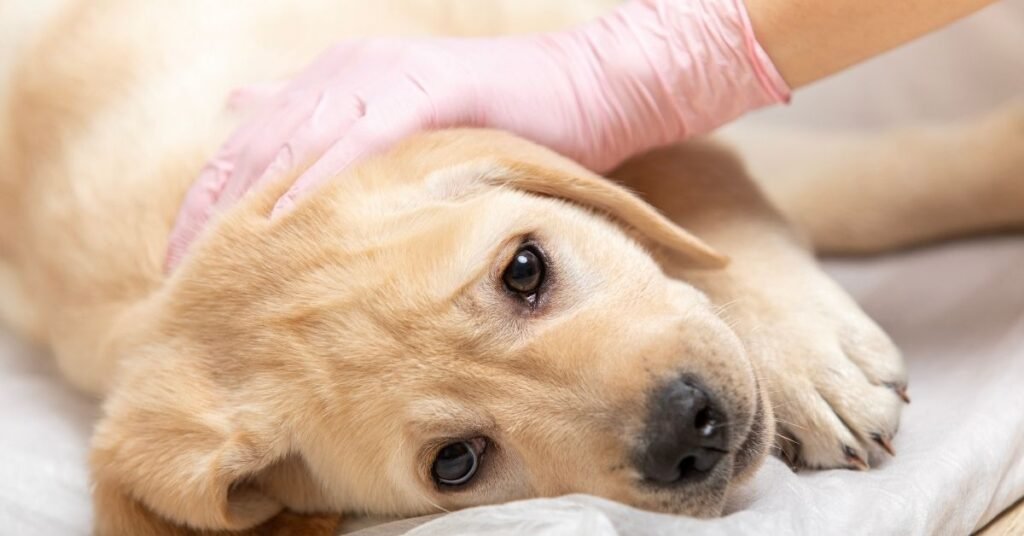
Vaccinated adult dogs have strong protection against parvovirus, but no vaccine is 100% perfect. In some rare cases, a vaccinated dog may develop a mild form of parvo, especially if its immunity has weakened due to stress, illness, age, or long gaps between booster shots. These breakthrough infections are usually less severe and easier to treat.
It’s important to understand that vaccines dramatically reduce the risk of severe disease. Even if a vaccinated dog gets infected, the virus typically causes milder symptoms and shorter illness. This difference often saves lives and prevents long hospitalization.
Why Vaccinated Dogs Might Still Get Mild Parvo
Breakthrough infections mostly happen when immunity has dropped. Before listing the causes, remember that staying consistent with boosters helps avoid these rare cases.
- Missed booster shots causing lower immunity protection.
- Underlying illnesses that weaken the immune system.
- High exposure levels, such as walking in heavily contaminated areas.
- Genetic factors, where some dogs respond less strongly to vaccines.
Signs of Parvo in Vaccinated Dogs
Symptoms are usually less intense, but owners should still be alert. Mild cases can worsen quickly if ignored.
Here’s what to look for:
- Soft or loose stools, sometimes without blood.
- Tiredness, but not as extreme as unvaccinated cases.
- Mild vomiting, often less frequent.
- Reduced appetite, but not complete refusal.
Vaccination Effectiveness Table
| Status | Risk Level | Severity If Infected |
| Fully vaccinated | Very Low | Mild to moderate |
| Partially vaccinated | Medium | Moderate to severe |
| Unvaccinated | Very High | Severe to critical |
How Parvo Affects the Body of an Adult Dog
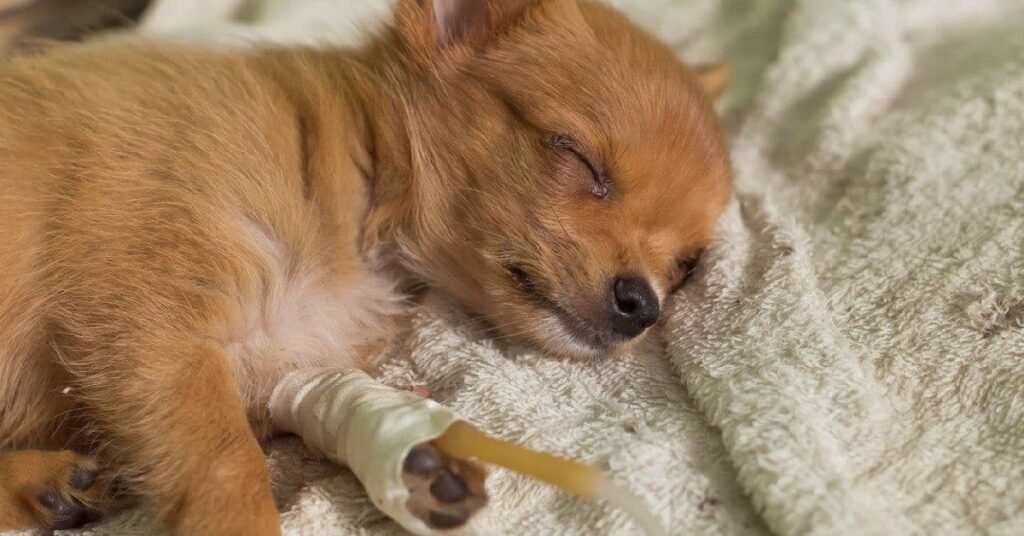
Once parvovirus enters an adult dog’s system, it attacks rapidly dividing cells, especially in the intestines and bone marrow. The virus destroys the intestinal villi, tiny projections responsible for nutrient absorption. This makes it difficult for the dog to process food and water, leading to severe dehydration and nutrient deficiencies.
The immune system is also compromised as white blood cells are reduced. This suppression leaves the dog vulnerable to secondary bacterial infections, which can escalate the illness. Even adult dogs with stronger immunity can experience a sudden decline if the virus multiplies quickly.
Key Body Systems Impacted by Parvo
Parvo doesn’t just affect digestion. It weakens multiple systems in the body, which explains why the illness can be so dangerous.
Before listing the impacts, remember: these effects often overlap and worsen each other, increasing the risk of complications.
- Digestive System — Causes vomiting, bloody diarrhea, and loss of nutrient absorption.
- Immune System — Reduces white blood cells, making the dog prone to other infections.
- Cardiovascular System — Dehydration can cause low blood pressure and shock.
- Energy Levels & Muscles — Weakness from malnutrition and dehydration.
How Adults May Differ From Puppies
While puppies often show sudden severe symptoms, adult dogs may show milder early signs but can still deteriorate rapidly. Adults may initially have:
- Low energy or mild lethargy
- Slight vomiting or diarrhea
- Appetite loss
However, these mild signs can quickly escalate into severe dehydration or collapse without immediate treatment.
How Long Parvo Survives & How Adult Dogs Get Exposed
Parvovirus is extremely resilient. It can survive in soil, carpets, clothes, and shoes for months, making exposure easy for adult dogs. Even indoor dogs are not completely safe if the virus is carried into the home via contaminated surfaces or objects.
Adult dogs face higher exposure risk than many puppies because they are more active outdoors. Parks, grooming salons, pet stores, and public areas often harbor the virus, even if no visibly sick dogs are present.
Common Exposure Sources
Before listing the sources, it’s important to note that adult dogs don’t need to touch an infected dog directly to get parvo. The virus can attach to and travel on various surfaces, spreading without direct contact with other dogs.
- Contaminated soil or grass — especially in parks or walking trails
- Public surfaces — floors, benches, or grooming tables
- Shared items — bowls, leashes, bedding, or toys
- Humans carrying the virus — via shoes, clothes, or hands
High-Risk Places for Adult Dogs
| Place | Risk Level | Reason |
| Dog Parks | Very High | Heavy dog traffic and contaminated soil |
| Grooming Salons | High | Shared equipment and close contact |
| Boarding/Kennels | High | Multiple dogs, possible exposure to unvaccinated dogs |
| Pet Stores | Medium | Contaminated surfaces from previous visits |
| Home | Low–Medium | Risk if contaminated shoes, bedding, or toys are introduced |
Treatment Options for Adult Dogs With Parvo
Once an adult dog is diagnosed with parvo, immediate veterinary treatment is critical. There is no direct antiviral cure, so treatment focuses on supportive care to manage dehydration, restore electrolytes, and prevent secondary infections. Early intervention dramatically improves survival chances, especially in adult dogs with weaker immunity or underlying health issues.
Hospitalization is often required for adult dogs, though some mild cases may allow for partial home recovery under strict veterinary supervision. Treatment plans are tailored based on the dog’s age, overall health, and severity of infection.
Veterinary Hospital Care
Before listing the treatments, it’s important to understand that hospital care focuses on keeping the dog stable while the immune system fights the virus.
- Intravenous (IV) fluids — Helps restore hydration and balance essential electrolytes lost due to vomiting and diarrhea.
- Electrolyte therapy — Corrects dangerous imbalances caused by diarrhea and vomiting.
- Antibiotics — Prevent secondary bacterial infections while the immune system is compromised.
- Anti-nausea medications — Helps reduce vomiting and improve fluid intake.
- Pain management — Ensures the dog remains comfortable during treatment.
Home Care for Adult Dogs (With Vet Approval)
After hospital discharge or in very mild cases, adult dogs may continue recovery at home. Home care requires strict adherence to veterinary instructions to prevent relapse or complications.
Before the bullet points, remember: home care is complementary, not a replacement for professional treatment.
- Monitor hydration — Encourage small, frequent water intake or vet-approved electrolyte solutions.
- Provide a bland diet — Boiled chicken and rice or other vet-recommended foods.
- Medication adherence — Administer all prescribed medications exactly as directed.
- Isolation — Keep the dog separate from other pets to prevent virus spread.
- Monitor for complications — Watch for worsening diarrhea, vomiting, or lethargy.
Natural Ways to Support an Adult Dog’s Recovery

While veterinary care is essential, certain natural strategies can help adult dogs recover more comfortably. These methods support hydration, energy, and immune function but should always be done under vet guidance.
Even mild support at home can improve recovery speed, reduce stress, and prevent secondary infections.
Key Natural Support Measures
Before using natural methods, always discuss with your vet to ensure safety.
- Hydration support — Offer frequent small sips of water or vet-recommended electrolyte solutions.
- Bland, easily digestible food — Gradually reintroduce nutrition to prevent further intestinal upset.
- Blood sugar monitoring — Small meals throughout the day help prevent hypoglycemia.
- Vet-approved supplements or herbal support — Certain immune-supporting supplements may help, but only under veterinary approval.
- Clean environment — Regularly disinfect food bowls, bedding, and living spaces to reduce infection risk.
Does Vaccination Protect Adult Dogs From Parvo?
Vaccination is the most effective protection against parvovirus, even for adult dogs. Puppies receive a series of vaccines, and adults require regular boosters to maintain immunity. Skipping boosters or delaying shots increases vulnerability to infection.
It’s important to note that no vaccine is 100% foolproof. Rarely, vaccinated adults may develop a mild form of parvo if their immunity wanes, but symptoms are usually less severe and recovery is faster.
Why Boosters Matter
Vaccines stimulate the immune system to produce antibodies. Over time, these antibodies can decrease, making adult dogs susceptible again.
- Maintain strong immunity — Regular boosters ensure protection against parvo.
- Reduce severity of infection — If an adult dog does get infected, symptoms are often milder.
- Protect other dogs — Prevents adult dogs from acting as carriers in the environment.
How to Prevent Parvo in Adult Dogs
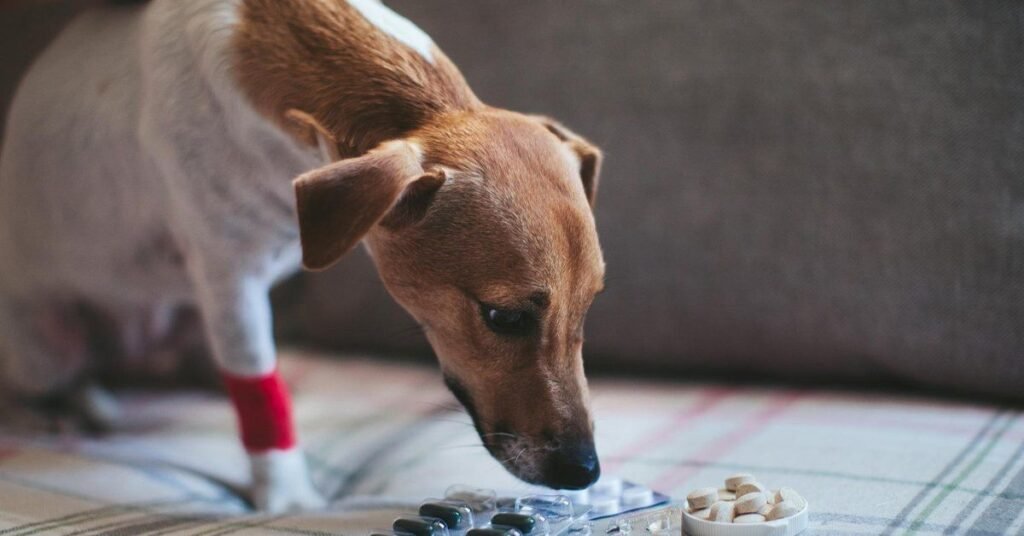
Preventing parvo in adult dogs requires a combination of vaccination, hygiene, and careful monitoring of the environment. Even healthy adults can contract the virus if exposed to contaminated areas or objects. Prevention is always easier and safer than treating a full-blown infection.
Adult dogs that receive regular boosters and avoid high-risk areas have a much lower chance of infection. Simple precautions at home and during walks can make a significant difference.
Key Prevention Strategies
Before listing, note that prevention involves both immunity and minimizing exposure.
- Follow a complete vaccination schedule — Keep boosters current to maintain strong immunity.
- Safe outdoor practices — Avoid areas with unknown dog feces, especially parks and shelters.
- Proper hygiene — Wash hands, disinfect shoes, leashes, bowls, and bedding regularly.
- Limit contact with unfamiliar dogs — Only socialize adult dogs with vaccinated or known healthy dogs.
- Monitor your dog — Watch for early signs of illness and act immediately if symptoms appear.
How to Travel Safely With an Adult Dog During Parvo Season
Travel increases the risk of parvo exposure for adult dogs, particularly during outbreaks. Dogs may encounter unfamiliar environments, surfaces, and other pets. Proper preparation ensures that travel does not compromise their health.
Even brief contact with contaminated surfaces can transmit parvo, so preventive measures are crucial. Planning ahead reduces stress for both the dog and owner.
Travel Safety Tips
Before the bullet points, remember: vigilance during travel protects both your dog and others.
- Check vaccination status — Ensure all boosters, including parvo, are up-to-date.
- Avoid high-risk areas — Stay away from dog parks, shelters, or boarding kennels during outbreaks.
- Use clean crates and carriers — Disinfect before and after travel.
- Bring personal items — Food bowls, toys, and bedding should not be shared.
- Monitor your dog closely — Watch for early signs like lethargy, vomiting, or diarrhea.
- Plan emergency vet access — Know veterinary clinics along your route in case of illness.
Common Myths About Adult Dogs and Parvo
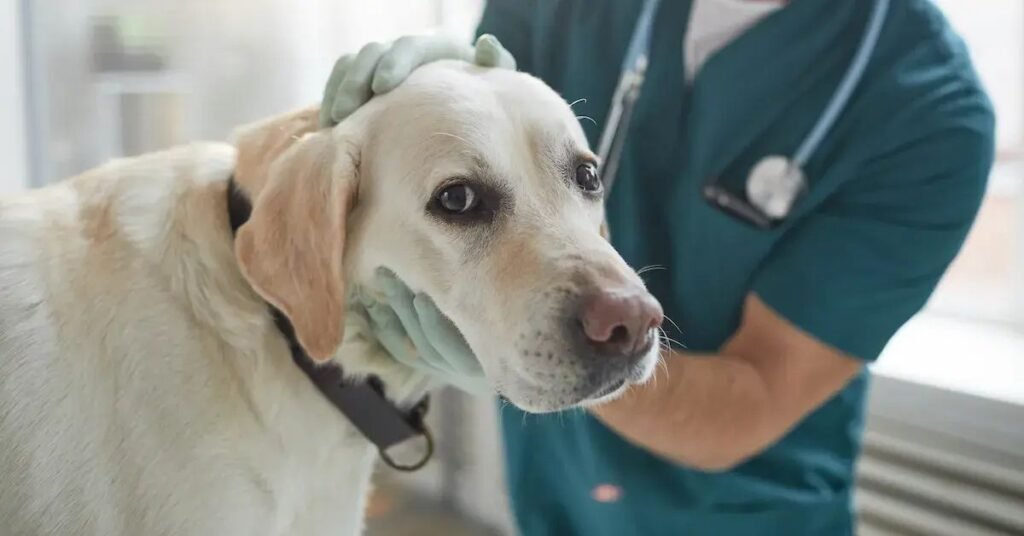
Many dog owners misunderstand parvo, especially in adult dogs. Myths can lead to dangerous assumptions, delayed treatment, or skipped vaccinations. Understanding the truth helps protect adult dogs effectively.
Even experienced dog owners sometimes believe only puppies are at risk, which is false. Parvo can infect any dog whose immunity is insufficient.
Debunking Parvo Myths
Before the bullet points, consider this: false beliefs about parvo often result in preventable infections.
- “Only puppies get parvo” — Adult dogs can also get infected, especially if unvaccinated.
- “Vaccinated adults are fully safe” — Boosters are necessary; immunity can wane over time.
- “Indoor dogs are safe” — Parvo can be carried on shoes, clothes, and objects.
- “Normal cleaners kill parvo” — Only strong disinfectants like diluted bleach are effective.
- “Home remedies alone can cure parvo” — Veterinary care is essential; natural remedies are supportive only.
Long-Term Recovery for Adult Dogs After Parvo
Even after surviving parvo, adult dogs may require weeks to fully recover. The intestines and immune system take time to heal, and careful reintroduction of food is necessary to avoid relapse. Monitoring for lingering symptoms ensures a smooth recovery.
Recovery may also involve adjusting activity levels, gradually increasing exercise, and ensuring continued hydration and nutrition. Follow-up veterinary visits help monitor gut health and overall immunity.
Key Recovery Measures
Before bullet points: these strategies support complete healing and prevent long-term complications.
- Gradual diet reintroduction — Start with bland meals, gradually returning to normal food.
- Monitor energy and appetite — Ensure the dog is regaining strength and weight steadily.
- Continue vaccinations — Boosters post-recovery strengthen immunity for life.
- Maintain a clean environment — Reduces risk of reinfection from lingering virus.
- Regular vet check-ups — Monitor gut health, organ function, and overall recovery progres
When to See a Vet Immediately
Parvo can become life-threatening very quickly, even in adult dogs. Early veterinary intervention dramatically increases survival chances. Owners should act fast if any concerning signs appear, rather than waiting to see if the dog “gets better on its own.”
Even mild symptoms can escalate in hours, so timely medical attention is critical for adult dogs.
Red-Flag Symptoms Requiring Immediate Vet Care
Before the bullet points, remember: parvo progresses rapidly, and delays can be fatal.
- Persistent vomiting or diarrhea, especially if bloody or foul-smelling.
- Extreme lethargy or collapse — inability to stand or move normally.
- Pale or gray gums, indicating severe dehydration or shock.
- Rapid breathing or labored breathing — a sign of systemic distress.
- Sunken eyes or dry mouth, clear signs of dehydration.
FAQS
Understanding parvo fully helps owners take the right preventive and recovery measures. Here are the most common questions dog owners have.
Can parvo survive in dry environments?
Yes. Parvovirus is extremely resilient and can survive for months on soil, carpets, or other surfaces. Normal cleaning won’t eliminate it; only strong disinfectants like diluted bleach are effective.
How long does a dog shed parvo after recovery?
Adult dogs can shed the virus in feces for up to 6 weeks, even if symptoms are gone. Isolation and careful hygiene are essential to protect other dogs.
Can adult dogs pass parvo to puppies?
Yes. Adult dogs carrying the virus can infect unvaccinated puppies through contaminated feces or objects, even without showing severe symptoms themselves.
Are certain breeds more susceptible?
Some breeds, including Rottweilers, Dobermans, and American Staffordshire Terriers, may have higher susceptibility. Genetics, immune system strength, and vaccination status all play a role.
Can environmental cleaning alone prevent parvo?
No. Cleaning reduces risk, but vaccination, quarantine of sick dogs, and proper disinfecting together are needed for full protection.
Final Thoughts
Adult dogs can get parvo, and the risk is real even for strong, healthy pets. Puppies are not the only group at risk. Vaccination, hygiene, and prompt veterinary care remain the most effective ways to protect dogs at every age.
Early recognition of symptoms, quick treatment, and supportive recovery strategies can save lives. With proper care, adult dogs can recover fully and live long, healthy lives. Staying vigilant, following booster schedules, and preventing exposure are the best ways to keep your dog safe from parvo.
Disclaimer:
This article is for informational and educational purposes only. It is not a substitute for professional veterinary advice, diagnosis, or treatment. If you suspect your dog may have parvo or is showing any symptoms of illness, contact a licensed veterinarian immediately. Never delay seeking medical help because of something you have read online
