

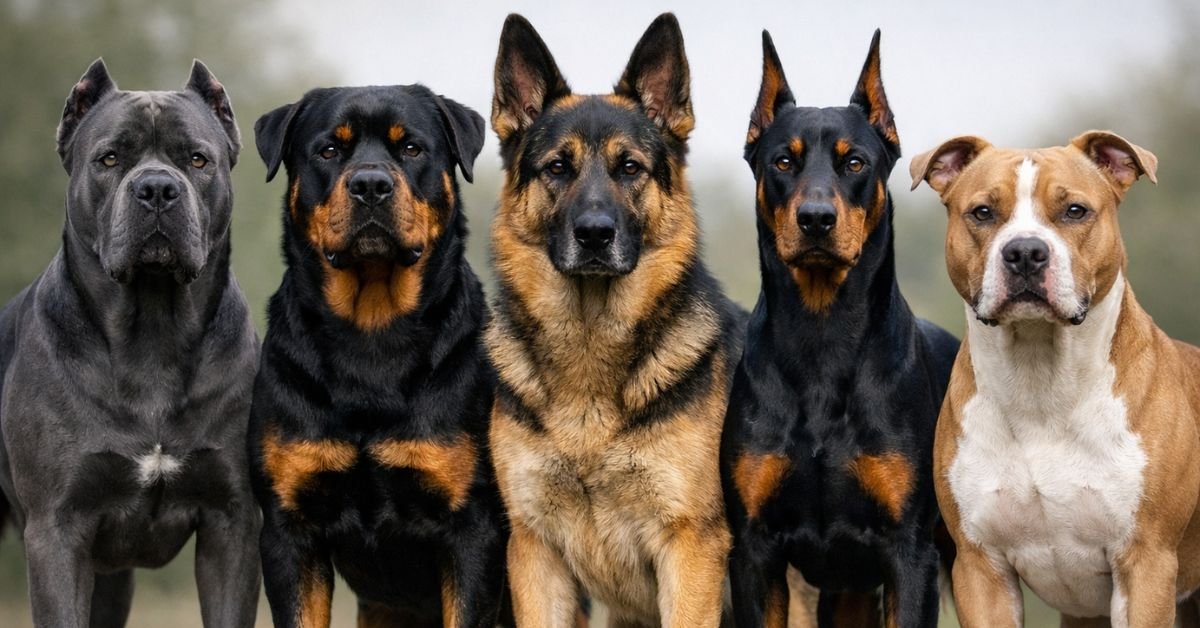
Most dangerous dog breeds protect homes, assist law enforcement, and provide loyal companionship to millions of families around the world. However, some breeds possess greater physical strength, stronger protective instincts, and higher prey drives than others. When owners fail to manage these traits responsibly, the risk of severe injury or aggressive incidents can increase.
Understanding the science behind dog aggression, bite force, and behavioral triggers allows owners to make informed decisions and maintain safe environments for both humans and pets.
This guide explores the most dangerous dog breeds, dog-bite statistics, early warning signs of aggression, and practical safety strategies grounded in behavioral science and real-world data.
Understanding Dog Aggression: It’s More Than Just Breed
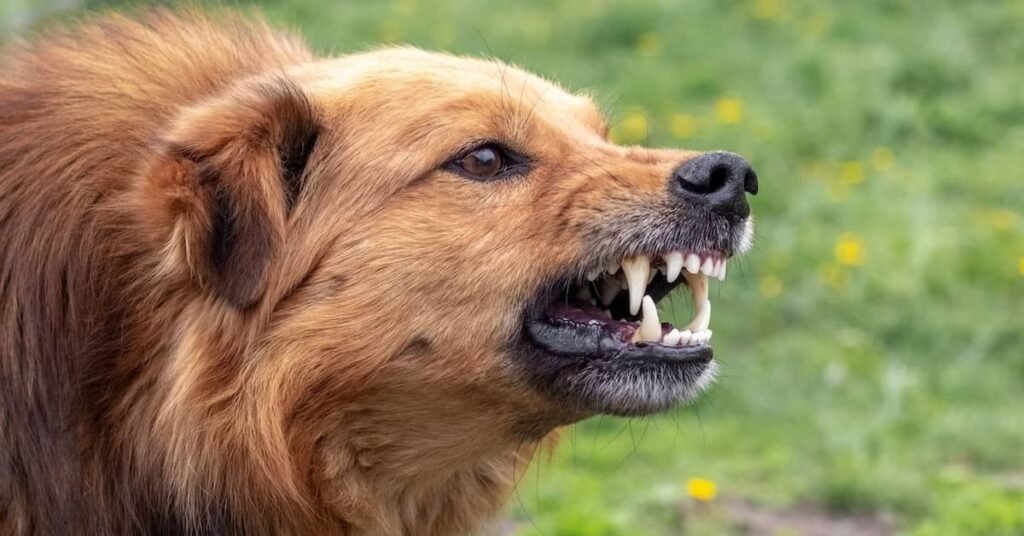
Many online discussions label certain breeds as “dangerous,” but this oversimplification ignores the complex factors that influence canine behavior. Aggression rarely comes from breed alone. Instead, it results from a combination of capability and probability.
Capability Factors
Some breeds possess physical characteristics that can increase the potential damage during an attack. These include:
- Body size and muscle mass
- Bite force strength is measured in PSI (pounds per square inch)
- Jaw structure and grip style
- Endurance and stamina
Large working breeds often score higher in these physical capability factors.
Behavioral Probability Factors
Other factors influence the likelihood that a dog may show aggressive behavior. Most dangerous dog breeds
behavior:
- Poor socialization during the puppy socialization window
- Fear-based reactions
- Territorial instincts
- High prey drive
- Stressful environments
- Lack of training or discipline
When high capability combines with behavioral triggers, the risk of severe incidents increases.
For example, a Chihuahua may bite frequently, but its small size rarely causes severe injuries. A powerful guarding breed may bite less often, Most dangerous dog breeds
but its physical strength can result in far more serious trauma.
This distinction explains why responsible ownership plays such a crucial role in preventing dangerous situations.
The Top 5 Most Powerful Dog Breeds by Bite Force and Drive
Instead of simply listing “dangerous breeds,” canine behavior experts often evaluate risk using a Risk Quotient Scale (1–10). This model combines three key variables:
- Bite Force (PSI)
- Prey Drive
- Reactivity Level
Higher scores indicate greater potential risk if owners fail to manage the dog properly.
| Dog Breed | Average Bite Force (PSI) | Prey Drive | Reactivity Level | Risk Quotient |
| American Pit Bull Terrier | ~235 PSI | High | Moderate | 8 |
| Rottweiler | ~328 PSI | Moderate | High | 9 |
| German Shepherd | ~238 PSI | High | Moderate | 8 |
| Cane Corso | ~700 PSI | High | High | 10 |
| Doberman Pinscher | ~245 PSI | Moderate | Moderate | 7 |
1. Cane Corso
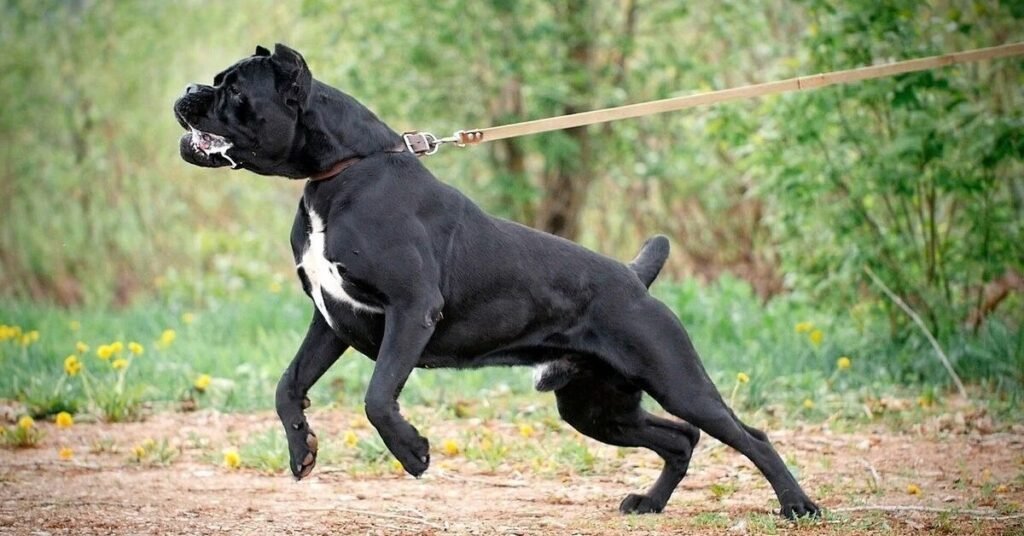
The Cane Corso ranks among the strongest biting dog breeds in the world. Breeders originally developed this Italian mastiff for guarding farms and livestock. The breed displays exceptional loyalty and protective instincts.
Without early socialization, and Most dangerous dog breeds
With consistent training, the Cane Corso’s teMost dangerous dog breeds
rritorial instincts can escalate into aggressive behavior toward strangers.
2. Rottweiler
Rottweilers possess powerful jaws, muscular bodies, and strong guarding instincts. Historically, people used them as cattle-driving and protection dogs.
Responsible breeders focus heavily on temperament and socialization, but poorly trained Rottweilers can become overly protective or reactive.
3. German Shepherd
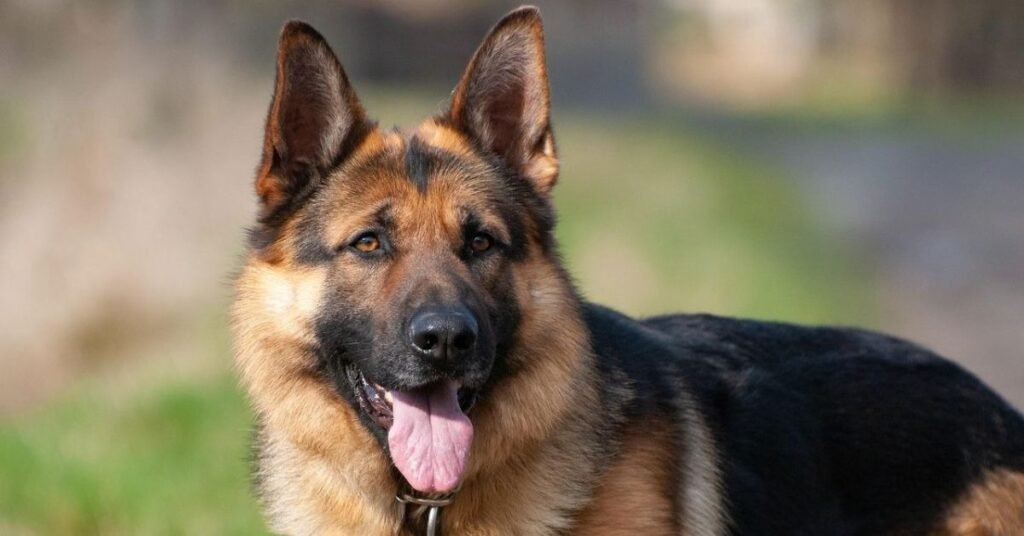
Police departments and military units frequently rely on German Shepherds because of their intelligence, courage, and trainability. These dogs excel at obedience training and problem-solving tasks.
However, German Shepherds require regular exercise, structured routines, and mental stimulation. Without these elements, behavioral problems may develop.
4. American Pit Bull Terrier
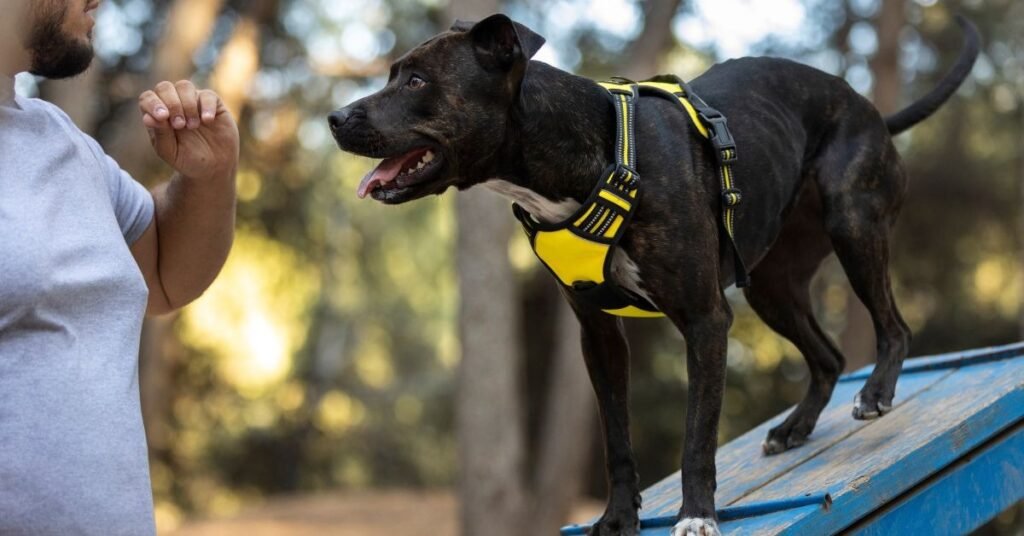
Pit Bulls often appear in discussions about aggressive dogs because of their strength and determination. In reality, responsible owners frequently raise stable, affectionate family companions.
Training, socialization, and responsible breeding play major roles in shaping a Pit Bull’s temperament.
5. Doberman Pinscher
Dobermans are famous for their loyalty and protective instincts. They form strong bonds with their owners and often serve as reliable guard dogs.
With proper training and early exposure to people and environments, Dobermans can become calm and affectionate family pets.
2026 Dog Bite Statistics: What the Data Actually Says
Dog bite statistics reveal an important distinction between the frequency of bites and the severity of injuries.
Small breeds often bite more frequently, but large, powerful breeds typically cause the most severe injuries because of their bite strength and physical size.
Reported Dog Bite Statistics
| Category | Key Insight |
| Annual U.S. dog bites | ~4.5 million incidents |
| Severe injuries requiring medical treatment | ~800,000 |
| Fatal attacks per year | 30–50 cases |
| Most frequent bites | Small and medium breeds |
| Most severe injuries | Large powerful breeds |
Why Large Breeds Cause More Severe Injuries
Large dogs can generate extremely high bite pressure, often exceeding 300 PSI. This level of force can:
- Break bones
- Cause deep tissue trauma
- Sever arteries
- Lead to serious infections
Despite these statistics, research consistently shows that poor training, neglect, and irresponsible ownership contribute heavily to severe dog attacks.
Proper training and supervision dramatically reduce risk.
How to Identify Early Signs of Aggression in High-Risk Breeds
Dogs rarely attack without warning. Most dogs display subtle signals before escalating to aggressive behavior. These signals form part of the Canine Ladder of Aggression, a sequence that describes how tension builds.
The Canine Ladder of Aggression
- Yawning or lip licking
- Turning the head away
- Stiff body posture
- Growling
- Snapping
- Lunging or biting
Owners who recognize these early warning signs can often de-escalate the situation before it becomes dangerous.
Common Warning Signs
Some behavioral signals indicate that a dog feels stressed or threatened:
- Whale eye (showing the whites of the eyes)
- Stiff tail or rigid body posture
- Raised hackles along the back
- Prolonged staring
- Low growling or snarling
Understanding these signals helps prevent many dog bite incidents.
Play Bow vs. Pre-Attack Posture
| Behavior | Meaning |
| Play bow (front legs down, tail wagging) | Friendly play invitation |
| Stiff posture with forward lean | Possible aggressive intent |
| Relaxed wagging tail | Comfortable and calm dog |
| High rigid tail | Alert or defensive state |
Recognizing these subtle differences allows owners to intervene before tension escalates.
Breed-Specific Legislation (BSL) and Your Legal Responsibilities
Many cities and countries regulate certain dog breeds through Breed-Specific Legislation (BSL). These laws aim to reduce attacks by restricting ownership of certain breeds considered high-risk.
Common BSL Requirements
Depending on the location, owners may face rules such as:
- Mandatory muzzles in public spaces
- Special ownership permits
- Higher homeowner’s insurance requirements
- Liability coverage for injuries
- Breed bans in some municipalities
Legal Liability for Dog Owners
Dog owners may face serious consequences if their pets injure someone. Possible legal outcomes include:
- Civil lawsuits for damages
- Medical compensation claims
- Criminal charges in severe cases
- Mandatory euthanasia orders for the dog
Insurance companies sometimes classify certain breeds as high-risk dogs, which may increase premiums or lead to policy restrictions.
Understanding local laws helps owners avoid unexpected legal problems.
Safety First: Tips for Living With Powerful Breeds
Owning a powerful dog requires responsibility, training, and proper supervision.
Essential Safety Practices

1. Start Socialization Early
Expose puppies to people, animals, and new environments during the 8–16 week socialization window. Early exposure helps prevent fear-based aggression later in life.
2. Provide Structured Training
Teach essential obedience commands such as:
- Sit
- Stay
- Leave it
- Recall
Consistent training establishes clear communication between dog and owner.
3. Manage Environmental Triggers
Avoid situations that can provoke aggressive behavior, including:
- Overcrowded dog parks
- Resource guarding scenarios
- Unsupervised interactions with children
4. Use the “3-Second Rule”
When two dogs greet each other:
- Allow three seconds of sniffing
- Call your dog away
- Prevent tension from escalating
This technique prevents overstimulation during first encounters.
5. Maintain Physical and Mental Exercise
Working breeds require significant activity. Owners should provide:
- Daily physical exercise
- Obedience training sessions
- Puzzle toys and mental challenges
- Consistent routines
Bored or under-stimulated dogs often develop behavioral issues.
Environmental Triggers in Guarding Breeds (Case Study)
A 12-month observation study conducted at a canine behavior facility analyzed aggression triggers in guarding breeds.
Key Findings
| Trigger | Percentage of Incidents |
| Territorial intrusion | 42% |
| Resource guarding | 23% |
| Fear-based reactions | 18% |
| Redirected aggression | 10% |
| Unknown triggers | 7% |
The study concluded that environmental management and proper training significantly reduce aggressive incidents, even among powerful Best guarding breeds.
FAQs
Are Pit Bulls naturally aggressive?
Pit Bulls are not inherently aggressive. Their behavior depends heavily on training, breeding, and socialization. Responsible ownership plays a major role in shaping temperament.
Which dog breed has the strongest bite force?
The Cane Corso ranks among the strongest, with an estimated bite force of around 700 PSI.
Are Dobermans good with children?
Dobermans can become excellent family dogs when owners train and socialize them properly. Their loyalty and protective instincts often make them reliable guardians.
What dog breeds have the highest prey drive?
Breeds originally developed for hunting or protection—such as German Shepherds, Belgian Malinois, and Pit Bulls—often show higher prey drives.
How can I safely socialize a high-prey drive dog?
Start socialization early, introduce controlled interactions, reward calm behavior, and work with a professional trainer if necessary.
Conclusion
Labeling dogs as “dangerous” oversimplifies a complex topic. Breed traits can influence behavior, but training, environment, and responsible ownership play equally important roles.
Large working breeds such as Cane Corsos, Rottweilers, and German Shepherds possess immense strength and powerful protective instincts. Owners who provide structured training, early socialization, and consistent supervision can successfully manage these traits.
When people understand canine behavior, recognize early warning signs, and follow responsible training practices, even powerful breeds can become loyal companions and trustworthy family members.
Ultimately, the difference between a safe dog and a dangerous one lies not only in the breed, but in how humans raise, train, and manage their dogs.
