


Walking your dog seems simple, but the truth is that a great walk does not happen by accident.
Many pups pull, get distracted, or feel stressed outside, and many dog parents wish their daily walks were smoother.
Good news. With the right dog walking tips and a strong understanding of canine behavior, any dog can learn to enjoy a calm, structured, and enriching walk.
This guide breaks down the best dog walking practices in an easy, approachable way. You will learn how to walk a dog properly, how to choose the right leash, when to schedule walks, and how to build a dog walking routine that supports both physical and mental development.
Let’s dive in.
How to Walk a Dog Properly
If you want a simple, clear answer to how to walk a dog properly, here it is.
Walk with structure, stay consistent, and guide your dog calmly.
Below are key techniques that help create this structure.
Start the walk with calm energy.
Before stepping outside, help your dog settle. Excited dogs tend to pull, zigzag, and ignore cues.
A quick sit and a few deep breaths from you set the tone for a steady walk.
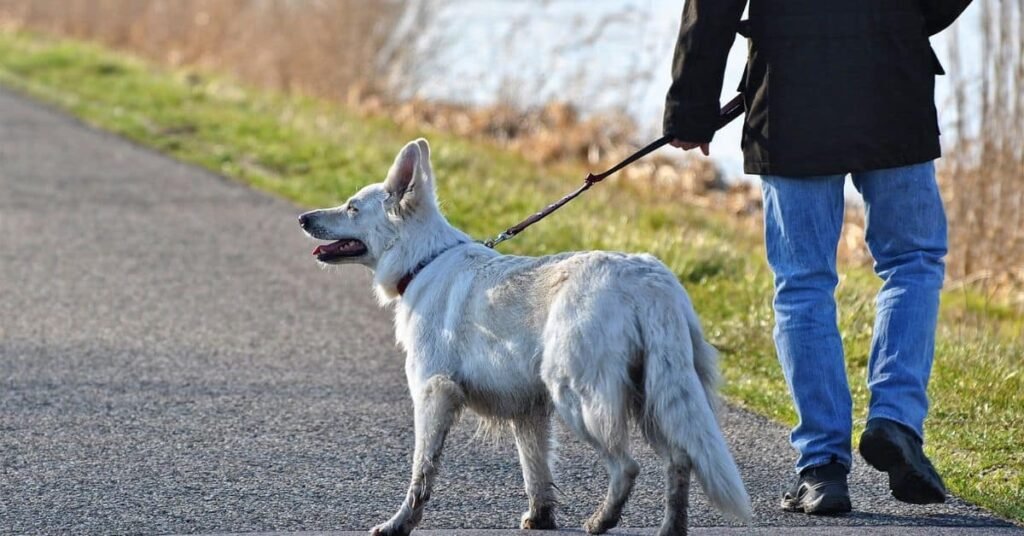
Keep the leash short but relaxed.
A short leash creates communication, but it should not be tight or uncomfortable.
A relaxed leash shows your dog that you trust them and encourages them to mirror your calm state.
Walk at a steady pace.
Dogs feel safer when their human leads the pace instead of reacting to every external distraction.
Your rhythm guides their focus.
Reward calm behavior.
If your dog checks in with you, stays by your side, or resists the urge to pull, offer gentle praise.
This builds good habits naturally.
Avoid constant cues.
Repeated commands can overwhelm your dog. Clear, single cues paired with body language are much more effective.
Let your dog sniff, but with boundaries.
Sniffing builds confidence, lowers stress, and provides mental enrichment.
Allow structured sniff breaks instead of letting your dog stop every few steps. This keeps the walk enjoyable and balanced.
Redirect pulling early.
If your dog starts pulling, stop moving or change direction. This teaches them that pulling does not lead to progress.
These dog walking techniques form the foundation of a smooth, controlled walk. With consistent practice, your dog learns to follow calmly and enjoy the journey.
Dog Psychology Before Dog Training
To master dog walking, you must first understand how dogs think.
Dogs follow calm, confident leadership.
This does not mean strictness.
It simply means that your dog looks to you for guidance, reassurance, and structure.
When you understand their psychology, training becomes much easier.
Dogs live in the moment.
They respond to energy more than words.
If you are anxious, rushed, or frustrated, your dog senses it instantly.
By staying relaxed and consistent, you help your dog feel grounded.
Dogs communicate with body language.
Eye contact, posture, and movement matter.
If you walk with purpose, your dog feels safer.
If you hesitate or constantly change direction without clarity, your dog may feel unsure.
Dogs thrive on routine.
Predictability helps them feel secure.
A regular dog walking routine teaches them when it is time to explore, focus, or relax.
Dogs learn through consistency.
Repeating the same walking expectations each day builds good habits.
This is why daily structure is more important than occasional long training sessions.
Understanding these psychological foundations allows you to use the best dog walking practices without overwhelming your pup.
The Best Leash for You and Your Dog
A leash is more than an accessory; it is your communication line.
Choosing the right one depends on your dog’s size, temperament, and walking style.
Short standard leashes
Great for training and structured walks.
These give you better control and help promote calm walking.
Avoid very heavy leashes for small dogs, as they can restrict natural movement.
Long training lines
Useful for recall practice in open spaces.
These allow more freedom while still keeping your dog safe.
They are not ideal for crowded paths.
No pull harnesses
Helpful for dogs who are still learning leash manners.
They reduce pulling pressure and prevent strain on the neck.
Choose a harness that fits snugly without rubbing.
Flat collars
These work well for calm walkers.
Make sure they fit two-finger snug to prevent slipping.
Avoid using them for heavy pullers.
Avoid retractable leashes
These offer little control and can encourage pulling.
They also create sudden tension that can surprise or injure dogs.
For most pups, a simple, durable, non retractable leash is the safest choice.
Pair it with a comfortable harness or collar that supports your dog’s body.
This combination makes safe dog walking easier for both of you.
When to Walk Your Dog
Timing matters more than most dog parents realize.
A well timed walk affects mood, behavior, digestion, and sleep.
The best approach is to choose consistent walking times that match your dog’s needs.
Morning walks
A morning walk helps release energy and sets a positive tone for the day.
It reduces restlessness and encourages calm behavior at home.
Afternoon walks
Great for breaking up long hours indoors.
Short, refreshing walks help prevent boredom and maintain steady energy levels.
Evening walks
These help your dog wind down.
Gentle activity supports better sleep and less nighttime restlessness.
Seasonal considerations
Hot weather
Walk early or late when temperatures are cooler.
Avoid hot pavement as it can burn paws.
Carry water and take more shade breaks.
Cold weather
Shorter but more frequent walks can be safer.
Keep your dog warm with appropriate layers.
Wipe paws after snowy walks to prevent irritation.
Rainy weather
Use reflective gear for visibility.
Take shorter routes and dry your dog thoroughly afterward.
Your dog’s age, health, and breed will also influence the ideal walk schedule.
Puppies may need several short walks.
Adult dogs often thrive with two or three moderate walks.
Senior dogs may prefer slower, low impact strolls.
You can also enhance your dog walking routine with indoor enrichment if outdoor conditions are challenging.
Conclusion
A great walk is one of the best gifts you can give your dog.
It strengthens your bond, improves behavior, reduces stress, and supports a healthy lifestyle.
By understanding dog psychology, choosing the right gear, and following consistent dog walking techniques, you set your pup up for calm, enjoyable, and safe adventures.
Start small. Stay consistent. Celebrate every step forward.
Your dog does not need a perfect walk. They just need a patient leader.
With these dog walking tips, you and your pup can turn every walk into a rewarding experience filled with confidence, connection, and joy.
FAQs
How long should I walk my dog each day
Most dogs do well with 30 to 60 minutes of walking daily. Puppies and high energy breeds may need more frequent shorter walks, while senior dogs may prefer slower, gentle strolls.
Is it okay to let my dog sniff during walks
Yes. Sniffing provides mental stimulation and helps reduce stress. Allow structured sniff breaks so your dog enjoys enrichment without losing focus.
What should I do if my dog pulls on the leash
Stop walking when your dog pulls or gently change direction. This teaches your dog that pulling does not move the walk forward.
How do I keep my dog safe during hot weather walks
Walk early or late in the day. Avoid hot pavement, bring water, and take shade breaks to prevent overheating.
Should I use a harness or collar for walks
Harnesses are ideal for dogs that pull or have delicate necks. Collars work well for calm walkers. Choose whatever provides comfort and control.
What is the best way to introduce a new walking route
Start with short, positive experiences. Allow your dog time to explore while keeping structure. Gradually increase distance as they grow comfortable.
How often should puppies go for walks
Puppies usually need several short walks throughout the day. Frequent movement supports healthy development and prevents restlessness.
