
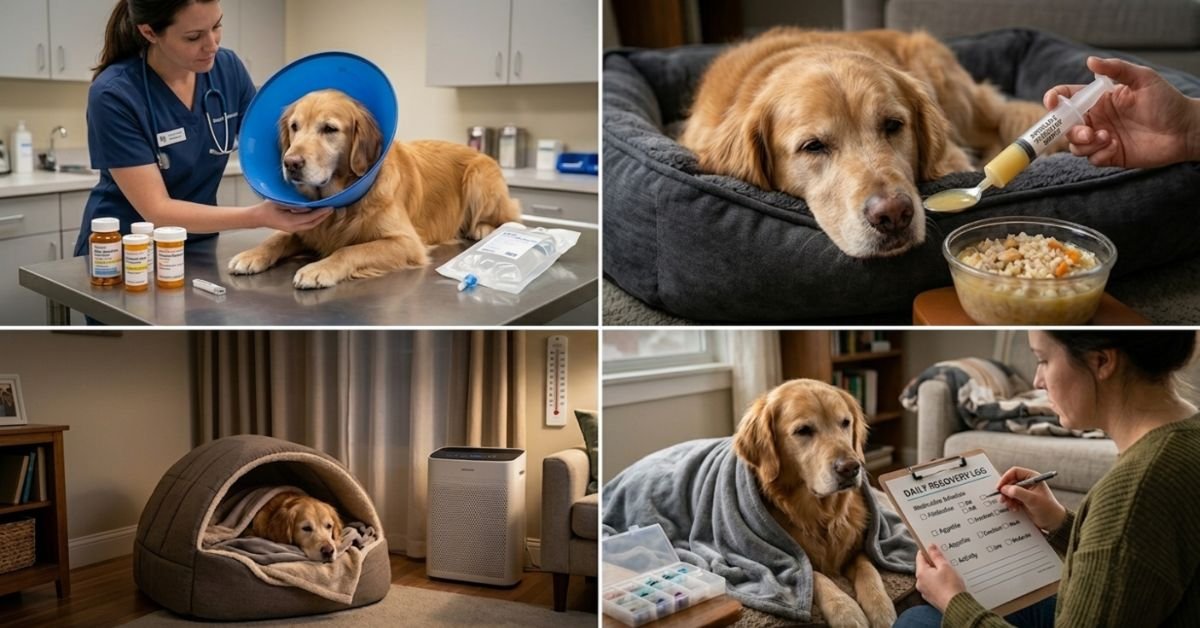
You must identify symptoms early to prevent mild respiratory issues from turning into serious infections, as dogs cannot communicate discomfort directly. Dog cold symptoms treatment begins with recognizing key signs such as sneezing, mild coughing, clear nasal discharge, watery eyes, lethargy, and reduced appetite. You should also distinguish these symptoms from allergies and kennel cough, since each condition presents differently and requires a specific approach. A soft, occasional cough usually indicates a mild cold, while a harsh, repetitive cough may signal kennel cough, making accurate observation essential for timely and effective care.
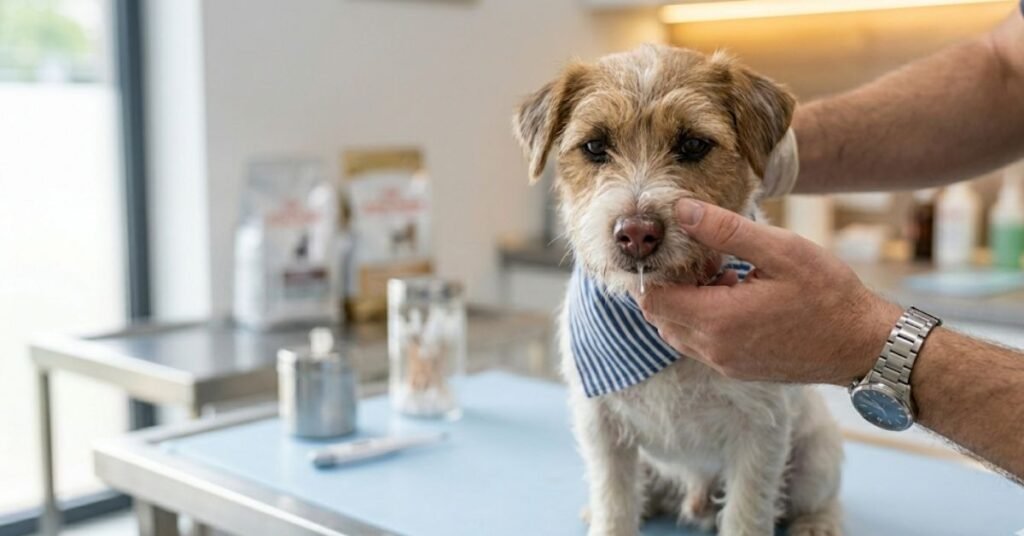
The Symptom Checklist
You should distinguish between a simple cold, allergies, and more severe respiratory conditions like kennel cough. Each condition presents differently, and misinterpretation can delay proper treatment.
Common dog cold symptoms include:
- Frequent sneezing
- Mild coughing
- Clear nasal discharge
- Watery eyes
- Slight lethargy
- Reduced appetite
You should compare these symptoms carefully:
| Condition | Key Symptoms | Severity |
| Dog Cold | Sneezing, clear discharge, mild fatigue | Low |
| Allergies | Itchy skin, watery eyes, seasonal triggers | Low |
| Kennel Cough | Dry hacking cough, gagging, honking sound | Moderate–High |
You should pay attention to the type of cough. A soft, occasional cough usually indicates a mild cold, while a harsh, repetitive cough suggests kennel cough.
Reverse Sneezing Explained
Dogs often exhibit reverse sneezing during respiratory irritation. This condition causes rapid inhalation through the nose, producing a snorting sound. You should not confuse it with choking. Reverse sneezing typically resolves on its own but may increase during illness.
The “Pinch Test” for Dehydration
You must monitor hydration closely because sick dogs often drink less water.
To perform the test:
- Gently pinch the skin between your dog’s shoulders
- Release it immediately
- Observe how quickly it returns to its normal position
If the skin returns slowly, your dog may be dehydrated. You should increase fluid intake immediately, as dehydration can worsen respiratory symptoms and delay recovery.
Medical Intervention: Professional Dog Cold Symptoms Treatment Protocols
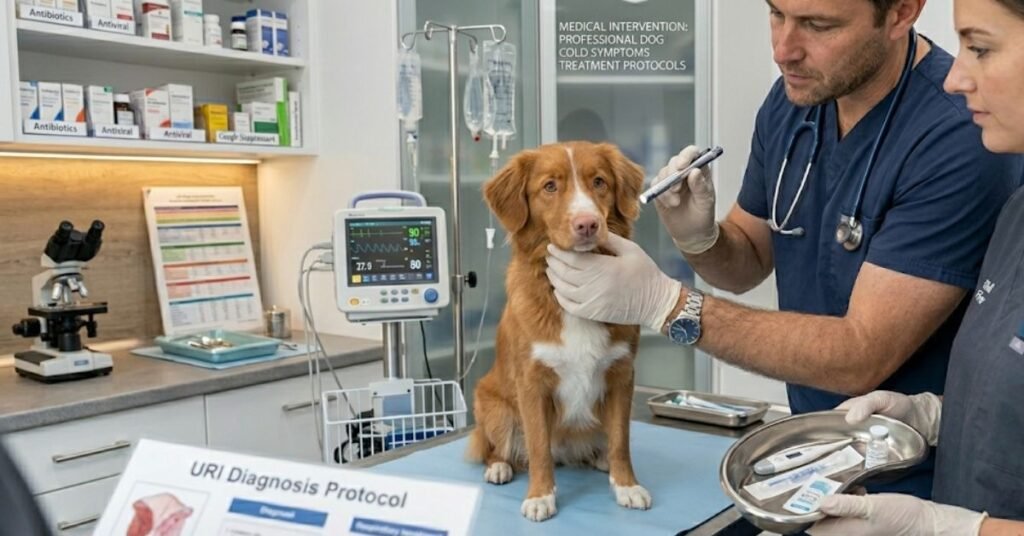
You must recognize when symptoms require professional care. Delayed treatment can lead to complications such as pneumonia, especially in puppies and senior dogs.
When Home Care Isn’t Enough
You should consult a veterinarian immediately if you notice:
- Fever above 103°F
- Labored or rapid breathing
- Thick yellow or green nasal discharge
- Persistent coughing lasting more than 5–7 days
- Severe lethargy or refusal to eat
These signs often indicate infections involving Bordetella bronchiseptica or viral agents like Canine Parainfluenza.
Clinical Methodologies
Veterinarians apply targeted treatments based on symptom severity and underlying causes.
1. Nebulization Therapy
Nebulization delivers medication in mist form directly into the respiratory tract. This method loosens mucus, reduces inflammation, and improves airflow. You can also perform simplified nebulization at home under veterinary guidance.
2. Medications
Your veterinarian may prescribe:
- Antitussives to suppress excessive coughing
- Bronchodilators to open airways and improve breathing
- Antibiotics if a secondary bacterial infection develops
You should always follow prescribed dosages precisely. Incorrect usage can reduce effectiveness or cause adverse effects.
3. Diagnostic Tools
Veterinarians may use:
- Chest X-rays
- Nasal swabs
- Blood tests
These tools help identify the exact cause and guide treatment.
At-Home Care: Natural and Supportive Dog Cold Symptoms Treatment Steps
You can significantly improve your dog’s recovery through consistent and supportive home care.
The “Steam & Rest” Technique
Steam therapy helps clear nasal congestion and improve breathing.
To apply this method:
- Run a hot shower in your bathroom
- Sit with your dog in the enclosed space
- Allow steam exposure for 10–15 minutes
- Repeat twice daily
Steam loosens mucus and reduces airway irritation. You should ensure your dog remains calm and comfortable during the process.
Hydration Hacks
You must prioritize hydration to support immune function and mucus clearance.
Effective hydration methods include:
- Providing fresh, clean water at all times
- Offering low-sodium chicken broth
- Using dog-safe electrolyte solutions
You should encourage small, frequent drinking sessions instead of forcing large amounts.
Rest and Comfort
You should create a warm, quiet resting space for your dog. Adequate rest allows the immune system to focus on fighting infection. Avoid excessive physical activity during recovery.
Nutrition and Supplements for Dog Cold Symptoms Treatment Recovery
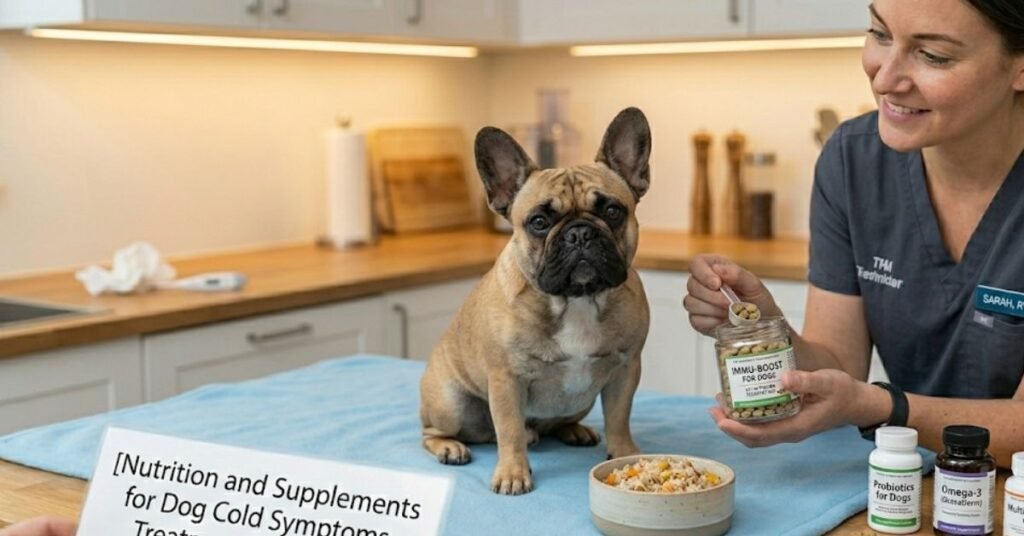
You must support recovery with proper nutrition and targeted supplementation.
Immune Boosting Nutrients
You can enhance immune response with:
- L-lysine to support antiviral defense
- Vitamin C (only under veterinary supervision)
- Probiotics to strengthen gut and immune health
You should consult your veterinarian before introducing supplements to ensure correct dosage and safety.
The “Bland Diet” Shift
Dogs often lose their appetite during illness. You should temporarily switch to a bland diet, such as:
- Boiled chicken (unseasoned)
- Plain white rice
This diet is easy to digest and encourages food intake. Once your dog recovers, you can gradually return to a regular diet.
The “Mucus Color Chart”: Understanding Nasal Discharge
You can use nasal discharge color as an indicator of infection stage and severity.
| Mucus Color | Meaning | Recommended Action |
| Clear | Early-stage cold or mild irritation | Monitor and provide home care |
| White | Mild inflammation or infection | Continue supportive care |
| Yellow | Developing infection | Consult a veterinarian |
| Green | Advanced bacterial infection | Seek immediate veterinary care |
You should act promptly when mucus changes color, as this often signals worsening infection.
Case Study: Senior Dog vs. Puppy Recovery
You must adapt treatment strategies based on your dog’s age.
| Factor | Puppy | Senior Dog |
| Immune Strength | Developing | Weakened |
| Recovery Time | 5–7 days | 7–14 days |
| Risk Level | Moderate | High |
| Complications | Moderate | Severe (risk of pneumonia) |
Puppies typically recover faster but require careful monitoring due to their developing immune systems. Senior dogs face higher risks and need closer observation and often earlier veterinary intervention.
The “Environmental Audit” Methodology
You can significantly reduce respiratory irritation by optimizing your dog’s environment.
5-Step Environmental Checklist
- Eliminate Air Irritants
Remove cigarette smoke, incense, and strong chemical fragrances. - Control Dust Levels
Vacuum carpets and clean surfaces regularly to reduce airborne particles. - Maintain Proper Humidity
Use a humidifier to prevent dry air from irritating the airways. - Sanitize Dog Items
Wash bedding, toys, and bowls frequently to eliminate pathogens. - Ensure Ventilation
Allow fresh air circulation to reduce indoor pollutants.
You should perform this audit both during illness and after recovery to prevent recurrence.
Preventing Recurrence: Beyond Initial Dog Cold Symptoms Treatment
You must implement long-term preventive strategies to protect your dog’s respiratory health.
Sanitization Protocol
You should:
- Wash bedding weekly in hot water
- Disinfect toys regularly
- Clean food and water bowls daily
These practices reduce pathogen buildup and limit reinfection risk.
Vaccination Insights
Vaccinations provide essential protection against common respiratory pathogens.
Key vaccines include:
- DHPP vaccine (Distemper, Hepatitis, Parainfluenza, Parvovirus)
- Bordetella vaccine (targets kennel cough)
You should follow a consistent vaccination schedule recommended by your veterinarian.
Strengthening Long-Term Immunity
You can improve resistance to infections by:
- Providing balanced nutrition
- Maintaining regular exercise
- Scheduling routine veterinary checkups
Healthy dogs recover faster and resist infections more effectively.
FAQS
1. How long does a dog’s cold last?
Most mild dog colds resolve within 5–10 days. You should monitor symptoms and seek veterinary care if they worsen or persist.
2. Can I give my dog human cold medicine?
You should never give human medications without veterinary approval. Many human drugs are toxic to dogs and can cause serious harm.
3. What causes canine upper respiratory infections?
Viruses and bacteria such as Canine Parainfluenza and Bordetella bronchiseptica commonly cause infections. Environmental stress and exposure to infected dogs increase risk.
4. Is kennel cough the same as a dog cold?
No. Kennel cough is more severe and produces a distinct, dry, honking cough. A dog’s cold usually involves milder symptoms like sneezing and nasal discharge.
5. When should I worry about nasal discharge?
You should worry when discharge becomes yellow or green, thickens, or accompanies fever and lethargy.
6. Can puppies recover from colds easily?
Puppies usually recover quickly with proper care, but you should monitor them closely because their immune systems are still developing.
Conclusion
You should support recovery through hydration, proper nutrition, and environmental control. Techniques such as steam therapy, immune supplementation, and sanitation protocols significantly improve outcomes.
You must also prioritize prevention. Vaccinations, clean living conditions, and routine veterinary care reduce the likelihood of recurrence and protect your dog’s long-term respiratory health or Symptoms.
By applying a proactive and informed approach, you ensure faster recovery, minimize complications, and maintain your dog’s overall well-being.
