
Dog Care Tips goes far beyond feeding and walking. A healthy, happy dog requires proper nutrition, regular exercise, preventive healthcare, and mental stimulation. Whether you are a first-time dog owner or an experienced pet parent, understanding all aspects of your dog’s wellbeing is essential for a long, vibrant life.
This guide covers everything from nutrition, grooming, and exercise to vaccinations, routine check-ups, and recognizing warning signs. By following these tips, you can ensure your dog stays fit, energetic, and healthy, while strengthening the bond between you and your furry companion.
Create a Complete and Balanced Nutrition Plan for Your Dog
A complete nutrition plan is one of the most impactful decisions you can make for your dog’s long-term health. The right diet boosts energy, supports a shiny coat, strengthens immunity, and helps prevent common issues like obesity, digestive upset, and nutrient deficiencies. When you tailor your dog’s diet to their age, breed, lifestyle, and health conditions, you give them the fuel they need to live a longer, happier life.
A well-designed nutrition plan goes beyond choosing a food bag. It means understanding calories, ingredient quality, feeding schedules, treats, and how your dog’s body reacts to food. Once you create a consistent plan and stick to it, your dog’s health becomes easier to maintain.
Determine Your Dog’s Daily Calorie Needs
Knowing how many calories your dog should eat every day keeps you from unintentionally overfeeding or underfeeding. A proper calorie range supports ideal weight, steady energy, and healthy digestion. Most owners guess—this simple step prevents long-term health problems.
Use the chart below as a guide:
| Dog Size | Weight Range | Average Daily Calories |
| Small | 5–20 lbs | 250–500 calories |
| Medium | 20–50 lbs | 500–900 calories |
| Large | 50–90 lbs | 900–1,400 calories |
| Extra Large | 90+ lbs | 1,400+ calories |
Tip: Very active dogs usually need extra calories, while seniors and indoor dogs need fewer.
Choose High-Quality Food
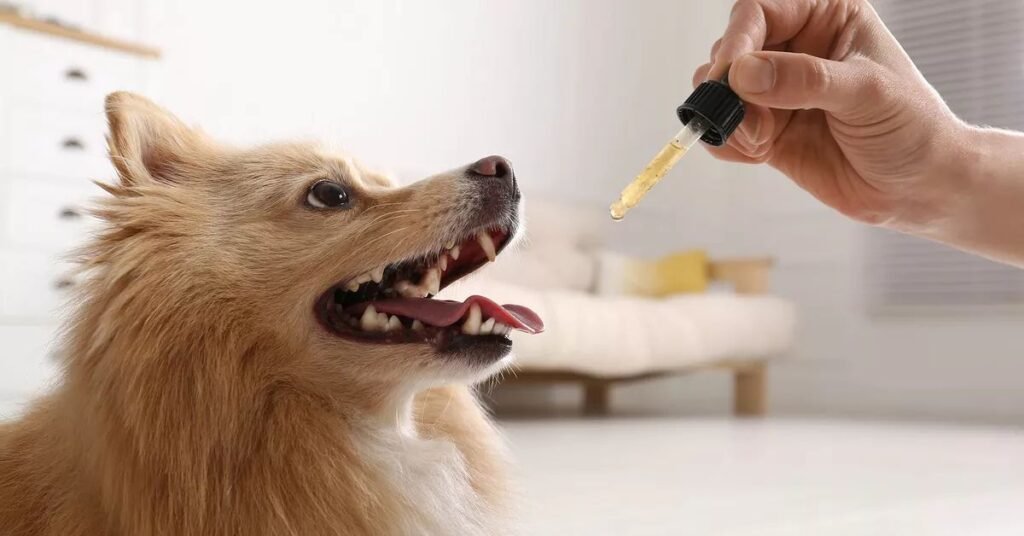
Not all dog foods are equal, and choosing the right one can dramatically improve your dog’s health. High-quality food supports better digestion, stronger bones, and a healthier immune system. Always look at the ingredient list — it tells you exactly what your dog is eating and how nutritious it really is.
Look for dog food that includes:
When choosing the right food for your dog, it’s important to focus on quality ingredients that support overall health, energy, and a shiny coat. Look for dog food that includes:
- Real animal protein (chicken, beef, lamb, fish) as the first ingredient
- Healthy fats for energy and coat health
- Whole grains or digestible carb sources
- Clear, simple ingredients you recognize
- Zero artificial preservatives or colors
Dogs with allergies may need limited-ingredient or grain-free formulas.
Balance Protein, Fat, and Carbohydrates
Dogs rely on a balanced mix of nutrients to stay healthy. Protein builds muscles, fats provide energy and support skin health, and carbohydrates help regulate digestion. When these nutrients work together in the right proportions, your dog stays full, active, and strong.
Ideal nutrient ranges:
| Nutrient | Ideal Range |
| Protein | 22–32% |
| Fat | 10–20% |
| Fiber | 3–5% |
Balanced food prevents nutrient gaps and promotes overall wellness.
Keep Feeding Amounts Consistent
Dogs feel more secure when they have predictable routines. Feeding at the same time every day improves digestion, stabilizes appetite, and reduces begging behaviors. Consistent feeding also helps owners track changes in appetite, which can be an early sign of illness.
Recommended routine:
- Puppies: 3–4 meals daily
- Adults: 2 meals daily
- Seniors: 2 small meals daily
Small adjustments can make a big difference in comfort and health.
Add Healthy Extras in Moderation
A few healthy toppers can turn a basic meal into a nutrient-rich boost. Natural add-ons offer extra vitamins, minerals, and antioxidants that support digestion, immunity, and coat health. Just remember — even healthy extras must be given in moderation to avoid weight gain.
Healthy topping ideas:
Adding healthy toppings to your dog’s meals can enhance flavor, provide extra nutrients, and support overall wellbeing. Some nutritious options include:
- Cooked chicken or turkey
- Steamed vegetables (carrots, peas, broccoli)
- Fresh fruits (blueberries, apple slices)
- Omega-3 oils for coat and joints
- Probiotics for gut health
Avoid harmful foods like grapes, chocolate, raisins, onions, and anything containing xylitol.
Monitor Your Dog’s Body Condition
Your dog’s physical shape reveals more about their diet than any feeding chart. Watching their body condition helps you catch weight gain or loss early, before it becomes a problem. Subtle changes in shape, posture, or energy levels often indicate the need for a diet adjustment.
Signs of a healthy body condition:
Monitoring your dog’s body condition helps ensure they are at a healthy weight and free from potential health issues. Signs of a healthy body condition include:
- Ribs are easy to feel but not visible
- Waistline is noticeable when viewed from above
- Belly is slightly tucked from the side
- Dog maintains steady energy throughout the day
Adjust food portions slowly and only by about 10% at a time.
Check With Your Veterinarian
Your veterinarian can help personalize your dog’s nutrition plan, especially if your dog has allergies, sensitive digestion, or medical conditions. Professional guidance ensures that every part of your dog’s diet supports their long-term health and matches their unique needs.
Vets often assist with:
Veterinarians play a key role in maintaining your dog’s health, especially when it comes to nutrition and specialized care. They often assist with:
- Custom weight-management plans
- Diets for kidney, liver, or heart issues
- Food recommendations for sensitive stomachs
- Supplements for joints, digestion, or skin health
A quick consultation can prevent nutrition mistakes and keep your dog thriving.
Keep Your Pup at a Healthy and Ideal Weight
Maintaining a healthy weight is one of the most important things you can do for your dog’s long-term wellbeing. Extra weight puts pressure on the heart, joints, and internal organs, while an underweight dog may struggle with weakness, low immunity, and poor coat health. Helping your dog stay at the right weight increases lifespan, improves mobility, and reduces the risk of chronic diseases.
Healthy weight management isn’t about strict dieting—it’s about balancing calories, portion control, exercise, and monitoring changes in your dog’s body. When you pay attention early, you prevent problems before they grow serious.
Understand Your Dog’s Ideal Weight Range
Knowing the normal weight range for your dog’s breed and size helps you spot changes early.
Every dog has a unique ideal weight, even within the same breed. Factors like age, muscle mass, and activity level all influence where your dog should be. Use your vet’s guidance and general breed charts, but also observe your dog’s body shape because that often tells the clearest story.
General weight indicators:
Checking your dog’s body condition regularly helps you maintain a healthy weight and prevent obesity-related issues. Key indicators of a healthy weight include:
- Ribs should be easy to feel without pressing hard
- Waist should be visible from above
- Stomach should tuck upward from the side
Practice Proper Portion Control
Measuring your dog’s meals prevents overeating and keeps calorie intake steady.
Most weight issues begin with portions that are just slightly too large. Over time, those extra calories add up. Use a measuring cup or kitchen scale to give accurate portions and adjust slowly if your dog gains or loses weight.
Quick portion tips:
Adjusting your dog’s food intake based on their individual needs helps maintain a healthy weight and overall wellbeing. Use these tips as a guideline:
- Follow feeding guidelines only as a starting point
- Reduce by 10% if your dog begins gaining weight
- Increase by 10% if they’re losing too much
Choose Lower-Calorie or Weight-Management Foods
Specialized diets help overweight dogs lose pounds safely without feeling hungry.
Weight-management formulas include more fiber, moderate protein, and controlled fat levels. This helps dogs feel full while still staying within a safe calorie range. Always switch foods gradually to avoid digestive upset.
Helpful features in weight-control food:
Choosing the right weight-control dog food can help manage weight while keeping your dog satisfied and healthy. Look for these helpful features:
- High-quality lean proteins
- Increased fiber for fullness
- Reduced fat percentage
- No artificial fillers
Incorporate Daily Exercise (Without Overdoing It)
Regular exercise helps burn calories, support muscle, and keep your dog mentally stimulated.
Exercise doesn’t have to be tough or exhausting. Even short, consistent activities build strength and improve mobility. Each dog needs a different level of activity depending on age, health, and energy.

Exercise ideas:
Regular physical and mental activity is essential for keeping your dog healthy, happy, and well-behaved. Effective ways to exercise and stimulate your dog include:
- Daily walks (10–30 minutes depending on breed)
- Fetch or tug-of-war
- Short training sessions
- Puzzle toys
- Running or hiking for high-energy dogs
Always increase activity gradually, especially for overweight or senior dogs.
Track Changes in Body Shape and Energy Levels
Monitoring your dog’s shape helps you catch weight issues early before they worsen.
Look at your dog from above, from the side, and gently feel their ribs. If you notice any changes—more fat over the ribs, a disappearing waist, or lower energy during normal playtime—adjust the diet or exercise plan accordingly.
Signs your dog may be overweight:
- No visible waistline
- Fat pads around the hips or chest
- Heavy breathing during light activity
- Reduced interest in play
Avoid Too Many Treats and Table Scraps
Extra snacks are the biggest hidden cause of weight gain in dogs.
Treats should make up no more than 10% of daily calories. Many owners don’t realize how calorie-heavy treats can be, and human foods are often too fatty or salty for dogs.
Safer treat alternatives:
Offering healthy snacks and treats is a great way to reward your dog without adding extra calories. Some low-calorie options include:
- Small carrot pieces
- Green beans
- Fresh apple slices (no seeds)
- Low-calorie training treats
A few healthy swaps keep your dog satisfied without adding unnecessary calories.
Ask Your Veterinarian for a Weight-Management Plan
Your vet can help create a customized weight-loss or weight-gain strategy.
Some dogs struggle with weight because of thyroid problems, mobility issues, or other medical conditions. A vet can rule out underlying concerns and guide you toward the safest approach.
Your vet may recommend:
- A tailored feeding schedule
- Prescription weight-loss food
- Safe exercise limitations
- Monthly weigh-ins
How to Maintain General Health for Your Dog
Maintaining your dog’s general health is about more than just feeding and exercise—it’s a holistic approach that includes grooming, preventive care, mental stimulation, and monitoring for early signs of illness. A dog that is healthy in body and mind is happier, more active, and less prone to long-term health problems.
By paying attention to all aspects of health, from diet and exercise to hygiene and routine check-ups, you can ensure your dog enjoys a long, vibrant life. General health maintenance is the foundation upon which every other care practice is built.
Regular Grooming Keeps Your Dog Healthy
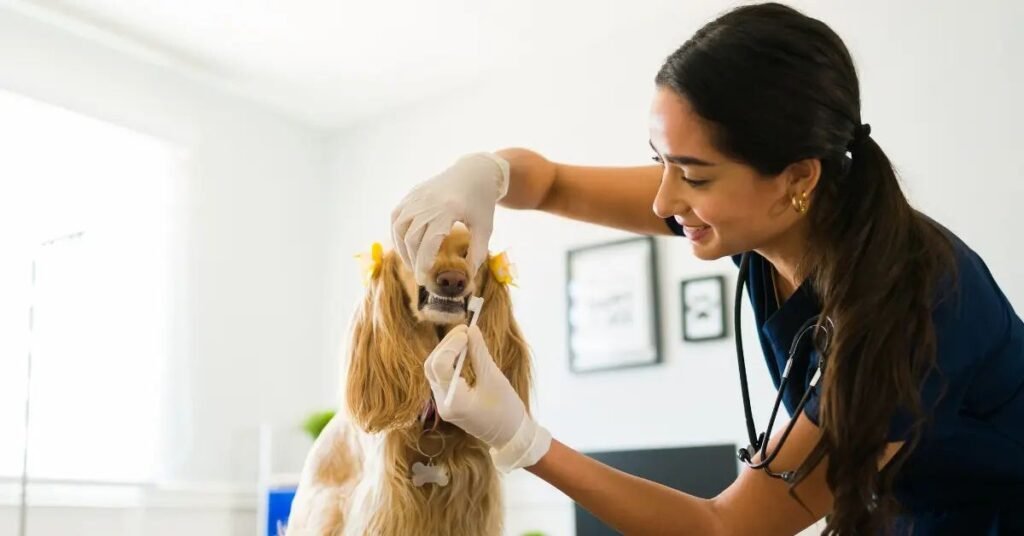
Grooming is not just for appearance—it helps prevent skin problems, infections, and discomfort. Regular brushing removes dirt, distributes natural oils, and allows you to check for lumps, ticks, or irritation.
Key grooming tips:
Regular grooming is essential not just for appearance but for your dog’s overall health and comfort. Key grooming practices include:
- Brush at least once a week (more for long-haired breeds)
- Bathe only as needed to avoid stripping natural oils
- Check ears, teeth, and nails regularly
- Trim nails to prevent pain or injury
Monitor Your Dog’s Weight and Body Condition
Maintaining a healthy weight is part of overall wellness. Fluctuations in weight may indicate diet, activity, or health issues.
Check weekly for:
Monitoring your dog’s body condition helps ensure they maintain a healthy weight and overall fitness. Signs of a healthy body include:
- Ribs you can feel but not see
- Visible waistline
- Proper muscle tone
- Energy levels
Keeping your dog at an ideal weight prevents joint strain, heart problems, and metabolic diseases.
Preventive Care is Key
Preventive care protects your dog from serious illnesses and keeps routine issues manageable. Vaccines, parasite control, and dental care form the backbone of preventive health.
Preventive practices include:
Preventive healthcare is crucial for keeping your dog healthy and avoiding serious illnesses. Key preventive measures include:
- Regular vaccination schedule
- Flea, tick, and heartworm prevention
- Dental cleaning or brushing
- Parasite checks and stool tests
Maintain Mental and Physical Stimulation
A healthy dog is active both physically and mentally. Boredom or inactivity can lead to destructive behavior or stress-related issues.
Ideas for stimulation:
- Daily walks and playtime
- Puzzle toys or treat-dispensing games
- Obedience training sessions
- Socialization with other dogs or people
Mental and physical exercises enhance cognitive function and strengthen the bond between you and your dog.
Keep a Clean Environment
Your dog’s surroundings affect their health. Clean bedding, toys, and feeding areas reduce exposure to bacteria and allergens.

Tips for a healthy environment:
- Wash bedding weekly
- Sanitize toys and food bowls
- Keep living spaces free from hazards
- Ensure safe, clean outdoor areas
Regular Health Monitoring at Home
Observe your dog daily for changes that may indicate health issues. Early detection makes treatment easier and more effective.
Signs to watch for:
- Changes in appetite or water intake
- Lethargy or unusual fatigue
- Vomiting, diarrhea, or coughing
- Behavioral changes or signs of pain
Partner With Your Veterinarian
Routine veterinary visits are essential for maintaining general health. Your vet can spot early warning signs, offer preventive advice, and create customized health plans.
Regular vet practices include:
- Annual or bi-annual check-ups
- Bloodwork for senior dogs
- Vaccination updates
- Advice on diet, exercise, and supplements
Keep Their Coat Clean for a Healthy Dog
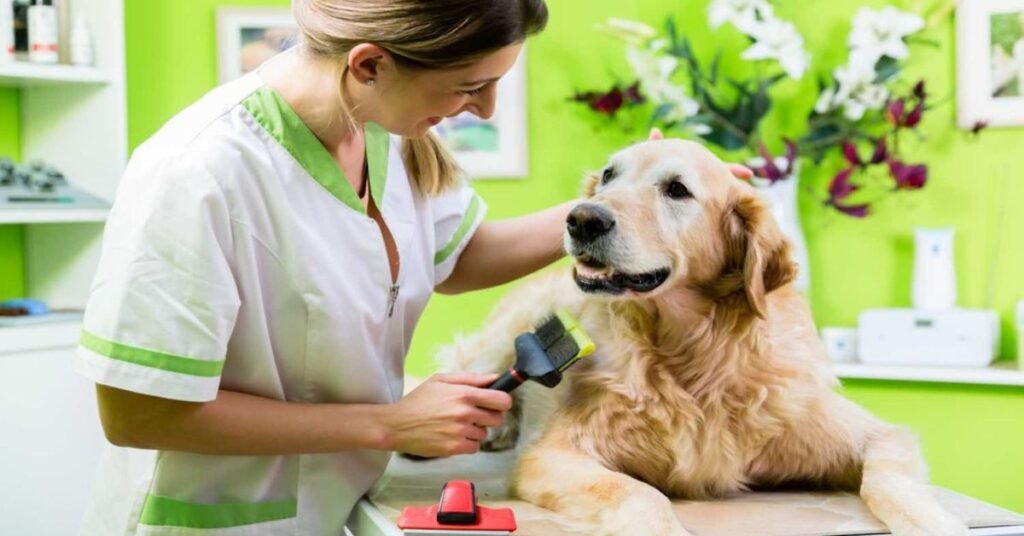
A clean and well-maintained coat is a direct reflection of your dog’s overall health. Regular grooming not only removes dirt, debris, and loose hair, but also prevents painful mats and tangles that can trap moisture and cause skin infections. A shiny, smooth coat indicates proper nutrition, hydration, and overall wellbeing, while a dull or patchy coat may signal underlying health issues.
Grooming is also an opportunity to bond with your dog. Gentle brushing and care sessions strengthen trust, reduce stress, and give you a chance to notice anything unusual on your dog’s skin or coat before it becomes a serious problem.

Brush Regularly According to Coat Type
Brushing your dog’s coat is essential for maintaining healthy skin and fur. It stimulates natural oil production, which keeps the coat shiny, and prevents hair from tangling or forming mats. Over time, regular brushing can also reduce shedding and minimize allergens in your home.
- Short-haired dogs: Brush once or twice a week to remove loose fur and debris.
- Long-haired or curly dogs: Daily brushing is ideal to prevent tangles and mats.
Always use brushes suited for your dog’s coat type—slicker brushes for long fur, bristle brushes for short fur, and combs for sensitive areas.
Bathe Safely and Sparingly
While regular bathing is necessary, overbathing can strip your dog’s coat of natural oils, leaving skin dry and irritated. Bathing frequency depends on your dog’s breed, activity level, and environment.
Use a mild, dog-specific shampoo, and always rinse thoroughly to prevent residue buildup. Make sure to dry the coat completely to reduce the risk of fungal infections. For most dogs, bathing every 4–6 weeks is sufficient, but active or outdoor dogs may need occasional spot cleaning between full baths.
Maintain Skin Health
Healthy skin forms the foundation of a strong, shiny coat. During grooming sessions, inspect your dog for signs of irritation, dryness, redness, or unusual lumps. Early detection allows you to address issues before they worsen.
If your dog’s skin is dry or flaky, consult your veterinarian about moisturizing sprays or dietary supplements such as omega-3 fatty acids, which can improve coat and skin health. Flea and tick prevention is also essential, as bites can cause itching, inflammation, or infection.
Groom Ears, Paws, and Nails
Coat care extends beyond fur to include ears, paws, and nails. Overgrown nails can cause discomfort and affect your dog’s walking posture, while dirty ears may lead to infections.
Tips for essential grooming:
- Trim nails regularly to avoid pain or injury.
- Clean ears with a vet-approved solution to prevent infections.
- Keep paw pads free from excess hair or debris to avoid mats or irritation.
These small steps help maintain overall hygiene and prevent long-term health issues.
Watch for Warning Signs in the Coat
A dog’s coat can reveal hidden health problems. Regular grooming allows you to notice early signs of illness, ensuring timely intervention.
Key warning signs include:
Keeping an eye on your dog’s coat can help detect health problems early. Warning signs to watch for include:
- Bald spots, thinning hair, or excessive shedding
- Dull, brittle, or greasy coat
- Redness, inflammation, or sores on the skin
- Lumps or bumps hidden under the fur
If you notice any of these, consult your veterinarian promptly to rule out allergies, infections, or other medical conditions.
Stay Up to Date on Vaccines for Your Dog
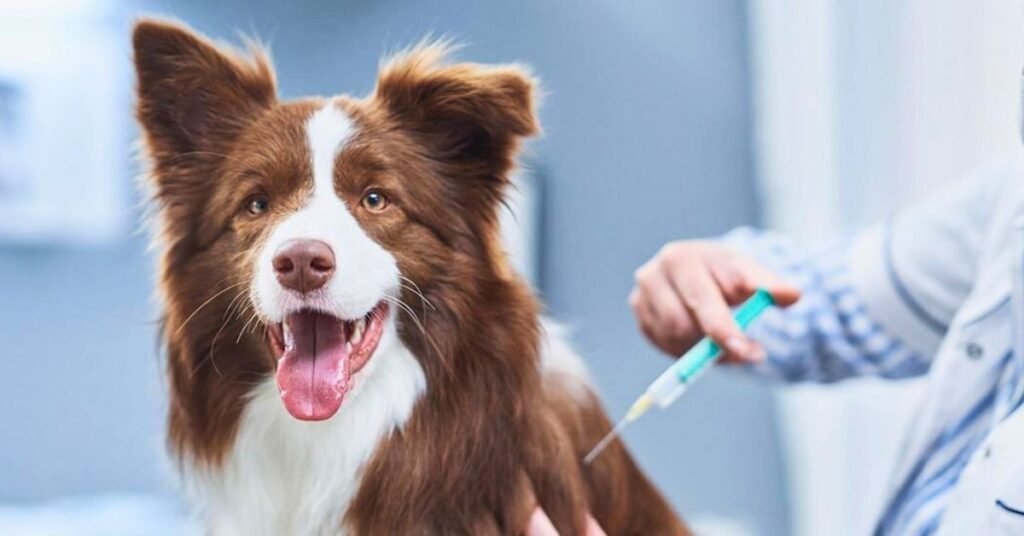
Vaccinations are one of the most important steps you can take to protect your dog from serious and potentially life-threatening diseases. Staying current on vaccines not only keeps your dog healthy but also prevents the spread of infections to other pets and, in some cases, humans.
Vaccines work by preparing your dog’s immune system to fight infections before they occur. Without them, common diseases like parvovirus, rabies, or distemper can quickly become severe and even fatal. Regular vaccination schedules, tailored to your dog’s age, lifestyle, and environment, ensure long-term protection.
Core Vaccines Every Dog Needs
Core vaccines protect against diseases that are widespread and pose significant risks to all dogs. They are typically recommended for all dogs regardless of lifestyle.
Core vaccines include:
Core vaccines are essential for protecting your dog from serious and potentially life-threatening diseases. These vaccines include:
- Rabies: Protects against a deadly virus that can affect both dogs and humans.
- Distemper: Prevents a highly contagious disease that affects the respiratory, gastrointestinal, and nervous systems.
- Parvovirus: Guards against a severe, often fatal, intestinal infection.
- Adenovirus (Hepatitis): Prevents liver disease and respiratory issues.
These vaccines are usually given in a series during puppyhood, followed by booster shots throughout life.
Non-Core Vaccines for Specific Risks
Non-core vaccines are given based on your dog’s lifestyle, environment, and risk of exposure. Your veterinarian will recommend these based on factors like travel, outdoor activity, or contact with other animals.
Examples of non-core vaccines:
- Bordetella (Kennel Cough): Often required for boarding or daycare.
- Leptospirosis: Prevents bacterial infection from contaminated water or wildlife.
- Lyme Disease: Recommended in areas with high tick populations.
- Canine Influenza: Protects against specific strains of flu viruses.
Follow a Vaccination Schedule
Puppies and adult dogs follow different vaccination timelines. Puppies receive multiple doses in their first few months, while adults get boosters periodically to maintain immunity.
Tips for maintaining a schedule:
- Keep a written or digital record of all vaccinations.
- Set reminders for booster shots as recommended by your vet.
- Do not delay vaccinations without consulting your veterinarian.
Following a consistent schedule ensures your dog remains fully protected at all times.
Monitor for Vaccine Reactions
While most dogs tolerate vaccines well, some may experience mild side effects like soreness at the injection site, mild fever, or temporary lethargy.
Steps to handle mild reactions:
After vaccinating your dog, it’s important to monitor them for any side effects to ensure their safety and comfort. Follow these steps:
- Observe your dog for 24–48 hours after vaccination.
- Provide rest, fresh water, and a comfortable environment.
- Contact your veterinarian immediately if severe reactions occur, such as vomiting, diarrhea, swelling, or difficulty breathing.
Prompt attention ensures your dog stays safe and healthy while receiving the benefits of vaccination.
Consult Your Veterinarian for Personalized Care
Every dog is unique, and vaccination plans should be customized. Your vet can advise on which vaccines your dog needs, when boosters are required, and what additional precautions may be necessary based on lifestyle or health conditions.
Regular consultations also give your vet a chance to assess overall health, detect early signs of illness, and provide guidance on other preventive care measures like parasite control and nutrition.
Mental and Physical Exercise is the Key to a Healthy Dog
Exercise is one of the most important factors in keeping your dog healthy, happy, and well-behaved. Dogs require both physical activity to maintain strong muscles and cardiovascular health, and mental stimulation to prevent boredom and destructive behaviors. Without proper exercise, dogs can develop anxiety, weight gain, and behavioral issues, even if they are fed a perfect diet.
Incorporating regular activity into your dog’s daily routine strengthens your bond, boosts confidence, and improves overall quality of life. The right balance depends on breed, age, and energy level, so observing your dog’s responses is key.
Physical Exercise Keeps Your Dog Fit
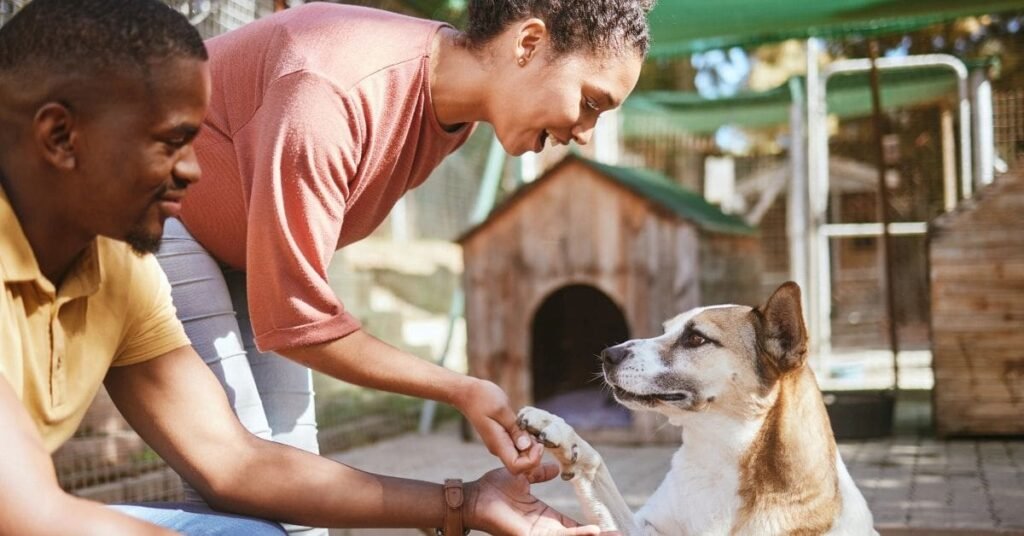
Physical activity is essential for weight management, joint health, and overall fitness. Dogs that exercise regularly have stronger muscles, healthier hearts, and better endurance.
Ideas for daily physical activity:
Regular physical activity is essential for your dog’s fitness, mental health, and overall wellbeing. Effective ways to keep your dog active include:
- Daily walks or runs, adjusted for breed and age
- Fetch or tug-of-war sessions in a safe environment
- Swimming or water play for low-impact exercise
- Hiking or exploring new trails for high-energy breeds
Exercise sessions should be consistent but gradually increased for puppies or overweight dogs to prevent injury.
Mental Stimulation Prevents Boredom
Mental exercise is just as important as physical activity. Dogs are intelligent creatures, and without stimulation, they can develop anxiety, excessive barking, or destructive chewing.
Ways to challenge your dog mentally:
Mental stimulation is just as important as physical exercise for keeping your dog happy and preventing boredom. Try incorporating activities such as:
- Puzzle toys or treat-dispensing toys
- Obedience training sessions or new tricks
- Scent games or hide-and-seek
- Socialization with other dogs and people
Providing challenges keeps your dog engaged, sharp, and less likely to develop behavioral issues.
Combine Physical and Mental Exercise
The most effective routines often combine physical and mental activity. A game of fetch that incorporates problem-solving, agility courses, or interactive training sessions satisfies both body and mind.
- Agility training strengthens muscles and improves coordination
- Interactive games reinforce learning and focus
- Short, frequent sessions work better than one long, exhausting session
Adjust Exercise for Age and Health
Puppies, adult dogs, and seniors all have different needs. Younger dogs need more high-energy play, adults require moderate structured exercise, and older dogs benefit from low-impact activities to protect joints.
- Puppies: Short bursts of play and training, avoiding overexertion
- Adults: 30–60 minutes of moderate exercise daily
- Seniors: Gentle walks, swimming, or slow-paced games
Consult your vet if your dog has health concerns or mobility issues before starting a new exercise routine.
Monitor Behavior and Energy Levels
Pay attention to your dog’s responses to exercise. Overly tired dogs may need shorter sessions, while bored dogs may need more challenging mental activities. Consistency and observation ensure you provide the right balance of stimulation for a happy, healthy dog.
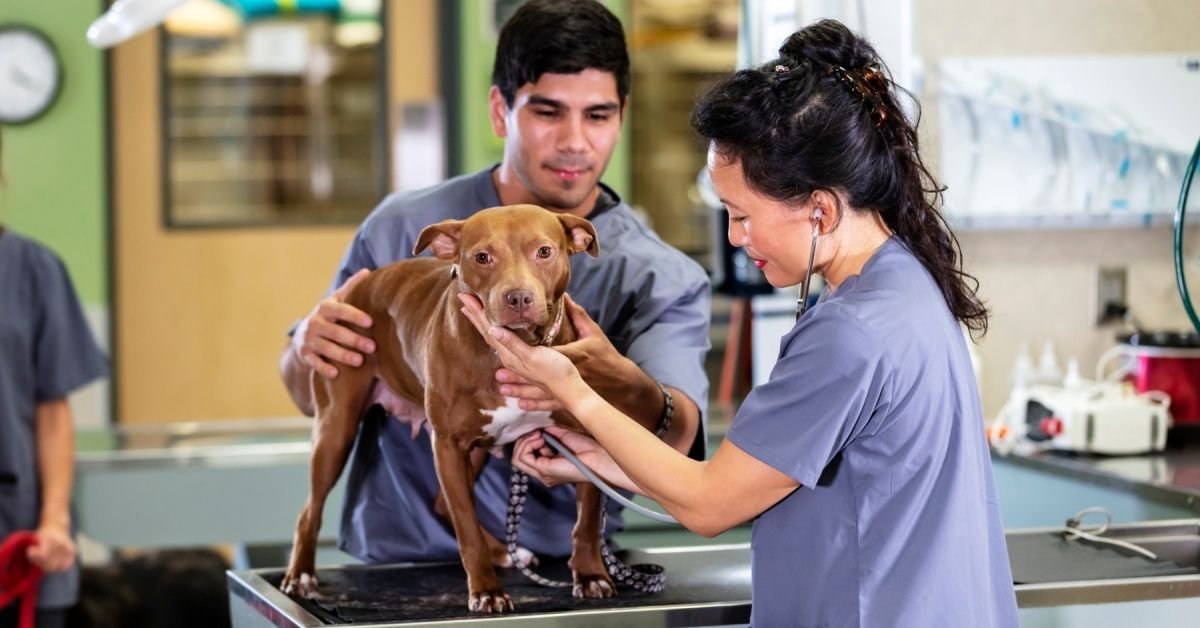
Schedule Routine Check-Ups with Your Veterinarian
Regular veterinary check-ups are a cornerstone of maintaining your dog’s long-term health. Even if your dog appears healthy, routine visits help detect potential issues early, monitor chronic conditions, and provide professional guidance on nutrition, exercise, and preventive care. Consistent veterinary care ensures that minor problems don’t become serious and that your dog receives timely vaccinations and treatments.
Scheduling check-ups also builds a strong relationship between you, your dog, and your veterinarian, making it easier to address any health concerns as they arise.

Benefits of Regular Check-Ups
Routine veterinary visits help maintain overall wellness, prevent diseases, and catch early warning signs before they escalate. They provide opportunities for your vet to assess growth, monitor weight, check vital signs, and evaluate the condition of your teeth, coat, and skin.
Key benefits include:
Routine veterinary check-ups help catch health issues early and provide guidance for maintaining your dog’s overall wellbeing. Key benefits include:
- Early detection of illnesses like diabetes, kidney, or heart issues
- Professional guidance on diet, exercise, and supplements
- Timely updates on vaccinations and preventive care
- Monitoring of chronic conditions such as arthritis or allergies
Recommended Check-Up Frequency
The frequency of visits depends on your dog’s age, breed, and health status. Puppies and senior dogs require more frequent monitoring than healthy adults.
General guidelines:
- Puppies: Every 3–4 weeks until about 16 weeks old for vaccines and health checks
- Adult dogs (1–7 years): At least once a year for wellness exams and vaccinations
- Senior dogs (7+ years): Twice a year to monitor aging-related conditions
Regular visits help your vet track growth, weight, and any subtle health changes over time.
What to Expect During a Check-Up
During a routine check-up, your veterinarian will perform a thorough physical examination, which often includes:
- Checking eyes, ears, teeth, and coat for signs of disease
- Listening to heart and lungs for abnormalities
- Palpating the abdomen and joints to detect discomfort or swelling
- Weighing your dog and evaluating body condition score
- Reviewing diet, behavior, and exercise habits
Your vet may also recommend blood work, fecal tests, or other diagnostics if needed.
How to Prepare for a Veterinary Visit
Proper preparation ensures an efficient and stress-free visit for both you and your dog. Bring information about your dog’s diet, medications, behavioral changes, and previous medical history.
Preparation tips:
Proper preparation helps ensure a smooth and stress-free veterinary visit for both you and your dog. To get ready, consider:
- Make a list of questions or concerns beforehand
- Bring recent vaccination records
- Use a comfortable carrier or leash for safety
- Arrive a few minutes early to help your dog settle
Being organized helps your vet provide the best care possible.
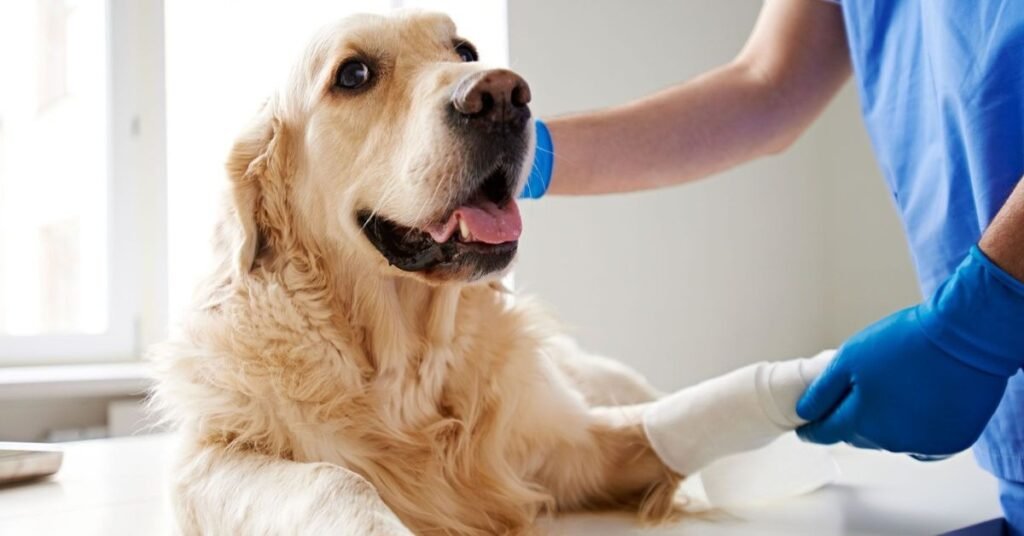
Partner With Your Vet for Long-Term Health
Your veterinarian is your most trusted partner in maintaining your dog’s health. Consistent communication and follow-up visits enable personalized care tailored to your dog’s needs.
- Discuss diet changes or new exercise routines
- Ask about supplements, dental care, or grooming recommendations
- Seek advice promptly if you notice any changes in behavior or health
Routine check-ups are an investment in your dog’s longevity and quality of life.
When to Call Your Veterinarian
Knowing when to contact your veterinarian is essential for preventing minor issues from turning into serious health problems. While routine check-ups maintain wellness, unexpected signs or sudden changes in your dog’s behavior, appetite, or physical condition require immediate attention. Acting quickly can save your dog from unnecessary pain and can even be life-saving in emergency situations.
Being proactive about health concerns ensures that your dog receives timely treatment and reduces stress for both you and your pet.
Recognize Common Warning Signs
Dogs cannot tell us when they are unwell, so it is important to understand subtle and obvious signs of illness. Paying attention to these early indicators can make a major difference.
Key warning signs include:
Recognizing warning signs early can prevent minor issues from turning into serious health problems. Contact your veterinarian if you notice:
- Persistent vomiting or diarrhea
- Lethargy or sudden decrease in activity
- Difficulty breathing or rapid panting
- Swelling, lumps, or wounds that do not heal
- Changes in appetite or water intake
- Excessive scratching, hair loss, or skin irritation
Even mild symptoms can be important, especially in puppies, senior dogs, or breeds prone to specific health issues.
Emergencies That Require Immediate Attention
Some situations require urgent veterinary care. Quick response can prevent complications or save your dog’s life.
Examples of emergencies:
- Ingesting toxic substances (chocolate, xylitol, household chemicals)
- Seizures or collapse
- Severe bleeding or traumatic injury
- Difficulty breathing or choking
- Persistent vomiting or diarrhea leading to dehydration
If any of these occur, contact your vet or an emergency clinic immediately.
Monitor Behavioral Changes
Changes in behavior often indicate underlying health issues. Dogs may hide discomfort or pain, so observing subtle differences can help detect problems early.
- Sudden aggression or irritability
- Unusual whining, pacing, or restlessness
- Decreased interaction or withdrawal
- Changes in sleep patterns or activity levels
Behavioral shifts, even without physical symptoms, should prompt a call to your veterinarian.
Follow-Up After Treatment
After illness, surgery, or vaccination, monitoring and follow-up are critical to ensure full recovery. Your veterinarian may recommend additional check-ins, medication adjustments, or dietary changes.
- Schedule follow-up visits as instructed
- Watch for side effects from medications
- Maintain any recommended diet or exercise routines
- Communicate any new concerns promptly
Following your vet’s guidance ensures your dog recovers safely and stays healthy in the long term.
FAQ: Dog Health and Care
Q1: How often should I groom my dog?
Short-haired dogs: 1–2 times/week; long-haired or curly dogs: daily brushing.
Q2: How much exercise does my dog need daily?
Puppies: short bursts, adults: 30–60 min, seniors: gentle low-impact activity.
Q3: What vaccines does my dog need?
Core: rabies, distemper, parvovirus, adenovirus; non-core depends on lifestyle.
Q4: How can I tell if my dog is overweight or underweight?
Ribs should be felt, waist visible; sudden weight changes need a vet check.
Q5: What should I do if my dog shows unusual behavior or illness?
Contact your vet promptly for any sudden lethargy, vomiting, or behavioral changes.
Q6: Can diet alone keep my dog healthy?
No, diet must be combined with exercise, grooming, and regular vet care.
