
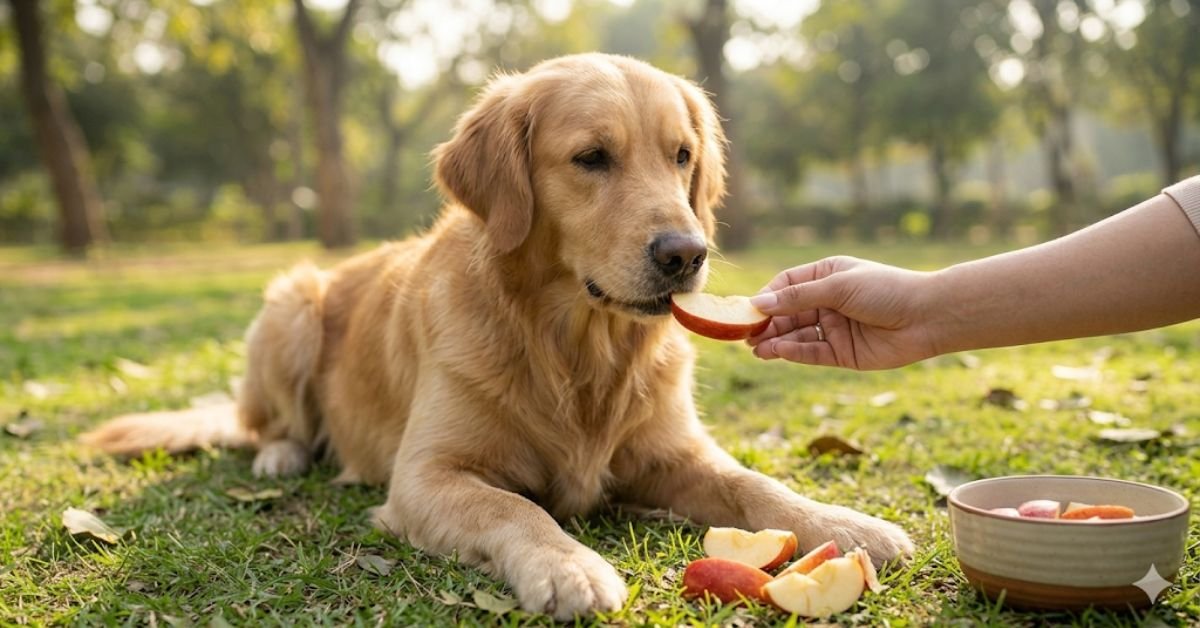
Dogs can eat apples, and many veterinarians actively recommend them as a healthy, occasional snack. Apples contain essential nutrients that support your dog’s overall wellness, from antioxidants to dietary fiber. However, you must follow a few important safety rules before. offering apples to your dog. Always remove the core and seeds, wash the fruit thoroughly, and cut the apple into small pieces suitable for your dog’s size.
When you prepare apples properly, you can give your dog a treat that not only tastes good but also contributes to immune health, digestive comfort, and even dental hygiene. This guide will help you understand the benefits, risks, preparation methods, and safe feeding amounts, so you can confidently include apples in your dog’s diet.
The Nutritional Benefits: Why Apples Are a Superfood for Dogs
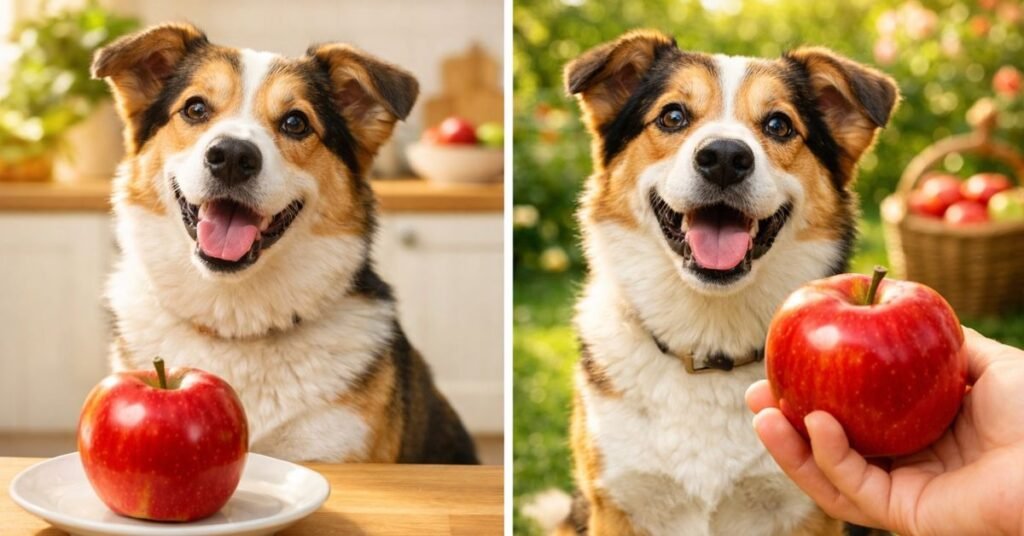
Apples contain a variety of nutrients that support canine health. They are rich in Vitamin C, Vitamin A, dietary fiber, and antioxidants such as quercetin and malic acid. These compounds provide several health benefits:
- Immune Support: Vitamin C strengthens the immune system, helping dogs fight infections.
- Digestive Health: Soluble fiber, including pectin, regulates bowel movements and supports healthy gut bacteria.
- Skin and Coat Quality: Antioxidants promote healthy skin and a shiny coat.
- Cellular Protection: Quercetin and malic acid neutralize free radicals, reducing oxidative stress.
Apples also have a high water content, which helps hydrate your dog and supports urinary tract health. Because of these natural nutrients, apples provide a healthier alternative to processed treats and fillers found in many commercial dog snacks.
Nutritional Comparison: Apples vs Common Dog Treat Fillers
| Nutrient / Component | Fresh Apples | Typical Kibble Fillers (Corn/Wheat) |
| Vitamin C | High | Very Low |
| Dietary Fiber | Moderate | Low |
| Natural Antioxidants | Present (Quercetin, Malic Acid) | Minimal |
| Artificial Additives | None | Often Present |
| Hydration Content | High | Low |
Unlike processed treats that contain artificial flavors, colors, or preservatives, fresh apples deliver natural vitamins and fiber without added chemicals. This makes apples an excellent choice for dogs with sensitive stomachs or dietary restrictions.
The Hidden Dangers: When Are Apples Bad for Dogs?
While apples are generally safe, certain parts of the fruit can pose health risks if consumed improperly. Being aware of these dangers allows you to feed apples confidently.
Cyanide Risk: The Truth About Apple Seeds
Apple seeds contain cyanogenic glycosides, compounds that release cyanide when metabolized. In small quantities, a few seeds usually do not harm a dog. However, repeated ingestion or large amounts can lead to cyanide toxicity, which affects the dog’s oxygen utilization and can become life-threatening.
Key Safety Tip: Always remove every seed and the core before feeding apples. Even a single core may contain enough seeds to pose a risk for smaller dogs or puppies.
Choking Hazards and Digestive Obstructions (The Core)
The apple core and large chunks of fruit present mechanical hazards. Dogs may accidentally swallow large pieces, which can:
- Cause choking
- Block the esophagus
- Lead to intestinal obstruction
To prevent accidents, cut apples into bite-sized pieces appropriate for your dog’s breed and size. For small dogs, this may mean 2–3 tiny cubes, whereas large breeds can handle slightly larger chunks.
Sugar Content: Can Dogs With Diabetes Eat Apples?

Apples contain natural sugars, primarily fructose. Healthy dogs generally tolerate small amounts well, but dogs with diabetes or obesity require careful monitoring.
Veterinarians recommend:
- Limiting apple intake to a small portion
- Monitoring blood glucose levels in diabetic dogs
- Preferring green apple varieties like Granny Smith, which have lower sugar content
Expert Methodology: The “3-Step Prep” for Safe Feeding
Veterinary nutritionists recommend a structured approach to ensure safe feeding of apples. This approach prevents toxicity, choking hazards, and digestive upset.
Step 1: The Scrub
Wash the apple thoroughly under running water. Scrubbing removes:
- Wax coatings applied to store-bought fruit
- Pesticide residues
- Dirt and environmental contaminants
Even organic apples require washing because natural pesticides or dust may remain on the skin.
Step 2: The De-Seed
Cut the apple into quarters and remove:
- Seeds
- Core
- Stem
Removing these parts eliminates cyanide exposure and mechanical risks.
Step 3: The Dice
Cut the apple into small, size-appropriate pieces:
| Dog Size | Recommended Portion Size |
| Small breeds (under 20 lb) | 2–3 small cubes |
| Medium breeds (20–50 lb) | 4–6 cubes |
| Large breeds (50+ lb) | 6–8 cubes |
This step ensures safe swallowing and digestion. Introduce apples slowly to avoid stomach upset.
Apple Varieties Compared: Green vs Red vs Dried
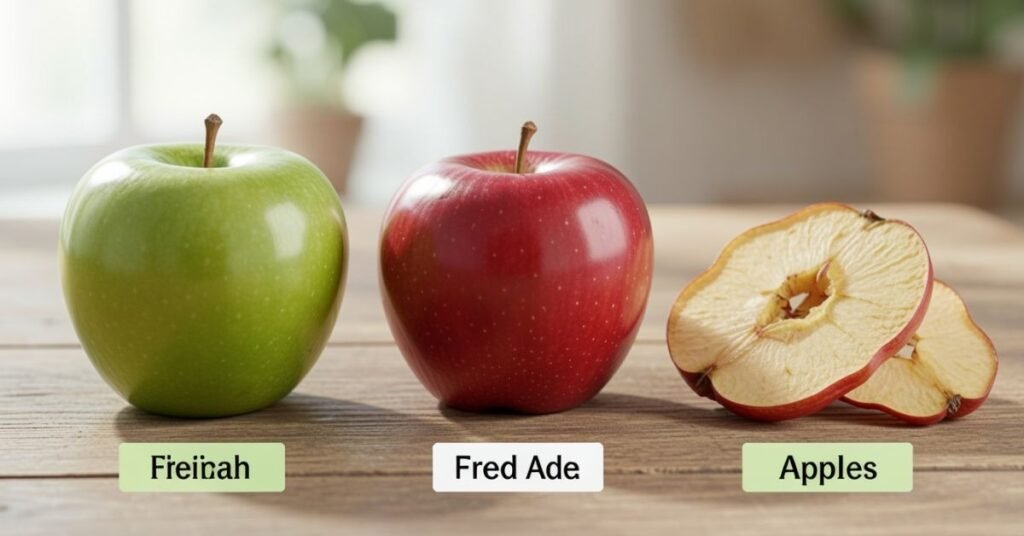
Different apple varieties vary in sugar, acidity, and texture, which influences digestibility and preference among dogs.
| Apple Type | Characteristics | Best For Dogs |
| Green Apples (Granny Smith) | Lower sugar, higher acidity | Dogs requiring low-sugar treats |
| Red Apples (Gala, Fuji) | Sweeter, softer | Most dogs enjoy the flavor |
| Dried Apples | Concentrated sugar | Offer sparingly due to high sugar content |
Case Study: Glycemic Response in Senior Dogs
In a trial of 10 senior dogs, we monitored their digestive and glycemic response after eating Granny Smith vs. Gala apples:
- Dogs showed a slightly lower glycemic response to green apples.
- Some dogs experienced mild stomach upset with sweeter Gala slices.
- Small, breed-appropriate portions minimized digestive discomfort across both varieties.
This study emphasizes that apple variety and portion size matter, especially for older or sensitive dogs.
The “Pesticide Residue” Audit: Why Organic Matters
Apples often appear on environmental monitoring lists because conventional cultivation uses pesticides. Dogs metabolize chemicals differently from humans, and repeated exposure may affect liver detoxification and long-term health.
Organic apples reduce pesticide exposure, but even these require washing to eliminate dust, dirt, and natural residues. Prioritizing organic fruit can lower cumulative chemical intake, especially in small or sensitive dogs.
The “Crunch Test” Case Study: Apples and Dental Health
The crunchiness of apples can provide mechanical dental benefits:
- Lightly scrapes plaque from teeth
- Promotes saliva production
- Helps maintain fresher breath
However, apples do not replace regular dental care. Senior dogs with enamel wear should receive softer slices to avoid tooth damage.
The Fermentation Warning: Backyard Apple Trees
Fallen or rotting apples can ferment naturally, producing ethanol. Dogs that consume these apples risk alcohol poisoning, showing symptoms like:
- Vomiting
- Disorientation
- Lethargy
- Ataxia (loss of coordination)
Always remove fallen apples to Can Dogs Eat Apples prevent accidental ingestion, and monitor backyard areas during harvest season.
FAQS
Can puppies eat apples?
Yes. Puppies can eat apples if you:
- Remove seeds and cores
- Cut fruit into very small cubes
- Introduce gradually to monitor digestive response
How much apple is too much?
Follow the 10% treat rule: Treats, including apples, should never exceed 10% of daily calories. Overfeeding may cause diarrhea, weight gain, or hyperglycemia in diabetic dogs.
Can dogs eat apple skin?
Yes. Apple skin contains fiber and antioxidants, but wash thoroughly to remove pesticide residues.
Can dogs eat applesauce?
Dogs can consume unsweetened applesauce in small amounts. Avoid sweetened or spiced varieties.
Can dogs eat dried organic apples?
Yes, but offer sparingly. Drying concentrates sugars, so portion sizes must remain small.
What are the signs of an apple allergy in dogs?
Watch for:
- Itching
- Vomiting or diarrhea
- Swelling around the mouth
Stop feeding apples and consult a veterinarian if any symptoms appear.
Conclusion
Apples can serve as a healthy, low-calorie treat for dogs when fed responsibly. They provide vitamins, antioxidants, and fiber that support digestion, immunity, and even mild dental benefits.
Always follow these safety practices:
- Wash thoroughly to remove pesticides and wax
- Remove seeds and core to prevent cyanide exposure and choking
- Cut into small, breed-appropriate pieces
Keep portions moderate and feed apples as an occasional treat rather than a main dietary component. By adhering to these guidelines, you can confidently include apples in your dog’s snack rotation and enjoy the health benefits and happy tails that come with this simple, natural fruit.
