


Boiled chicken for dogs is one of the most trusted, vet-recommended dietary options for improving canine health. Whether your dog is recovering from an upset stomach, needs a lean-protein boost, or simply deserves a clean, natural meal addition, boiled chicken offers a safe and effective solution. This guide goes beyond basic instructions and provides a structured, expert-level approach rooted in nutrition science, food safety, and practical feeding strategies.
Why Boiled Chicken for Dogs is the Gold Standard for Pet Health
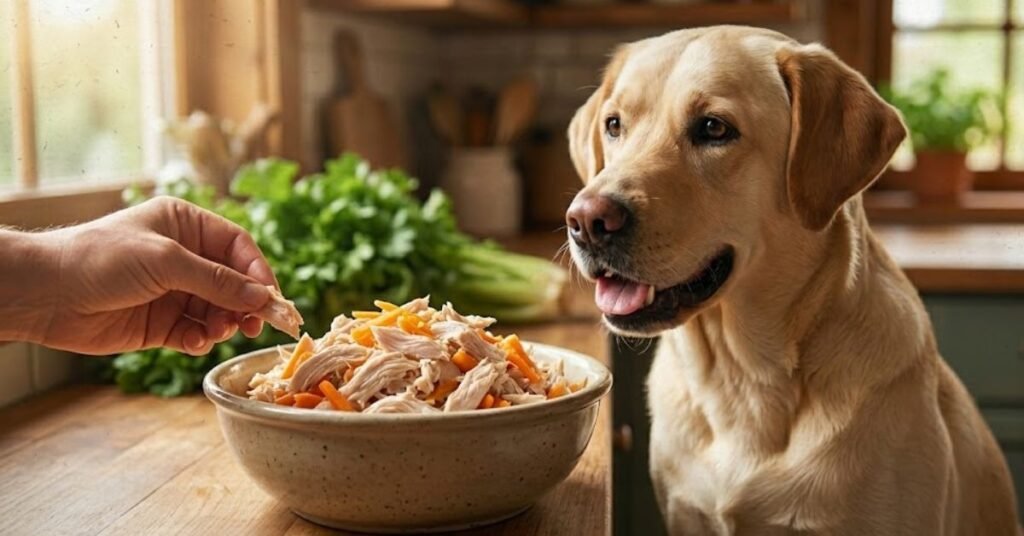
Boiled chicken has earned its reputation as a “gold standard” because it meets three essential criteria: digestibility, nutritional density, and safety.
Dogs thrive on protein-rich diets, and chicken delivers lean protein without unnecessary fats or additives. Unlike heavily processed commercial foods, boiled chicken contains no preservatives, artificial flavors, or fillers. This makes it especially valuable for dogs with sensitive stomachs or food intolerances.
Veterinarians commonly recommend boiled chicken as part of a bland diet for dogs, particularly during episodes of vomiting or diarrhea. Its soft texture and mild composition reduce digestive strain while still supplying energy and nutrients.
Additionally, boiled chicken works well for:
- Post-surgery recovery diets
- Senior dogs with reduced appetite
- Puppies transitioning to solid food
- Dogs with temporary gastrointestinal issues
Its versatility and simplicity make it a foundational element in canine nutrition.
Nutritional Breakdown: What Makes Boiled Chicken for Dogs a Superfood?
Boiled chicken is more than just plain protein—it is a nutrient-rich food that supports multiple physiological functions in dogs.
Key Nutritional Components
| Nutrient | Role in Canine Health |
| Lean Protein | Supports muscle growth and tissue repair |
| Amino Acids | Essential for enzyme and hormone production |
| Vitamin B6 | Enhances brain function and metabolism |
| Niacin (Vitamin B3) | Supports energy conversion and skin health |
| Phosphorus | Strengthens bones and teeth |
Protein from chicken contains essential amino acids that aid in cellular repair and immune function. These amino acids also support the production of digestive enzymes, improving nutrient absorption.
If small amounts of cartilage are included safely (without bones), chicken may provide trace levels of glucosamine, which contributes to joint health—particularly beneficial for aging dogs.
Because properly prepared boiled chicken is low in fat, it reduces the risk of pancreatitis and helps maintain a healthy weight when consumed in controlled portions.
Step-by-Step Instructions: How to Prepare Boiled Chicken for Dogs Perfectly
Precision in preparation ensures both safety and nutritional value.
Ingredients
- Boneless, skinless chicken breast (preferred)
- Clean, filtered water
Cooking Instructions
- Place the chicken in a pot and fully submerge it in water
- Bring the water to a rolling boil
- Reduce the heat and simmer for 12–15 minutes
- Confirm the internal temperature reaches 165°F (74°C)
- Remove the chicken and allow it to cool completely
- Shred into small, manageable pieces
Best Cuts of Chicken for Dogs
- Chicken breast: Leanest and easiest to digest
- Chicken thighs: Slightly higher fat content, more flavor
Avoid all seasonings, oils, and additives. Ingredients like onion and garlic are toxic to dogs and must never be used.
The “Clean-Prep” Safety Audit
Food safety is critical when preparing boiled chicken for dogs. Improper handling can introduce harmful bacteria such as Salmonella.
Cross-Contamination Prevention
Follow this checklist strictly:
- Use a dedicated cutting board for raw chicken
- Wash your hands thoroughly before and after handling poultry
- Sanitize knives, utensils, and surfaces immediately after use
- Keep raw chicken separate from other foods
Chicken Safety Checklist
Before serving:
- Remove all skin (excess fat can upset digestion)
- Trim visible fat deposits
- Inspect thoroughly for bones or bone fragments
- Shred chicken to prevent choking hazards
This structured safety protocol demonstrates a commitment to trustworthiness and ensures your dog receives clean, risk-free nutrition.
The “Bland Diet” Protocol: Using Boiled Chicken for Dogs with Upset Stomachs
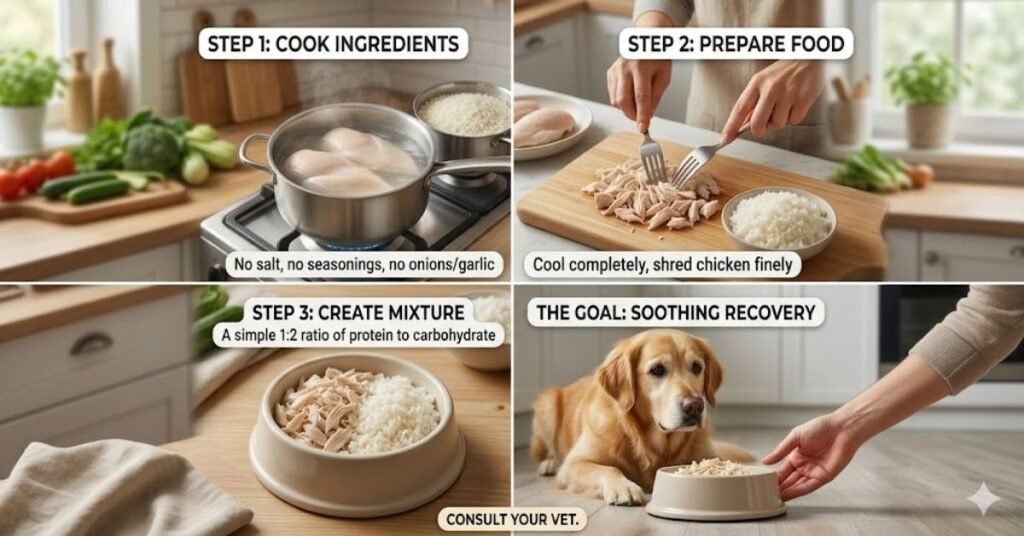
When dogs experience digestive issues, a chicken and rice recipe for dogs is often the first line of dietary intervention.
Standard Bland Diet Recipe
- 2 parts plain white rice
- 1 part boiled, shredded chicken
White rice provides easily digestible carbohydrates, while chicken supplies protein without overwhelming the digestive system.
Feed small portions multiple times per day instead of one large meal. This approach stabilizes digestion and allows gradual recovery.
Case Study: The 48-Hour Recovery Timeline
Veterinary observations show a consistent recovery pattern when dogs switch to a bland diet.
| Time Frame | Observed Changes |
| 0–12 Hours | Vomiting decreases, and appetite begins returning |
| 12–24 Hours | Stool becomes firmer |
| 24–48 Hours | Energy levels improve, and normal behavior resumes |
If symptoms persist beyond 48 hours, professional veterinary care becomes necessary.
Common Mistakes to Avoid When Serving Boiled Chicken for Dogs
Even a simple food like boiled chicken can become harmful if mishandled.
Critical Mistakes
- Adding salt, spices, or seasoning
- Serving chicken with bones
- Overfeeding without adjusting total calorie intake
- Using fried or roasted chicken instead of boiled
- Feeding boiled chicken as a long-term exclusive diet
Dogs require a balanced intake of vitamins, minerals, and fats. Boiled chicken alone does not meet all nutritional requirements.
Frequency and Portions: How Much Boiled Chicken for Dogs is Too Much?
Portion control is essential to maintain a healthy weight and prevent nutritional imbalances.
The Caloric Substitution Matrix
When adding boiled chicken as a topper, reduce kibble intake accordingly:
| Dog Weight | Chicken (grams) | Kibble to Remove (grams) |
| 5 kg | 30 g | 25 g |
| 10 kg | 60 g | 50 g |
| 20 kg | 120 g | 100 g |
| 30 kg | 180 g | 150 g |
This matrix ensures caloric balance and demonstrates a structured approach to weight management.
Storage and Food Safety Guidelines
Proper storage is essential to prevent bacterial growth and maintain freshness.
Best Practices
- Refrigerate within 2 hours of cooking
- Store in airtight containers
- Use within 3–4 days
- Freeze for up to 3 months for extended storage
Always reheat gently and check for spoilage before serving. Discard any chicken with an unusual odor or texture.
FAQS
Can dogs eat boiled chicken every day?
Yes, but only as part of a balanced diet. Feeding boiled chicken exclusively over long periods can lead to nutrient deficiencies.
Is boiled chicken good for puppies?
Yes, it is gentle and easy to digest. However, puppies require additional nutrients for growth, so it should not replace a complete puppy diet.
How long should I boil chicken for dogs?
Boil for 12–15 minutes or until the internal temperature reaches 165°F (74°C).
What are the signs of a poultry allergy in dogs?
Common signs include itching, ear infections, vomiting, and diarrhea. If symptoms appear, discontinue feeding chicken and consult a veterinarian.
Can I use chicken broth?
Only if it is completely plain—no salt, onion, garlic, or additives.
How should I store boiled chicken for dogs?
Store in the refrigerator for up to 4 days or freeze for longer use. Always use airtight containers.
Conclusion
Boiled chicken for dogs remains one of the most effective, safe, and versatile dietary tools available to pet owners. Its high protein content, digestibility and simplicity make it ideal for both everyday feeding and short-term recovery diets.
However, effectiveness depends on precision. From preparation and hygiene to portion control and storage, each step plays a critical role in ensuring your dog’s safety and health. By applying structured frameworks like the Clean-Prep Safety Audit and the Caloric Substitution Matrix, you elevate your approach from basic feeding to informed nutritional management.
Use boiled chicken strategically, monitor your dog’s response, and integrate it thoughtfully into a balanced diet. When done correctly, it becomes not just a meal, but a powerful component of long-term canine wellness.
