

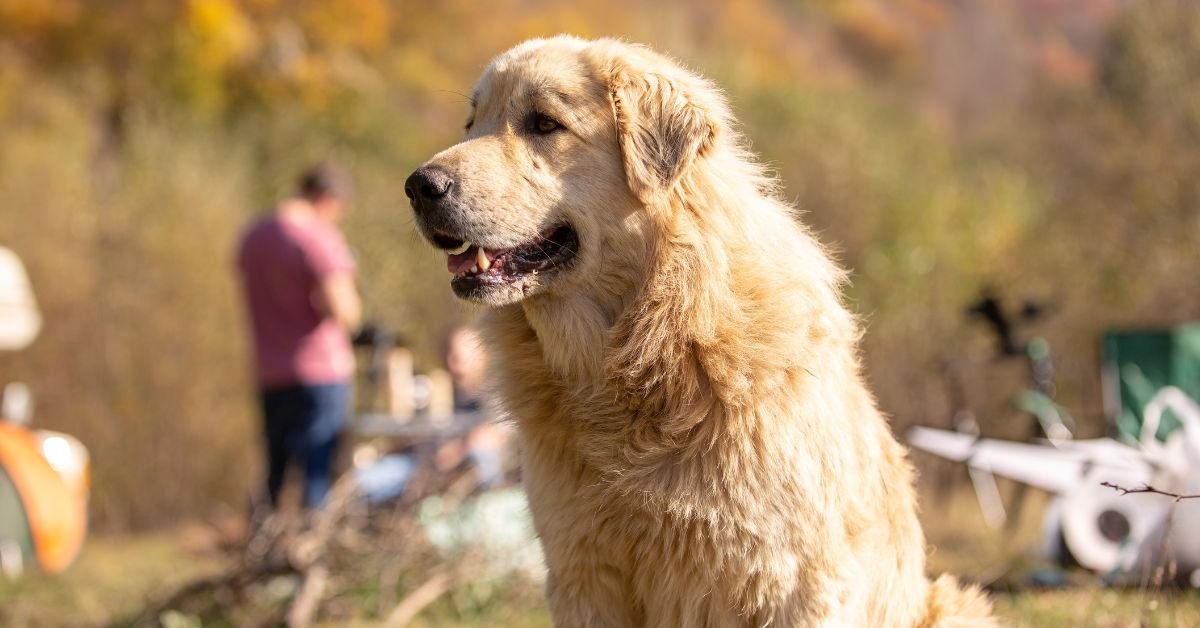
The Golden Retriever and the Bernese Mountain Dog combine loyalty, intelligence, and working-dog strength into one impressive hybrid.
Many families search for a Golden Retriever Bernese Mountain Dog mix because they want a gentle giant with strong family instincts. In this guide, I break down temperament, lifespanGolden Mountain Dog, health risks, coat care, exercise needs, and real ownership expectations so you can decide if this large-breed hybrid truly fits your home.
What Is a Golden Mountain Dog?
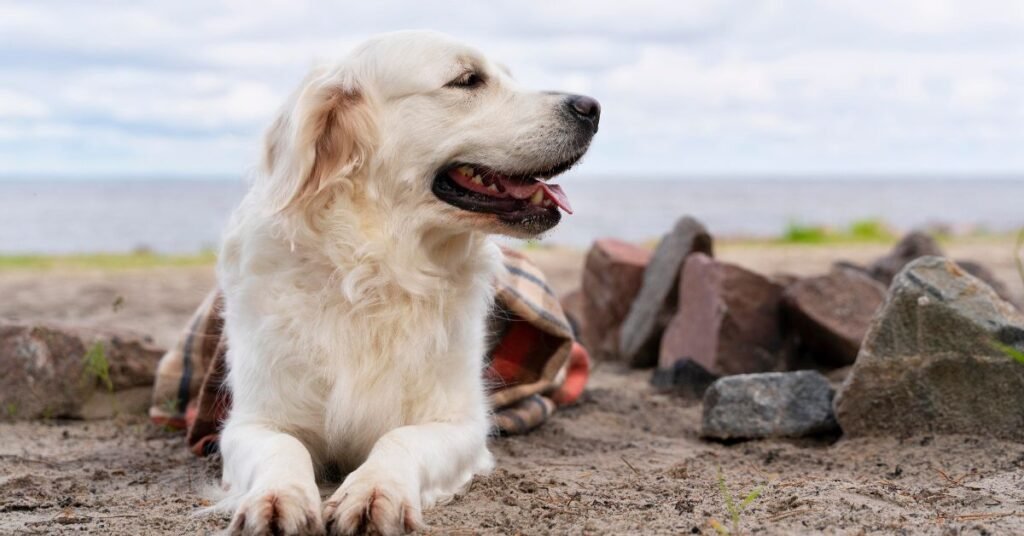
Breeders created the Golden Mountain Dog by crossing a Golden Retriever with a Bernese Mountain Dog. Some owners register these hybrids through AKC Canine Partners for activities and sports participation, although the AKC does not recognize the mix as a purebred.
This hybrid typically belongs to the working-dog type and often reflects traits of the Bernese Mountain Dog’s Working Group classification: strength, trainability, and family attachment.
Dog Temperament
Most Golden Mountain Dogs display:
- Gentle, affectionate personality
- Strong attachment to family members
- Good compatibility with children
- Moderate watchdog instincts
- High trainability
Are Golden Mountain Dogs Good With Kids?
Yes, most Golden Mountain Dogs do very well with children. Both parent breeds show patience and loyalty. However, their large size means you must supervise interactions with toddlers to prevent accidental knocking over.
Do Golden Mountain Dogs Have a High Prey Drive?
Most individuals show a moderate prey drive. Retrievers often display retrieving instincts, while Bernese Mountain Dogs show lower chase tendencies. Early training and socialization reduce unwanted chasing behavior.
Full-Grown Golden Mountain Dog Size
Expect a large, powerful dog.
| Trait | Range |
| Height | 23–28 inches |
| Weight | 70–110+ pounds |
| Build | Muscular, broad chest |
| Coat | Thick double coat |
Some dogs lean more toward Golden Retriever proportions, while others resemble the heavier Bernese frame.
Golden Mountain Dog Lifespan
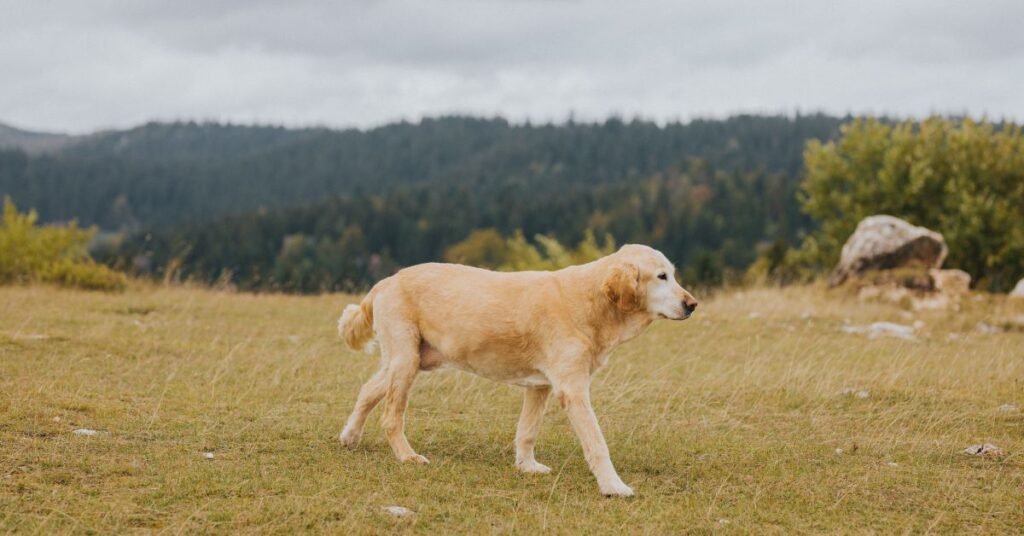
The average Dog lifespan ranges from 9 to 12 years. Proper weight management, joint care, and preventative screening significantly impact longevity.
Section A: The “Hybrid Vigor” Reality Check
Many breeders promote hybrid vigor, claiming mixed breeds avoid inherited diseases. While crossbreeding can reduce some genetic risks, it does not eliminate them.
Both parent breeds share overlapping hereditary conditions.
Common Hereditary Conditions Comparison
| Condition | Golden Retriever | Bernese Mountain Dog | Risk in Mix |
| Hip dysplasia | Common | Common | Moderate to High |
| Elbow dysplasia | Present | Present | Moderate |
| Subaortic stenosis | Occasional | Documented | Possible |
| Cancer | High incidence | Very high incidence | Still elevated |
| Eye disorders | Present | Present | Possible |
Where Hybrid Vigor Helps — and Where It Fails
Hybrid vigor may reduce the probability of identical recessive genes pairing up. However, because both parent breeds share hip dysplasia, elbow dysplasia, and certain cardiac conditions like subaortic stenosis, the mix can still inherit them.
Section B: Coat Type Probability Matrix
The Golden Mountain Dog almost always inherits a double coat, meaning it sheds heavily—especially seasonally.
The Three Main Coat Types
| Coat Type | Texture | Shedding Level | Grooming Frequency |
| Wavy/Silky | Soft, flowing | High | 3–4x weekly |
| Dense/Flat | Thick, straight | Very High | 4–5x weekly |
| Coarse (Bernese-leaning) | Heavy undercoat | Extreme seasonal | Daily during shedding |
Shedding Scale
1 – Low
2 – Moderate
3 – High
4 – Very High
5 – Snowstorm
Most Golden Mountain Dogs rank 4–5.
Seasonal Grooming Calendar
| Season | Grooming Focus |
| Spring | Heavy de-shedding (undercoat rake) |
| Summer | Weekly maintenance brushing |
| Fall | Second shedding cycle |
| Winter | Monitor matting behind ears and legs |
Grooming a Golden Mountain Dog puppy: Start brushing routines at 8 weeks to build tolerance. Use a slicker brush for surface hair and an undercoat rake during seasonal blows.
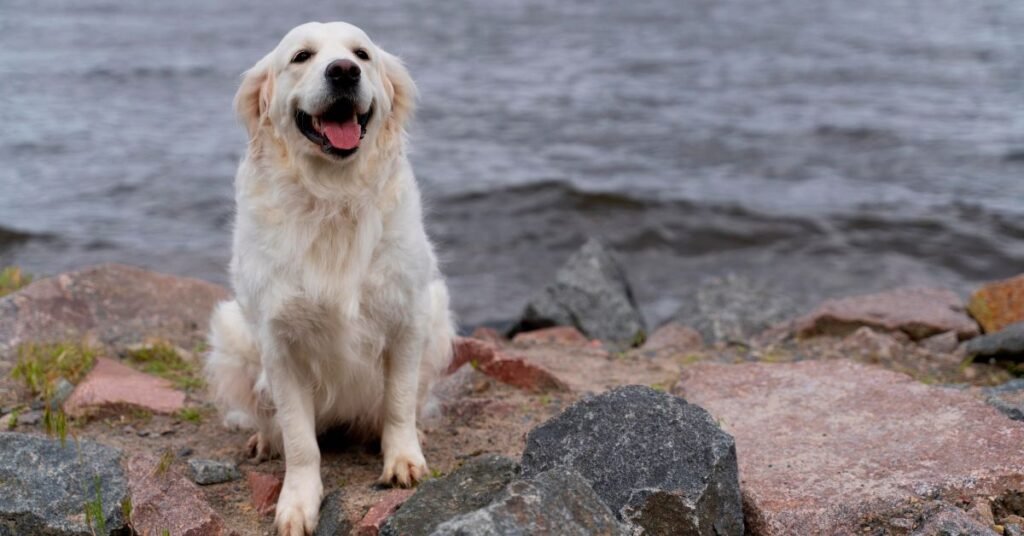
Section C: Developmental Timeline – The “Gentle Giant” Puppy Phase
Large-breed hybrids require structured growth management.
8–16 Weeks: Critical Socialization Window
Expose your puppy to:
- Different surfaces
- Children and adults
- Calm dogs
- Grooming tools
Positive exposure during this window prevents fear-based behaviors later.
4–8 Months: Rapid Growth
Avoid over-exercising. Growth plates remain open, and excessive running or stair climbing increases joint stress.
8–18 Months: Adolescent Phase
Training consistency matters most here. Many owners underestimate this phase and allow unwanted habits to form.
18–24 Months: Physical Maturity
Your Golden Mountain Dog reaches near full size. Mental maturity may still lag slightly.
How Much Exercise Does a Golden Mountain Dog Need?
Provide 60–90 minutes of daily exercise, including:
- Structured walks
- Controlled play
- Mental stimulation games
- Obedience sessions
Avoid forced jogging before 18 months to protect joint development.
Golden Mountain Dog vs. Goldendoodle
| Feature | Golden Mountain Dog | Goldendoodle |
| Size | Large to Giant | Medium to Large |
| Shedding | Heavy | Low to Moderate (varies) |
| Coat | Double coat | Often curly/single |
| Grooming Cost | Moderate | High (professional trims) |
| Temperament | Calm, loyal | Energetic, social |
Choose the Golden Mountain Dog if you want a heavier, calmer working-type companion. Choose a Goldendoodle if you prioritize lower shedding.
Golden Mountain Dog Health Issues
Common Bernese Golden Retriever mix health issues include:
- Hip dysplasia
- Elbow dysplasia
- Certain cancers
- Heart conditions
- Obesity-related joint stress
Select breeders who perform:
- OFA hip certification
- Cardiac screening
- Eye exams
Finding Responsible Golden Mountain Dog Breeders
Ask breeders:
- Do you do health test both parents?
- Can I see OFA results?
- Do you provide early neurological stimulation?
- Do you offer lifetime return contracts?
Avoid breeders who advertise “rare colors” at inflated prices without health documentation.
Is Your Home Ready for a 100-Pound Dog?
Before bringing home a Golden Mountain Dog, evaluate:
- Space for a large crate
- Budget for large-breed food
- Grooming commitment
- Veterinary expenses
- Time for training and exercise
If you live in a small apartment and travel frequently, this breed will likely overwhelm your lifestyle.
FAQs
1. Are Golden Mountain Dogs good for first-time owners?
Golden Mountain Dogs can be a good fit for committed first-time owners. You must stay consistent with training and grooming. Their large size requires confident handling and a clear structure.
2. Do Golden Mountain Dogs drool?
Some Golden Mountain Dogs drool moderately, especially if they inherit stronger traits from the Bernese side.
3. How much does a Golden Mountain Dog cost?
A Golden Mountain Dog typically costs between $1,500 and $3,000. Reputable breeders who conduct health testing often charge higher prices.
4. Do they bark a lot?
Golden Mountain Dogs usually bark at a moderate level. They alert their owners to strangers but rarely bark excessively.
5. Can they live in hot climates?
Their thick double coat makes hot weather difficult. Owners should provide constant shade, indoor cooling, fresh water for the dog, and limit outdoor activity during peak heat hours.
Conclusion
The Golden Mountain Dog offers loyalty, intelligence, and the heart of a gentle giant—but it demands serious grooming, structured training, and proactive health management.
Do not choose this breed for convenience. Choose it because you want an involved, affectionate, large companion, and you accept the responsibility that comes with a 100-pound, double-coated working hybrid.
If you prepare properly, you will gain a devoted Best family Dog member who thrives in active,
engaged households.
