
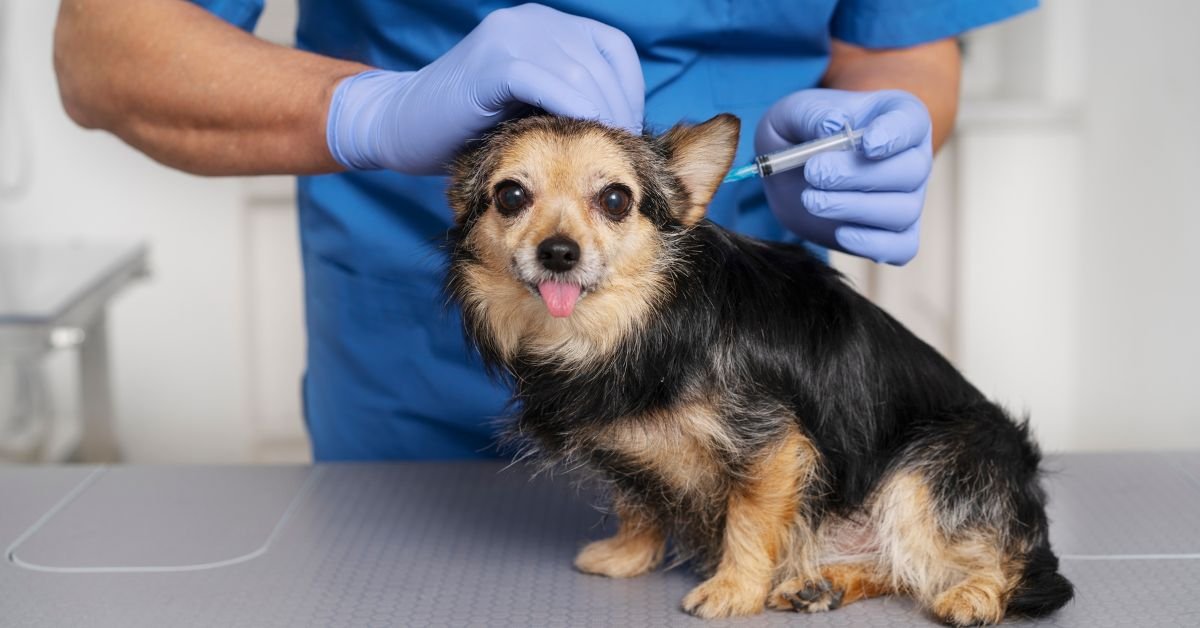
Many dog owners worry about kennel cough, especially when their pets visit groomers, daycare centers, boarding facilities, or dog parks. Social environments increase exposure to airborne respiratory pathogens. In this comprehensive guide, I explain how the Bordetella vaccine for dogs works, compare intranasal vs. injectable Bordetella options, examine side effects, discuss cost, and answer the most common concerns pet parents raise.
I rely on veterinary immunology principles, peer-reviewed research published in 2025 and 2026, and real-world outbreak management strategies used in high-density canine environments.
Understanding Kennel Cough and Canine Infectious Respiratory Disease Complex (CIRDC)
Veterinarians use the term Canine Infectious Respiratory Disease Complex (CIRDC) to describe a group of highly contagious respiratory infections that affect dogs. Multiple pathogens contribute to CIRDC, which explains why dogs can develop coughing even after vaccination.
CIRDC spreads easily in enclosed spaces through airborne droplets, direct contact, and contaminated surfaces. Boarding facilities, dog parks, grooming salons, and training classes all create ideal conditions for transmission.
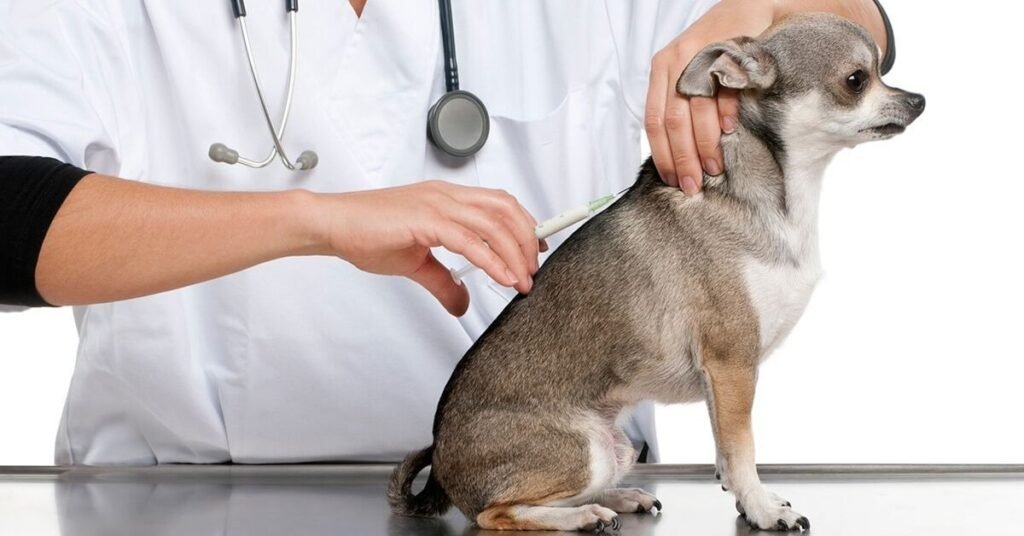
What Causes Kennel Cough?
Several infectious organisms trigger respiratory illness:
| Pathogen | Type | Role in Disease |
| Bordetella bronchiseptica | Bacteria | Primary cause of classic kennel cough |
| Parainfluenza virus | Virus | Weakens airway defenses |
| Canine Influenza virus | Virus | Causes flu-like respiratory illness |
| Mycoplasma | Bacteria | Contributes to secondary infections |
The bacterium Bordetella bronchiseptica frequently causes the classic “goose-honk” cough that owners recognize. However, viruses such as parainfluenza or canine influenza often initiate infection by weakening the respiratory lining first.
How the Bordetella Vaccine Works
The kennel cough vaccine primarily targets Bordetella bronchiseptica. Some formulations also include protection against parainfluenza.
Veterinarians classify the Bordetella vaccine as a non-core vaccine, which means they recommend it based on lifestyle and exposure risk rather than universally for every dog.
Core vs. Non-Core Vaccines
| Vaccine Type | Examples | Recommended For |
| Core Vaccines | Rabies, Distemper, Parvovirus | All dogs |
| Non-Core Vaccines | Bordetella, Lyme | Dogs with specific risk factors |
If your dog attends daycare, participates in training classes, visits dog parks, or boards frequently, your veterinarian will likely recommend the Bordetella vaccine.
What Does the 2026 Research Say?
Recent peer-reviewed studies confirm that Bordetella vaccination significantly reduces clinical signs. A 2025 study published in Frontiers in Veterinary Science found that oral vaccination reduced clinical signs associated with Bordetella bronchiseptica in only 9% of vaccinated dogs compared to 74% of unvaccinated dogs.
Additionally, in January 2026, the U.S. Department of Agriculture approved TruCan Ultra B Oral, a new smaller-dose oral Bordetella vaccine developed by Elanco Animal Health. In a controlled study, this vaccine showed a preventable fraction of 93% for cough associated with Bordetella bronchiseptica.
A separate 2026 study published in the journal Vaccines also demonstrated that all three tested vaccine doses significantly reduced the total clinical score and spontaneous coughing compared to unvaccinated control dogs.
These findings confirm that modern Bordetella vaccines are both safe and highly effective when properly administered.
Intranasal vs. Injectable Bordetella: Which Works Better?
Veterinarians offer three delivery methods:
- Intranasal
- Oral
- Injectable
Veterinarians offer three delivery methods: Intranasal, Oral, and Injectable. Each method stimulates the immune system differently.
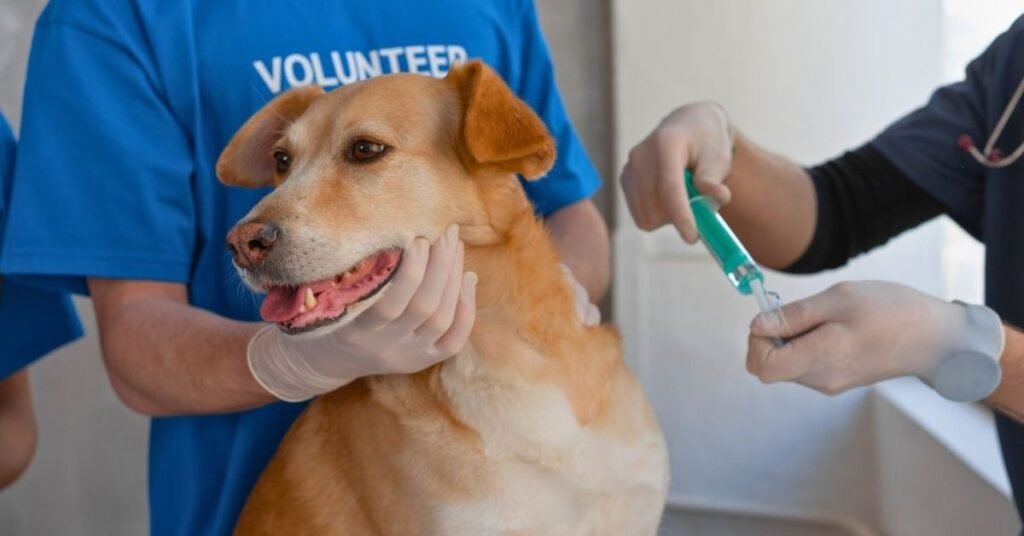
The Delivery Method Breakdown
1. Intranasal Bordetella Vaccine
Veterinarians administer this vaccine directly into the nose.
Likhen ke Oral vaccine ki immunity lagbhag 13 mahine tak barkarar reh sakti hai. Yeh un kutton ke liye “Stress-Free” option hai jo naak mein spray (intranasal) pasand nahi karte
How it works:
It stimulates local mucosal immunity by producing IgA antibodies in the respiratory tract. These antibodies defend the exact location where infection begins.
Protection speed:
Most dogs develop protection within 48–72 hours.
Best suited for:
- Dogs entering boarding soon
- Dogs in high-density environments
- Dogs requiring rapid immunity
2. Oral Bordetella Vaccine
Veterinarians place this vaccine inside the cheek pouch.
The oral vaccine stimulates mucosal immunity similarly to the intranasal option. Many dogs tolerate this method well because it avoids nasal administration.
3. Injectable Bordetella Vaccine
Veterinarians inject this vaccine under the skin.
How it works:
It stimulates systemic immunity by triggering IgG antibody production in the bloodstream.
Protection speed:
Dogs typically develop protection over 7–14 days.
Immune Response Timeline
| Vaccine Type | Immune Response Location | Protection Timeline |
| Intranasal | Local respiratory tract (IgA) | 2–3 days |
| Oral | Mucosal lining (IgA) | 2–3 days |
| Injectable | Systemic bloodstream (IgG) | 7–14 days |
If you need fast protection before boarding, intranasal vaccination usually provides quicker immunity.
How Long Does the Bordetella Vaccine Last?
Most veterinarians recommend booster vaccinations:
- Every 6–12 months for high-risk dogs
- Annually for moderate-risk dogs
- Lifestyle-based Schedule
Likhen ke jo kutte sirf ghar mein rehte hain aur kabhi kabhaar walk par jate hain, unke liye 1 saal ka booster kafi hai. Lekin jo kutte boarding ya doggy daycare jate hain, unke liye 6 mahine wala schedule behtar hai kyunki wahan virus load zyada hota hai.
Many daycare and boarding facilities require vaccinations every 6 months due to the constant risk of exposure. High-traffic environments increase pathogen circulation, which reduces herd immunity over time.
A peer-reviewed study published in 2025 confirmed that oral vaccination with a combination Bordetella and canine parainfluenza vaccine remains effective for at least one year following a single dose.
Many daycare and boarding facilities require vaccinations every 6 months due to the constant risk of exposure. Your veterinarian will tailor the schedule to your dog’s lifestyle, age, and overall health.
Your veterinarian will tailor the schedule to your dog’s lifestyle, age, and overall health.
Puppy Vaccination Schedule and Bordetella
Senior dogs aged 7 years and older can still receive the Bordetella vaccine. However, the veterinarian evaluates overall health first. Aging immune systems may produce a slower vaccine response, so booster schedules may be adjusted. If your senior dog remains socially active, vaccination is still strongly recommended.
Bordetella Vaccine Side Effects
Most dogs tolerate the Bordetella vaccine very well. Mild side effects often reflect a healthy immune response.
Normal Immune Responses (First 72 Hours)
Dogs may show:
- Mild sneezing (common with intranasal vaccines)
- Light nasal discharge
- Temporary lethargy
- Mild cough
- Low-grade fever
These symptoms typically resolve within a few days without intervention.
Rare Allergic Reactions
Although rare, allergic reactions require immediate veterinary care. Watch for:
- Facial swelling
- Hives
- Vomiting
- Severe lethargy
- Collapse
Veterinarians treat allergic reactions quickly and effectively when owners act promptly.
72-Hour Post-Vaccine Observation Tracker
You can follow this simple monitoring roadmap after vaccination:
| Time Frame | What to Monitor | Recommended Action |
| 0–24 Hours | Sneezing, mild lethargy | Monitor at home |
| 24–48 Hours | Appetite, energy level | Continue observation |
| 48–72 Hours | Vomiting, facial swelling, persistent cough | Contact veterinarian |
This structured approach helps you distinguish a normal immune response from a concerning reaction.
Why Is My Dog Coughing After the Bordetella Shot?
Owners often worry when coughing appears shortly after vaccination. Several explanations exist:
- The intranasal vaccine caused temporary airway irritation.
- The dog encountered an infection during the incubation period before vaccination.
- Another pathogen-triggered respiratory illness.
The incubation period for Bordetella typically ranges from 2 to 10 days. If exposure occurred before vaccination, your dog may still develop clinical signs.
The “Breakthrough Infection” Case Study
Consider this scenario:
A fully vaccinated dog attends daycare and develops a cough one week later. The owner assumes the vaccine failed.
In reality:
- The vaccine protects specifically against Bordetella bronchiseptica.
- The dog may have contracted canine influenza or another pathogen.
- The vaccine likely reduced the severity and duration of illness.
No vaccine guarantees 100% prevention. However, the Bordetella vaccine significantly reduces disease severity and limits outbreak spread in group settings.
Kennel Cough Season: When Is the Risk Highest?
From May through September, kennel cough cases increase significantly. Dog parks, boarding facilities, and outdoor training classes see higher dog traffic during spring and summer. If you are reading this in May 2026, now is the ideal time to check your dog’s vaccination schedule and confirm boosters are current before peak season activity increases.
Does My Dog Need a Bordetella Shot for Grooming?
Many grooming facilities require proof of vaccination because dogs share enclosed airspace and equipment.
You should strongly consider vaccination if your dog:
- Interacts closely with unfamiliar dogs
- Visits enclosed grooming salons
- Boards overnight
- Participates in group play
If your dog rarely leaves home and has minimal contact with other dogs, your vet Canine Infectious Respiratory Disease Complexerinarian, may adjust recommendations accordingly. Bordetella Vaccine for Dogs.
Is Bordetella Vaccine Required for Dog Parks?
Most dog parks do not officially require the Bordetella vaccine. However, it is strongly recommended. Outdoor high-traffic spaces bring together dogs from different households and exposure histories. Unvaccinated dogs in these settings face a meaningful risk of respiratory infection, especially during spring and summer when pathogen circulation increases.
Veterinary Telemedicine in 2026
Veterinary telemedicine has grown significantly in 2026. If you want to confirm your dog’s vaccine schedule, ask about post-vaccine symptoms, or get guidance on whether Bordetella is appropriate for your dog’s lifestyle, an online vet consultation is now a convenient and affordable option without requiring an in-person clinic visit.
Bordetella Vaccine Cost
Costs vary by region and clinic type.
| Service | Average Cost Range |
| Bordetella Vaccine | $20–$60 |
| Veterinary Exam (if required) | $40–$80 |
| Wellness Package Add-On | Discounted bundle pricing |
Low-cost vaccine clinics and animal shelters often provide affordable options.
FAQs
Can a dog get kennel cough after being vaccinated?
Yes. The vaccine reduces severity and transmission risk but does not prevent every respiratory infection.
How fast does the intranasal Bordetella vaccine work?
Most dogs develop protection within 48–72 hours.
How long does bordetella vaccine last?
Protection typically lasts 6–12 months, depending on exposure risk.
Does my puppy need Bordetella?
Your veterinarian may recommend it if your puppy will socialize in group environments.
Can nebulization or antitussives help treat kennel cough?
Veterinarians may use nebulization therapy to loosen airway secretions. They may prescribe antitussives for severe, non-productive coughing to improve comfort.
Can senior dogs receive the Bordetella vaccine?
Yes, though the veterinarian will assess overall health first. Booster timing may be adjusted for older dogs with slower immune responses.
What is the newest Bordetella vaccine in 2026?
In January 2026, the USDA approved TruCan Ultra B Oral by Elanco Animal Health, a new smaller-dose oral vaccine showing 93% preventable fraction against Bordetella-related cough in controlled studies.
Conclusion
The Bordetella vaccine plays a critical role in protecting socially active dogs from respiratory disease. Veterinarians recommend this non-core vaccine based on lifestyle risk rather than universal necessity.
Intranasal and oral vaccines stimulate rapid local immunity. Injectable vaccines build systemic protection over a longer timeframe. New 2026 research and updated USDA-approved formulations continue to improve how veterinarians protect dogs from kennel cough. Veterinary telemedicine also makes guidance more accessible than ever for busy pet owners.
If your dog attends daycare, visits groomers, boards frequently, or plays at dog parks, discuss Bordetella vaccination with your veterinarian today. Preventive care protects your dog, supports community health, and reduces the spread of contagious respiratory disease.
Proactive vaccination, informed monitoring, and proper scheduling give your dog the best defense against kennel cough and related respiratory infections.
