

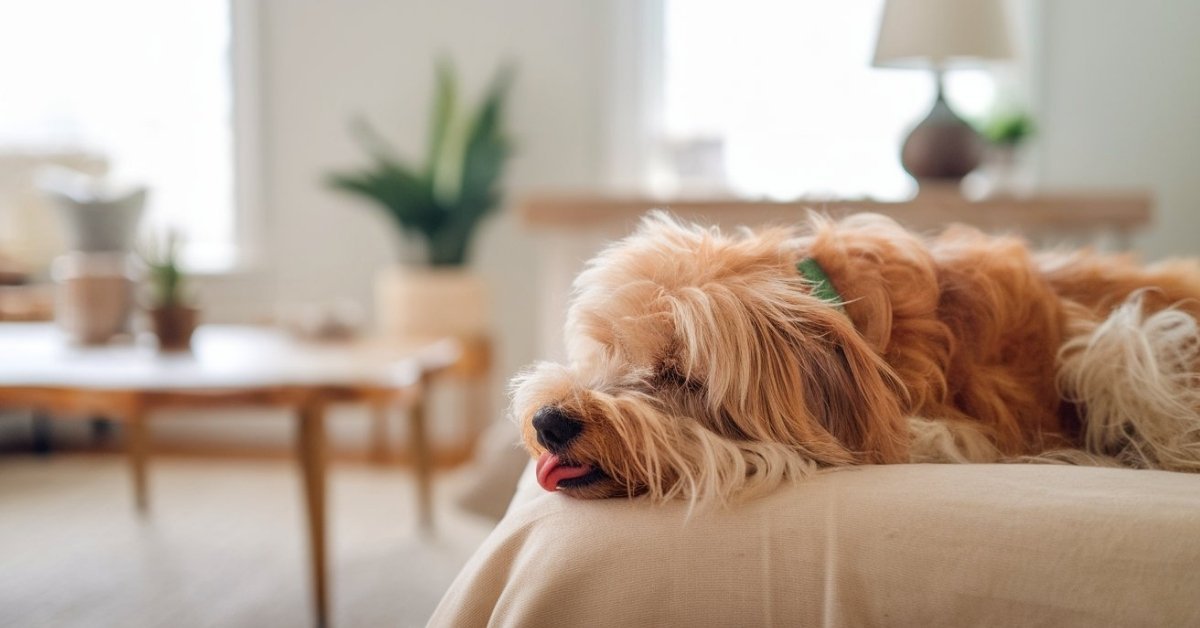
Why do dogs sleep with their tongue out? If you have ever found your dog snoozing with their tongue hanging out, you probably smiled, took a photo, and then wondered if everything was okay. The good news is that in most cases, a dog sleeping with their tongue out is completely normal and harmless.
Dogs’ tongues can show a lot about their comfort and health. Sometimes it’s just because they are relaxed. Other times, it could mean they are cooling down or even dealing with a small health issue. Understanding why your dog does this can help you care for them better.
In this article, we will explain why dogs sleep this way. You will learn the most common reasons, when to worry, and some expert tips to keep your pet happy and healthy.
Why Do Dogs Sleep With Their Tongue Out? (The Main Reasons)
Dogs often sleep with their tongue out for normal, harmless reasons. It usually means they are relaxed and comfortable. Their tongue can also help them cool down while resting. Some dogs just have a habit of letting it hang out when they are deep in sleep.
Other reasons can include minor health or dental issues. Here are the main causes:
- Relaxation: Muscles loosen during deep sleep.
- Cooling down: Dogs release heat through their tongue.
- Dental problems: Missing teeth or jaw issues can make the tongue slip out.
- Breed traits: Some small or flat-faced breeds do this more often.
Common Health Conditions Linked to “Hanging Tongue” in Dogs
Sometimes a dog’s tongue hangs out due to health issues. While it can be normal, certain conditions may cause it. These can include nerve problems, dental issues, or injuries. Being aware helps you keep your dog safe and healthy.
Here are some common conditions linked to a hanging tongue:
- Dental problems: Missing teeth or jaw injuries can make it hard to keep the tongue inside.
- Nerve damage: Problems with the nerves controlling the tongue can cause it to hang out.
- Infections or injuries: Tongue wounds or mouth infections may lead to discomfort and protrusion.
- Genetic conditions: Some breeds are more prone to tongue-hanging due to inherited traits.
Is Hanging Tongue Syndrome a Cause for Concern?
Hanging Tongue Syndrome happens when a dog’s tongue hangs out all the time. Some dogs are born with it, while others develop it due to nerve or muscle problems. In many cases, it is harmless and just part of their unique look.
However, it can sometimes cause problems. A tongue that stays out can get dry, cracked, or infected. If you notice swelling, bleeding, or trouble eating, it’s best to see a vet. Regular checkups can keep your dog safe and comfortable.
The Role of Breed Genetics and Anatomy
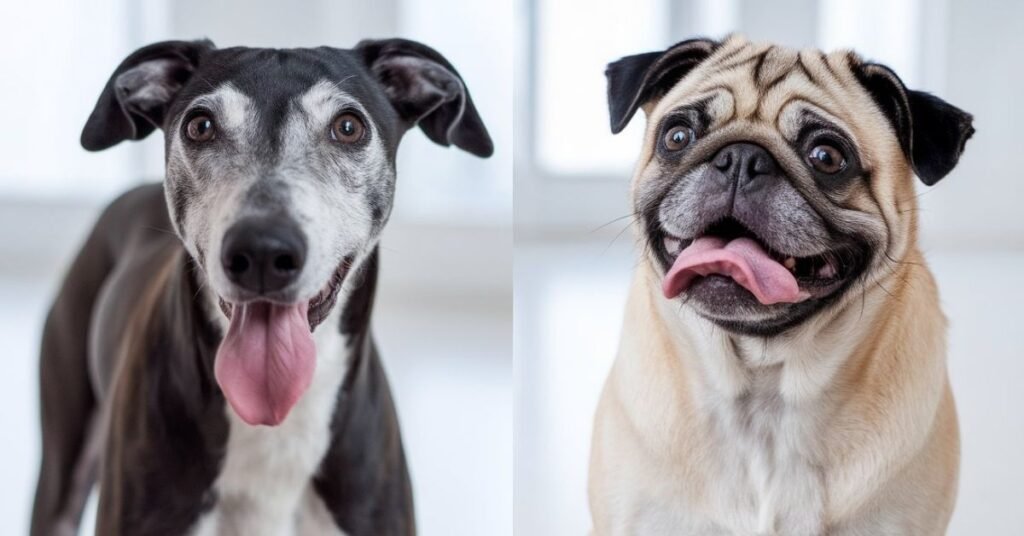
Some dogs naturally sleep with their tongue out because of their breed and body structure. Flat-faced breeds like Pugs and Bulldogs often show this behavior. Their short jaws and small mouths can make it easier for the tongue to slip out while sleeping.
Genetics also plays a role. Certain traits, like loose lips or longer tongues, make this more common. Here are some factors:
- Flat-faced breeds: Pugs, Bulldogs, and Shih Tzus.
- Long tongues: Some dogs have naturally long tongues that hang out.
- Loose lips or a jaw shape that makes it easier for the tongue to slip.
- Inherited habits: Some dog families of dogs show this behavior more often.
Why Do Senior Dogs Sleep with Their Tongue Out?
- Muscle Relaxation: As dogs age, their jaw muscles naturally loosen during sleep, causing the tongue to slip out.
- Missing Teeth: Senior dogs often lose their front teeth, leaving nothing to hold the tongue in place while sleeping.
Dog Sleeping with Tongue Out and Twitching or SnoringDog Sleeping with Tongue Out and Twitching or Snoring
- The REM Stage: If your dog is twitching with its tongue out, it means they are in deep sleep and likely dreaming. Completely normal!
- Snoring (Kharrate): When the tongue hangs out, the airway position shifts slightly, which can increase snoring, especially in very relaxed dogs
Deep Relaxation and REM Sleep Stages in Dogs
Dogs sometimes sleep with their tongue out when they are in deep relaxation. During this stage, their muscles are completely loose. This can cause the tongue to slip out of the mouth without them noticing. It is a sign that your dog feels safe and comfortable.
REM sleep is another reason. This is the stage where dogs dream and their bodies twitch. Here’s what happens:
- Muscle relaxation: Tongue may hang out naturally.
- Dreaming: Dogs may move or twitch while asleep.
- Comfort and safety: Shows your dog feels secure in their environment.
- Temporary behavior: The tongue usually returns to normal after sleep.
When Should You Visit a Vet? (Warning Signs)
Most of the time, a dog sleeping with its tongue out is normal. But sometimes it can signal a problem. If you notice unusual signs, it’s best to check with a vet. Early attention can prevent bigger health issues.
Watch for these warning signs:
- Swelling, bleeding, or sores on the tongue
- Difficulty eating or drinking
- Excessive drooling or bad odor
- Sudden changes in behavior or energy
If you see any of these, make an appointment with your vet. Prompt care keeps your dog healthy and comfortable.
How to Keep Your Dog’s Tongue Hydrated and Healthy

A dog’s tongue can become dry, cracked, or irritated if it hangs out a lot while sleeping. This is more common in breeds with flat faces or long tongues.
Keeping your dog’s tongue healthy is important not just for comfort, but also for overall oral health. A dry or injured tongue can make eating, drinking, or even breathing uncomfortable for your pet.
Here are some practical ways to keep your dog’s tongue healthy:
- Fresh water all the time: Make sure your dog always has access to clean water. Hydration helps keep the tongue moist and prevents dryness.
- Soft and moist treats: Treats like wet dog food, frozen yogurt for dogs, or ice cubes can help hydrate the tongue while being a fun snack.
- Oral hygiene care: Brush your dog’s teeth regularly or use vet-approved mouth rinses. This prevents bacteria buildup that could irritate the tongue.
- Regular vet checkups: Vets can catch dental problems, tongue injuries, or infections early. They can also advise if your dog’s tongue sticking out is linked to any underlying health condition.
- Monitor changes: Watch for color changes, swelling, or cracks on the tongue. These could indicate dehydration or infection and need attention.
By keeping your dog’s tongue clean, hydrated, and monitored, you help them stay comfortable and healthy while sleeping and even during playtime.
FAQS
1. Is it normal for a senior dog to sleep with its tongue out?
Yes, it is very common. As dogs age, their jaw muscles relax more deeply, or they may have missing teeth that used to keep the tongue in place. Unless the tongue is extremely dry or bleeding, it is usually just a sign of an aging, happy dog.
2. Why is my dog’s tongue twitching while sleeping with it out?
This usually happens during the REM (Rapid Eye Movement) stage of sleep. It means your dog is dreaming! The twitching is a natural muscle response and is completely harmless.
3. What does it mean if my dog sleeps with its tongue out and eyes open?
While it looks scary, it is often normal deep relaxation. Some dogs don’t fully close their eyelids when they are in a very deep sleep. However, if the eyes look dull or the dog doesn’t wake up easily, consult a vet.
4. Why does my dog stick only the tip of his tongue out while sleeping?
This is often called a “blep.” It happens when a dog is so relaxed that the tongue slips past the teeth. It’s a sign of total comfort and is very common in small breeds and brachycephalic dogs like Pugs.
5. Should I worry if my dog is snoring with its tongue out?
Snoring is common when the tongue is out because the airway position changes slightly. As long as your dog isn’t struggling to breathe or gasping for air, it is just a sign of deep, relaxed snoring.
Conclusion
Sleeping with their tongue out is usually normal for dogs. It shows they are relaxed, comfortable, or cooling down. For most dogs, it is just a harmless and cute habit.
However, you should watch for warning signs. Swelling, bleeding, or difficulty eating may need a vet visit. By keeping your dog’s tongue clean, hydrated, and monitored, you can help them stay healthy and happy.
