

Introduction
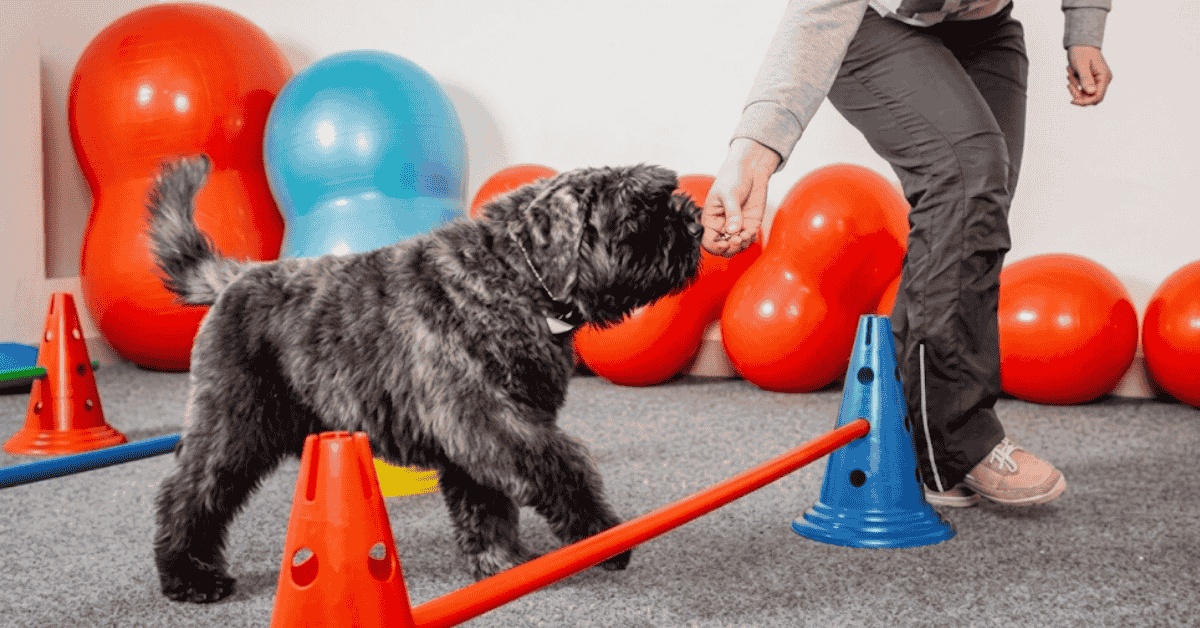
How to Train a Dog at Home. Training a dog at home means teaching your dog basic rules, good behaviour, and simple commands in your own space. You do not need special tools or professional trainers. With patience, consistency, and small daily steps, any dog owner can start training at home.
Updated April 2026: New enrichment techniques and mental stimulation tips added — backed by latest vet research.
Many dog owners feel confused or worried about where to begin. You might think training is too hard or only for experts. The good news is that it is easier than it seems. Even beginners can train their dogs successfully at home with a clear plan.
I have seen many pet owners struggle because they think training requires hours of work. But through my experience with different breeds, I’ve realized that even 10 minutes of consistent daily practice can transform a dog’s behavior. Here is exactly what worked for me
Training your dog at home also helps you build a strong bond. Unlike a training class, you spend quality time together in a safe and familiar environment. Your dog learns to trust you, and you learn to understand your dog’s behavior.
In this guide, you will learn practical ways to train your dog at home. We will cover basic commands, daily routines, tips for common mistakes, and advice to make training fun for both you and your dog.
What Are the Benefits of Training My Dog?
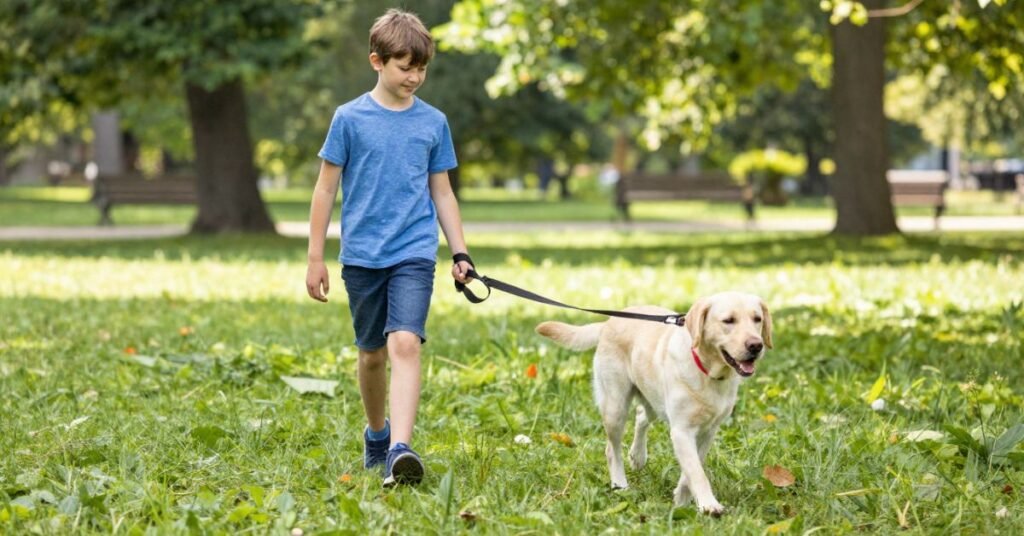
Training your dog significantly improves their quality of life both at home and in public. A well-trained dog is a confident dog; they understand what is expected of them, which reduces anxiety. This makes daily activities like greeting guests or going for walks much more enjoyable. Proper training also serves as a preventive measure against common behavioral problems such as excessive barking, destructive chewing, and jumping.
Furthermore, training provides vital mental stimulation. Just like humans, dogs need to “work” their brains to stay healthy. Learning new cues prevents boredom, which is the leading cause of “naughty” behavior. A dog that is mentally engaged through training is generally calmer and more relaxed at home. Ultimately, training ensures your dog’s safety, as commands like “come” or “stay” can prevent dangerous situations near traffic or other animals.
Top Training Tips
Start training your dog as early as possible. Keep each session short, fun, and consistent. Use the same commands every time to prevent confusion. Reward good behavior with treats, praise, or a gentle pat. Be patient, because every dog learns at a different pace.
Train your dog in a quiet place at first. Remove distractions so your dog can focus. Practice every day, even if it is only for a few minutes. End each session on a positive note. This keeps your dog motivated and excited about learning.
Helpful Dog Training Tips Table
| Tip No. | Training Tip | Why It Helps |
| 1 | Start early | Young dogs learn faster and form good habits |
| 2 | Keep sessions short | Prevents boredom and maintains focus |
| 3 | Use clear commands | Reduces confusion for your dog |
| 4 | Reward good behavior | Encourages repetition of good actions |
| 5 | Be consistent | Builds understanding and trust |
| 6 | Train daily | Improves learning and memory |
| 7 | Stay calm and patient | Creates a positive learning environment |
| 8 | Avoid shouting | Prevents fear and stress |
| 9 | Practice in quiet areas | Helps your dog focus better |
| 10 | End on a positive note | Keeps training fun and motivating |
| 11 | Handle stubborn dogs gently | Avoids frustration and encourages learning |
| 12 | Train multiple commands slowly | Helps your dog learn gradually without confusion |
What Do You Need to Start?
- High-Value Treats: Small pieces of chicken or liver work best.
- A Quiet Room: No TV or other pets around.
- A Clicker (Optional): Helps mark the exact moment your dog does something right.
- Patience: Your dog can feel your energy, so stay calm.
| Dog Age | Training Focus | Difficulty Level |
| 8-16 Weeks | Socialization & Potty Training | Easy |
| 6-12 Months | Basic Commands (Sit, Stay) | Medium |
| 1 Year+ | Advanced Tricks & Distraction Training | Hard |
How Do Dogs Learn?

Dogs learn by watching, listening, and repeating actions. They notice patterns and remember what leads to rewards. When a dog performs a good behavior and receives a reward, it is more likely to repeat that behavior. This process is called positive reinforcement.
Dogs also learn through daily routines. Repeating the same commands helps them remember faster. Using a calm voice and clear signals makes learning easier. Dogs respond best to patience, consistency, and encouragement. You can also use clicker training or small treats to improve focus and motivation.
How to Train a Dog to Sit
- Hold a small treat close to your dog’s nose.
- Slowly move your hand upward so your dog looks at the treat.
- As your dog lifts its head, its body will naturally sit down.
- Say the word “sit” in a calm voice at the moment they sit.
- Reward immediately with a treat and praise.
Practice a few times each day. Keep sessions short and positive so your dog enjoys learning. Avoid rushing or forcing your dog.
How to Train Your Dog to Lie Down

- Start with your dog sitting.
- Hold a treat near their nose.
- Slowly move your hand down to the floor.
- Your dog will follow the treat and lie down.
- Say “lie down” in a calm voice and reward immediately.
Helpful tips
- Train in a quiet, comfortable place
- Use small, soft treats
- Keep your voice calm and clear
- Practice after your dog has some energy burned off
- End sessions with praise and affection
How to Train a Dog to Stay
- Ask your dog to sit.
- Hold your hand up like a stop sign.
- Say “stay” in a calm, firm voice.
- Take one small step back.
- If your dog stays, wait a second before moving again.
- Return and reward with a treat and praise.
Slowly increase the distance and duration. Practice often, but keep sessions short and positive.
Dog Enrichment Tips for 2026
Mental stimulation is just as important as physical exercise for your dog. In 2026, vets recommend enrichment activities to reduce anxiety and prevent destructive behavior.
Top Enrichment Activities:
- Puzzle Feeders: Feed your dog through a puzzle toy instead of a bowl. This keeps their brain active and reduces boredom.
- Snuffle Mats: Hide treats in a snuffle mat. Your dog uses its nose to find them great mental exercise!
- Scent Games: Hide treats around the house and let your dog find them. Even 10 minutes of scent work tires a dog out completely.
- Kong Toys: Fill a Kong toy with peanut butter or wet food and freeze it. Keeps your dog busy for 30+ minutes.
- Training New Tricks: Teaching one new trick per week keeps your dog mentally sharp and strengthens your bond.
Common Mistakes to Avoid
- Being inconsistent: Using different commands confuses your dog.
- Rushing training: Dogs need time to learn.
- Punishing mistakes: Negative reactions create fear.
- Using too many treats can reduce motivation and self-control.
- Ignoring little progress: Celebrate every success to keep your dog motivated.
FAQs
1. How long does it take to train a dog at home?
Basic commands usually take 2 to 4 weeks of daily practice to become reliable. However, training is a lifelong process of reinforcement.
2. Do I need special tools to train my dog?
No. You only need a flat collar, a leash, some small treats, and a positive attitude. Some people prefer using a “clicker” to mark good behavior, but it isn’t strictly necessary.
3. Can I train an adult dog at home?
Absolutely! The “you can’t teach an old dog new tricks” saying is a myth. Adult dogs often have better focus than puppies, though it may take more time to replace old habits with new ones.
4. How often should I train my dog?
Aim for 2 to 3 very short sessions (5–10 minutes each) every day. This keeps the information fresh without making it feel like a chore.
5. What is the most important thing in dog training?
Trust and consistency. If your dog trusts you and your rules never change, they will learn much faster.
Conclusion
Training your dog at home is simple if you are patient and consistent. Start with basic commands and practice a little every day. Use treats, praise, and calm guidance to help your dog learn.
Remember, every dog learns at its own pace. Celebrate small successes and keep training fun. With time and care, your dog will be well-behaved, happy, and more connected to you. Enjoy the journey, because training is also about building a strong, loving bond with your furry friend.
