

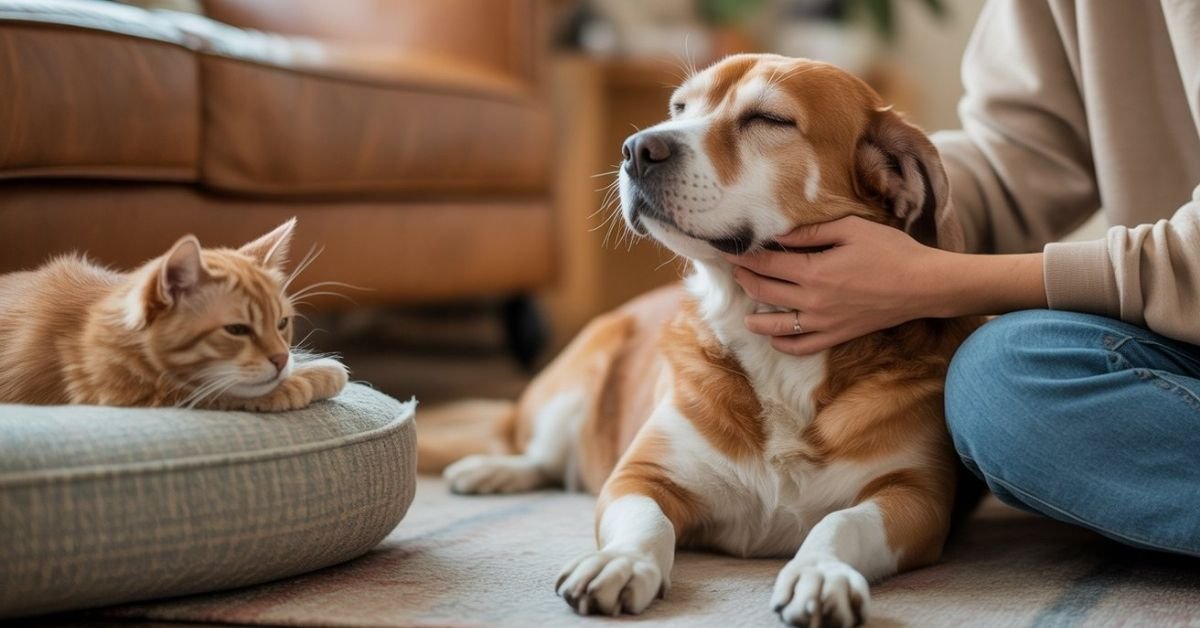
Most pet owners think that a wagging tail is a universal green light for a head pat. However, did you know that patting a dog on the top of their head is actually perceived as a “dominance move” or a threat by many breeds? Understanding where dogs like to be pet isn’t just about making them feel good it’s about building a bond of trust.
If you are a cat owner planning to expand your multi-pet family, mastering the “touch language” of canines is the first step toward a harmonious home. In this expert-backed guide, we will cover:
- The “Sweet Spots”: Science-backed areas where 90% of dogs crave affection.
- The “No-Go Zones”: Sensitive body parts that can trigger anxiety or defensive behavior.
- The Consent Test: A simple 5-second method to see if a dog actually wants to be touched.
- Body Language Secrets: How to spot the difference between genuine enjoyment and “polite tolerance.”
Where Do Dogs Like to Be Petted Most? (The “Safe Zones”)
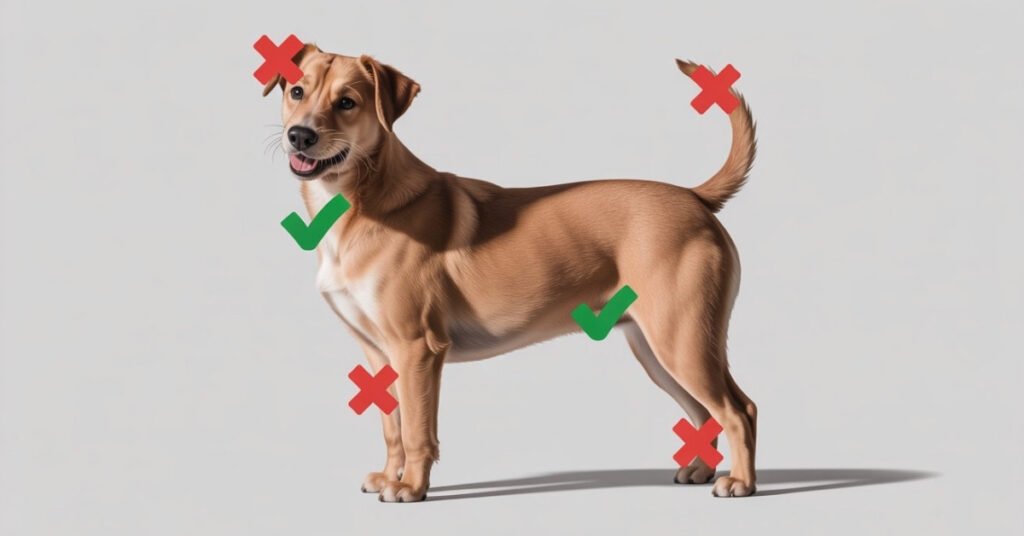
Most dogs prefer to be petted in areas where they can maintain eye contact with you or where they feel the least threatened. While every dog is an individual, the most common “sweet spots” for canine affection include the base of the neck, the chest, and underneath the chin. Avoiding the top of the head and the tail initially is key to building immediate trust.
The Top 4 Canine “Sweet Spots”
To ensure your dog (or a new furry friend) feels comfortable, focus your attention on these science-backed areas:
| Body Zone | Status | Why? |
| Chest & Shoulders | ✅ Safe Zone | Best starting point; the dog can see your hand clearly. |
| Base of the Neck | ✅ Sweet Spot | High density of nerve endings; mimics social grooming. |
| Under the Chin | ✅ Safe Zone | Non-threatening and builds immediate trust. |
| Top of the Head | ❌ Avoid | Perceived as a “dominance move” or a physical threat. |
| Paws & Tail | ❌ Avoid | High sensitivity; can trigger defensive or “startle” reflexes. |
The “No-Go Zones”: Areas Where You Should Avoid Petting a Dog
While some dogs are “cuddle bugs,” most have specific areas where being touched causes stress, anxiety, or a defensive reaction. Respecting these boundaries is essential, especially in multi-pet households where you want to maintain a low-stress environment.
4 Common Areas Dogs Dislike Being Touched
- The Top of the Head: Reaching over a dog’s head is often perceived as a “dominating” gesture. It can cause a dog to “duck” or feel trapped.
- The Paws and Legs: Dogs are highly protective of their limbs. Touching paws can trigger a reflexive “withdraw” response, especially if they have sensitive nails or joint pain.
- The Tail and Tail Tip: The tail is an extension of the spine and a vital communication tool. Pulling or even stroking the tip of the tail is often irritating for most breeds.
- The Muzzle/Face: Unless the dog has a very deep bond with you, hands near the mouth can be perceived as intrusive and may lead to a “snap” if the dog feels cornered.
Expert Note: Always watch for the “Whale Eye” (seeing the whites of their eyes) or a stiff body. If you see these signs, stop petting immediately this is the dog’s way of asking for space.
Dog Body Language: How to Tell if They Are Enjoying It
Understanding “consent” is just as important as knowing the spots. A dog might stay still while you pet them, but that doesn’t always mean they are happy; sometimes, they are simply “tolerating” it. To ensure a harmonious bond especially in a home with cats you must look for active signs of enjoyment.
Signs of a Happy Dog (The “Green Light”)
- The “Lean In”: If a dog pushes their body against your hand or leans into your legs, they are asking for more.
- Relaxed “Soft” Eyes: Look for squinty or partially closed eyes. This indicates a high level of comfort and trust.
- The “C-Shape” Wiggle: A happy dog often curves their body into a C-shape while wagging their tail and wiggling their entire back end.
- Exposing the Belly: This is the ultimate sign of trust. By showing you their vulnerable underside, they are inviting a deeper level of interaction.
Warning Signs of “Polite Tolerance” (The “Red Light”)
If you see these behaviors, the dog is likely feeling overwhelmed or anxious:
- Yawning or Lip Licking: These are “displacement behaviors” used to self-soothe when stressed.
- Whale Eye: When a dog turns their head away but keeps their eyes on you, showing the whites of their eyes.
- Stiff Posture: If the dog goes completely still or “freezes,” they are not enjoying the touch.
- Turning Away: A simple but clear sign; if they move their head or body away, respect their space immediately.
| Sign | Meaning | Action Required |
| The “Lean In” | Active Consent | Continue petting; the dog wants more affection. |
| Whale Eye | High Stress | STOP. The dog is feeling threatened or cornered. |
| C-Shape Wiggle | Pure Joy | Proceed; this is a sign of high trust and comfort. |
| Lip Licking | Anxiety | Pause. The dog is “tolerating” you but is stressed. |
| Freezing/Stiffness | Red Light | Withdraw immediately. A bite or snap could follow. |
The “Consent Test”: How to Properly Approach a New Dog
Before you reach out to touch any dog, it is vital to perform a “Consent Test.” This is a simple, 5-second interaction that lets the dog decide whether they want to be petted or not. This technique is especially useful for children or when introducing a dog to a household with existing pets like cats.
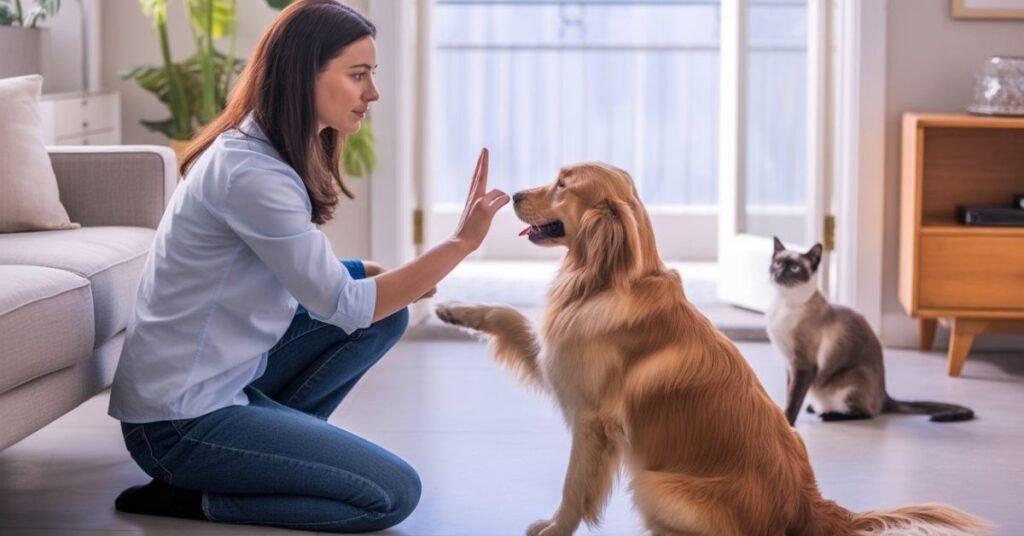
How to Perform the 5-Second Consent Test:
- The Initial Approach: Stand sideways (less threatening) and offer the back of your hand at the dog’s chest level. Do not reach over their head.
- Wait for the Sniff: Let the dog come to you. If they sniff your hand and then linger or nudge you, they are giving you the “green light.”
- Pet for 3 Seconds: Scratch them in a “Safe Zone” (like the chest or chin) for exactly three seconds, then stop and pull your hand back.
- Observe the Reaction: * If they nudge your hand or move closer: They want more.
- If they walk away or lick their lips: They’ve had enough. Respect their choice.
Pro-Tip for Multi-Pet Homes:
If you are trying to stop dog barking at night or manage a dog-cat introduction, using the consent test helps lower the dog’s overall cortisol (stress) levels. A calm dog is much less likely to be reactive toward a cat or bark at nighttime noises.
Frequently Asked Questions
A: Most dogs find long, slow strokes on the chest, shoulders, or the base of the neck extremely relaxing. Gentle rhythmic scratching behind the ears can also lower a dog’s heart rate, helping them settle down and fall asleep faster.
A: Dogs love chest pets because it is a “neutral zone” where they can see your hands clearly. Unlike the head, the chest is not a dominating area, making them feel safe, respected, and in control of the interaction.
A: If you are trying to stop dog barking at night, petting them during an active barking episode can accidentally “reward” the behavior. Instead, wait for a moment of silence, perform the consent test, and then offer affection as a reward for being calm.
Conclusion
Understanding where dogs like to be pet is the foundation of a respectful and trusting relationship. By focusing on “Safe Zones” like the chest and chin and avoiding “No-Go Zones” like the paws and muzzle you ensure that every interaction is a positive one. Whether you are managing a multi-pet household or meeting a new pup, always remember to use the 5-second consent test. Respecting a dog’s boundaries today leads to a loyal, calm, and happy companion for life.
