

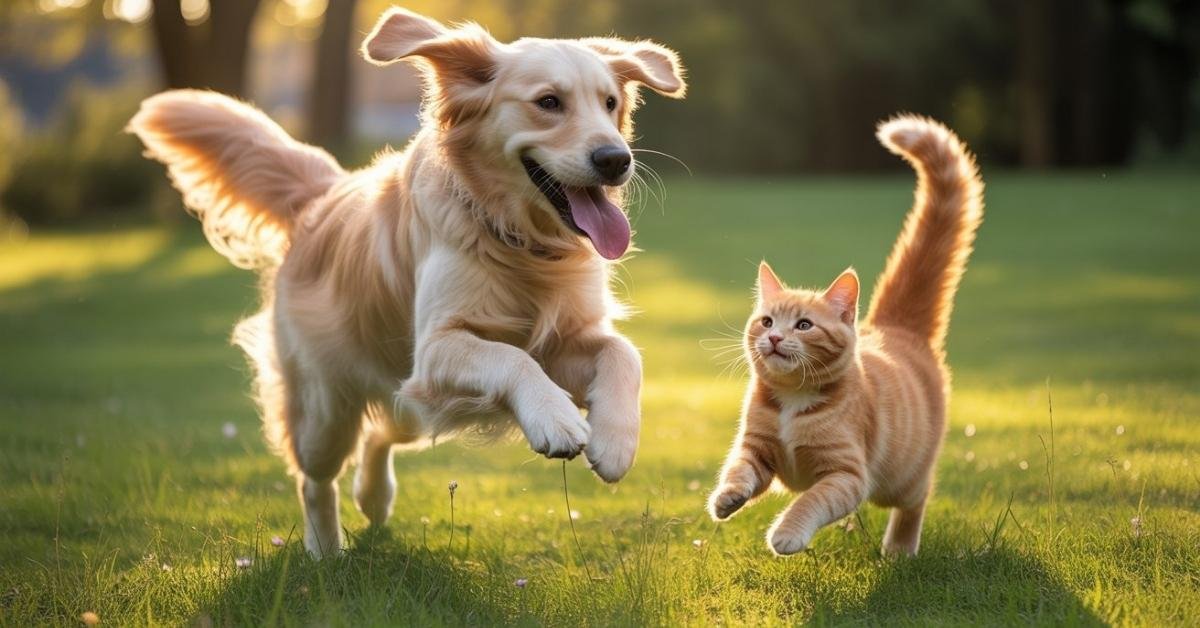
Finding the perfect best dog for a cat when you already have a feline “ruler” at home can be a challenge. The key is to look for dogs with low prey drives, high sociability, and adaptable temperaments. While every dog is an individual, certain breeds are genetically predisposed to see cats as friends rather than prey.
The Best Dogs for Cats: Quick Snapshot
If you are looking for a quick answer, here are the top-rated cat-friendly dog breeds:
- Golden Retriever (The Gold Standard)
- Cavalier King Charles Spaniel (Gentle & Calm)
- Labrador Retriever (Eager to Please)
- Bichon Frise (Playful & Non-Aggressive)
- Papillon (Social Butterflies)
- Beagle (Pack-Oriented & Friendly)
- Pug (Charming & Low Prey Drive)
- Basset Hound (Laid-back & Patient)
- Boxer (Protective & Playful)
- Newfoundland (The Gentle Giant)
- Maltese (Affectionate & Relaxed)
- Pomeranian (Small & Bold Companion)
1. Golden Retriever
The Golden Retriever is arguably the “gold standard” for multi-pet households. Known for their gentle nature and high emotional intelligence, Goldens are rarely aggressive. They tend to view cats as part of their “pack” and are patient enough to handle a cat’s initial boundary-setting (like the occasional hiss or swat).
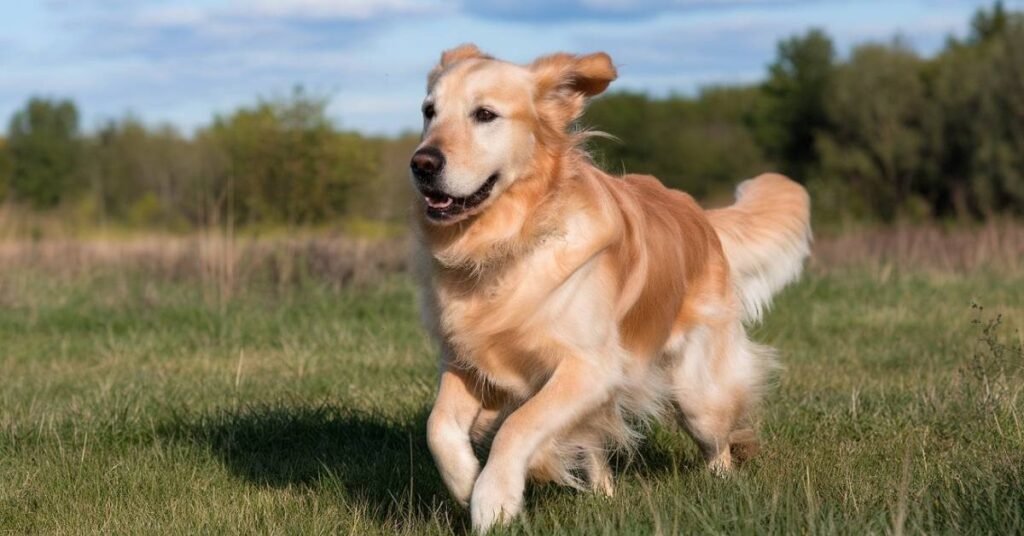
- Why they fit: Their “soft mouth” instinct means they are naturally gentle with smaller creatures.
- Pro-Tip: Focus on early socialization to ensure their “puppy energy” doesn’t overwhelm an older cat.
2. Cavalier King Charles Spaniel
Part of the “Toy” group, these dogs were bred to be lapdogs and companions. They are remarkably affectionate and lack the “chase” instinct found in many other small breeds. A Cavalier is more likely to cuddle with your cat than bark at it.

- Why they fit: They are incredibly adaptable and match the energy level of most indoor cats.
- Pro-Tip: Their sensitive nature means they respond well to positive reinforcement when interacting with cats.
3. Labrador Retriever
Much like their Golden cousins, Labradors are social, outgoing, and highly trainable. Labs are “people pleasers,” and if they see that the cat is a beloved family member, they will quickly follow suit. They are sturdy enough to handle a playful cat but gentle enough to respect their space.
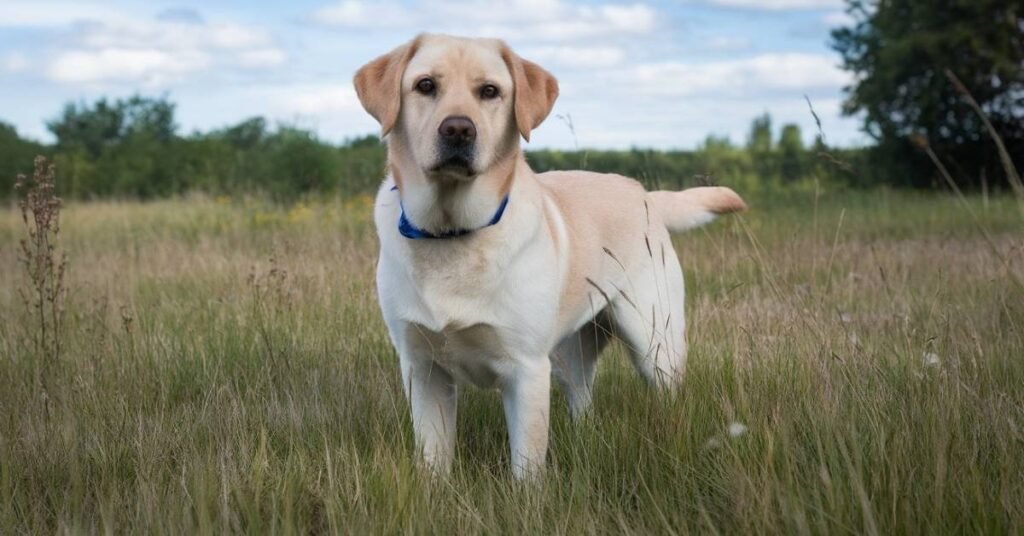
- Why they fit: High “trainability” makes it easy to teach them boundaries like.”Leave it.”
- Pro-Tip: Ensure your Lab gets enough exercise; a bored Lab is more likely to engage in “annoying” play behavior with a cat.
4. Bichon Frise
The Bichon Frise is a cheerful, small-breed dog that genuinely enjoys company, whether human or feline. They are notably “happy-go-lucky” and rarely show territorial aggression. Because of their size, they aren’t intimidating to most cats.

- Why they fit: They are energetic but not predatory.
- Pro-Tip: Because Bichons can get “separation anxiety,” having a cat companion can actually help keep them calm when you’re away.
5. Papillon
Don’t let the small size fool you; Papillons are highly intelligent (ranking among the smartest toy breeds). They are often described as “cat-like” themselves because they enjoy high perches and are very agile.

- Why they fit: They are social butterflies that see cats as playmates of their own size.
- Pro-Tip: Because they are small, ensure the cat doesn’t become the “bully” in this relationship!
6. Beagle
Beagles were bred to hunt in packs, which means they are hardwired to get along with other animals. While they might occasionally “howl” at a new cat, they rarely show genuine aggression. To a Beagle, a cat is just another member of the team.
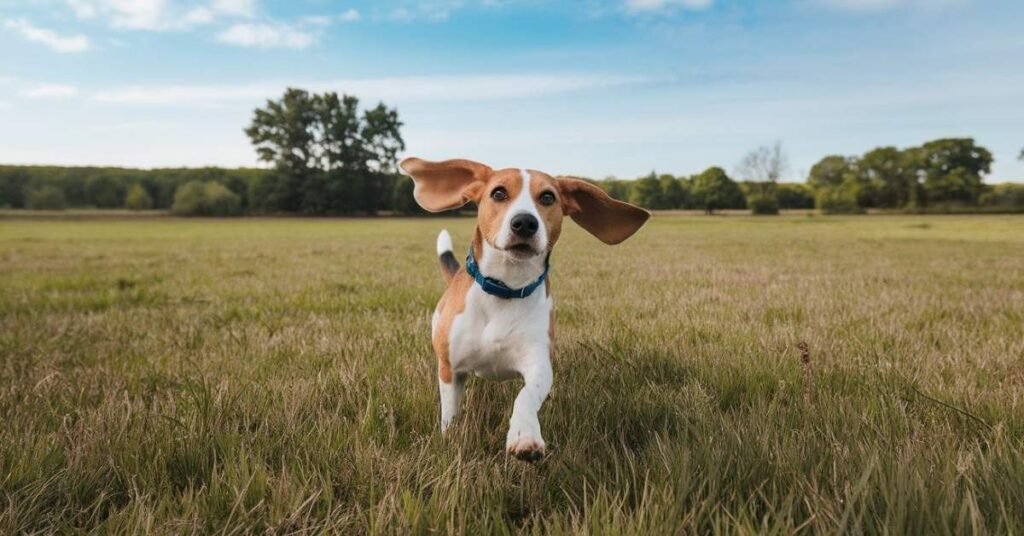
- Why they fit: They are exceptionally friendly and rarely territorial.
- Pro-Tip: Beagles are scent-driven. Let them sniff the cat’s bedding before the first meeting to satisfy their curiosity.
7. Pug
Pugs are the clowns of the dog world. Because they aren’t hunters by nature, they have almost zero prey drive. Best dogs for cat A Pug is much more interested in napping or finding treats than chasing a cat. Their sturdy build also makes them less “fragile” during rough play.

- Why they fit: They are incredibly social and crave companionship, making them a natural fit for a cat-friendly home.
- Pro-Tip: Pugs can be food-motivated, so ensure the cat’s food bowl is placed on a high surface where the Pug can’t reach it.
8. Basset Hound
Similar to the Beagle, the Basset Hound is a pack animal. They are notoriously lazy and slow-moving, which is perfect for cats that feel threatened by high-energy dogs. A Basset Hound is more likely to share a sunbeam with your cat than chase it around the house.

- Why they fit: Their low energy level and calm temperament make them non-threatening to even the most nervous cats.
- Pro-Tip: Their long ears can be a target for a playful cat’s claws keep an eye on their early interactions.
9. Boxer
Boxers are often called the “Peter Pan” of dogs because they stay puppy-like for years. While they are large, they are famously good with other pets if raised with them. They tend to see cats as playmates and will often try to engage them in a game of “boxing” (gentle pawing).

- Why they fit: They are hardwired for loyalty, viewing cats not as prey but as integral family members who deserve their protection and companionship.
- Pro-Tip: Because of their size and “bounciness,” supervised play is essential until the dog learns the cat’s physical limits.
10. Newfoundland
If you have the space for a giant, the Newfoundland is a “Gentle Giant” in the truest sense. These dogs are known for their calm, patient, and protective nature. They are often used as “nanny dogs” because they are so careful with smaller creatures.
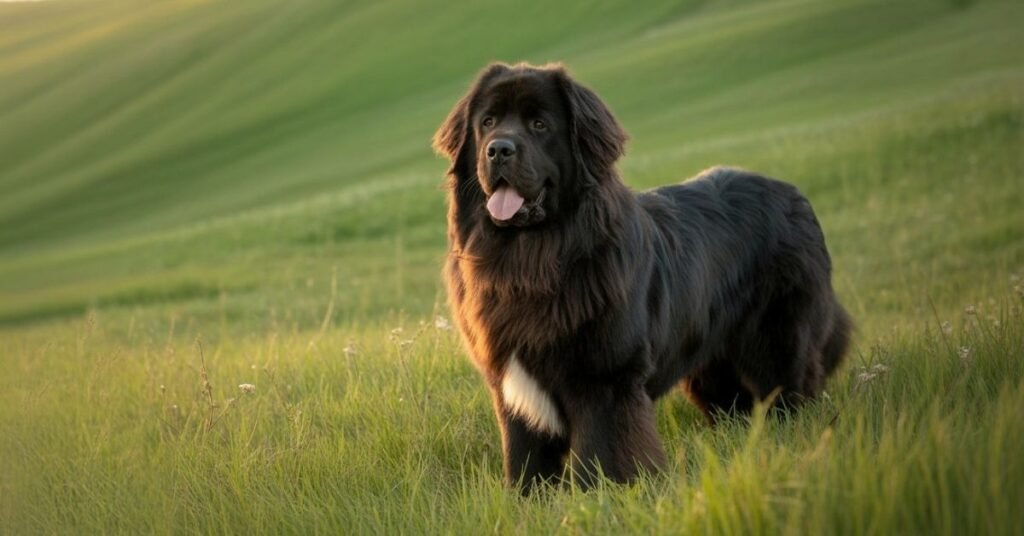
- Why they fit: Their placid nature means they rarely react to a cat’s sudden movements.
- Pro-Tip: Their thick fur can attract a lot of cat dander regular grooming for both pets is recommended.
11. Maltese
The Maltese is another toy breed that thrives on affection. They are generally very laid-back and prefer lounging on the sofa. Since they are similar in size to most cats, the “power dynamic” is balanced, which helps the cat feel more confident.
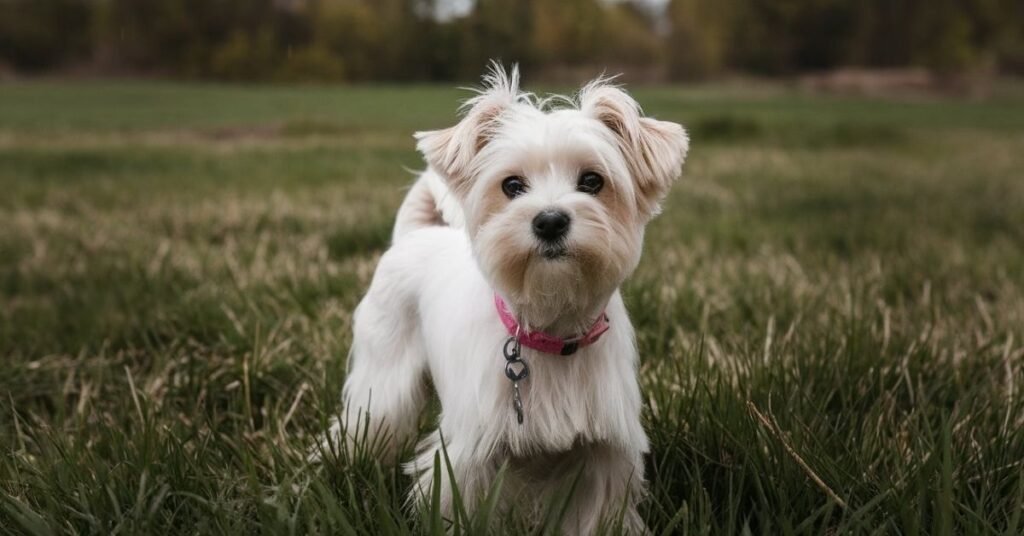
- Why they fit: They lack a strong hunting instinct and prefer a quiet, indoor lifestyle.
- Pro-Tip: Maltese can be a bit “barky” when they want attention; training them to stay calm when the cat is around is key.
12. Pomeranian
Pomeranians are small but have big personalities. They are very affectionate with their family and usually get along famously with cats. Because they are so small, they don’t pose a physical threat to a cat, which often leads to a quicker friendship.
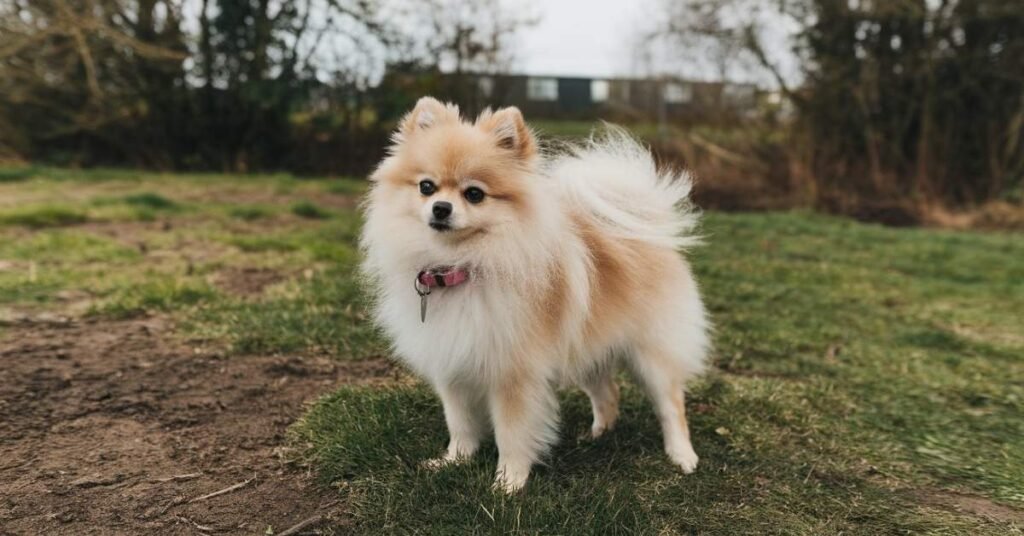
- Why they fit: They are alert but friendly, often forming a close “security duo” with the household cat.
- Pro-Tip: Poms can be bossy. Make sure the cat has “vertical escapes” (like cat trees) if the Pom gets too demanding of attention.
The “High Prey Drive” Warning: Why Some Breeds Struggle
It is crucial to understand that not all dogs are wired for cat-friendliness. Some breeds have a high “Prey Drive” a genetic instinct to chase and catch moving objects.
- Terriers (e.g., Jack Russell, Rat Terrier): Originally bred to hunt vermin, they may see a fast-moving cat as a target.
- Huskies & Malamutes: These breeds have a strong predatory instinct. While some can live with cats, it requires intense training and constant supervision.
- Sighthounds (e.g., Greyhounds, Whippets): They are designed to chase anything that runs. Even a “cat-safe” Greyhound indoors might react differently to a cat running in the backyard.
Expert Note: “Breed” is a guideline, but “Individual Personality” is the rule. Always assess a dog’s history and temperament before bringing them into a cat’s territory.
Find out if dogs can eat bananas in this complete nutrition guide
How to Introduce a Dog to a Cat: A Safety Guide
Success depends heavily on the first few weeks. Follow this step-by-step process to ensure a peaceful transition:
- The Scent Swap: Before they meet, swap their bedding. This allows both animals to get used to each other’s “profile” without the stress of a physical encounter.
- Visual Introduction (The Barrier): best dogs for cat. Use a sturdy baby gate. Let them see each other while you feed them treats on their respective sides. This creates a “positive association.”
- Leashed Meetings: When you finally bring them into the same room, keep the dog
- on a short leash. Reward the dog training for “calm behavior” and for ignoring the cat.
- Controlled Freedom: best dogs for cats. Only allow unsupervised interaction after several weeks of zero tension.
FAQs: Common Questions from Pet Parents
Q: Can a dog kill a cat? Sadly, yes. This is why breeds with high prey drives must be managed carefully. Always prioritize safety over “hope.”
Q: How long does it take for a dog and cat to bond? It can take anywhere from two weeks to six months. Patience is your best friend during this process.
Q: Should I get a puppy or an adult dog for my cat? Puppies are easier to “train” to respect cats, but an adult dog with a proven “cat-safe” history (from a foster home) is often the safest bet.
Conclusion
Choosing the best dog for your cat isn’t just about picking a name from a list; it’s about best dogs for catunderstanding temperament and commitment. By choosing the best dogs for a cat a breed like a Golden Retriever or a Cavalier King Charles, and following a slow introduction process, you can create a harmonious “interspecies” home that lasts a lifetime best dogs for cat.
“Read about can dogs eat chocolate and emergency steps to take”
