

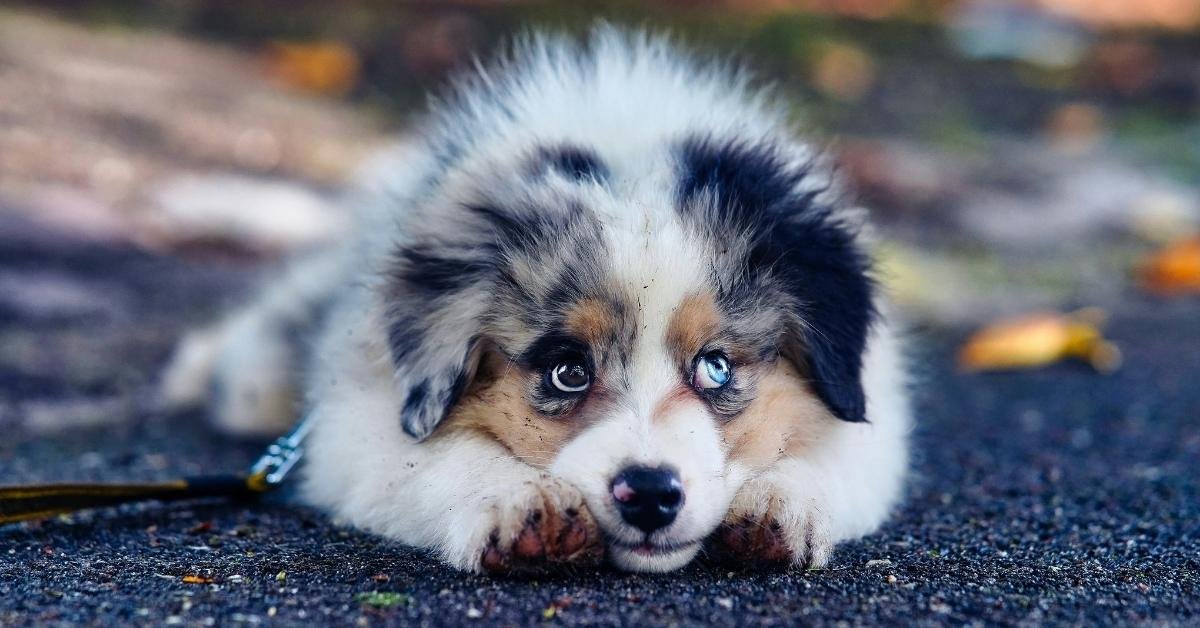
Have you ever noticed your dog’s eyes watering and wondered, “Can dogs cry?” Many dog owners see tears, whining, or sad expressions and assume their furry friend is shedding emotional tears just like humans. While dogs are incredibly expressive and do experience emotions such as sadness, joy, and stress, the truth is more nuanced.
Dogs do not cry emotional tears. Instead, tears in dogs serve important biological functions, like keeping the eyes moist, flushing out debris, and protecting against infections. Understanding the difference between emotional expression and physical eye response is key to interpreting your dog’s behavior correctly. In this article, we’ll explore why dogs appear to cry, how they express emotions without tears, and what you can do to support their emotional and physical well-being.
Can Dogs Cry? Understanding the Difference Between Canine Tears and Human Crying
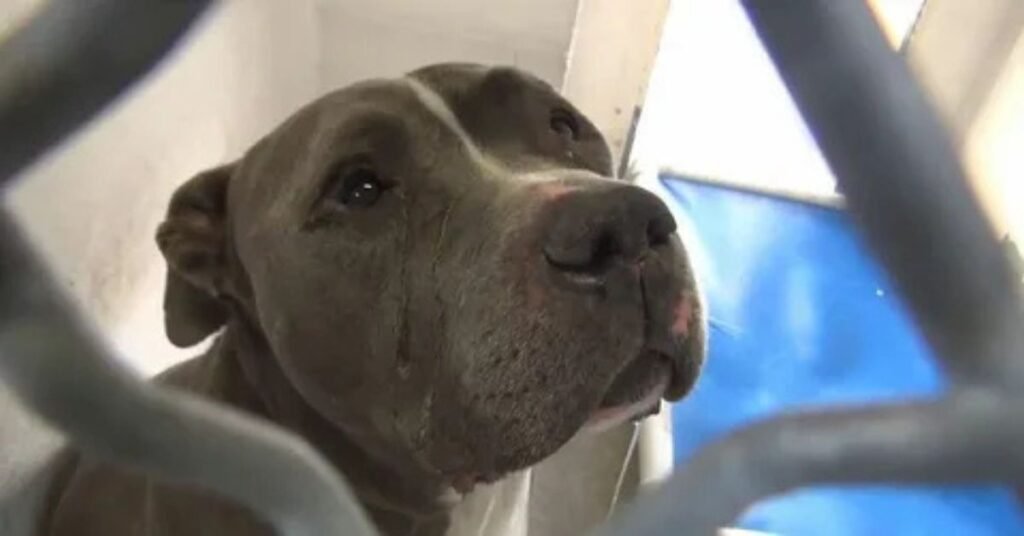
The question “can dogs cry?” is one of the most common concerns among dog owners, especially when they notice tears, whining, or sad-looking expressions in their pets. While dogs and humans share many emotional traits, crying works very differently in dogs than it does in people.
Do Dogs Cry Like Humans?
Humans cry primarily as an emotional response, producing tears when feeling sadness, joy, frustration, or empathy. Dogs, however, do not cry in the same emotional way humans do. This means dogs do not shed tears to express feelings, even though they are fully capable of experiencing emotions.
Dogs can produce tears, but these tears serve a biological purpose, not an emotional one. Canine tears help:
- Lubricate the eyes
- Flush out dust, debris, and irritants
- Protect the eye from infection
So while it may look like a dog is crying, the reason is usually physical rather than emotional.
Key Distinction at a Glance
| Humans Cry | Dogs “Cry” |
| Emotional response | Physical eye response |
| Tears linked to feelings | Tears linked to eye health |
| Sadness, joy, stress | Irritation, allergies, anatomy |
Understanding this difference is essential before exploring deeper topics like emotional crying in dogs, sadness, or watery eyes caused by medical conditions.
What Dog Tears Really Mean and Whether Dogs Cry Emotionally
When people notice tears in their dog’s eyes, it often leads to the assumption that the dog is crying emotionally. This raises an important follow-up question to can dogs cry: what do dog tears actually mean?
In most cases, dog crying tears has nothing to do with emotions. Dog tears are a normal physiological function designed to protect eye health. Tears help keep the eyes moist, remove foreign particles, and prevent infection. Unlike humans, dogs do not produce tears as a response to sadness, happiness, or emotional pain.
That said, dogs do feel emotions, including happiness, stress, and sadness. The key difference is how those emotions are expressed.
| Emotional Expression in Dogs | Physical Eye Response in Dogs |
| Shown through behavior and body language | Controlled by tear glands and eye anatomy |
| Includes whining, pacing, or withdrawal | Includes watery eyes or tear overflow |
| Triggered by stress, anxiety, or sadness | Triggered by irritation, allergies, or infection |
| No emotional tear production | Tears serve a protective function |
| May seek comfort or attention | May show redness, discharge, or blinking |
| Reflects how dogs feel emotionally | Reflects eye health, not emotions |
Can Dogs Cry Because of Emotions Like Sadness or Joy?

A common follow-up question to can dogs cry is whether dogs are capable of crying due to strong emotions such as sadness or joy. Scientifically and behaviorally, the answer remains consistent: dogs do not cry emotional tears, even though they clearly experience emotions.
Can Dogs Cry When Sad?
Dogs are emotionally complex animals and do dogs feel sadness is well supported by behavioral research. Dogs can feel:
- Separation anxiety
- Loss or change in routine
- Fear or stress
- Lack of stimulation or attention
However, can dogs cry when sad in the same way humans do? No. Instead of producing tears, dogs express sadness through behavioral and physical signals, such as:
- Reduced appetite
- Lethargy
- Avoiding interaction
- Increased whining or whimpering
Can Dogs Cry Tears of Joy?
Unlike humans, dogs also do not cry tears when experiencing joy. Excitement and happiness are expressed through:
- Tail wagging
- Playful behavior
- Jumping or spinning
- Vocal sounds like happy barking
If a dog appears to have watery eyes during moments of excitement, the tears are coincidental and usually related to eye sensitivity, airflow, or underlying eye conditions, not emotional crying.
Emotional Crying in Dogs: A Common Myth
The idea of emotional crying in dogs is largely a human projection. Dogs rely on body language, vocalization, and behavior to communicate feelings. Tears remain a biological eye function, not an emotional outlet.
Understanding this distinction helps dog owners respond more appropriately to their pet’s emotional needs rather than misinterpreting watery eyes as sadness or happiness.
How Dogs Experience and Express Sadness Without Tears
Although dogs cannot cry emotional tears, they are fully capable of experiencing sadness. Understanding how dogs experience and express sadness without tears is essential for correctly interpreting their behavior and responding to their needs.
Dogs process emotions through instinct, memory, and environmental cues. When something disrupts their sense of security—such as a change in routine, loss of a companion, or lack of stimulation—they may experience emotional distress. However, instead of crying, dogs rely on non-verbal communication.
Common ways dogs express sadness include:
- Decreased energy or enthusiasm
- Sleeping more than usual
- Loss of interest in play or food
- Avoiding eye contact or social interaction
- Increased dependence on their owner
These behaviors often lead people to ask can dogs cry when sad, but the absence of tears does not mean the emotion is absent. Dogs simply communicate feelings differently.
Dogs may also use vocal cues such as soft whining or sighing to express discomfort or emotional unease. These sounds are often mistaken for crying, reinforcing the misconception behind do dogs cry like humans.
What Makes a Dog Sad and Can Dogs Cry as a Result?

Dogs, like humans, experience a range of emotions, including sadness. Understanding what makes a dog sad is essential for providing proper care and emotional support. While owners may wonder can dogs cry as a result of sadness, it’s important to remember that tears are not an emotional outlet for dogs; they rely on behavior to communicate distress.
Common Causes of Sadness in Dogs
- Separation Anxiety
Dogs are highly social animals. Extended periods of isolation from their owner can cause stress, leading to depression-like behaviors. - Loss of a Companion
The death or absence of a fellow pet or family member can trigger noticeable behavioral changes. - Changes in Environment or Routine
Moving to a new home, introducing new pets, or changing daily schedules can unsettle a dog emotionally. - Lack of Mental or Physical Stimulation
Dogs require both mental engagement and physical activity. Without enough exercise or playtime, they may feel bored, lonely, or frustrated. - Negative Experiences or Trauma
Past abuse, neglect, or frightening situations can cause lingering emotional effects, sometimes resembling sadness.
Can Dogs Cry as a Result?
While dogs can feel sadness, they do not cry tears from emotions. Instead, their distress manifests through:
- Reduced appetite or energy
- Whining, howling, or vocalization
- Clinginess or excessive attention-seeking
- Withdrawal or hiding
Understanding these signals allows owners to address the underlying cause of sadness, providing comfort and behavioral support rather than expecting visible tears.
Why Dogs Appear to Cry: Common Reasons Dogs Produce Tears
Although dogs do not cry emotionally, their eyes can appear watery or teary, giving the impression that they are crying. Understanding why dogs appear to cry helps distinguish between emotional assumptions and physical causes.
Common Reasons Dogs Produce Tears
- Eye Irritation
Dust, pollen, smoke, or foreign particles can irritate a dog’s eyes, triggering tear production as a protective mechanism. - Allergies
Dogs can be allergic to environmental factors like pollen, mold, or certain foods. Allergic reactions often result in watery, itchy eyes. - Blocked Tear Ducts
Tear ducts can become blocked, causing tears to overflow and appear as constant watery eyes. - Breed-Specific Tear Production
Certain breeds, such as Pugs, Bulldogs, or Shih Tzus, naturally produce more tears due to facial structure and shallow eye sockets. - Infections or Medical Conditions
Eye infections, conjunctivitis, or other health issues can make it seem like a dog is crying when in fact they are experiencing a medical problem.
By understanding these physical causes, owners can accurately interpret dog crying tears meaning and respond appropriately, rather than assuming emotional crying.
Medical and Physical Causes of Watery Eyes That Make Dogs Look Like They Cry

Watery eyes in dogs can easily be mistaken for emotional crying. However, most causes are medical or physical rather than emotional. Understanding these causes is critical for proper care.
Eye Irritation, Allergies, and Infections
- Irritation: Dust, smoke, pollen, and foreign particles can cause excessive tearing.
- Allergies: Dogs may react to environmental allergens or certain foods, resulting in watery or itchy eyes.
- Infections: Conjunctivitis, keratitis, and other infections can lead to redness, discharge, and tear overflow.
Regular eye checks can help identify these issues early.
Breed-Specific Tear Issues
Some breeds are genetically predisposed to watery eyes due to facial anatomy, such as:
- Pugs and Bulldogs (shallow eye sockets)
- Shih Tzus and Lhasa Apsos (tear duct structure)
- Breeds with prominent eyes prone to irritation
Owners of these breeds should monitor tear production to prevent secondary infections.
When Watery Eyes Are a Health Concern
Tears may signal serious medical issues if accompanied by:
- Persistent redness or swelling
- Thick, colored discharge
- Sensitivity to light or rubbing the eyes excessively
- Sudden behavioral changes indicating pain
In such cases, consulting a veterinarian is essential. Recognizing the difference between normal tear overflow and medical problems helps address the root cause effectively and prevents misinterpreting physical symptoms as emotional crying.
How to Tell Whether Dogs Cry From Emotions or Eye Problems
Many dog owners struggle to distinguish whether their pet’s watery eyes are due to emotions or physical issues. Knowing the difference is crucial for proper care and emotional support.
Key Differences Between Emotional Distress and Eye Problems
| Emotional Distress | Eye Problems / Physical Causes |
| Behavioral signs like whining, pacing, or withdrawal | Visible irritation, redness, or discharge |
| Changes in appetite or energy | Constant tearing without behavioral change |
| Clinginess or seeking attention | Tearing triggered by environmental factors (dust, allergens) |
| Occurs during stressful events or separation | Occurs consistently regardless of mood |
| No actual tear production linked to emotion | Tear production serves a protective or physiological function |
Observational Tips for Owners
- Monitor Behavior: Emotional distress often comes with changes in activity, appetite, or social interaction.
- Inspect the Eyes: Look for redness, swelling, discharge, or rubbing that may indicate a physical problem.
- Consider Triggers: Tears caused by environmental irritants or allergies often appear intermittently or in specific conditions.
- Track Patterns: Emotional signals are usually situational, while physical issues persist until treated.
By distinguishing between emotional cues and physical eye problems, owners can respond appropriately—whether through comfort and engagement or veterinary care.
How to Help a Dog That Seems Sad When Dogs Can’t Cry to Show Emotions
Even though dogs cannot cry emotional tears, they still experience sadness or stress. Helping a dog cope with these feelings requires understanding their behavioral and emotional cues and providing supportive care.
Improving Daily Routine and Mental Stimulation
- Regular Exercise: Daily walks, playtime, and physical activity help release pent-up energy and reduce stress.
- Mental Enrichment: Puzzle toys, scent games, and training exercises stimulate the mind and prevent boredom.
- Consistent Schedule: Predictable feeding and walking times create a sense of security.
- Positive Reinforcement: Reward good behavior to encourage confidence and emotional well-being.
Strengthening the Human–Dog Bond
- Quality Time: Spending one-on-one time with your dog strengthens trust and reduces feelings of loneliness.
- Comfort and Reassurance: Gentle petting, verbal praise, and calm interactions help alleviate stress.
- Social Interaction: Gradual exposure to other friendly dogs or people can improve mood and reduce anxiety.
- Safe Spaces: Provide cozy beds or quiet areas where the dog can relax undisturbed.
By combining routine, mental stimulation, and human bonding, owners can help dogs navigate sadness without expecting tears. This approach addresses emotional needs while reinforcing a sense of security and happiness.
How to Care for Watery Dog Eyes When It Looks Like Dogs Are Crying
Watery eyes in dogs are common and can often be mistaken for crying. Proper care helps maintain eye health, prevents infections, and ensures your dog is comfortable.
Safe At-Home Eye Care
Safe At-Home Eye Care involves gently maintaining your dog’s eye health to prevent irritation, infection, and excessive tearing. It includes regular cleaning to remove debris, monitoring for redness or discharge, and keeping the surrounding area dry. Using only vet-approved products helps protect sensitive eye tissues. Consistent at-home care can reduce discomfort and support long-term eye health
- Gentle Cleaning: Use a damp, soft cloth to wipe away tears and debris. Avoid harsh chemicals.
- Lubricating Drops: Vet-approved artificial tears can relieve mild dryness.
- Monitor for Irritants: Keep the environment free from dust, smoke, and allergens that trigger tearing.
- Regular Checkups: Inspect eyes for redness, swelling, or unusual discharge.
When to See a veterinarian
When to See a veterinarian refers to recognizing signs that indicate your dog’s eye issue requires professional medical attention. Persistent watery eyes, redness, swelling, or unusual discharge may signal an underlying condition. Behavioural changes such as eye rubbing, squinting, or sensitivity to light are also warning signs. Prompt veterinary care ensures accurate diagnosis and prevents potential complications.
- Persistent or excessive tearing
- Thick, colored, or foul-smelling discharge
- Signs of pain (squinting, pawing at eyes, sensitivity to light)
- Sudden behavioral changes such as lethargy or loss of appetite
Professional evaluation ensures that underlying conditions like infections, allergies, or blocked tear ducts are properly diagnosed and treated. Timely care prevents complications and keeps your dog’s eyes healthy, even if they appear to be “crying.”
What to Do If Your Dog Is Crying, Whining, or Acting Distressed
When a dog shows signs of distress—such as whining, whimpering, or appearing sad—it can be alarming for owners. While dogs cannot cry emotional tears, these behaviors indicate that your dog may need support, attention, or medical care.
Steps to Respond to a Distressed Dog
- Observe Behavior:
Identify patterns—when does the whining occur? Is it linked to separation, hunger, or discomfort? - Check for Physical Issues:
Inspect the eyes, ears, and body for signs of pain, irritation, or injury. Watery eyes may indicate can dogs cry tears due to irritation rather than emotion. - Provide Comfort and Reassurance:
Gentle petting, calm speaking, and staying nearby can help reduce anxiety. Avoid scolding, as this can increase stress. - Offer Mental and Physical Engagement:
Short walks, play sessions, or training exercises can redirect attention and improve mood. - Consult a Veterinarian if Needed:
Persistent distress, combined with physical symptoms like watery eyes, lethargy, or loss of appetite, may signal an underlying health problem. A vet can rule out medical causes and provide guidance for emotional support.
By taking these steps, owners can address both emotional and physical needs, ensuring their dog feels safe, cared for, and understood—even if they cannot cry in the human sense.
Also Read: Best Family Dog: Top Breeds, Training & Care Guide
Key Takeaways: Can Dogs Cry and How Should Owners Respond?
The question “can dogs cry” is common, but understanding the truth is essential for responsible pet care. Dogs do not cry emotional tears like humans; their tears serve biological purposes, such as lubricating the eyes, flushing out irritants, or responding to medical conditions. Emotional states like sadness, joy, or stress are expressed through behavior, vocalization, and body language, not tears.
Key Points for Dog Owners
- Emotional vs. Physical: Watery eyes often indicate eye health issues rather than emotional crying.
- Recognize Emotional Signals: Dogs communicate sadness or stress through changes in behavior, vocalization, and posture.
- Support Emotional Well-Being: Regular exercise, mental stimulation, consistent routines, and quality bonding help dogs feel secure and happy.
- Address Physical Causes: Persistent watery eyes, redness, or discharge require veterinary attention to rule out infections, allergies, or breed-specific tear issues.
- Monitor and Respond: Observing your dog’s patterns and providing timely support—whether emotional or medical—ensures overall health and well-being.
Conclusion
While it may look like your dog is crying, the truth is that dogs do not cry emotional tears like humans. Their tears serve important biological functions, such as lubricating the eyes, flushing out irritants, and protecting eye health. Dogs experience a full range of emotions—sadness, joy, stress, and excitement—but they communicate these feelings through behavior, vocalization, and body language, not through tears.
By understanding the difference between emotional expression and physical eye response, you can better interpret your dog’s needs. Observing signs of distress, providing mental and physical stimulation, maintaining consistent routines, and offering comfort strengthens your bond and ensures your dog’s emotional well-being. Additionally, paying attention to eye health and consulting a veterinarian when necessary keeps your dog safe, healthy, and happy.
In short, your dog may not cry like you, but with careful observation and care, you can respond effectively to both their emotional and physical needs.
FAQs
Q1: Can dogs cry emotional tears?
A: No, dogs do not cry emotional tears like humans. While they feel emotions such as sadness or joy, tears serve a biological purpose like eye lubrication or removing irritants.
Q2: Why do dogs have watery eyes?
A: Watery eyes in dogs can be caused by irritation, allergies, infections, blocked tear ducts, or breed-specific eye anatomy, rather than emotional crying.
Q3: How do dogs show sadness if they don’t cry?
A: Dogs express sadness through behavioral changes such as whining, avoiding interaction, reduced appetite, lethargy, and seeking attention from their owner.
Q4: Can dogs cry when sad or happy?
A: Dogs cannot produce tears due to emotions. They communicate feelings through vocalization, body language, and behavior instead of crying.
Q5: How can I help my dog when they seem distressed?
A: Provide reassurance, mental stimulation, exercise, and consistent routines. If distress is persistent or accompanied by physical issues like excessive tearing, consult a veterinarian.
