


If you’ve ever seen a dog go wild over a squeaky toy, you might have wondered: why do dogs like squeaky toys so much? From tiny puppies to full-grown adults, dogs often react to squeaks with bursts of excitement, intense chewing, and playful shaking. But this behavior isn’t just random—it’s deeply rooted in their instincts, psychology, and natural drives. Understanding these motivations can help pet owners provide safer, more engaging play experiences while strengthening the bond with their furry companions.
Squeaky toys tap into a dog’s innate prey drive. The high-pitched squeak mimics the sounds of small animals, instantly triggering hunting and play instincts. At the same time, chewing and squeaking provide both mental and physical stimulation, keeping dogs entertained and healthy. Beyond the instinctual triggers, these toys also offer psychological rewards, such as stress relief, confidence building, and a sense of accomplishment during interactive play.
However, not all squeaky play is created equal. Knowing how to use squeaky toys safely can prevent frustration, overstimulation, or even potential injuries. Choosing the right toy for your dog’s size, breed, and chewing style ensures the fun doesn’t come at the cost of safety.
In this guide, we’ll explore the science behind why dogs love squeaky toys, the surprising benefits they offer, and practical tips for incorporating them into safe, enriching play routines. By the end, you’ll understand why dogs go crazy for squeaky toys and how these simple items can enhance their overall well-being.
The Science Behind Why Dogs Love Squeaky Toys

Dogs don’t just enjoy squeaky toys for fun—they’re wired to respond to them. The fascination stems from a combination of instinctual drives, sensory stimulation, and reward-based behaviors. Understanding this science explains why these toys hold such irresistible appeal.
Play Behavior and Natural Prey Instincts
Dogs are descendants of hunters, and even domesticated breeds retain strong predatory instincts. Squeaky toys mimic the high-pitched sounds of prey, triggering a dog’s chase and capture behaviors. When a dog bites and shakes a squeaky toy, they are essentially “hunting,” satisfying instinctual urges in a safe and controlled environment.
- Puppies and young dogs often exhibit more intense reactions due to developing play and predatory behaviors.
- Breeds with strong hunting or herding instincts, such as terriers or retrievers, tend to engage more enthusiastically.
- Even adult dogs maintain this instinctual drive, which can be directed safely toward toys instead of household items.
Why the Squeak Sound Triggers Engagement and Excitement
The squeak sound is far more than random noise for dogs; it functions as a behavioral trigger that immediately captures their attention and motivates engagement. Dogs naturally interpret high-pitched squeaks as similar to prey distress calls, which instinctively stimulates curiosity, excitement, and chase behavior. This is why many dogs will instantly grab a toy after hearing the first squeak or become intensely focused during play. Sudden, unpredictable squeaks heighten arousal and make the toy seem “alive,” increasing stimulation and encouraging continued interaction. The sound also reinforces repetitive behavior by creating a rewarding feedback loop: the dog bites, the toy squeaks, and the dog repeats the action to hear the sound again. This combination of instinctual signaling and immediate reward explains why squeaky toys are so captivating and why dogs stay engaged with them longer than silent toys.
How Chewing and Squeaking Satisfy Instinctual Drives
Chewing and interacting with squeaky toys provides dogs with both mental and physical satisfaction. The act of biting, shaking, and listening to the squeak closely simulates real-life hunting behaviors, allowing dogs to express their natural instincts in a safe and controlled way. This type of play also helps release excess energy, reducing boredom and minimizing the likelihood of destructive behaviors around the home. Additionally, interactive engagement with squeaky toys encourages focus, stimulates problem-solving skills, and helps dogs manage their excitement in a controlled manner, making play both enriching and instinctually fulfilling.
Quick Fact Box:
- Dogs can distinguish between different squeaks and often prefer certain pitches or tones.
- Engaging with squeaky toys can burn up to 30 minutes of focused energy per session.
- Squeaky toys that mimic prey sounds increase dopamine release, making play feel rewarding.
Psychological and Emotional Rewards of Squeaky Toys
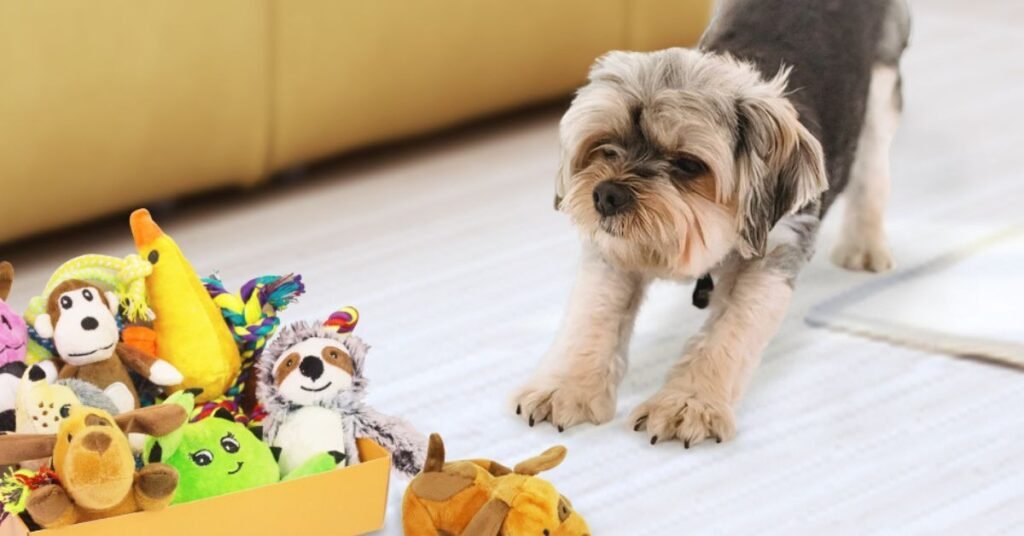
Squeaky toys aren’t just fun—they play a significant role in your dog’s mental and emotional well-being. Beyond instinctual play, these toys offer stress relief, cognitive engagement, and bonding opportunities that can improve your dog’s quality of life.
Stress Relief and Emotional Regulation
Chewing and squeaking help dogs release tension and manage emotions. For anxious or high-energy dogs, squeaky toys can provide a safe outlet to vent frustration or nervous energy.
- Reduces stress-related behaviors like excessive barking, pacing, or chewing furniture.
- Squeaky play promotes the release of endorphins, helping dogs feel calmer and happier.
- Ideal for dogs coping with separation anxiety, as interactive toys offer distraction and comfort.
Mental Stimulation and Boredom Reduction
Dogs require mental challenges to maintain cognitive health and prevent boredom-related behaviors. Squeaky toys engage their problem-solving abilities by encouraging experimentation, curiosity, and focused interaction. The responsive squeak provides immediate feedback, making play dynamic and mentally stimulating. Regularly rotating different squeaky toys further enhances engagement, keeping the dog’s mind active and preventing under-stimulation. By providing consistent mental challenges, squeaky toys can reduce destructive behaviors such as excessive chewing, barking, or digging, helping dogs remain both entertained and mentally balanced.
Building Confidence Through Interactive Play
Squeaky toys can boost a dog’s confidence, especially in shy or timid animals. Successfully “capturing” or “conquering” a toy reinforces positive feelings and helps dogs feel accomplished.
This type of play encourages independent exploration while also teaching self-control, as the dog learns how to engage with the toy appropriately. Interactive games using squeaky toys offer structured challenges in a safe environment, allowing dogs to develop problem-solving skills and confidence through repeated, rewarding experiences. Over time, this builds a stronger sense of assurance and promotes a more engaged, curious, and confident pet.
Creating Special Bonding Moments with Your Dog
One of the most rewarding aspects of squeaky toys is the way they foster a deeper bond between dogs and their owners. Engaging in play together, whether through tug-of-war, fetch, or hide-and-seek, strengthens communication, trust, and mutual understanding. Squeaky toys can also be used to reward focus, good behavior, or training success, reinforcing positive interactions while making playtime enjoyable. These shared experiences create lasting memories and help dogs associate their owners with fun, safety, and affection. Over time, regular interactive play with squeaky toys not only satisfies instinctual drives but also nurtures a strong emotional connection that benefits both the dog and the owner.
Tidbit Box: Fun Facts About Emotional Benefits
- Dogs often show tail wagging, playful bounces, or “zoomies” after squeaky play sessions—signs of joy and mental stimulation.
- Using squeaky toys in structured games can reduce overall stress by up to 25% in anxious dogs.
- Squeaky toys can be a bridge for socialization in multi-dog households.
Health and Behavioral Benefits You Might Not Expect

Squeaky toys do more than satisfy instincts—they can also provide surprising health and behavioral benefits. From physical exercise to oral care, these toys can play a role in keeping your dog happy, healthy, and well-behaved.
Physical Exercise Through Chase and Chew
Active play with squeaky toys encourages movement, helping dogs stay fit and burn off energy.
- Chasing a squeaky toy promotes cardiovascular health and strengthens muscles.
- Tugging or shaking provides resistance exercise that supports joint and muscle development.
- Regular play can prevent weight gain and reduce the risks of obesity-related issues.
Dental and Oral Engagement Benefits
Chewing on squeaky toys provides significant benefits for a dog’s dental and oral health. The act of biting and gnawing naturally helps clean teeth and massage the gums, reducing plaque buildup and strengthening jaw muscles. Squeaky toys also serve as a safe alternative to chewing on household items, which can prevent potential dental injuries and damage to belongings. By encouraging consistent and controlled chewing, these toys help establish long-term oral hygiene habits, keeping your dog’s teeth and gums healthier while simultaneously satisfying instinctual chewing urges.
Positive Behavioral Outlets That Reduce Destructive Habits
Squeaky toys provide a safe and productive outlet for dogs’ energy and boredom, helping to reduce destructive behaviors that can arise from under-stimulation. Dogs often redirect excess energy into chewing furniture, shoes, or other household items, but interactive squeaky toys give them an acceptable target. Engaging with the toy encourages problem-solving and focus, allowing dogs to channel impulses into healthy play. Over time, regular use of squeaky toys supports the development of controlled, structured play routines, reinforcing positive behaviors while keeping both the dog and the home environment safe.
Surprising Wellness Advantages Linked to Active Play
Regular play with squeaky toys offers wellness benefits beyond physical exercise. The combination of chewing, chasing, and interacting with the toy stimulates endorphin release, promoting emotional balance and reducing stress or anxiety. These toys also provide mental enrichment, keeping the dog’s brain active and engaged, which can further support behavioral stability and overall happiness. Additionally, shared play sessions with owners strengthen the human-dog bond, improving social interaction, trust, and emotional connection. By integrating squeaky toys into daily routines, dogs can enjoy physical, mental, and emotional benefits simultaneously, making them a valuable tool for holistic well-being.
Quick Tip: Rotate squeaky toys to keep play fresh, prevent boredom, and maximize both mental and physical benefits.
Do All Dogs Enjoy Squeaky Toys? Understanding Individual Preferences

While many dogs go wild for squeaky toys, not every dog is obsessed with them. Individual differences in breed, age, personality, and past experiences influence how dogs respond to these toys. Understanding these variations helps owners provide play experiences that truly match their dog’s needs.
Why Some Dogs Are Obsessed While Others Are Indifferent
Dogs with strong prey drives or high energy levels often become obsessed with squeaky toys, while more laid-back or independent dogs may show little interest.
- Excitable dogs may chase, chew, and shake toys for long periods.
- Some dogs may sniff or paw at the toy briefly, then move on to other activities.
- Indifference doesn’t indicate a problem—it reflects personality and instinct differences.
Breed, Age, and Personality Differences
| Factor | Typical Response to Squeaky Toys | Notes / Explanation |
| Breed | Hunting or herding breeds (e.g., terriers, retrievers) are highly responsive | These breeds retain strong prey-drive instincts, making squeaky toys more appealing |
| Age | Puppies show intense interest | Young dogs explore the world through play and are naturally curious |
| Senior dogs prefer softer toys or gentle play | Older dogs may not tolerate vigorous squeaking but still enjoy enrichment | |
| Personality | Independent or less social dogs may use squeaky toys minimally | Even if interest is low, they can still gain mental stimulation from occasional play |
What It Means If Your Dog Shows No Interest
A lack of enthusiasm for squeaky toys is usually normal and not a cause for concern.
- Your dog may prefer chew toys, fetch toys, or interactive puzzles instead.
- Observing your dog’s play style helps you choose toys that match their preferences.
- Providing variety ensures that all dogs receive enrichment, even if squeaky toys aren’t their favorite.
Quick Insight: Dogs express joy and mental engagement in many ways; squeaky toy obsession is just one form of natural play behavior.
When the Noise Bothers You or Your Dog: Practical Solutions

While many dogs love squeaky toys, sometimes the sound can be overwhelming—for either your dog or you. Understanding practical strategies ensures play remains enjoyable without causing stress or irritation.
What to Do If Your Dog Dislikes Squeaky Toys
Not all dogs respond positively to squeaky toys, and forcing interaction can lead to stress or avoidance. It’s important to pay close attention to your dog’s body language—signs such as ears pinned back, turning away, or other stress signals indicate discomfort. Introducing the toy gradually is key. Allow your dog to sniff, paw at, or gently interact with the toy before engaging in full play. Pairing the toy with treats or other forms of positive reinforcement can create a favorable association, helping your dog feel more comfortable and eventually enjoy squeaky play without pressure.
Quiet or Silent Squeaky Toy Alternatives
If the high-pitched noise itself is the problem, there are several alternatives that maintain engagement without causing stress. Silent squeaky toys replicate the shape and texture of traditional squeaky toys but eliminate the disruptive sound. Plush or rubber toys with interesting textures provide a satisfying chewing experience and meet instinctual needs without producing noise. Puzzle toys with treat rewards offer mental stimulation as an alternative, giving dogs a way to stay engaged while reducing auditory stress in the household.
Training Strategies When Owners “Can’t Take the Squeaks”
In homes where squeaky toys are too loud or disruptive, training strategies can help manage playtime effectively. Establishing designated play areas can contain noise and prevent disturbances in other parts of the home. Rotating toys and limiting squeaky toy sessions to short, controlled intervals helps maintain engagement while preventing overstimulation. Encouraging calm behavior before giving the toy reinforces self-control and ensures play remains safe, structured, and enjoyable for both the dog and the owner. By using these strategies, squeaky toys can remain a fun, enriching activity without creating frustration or stress.
Quick Tip Box:
- Combine squeaky play with outdoor sessions to minimize indoor noise.
- Reward quiet engagement with treats or verbal praise.
- Experiment with different squeak intensities or materials to find a balance.
Types of Squeaky Toys and How to Choose the Best One
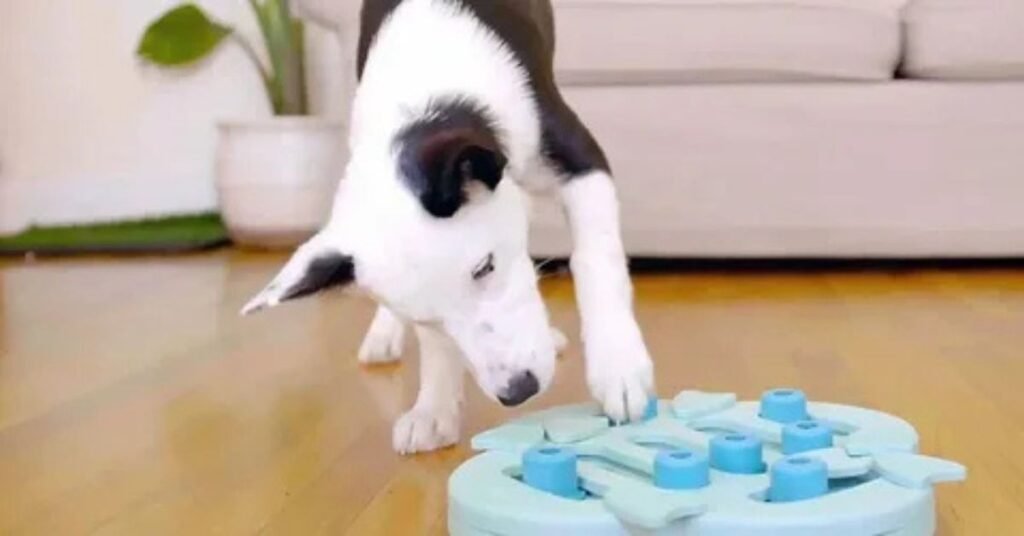
Not all squeaky toys are created equal. Dogs have unique play styles—some love to chew, others enjoy fetch, and some prefer cuddly toys. Choosing the right type of toy ensures safety, engagement, and long-term enjoyment.
Different Styles for Chewers, Fetchers, and Snugglers
Here’s a quick guide to match squeaky toys to your dog’s play style:
| Play Style | Toy Type & Features | Ideal For | Notes & Tips |
| Chewers | Durable rubber or reinforced squeaky toys | Aggressive chewers, strong jaws | Inspect regularly; replace when worn |
| Fetchers | Lightweight, medium-firm squeaky balls, flying discs | Active dogs who love running and retrieving | Great for outdoor play; squeak should survive tossing |
| Snugglers | Plush or soft squeaky toys | Puppies, older dogs, comfort-seeking dogs | Supervise with heavy chewers; adds emotional comfort |
Material Durability and Safety Considerations
- Rubber and tough nylon are best for heavy chewers.
- Soft plush toys are better for gentle play and emotional comfort.
- Avoid toys with small parts that can break off and cause choking.
Size and Shape Recommendations by Dog Type
- Small breeds: opt for mini squeaky toys that are easy to hold and chew.
- Medium breeds: choose medium-sized toys with reinforced squeakers.
- Large breeds: select oversized, durable toys to withstand strong jaws.
Matching Toy Type to Your Dog’s Play Style
Observing your dog in play helps identify their style:
- Chewers need long-lasting, tough toys to prevent frustration.
- Fetchers thrive with bouncy, throwable toys that squeak on impact.
- Snugglers enjoy plush toys with gentle squeaks for comfort and cuddling.
Quick Tip: Rotate toy types based on your dog’s daily energy and mood to keep play interesting and stimulating.
Encouraging Healthy Play Habits

Squeaky toys are more than just entertainment—they can help instill healthy play habits, reduce boredom, and prevent destructive behavior. Teaching dogs how to interact safely and positively with their toys is key to long-term enjoyment.
Interactive Play Ideas with Squeaky Toys
Engaging with your dog using squeaky toys strengthens the bond and encourages exercise.
- Tug-of-war: Promotes strength and controlled play.
- Fetch with squeaky balls: Encourages running and recall skills.
- Hide-and-seek: Hide a squeaky toy for your dog to find, stimulating mental focus.
How to Rotate Toys to Prevent Boredom
Dogs can quickly lose interest if they have constant access to the same toys. To maintain novelty and engagement, it’s important to rotate toys on a regular schedule. Switching toys weekly keeps playtime exciting, encourages exploration, and prevents mental stagnation. Mixing textures, sizes, and squeak types adds variety, stimulating curiosity and cognitive engagement. Additionally, storing some toys out of reach and reintroducing them later can create renewed excitement, making old favorites feel fresh again. Regular rotation ensures your dog remains mentally stimulated and motivated to play.
Signs Your Dog Is Playing Too Rough
Monitoring play sessions is essential to prevent injury and excessive stress. Dogs can sometimes chew too aggressively on plush toys or tear pieces off, which may pose a safety risk. Growling, snapping, or possessive behavior over a toy can indicate overexcitement or a potential behavioral issue. Overly intense play may also lead to uncontrolled movement, such as knocking into furniture or other hazards. Observing your dog closely during play helps you intervene early, maintain safety, and guide them toward controlled, healthy interactions with their toys.
When to Replace Worn-Out Squeaky Toys
Old or damaged toys can pose choking hazards, lose their appeal, and fail to provide the intended engagement. It is important to inspect toys regularly for exposed squeakers, cracks, holes, or shredded material. Any toys that show significant wear, leaking stuffing, or structural damage should be replaced immediately. Choosing durable, high-quality toys not only improves safety but also reduces the frequency of replacements and ensures long-lasting enjoyment. By maintaining a safe collection of toys, owners can keep playtime both enriching and secure for their dogs.
Quick Tip Box:
- Encourage calm, structured play before giving the toy to prevent overstimulation.
- Use squeaky toys in short bursts to maintain attention and prevent fatigue.
- Reinforce positive play with praise or treats to promote safe habits.
Conclusion
Squeaky toys are more than just fun—they satisfy your dog’s instincts, provide mental and physical enrichment, and strengthen the bond between you and your pet. By understanding why dogs like squeaky toys and using them safely, owners can enhance playtime, reduce stress, and promote healthy behaviors.
Why Do Dogs Get Bloated: Understanding the Risks From puppies to senior dogs, the right squeaky toy—whether a durable chewer, a fetch-ready ball, or a cozy plush—can keep your dog engaged, confident, and happy. Rotate toys, supervise play, and choose based on your dog’s personality and needs to ensure every squeak leads to safe, enriching, and joyful experiences.
FAQs
Q1: Why do dogs go crazy for squeaky toys?
A1: Dogs respond to squeaky toys because the sound mimics prey, stimulating hunting instincts and providing mental and physical engagement.
Q2: Are squeaky toys good for dogs?
A2: Yes, squeaky toys can improve physical exercise, dental health, stress relief, and mental stimulation when used safely.
Q3: Why do dogs shake squeaky toys?
A3: Shaking mimics hunting behavior, helping dogs express natural prey drives while releasing energy and reducing boredom.
Q4: What if my dog doesn’t like squeaky toys?
A4: Some dogs prefer silent, plush, or puzzle toys. Gradual introduction, positive reinforcement, or rotation can help encourage interest.
Q5: How do I choose the best squeaky toy for my dog?
A5: Consider your dog’s play style, breed, age, and chewing strength. Chewers need durable rubber, fetchers enjoy bouncy balls, and snugglers prefer plush toys.
Q6: Can squeaky toys help reduce destructive behavior?
A6: Yes, squeaky toys provide a safe outlet for chewing, play, and mental stimulation, helping prevent furniture or household destruction.
