

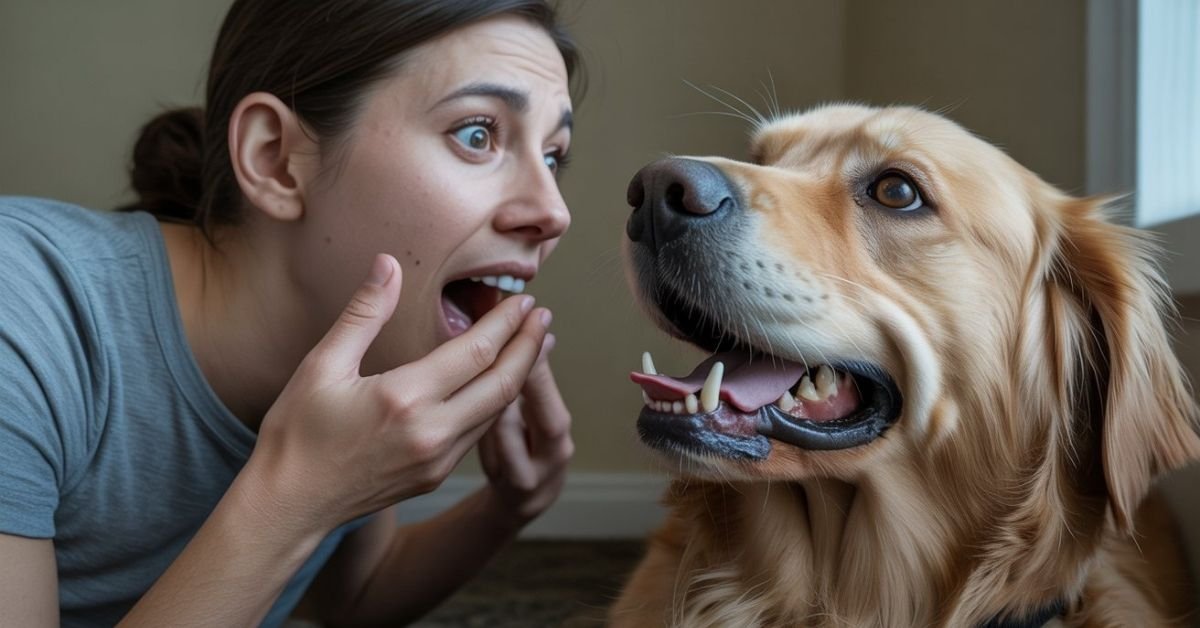
Bad breath in dogs is more than an unpleasant smell. It often signals underlying issues related to oral hygiene, diet, or overall health. Many pet owners ask, why do dogs have bad breath, especially when the odor appears suddenly or worsens over time. While occasional odor can be normal, persistent bad breath may point to dental disease, digestive problems, or medical conditions that need attention.
Understanding the root cause of dog bad breath helps you take the right action before minor issues turn serious. From daily dental care to identifying warning signs that require veterinary support, knowing what affects your dog’s breath allows you to protect both their comfort and long-term health.
Common Causes of Bad Breath in Dogs
Bad breath in dogs often starts with bacterial activity inside the mouth. When food debris stays on the teeth and along the gumline, bacteria begin breaking it down and releasing unpleasant odors. Over time, this leads to plaque buildup and gum inflammation, which explains why many owners wonder why do dogs have bad breath even when their dog seems healthy.
Another frequent cause is inconsistent oral care. Dogs naturally collect bacteria from chewing toys, licking surfaces, and outdoor exploration. Without regular dental cleaning, these bacteria multiply and release sulfur-like compounds that cause strong, lingering odors and long-term oral damage.

Dental Plaque and Tartar Build up
Plaque forms shortly after meals and contains colonies of odor-producing bacteria. When it is not removed, it hardens into tartar that sticks to the teeth and spreads beneath the gumline. This creates an ideal environment for bacterial growth, making bad breath more intense and harder to eliminate.
- Hardened tartar traps bacteria below the gums
- Plaque breakdown releases strong, foul-smelling gases
Poor Oral Hygiene Habits
Dogs without a consistent dental routine experience rapid bacterial overgrowth in the mouth. These bacteria feed on leftover food particles and proteins, producing gases that cause persistent bad breath. Over time, neglected oral hygiene can lead to gum recession, tooth decay, and chronic odor problems.
- Lack of brushing allows bacteria to spread quickly
- Long-term neglect worsens breath and oral health
How Oral Health Affects Your Dog’s Overall Health
Bad breath in dogs is often a sign of more than just oral issues. When bacteria in the mouth multiply, they can enter the bloodstream through inflamed or bleeding gums, potentially affecting major organs such as the heart, kidneys, and liver. Poor oral health can also make chewing uncomfortable or painful, which may lead to reduced appetite, weight loss, or nutritional deficiencies. Over time, these issues can compromise your dog’s overall well-being and quality of life.
Oral health is closely linked to systemic health. Dogs with untreated gum disease, tooth infections, or chronic oral inflammation are at higher risk of developing secondary conditions, including heart disease and organ stress. Addressing dental problems early not only improves breath but also prevents long-term, costly, and sometimes life-threatening complications.

Bacteria Entering the Bloodstream
Inflamed or infected gums create an open pathway for bacteria to enter the bloodstream, where they can travel to distant organs. These bacteria can attach to heart valves, affect kidney function, or trigger liver inflammation. Regular oral care is essential to reduce bacterial spread and maintain your dog’s overall health.
- Oral bacteria can travel to the heart and contribute to heart disease
- Blood borne bacteria increase the risk of kidney or liver complications
Links Between Gum Disease and Organ Damage
Chronic gum disease causes persistent inflammation that stresses the immune system and promotes organ strain over time. Dogs with long-standing dental problems are more likely to develop systemic issues such as kidney disease, liver inflammation, or cardiovascular complications if left untreated. Maintaining proper dental hygiene helps prevent these serious health risks and keeps your dog active and healthy.
- Untreated gum disease elevates the risk of organ-related diseases
- Consistent oral care reduces the chances of systemic complications
Foods and Treats That Contribute to Bad Dog Breath
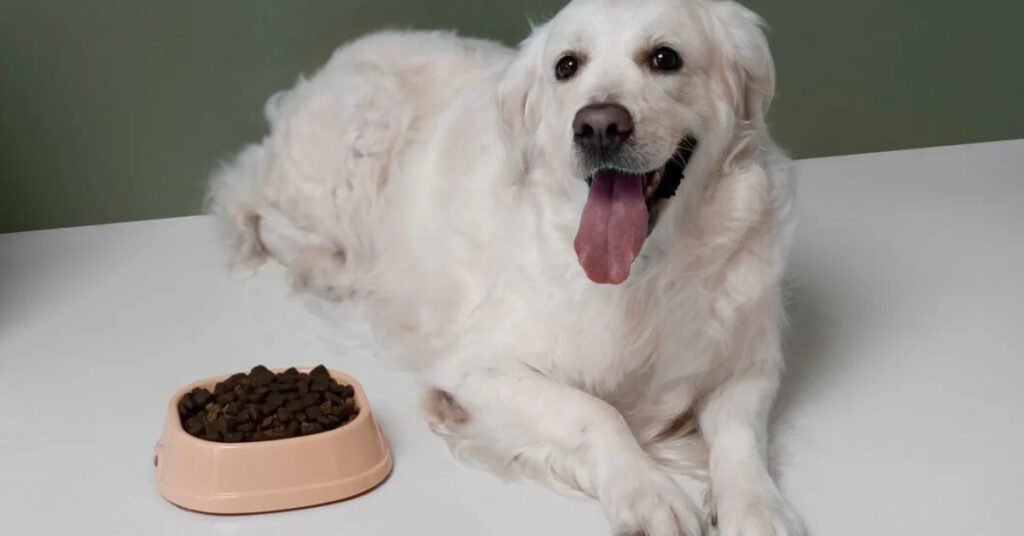
Your dog’s diet plays a major role in oral health and breath odor. Low-quality commercial foods often contain fillers, artificial ingredients, and high starch levels, which stick to teeth and feed bacteria. Over time, this buildup leads to plaque, tartar, and a noticeably foul smell. Dogs that frequently consume such foods without proper dental care are more prone to persistent bad breath.
Even small amounts of human food can worsen the problem. Foods like garlic, onions, processed snacks, and sugary treats introduce compounds that dogs cannot digest efficiently. These compounds not only contribute to strong odors but may also upset the digestive system, making bad breath worse and potentially causing long-term health issues.

Low-Quality Commercial Dog Food
Many commercial dog foods contain cheap fillers, artificial additives, and ingredients that adhere to teeth. These components provide a perfect environment for bacteria to multiply, which intensifies bad breath over time. Small breeds and short-muzzled dogs are particularly prone, as their teeth are closer together, trapping food debris more easily.
- Fillers and artificial additives feed odor-causing bacteria
- Sticky kibble or wet food clings to teeth and gums
Human Foods That Worsen Breath
Even occasional human treats can create lasting odor problems. Garlic, onions, sugary snacks, and processed foods introduce compounds that dogs cannot process efficiently. These compounds are broken down by bacteria in the mouth and intestines, producing strong, persistent odors that brushing alone cannot fully remove.
Medical Conditions Behind Persistent Dog Bad Breath
Sometimes bad breath in dogs is more than just a dental issue it can signal underlying medical problems. Conditions like kidney disease, liver disorders, diabetes, or gastrointestinal issues can cause persistent odors that brushing and dental care alone cannot fix. These systemic problems often produce distinctive smells, such as a sweet, ammonia-like, or foul chemical odor, which can alert owners that veterinary attention is needed.
Dogs with chronic medical issues may also show changes in appetite, energy, or behavior alongside bad breath. Ignoring these signs can allow the condition to progress, making treatment more complicated. Understanding the potential medical causes helps owners act quickly to protect their dog’s health and comfort.
Digestive and Gastrointestinal Issues
Digestive problems, including acid reflux, intestinal infections, or slow digestion, can cause foul-smelling breath. When food is not properly broken down, bacteria in the gut release gases that travel to the mouth, producing persistent odor.
- Improper digestion leads to stronger, long-lasting bad breath
- Gastrointestinal bacteria contribute to foul odors that brushing cannot remove
Kidney, Liver, or Metabolic Disorders
Organ dysfunction can also affect breath odor. Dogs with kidney disease may develop a strong ammonia-like smell, while liver problems can cause a sweet or sour odor. Metabolic imbalances such as diabetes can produce fruity or acetone-like smells in the mouth, signaling that professional care is needed.
Effective Ways to Eliminate Bad Breath in Dogs
Getting rid of bad breath in dogs involves more than just masking odors it requires addressing the root causes. Regular teeth cleaning, both at home and professionally, removes plaque and tartar buildup, which are the primary sources of bacteria. Ignoring these can lead to worsening gum disease, tooth loss, and stronger, persistent odors. Combined with dietary adjustments and hydration, these steps create a long-term solution for fresher breath.
For dogs with severe or chronic bad breath, veterinary interventions may be necessary. Professional cleanings under anesthesia reach areas at home brushing cannot, and vets can prescribe specialized oral rinses or medications if an infection is present. By combining at-home care, diet improvements, and veterinary treatments, you can maintain both oral hygiene and overall health while significantly reducing foul odors.

Professional Dental Cleaning Options
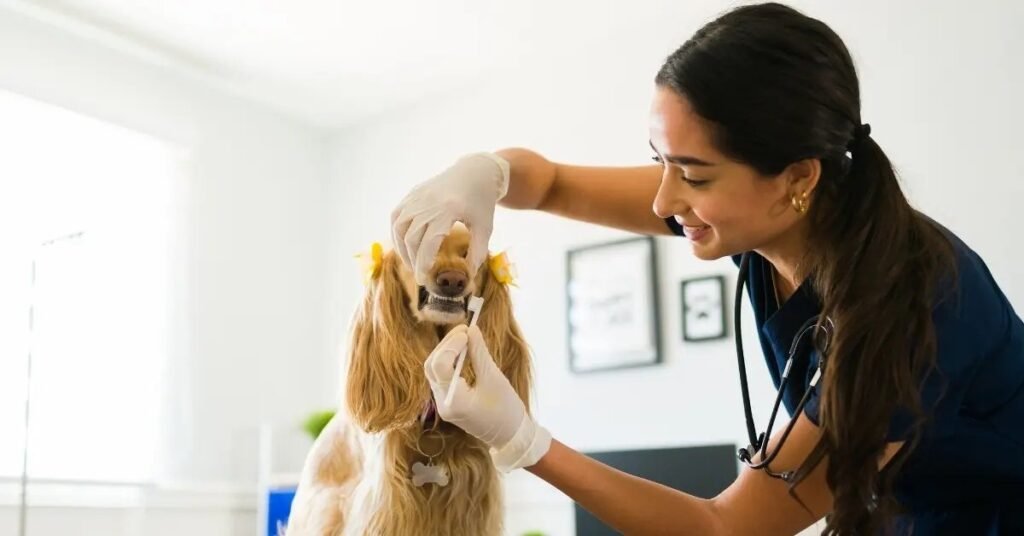
Professional dental cleaning is one of the most effective ways to eliminate stubborn bad breath. During the procedure, vets remove tartar and plaque from both the visible surfaces and below the gumline. They also check for broken teeth, infections, or early signs of gum disease, preventing long-term oral and systemic health problems.
- Removes hard-to-reach tartar and reduces odor-causing bacteria
- Identifies dental issues early for timely treatment
At-Home Breath-Freshening Solutions
Daily oral care is key to maintaining fresh breath between vet visits. Brushing with dog-safe toothpaste, offering dental chews, and using water additives helps reduce bacterial growth. These routines not only control odor but also strengthen gums, prevent plaque buildup, and promote overall oral health, keeping your dog comfortable and healthy.
Daily Dental Care Routines for Healthy Dog Breath
Maintaining your dog’s oral hygiene at home is essential for preventing bad breath. Daily or regular brushing removes plaque before it hardens into tartar and reduces bacterial buildup. Using a toothbrush and toothpaste specifically designed for dogs ensures safety and effectiveness, while also making the routine more comfortable for your pet.
Beyond brushing, incorporating dental chews, toys, and water additives can support oral health. These items help scrub teeth, massage gums, and reduce odor-causing bacteria throughout the day. Consistency in daily routines not only improves breath but also lowers the risk of gum disease, tooth decay, and other health issues related to poor oral hygiene.

Proper Tooth Brushing Techniques
Brushing your dog’s teeth may take time to get used to, but it’s one of the most effective ways to control bad breath. Start slowly, using a soft-bristled toothbrush and dog-safe toothpaste. Focus on the outer surfaces, especially around the gumline where plaque accumulates, and gradually work up to longer sessions as your dog becomes more comfortable.
- Brush at least 2–3 times a week to prevent plaque buildup
- Use gentle circular motions along the teeth and gums
Dental Chews and Oral Care Products
Dental chews and specially designed toys help remove plaque and tartar while keeping your dog entertained. Water additives and oral rinses can further reduce bacteria, supporting fresher breath between brushing sessions and veterinary visits.
Long-Term Habits That Prevent Bad Breath in Dogs
Preventing bad breath in dogs requires consistent long-term care beyond daily brushing. A balanced diet rich in nutrients supports healthy teeth and gums, while limiting sugary or starchy treats reduces bacterial growth. Maintaining hydration is also crucial, as water helps wash away food particles and bacteria that contribute to odor.
Regular veterinary checkups are another key habit for long-term prevention. Routine exams allow early detection of dental issues or underlying medical conditions that can cause chronic bad breath. By combining proper diet, hydration, consistent oral care, and professional oversight, you can keep your dog’s breath fresh and protect their overall health.

Diet Adjustments for Oral Health
Feeding high-quality, balanced dog food promotes strong teeth and healthy gums. Incorporating crunchy kibble or specially formulated dental diets can help reduce plaque buildup naturally, supporting fresher breath over time.
- Avoid sugary or sticky treats that feed oral bacteria
- Choose dental-specific foods or kibble that scrub teeth while chewing
Regular Dental Checkups and Monitoring
Even with diligent home care, professional dental evaluations are essential. Vets can detect early signs of gum disease, infections, or other health issues that may not be visible at home. Early intervention prevents severe dental problems and reduces the likelihood of persistent bad breath.
Warning Signs That Mean It’s Time to See a Vet
While occasional bad breath can be normal, persistent or unusually strong odors may indicate a serious health issue. For example, breath that smells like ammonia can be a sign of kidney problems, while a sweet or fruity odor may signal diabetes. Rotten egg-like or foul chemical smells could point to liver disease or severe oral infections. If these odors appear alongside other symptoms, it is a clear indication that your dog needs professional care promptly.
In addition to unusual smells, changes in eating or drinking habits, excessive drooling, pawing at the mouth, or visible gum inflammation may accompany serious health issues. Early veterinary intervention not only addresses bad breath but can also prevent more severe complications like organ damage, tooth loss, or systemic infections. Acting quickly protects both your dog’s comfort and long-term health.

Breath Odor Paired with Behavior Changes
Persistent bad breath combined with behavioral changes is a red flag. Dogs may become lethargic, lose interest in food, or chew differently due to oral pain or systemic illness. Observing these subtle changes alongside breath odor helps identify problems early, allowing timely veterinary attention and more effective treatment.
- Strong, persistent breath with unusual behavior signals potential health risks
- Early vet visits prevent complications and improve long-term outcomes
Symptoms That Indicate Serious Illness
Certain odors are particularly concerning and often indicate underlying disease. Ammonia-like smells usually relate to kidney issues, fruity or sweet odors may indicate diabetes, and strong chemical smells can point to liver dysfunction. Recognizing these signs early and combining them with regular veterinary checkups ensures your dog receives timely care before conditions worsen.
FAQs
1. Why do dogs have bad breath?
Usually due to plaque, poor oral hygiene, diet, or underlying health issues.
2. Can I fix my dog’s bad breath at home?
Yes, with brushing, dental chews, water additives, and proper diet.
3. How often should I brush my dog’s teeth?
At least 2–3 times per week; daily is best for small or dental-prone dogs.
4. Are some foods worse for dog breath?
Yes, sugary, starchy, low-quality foods and certain human foods like onions or garlic.
5. When should I see a vet?
If breath is persistently foul, unusually strong, or accompanied by health changes.
Conclusion
Bad breath in dogs is more than just an unpleasant smell it can be a warning sign of dental or systemic health issues. Understanding the causes, from plaque buildup and poor oral hygiene to dietary factors and underlying medical conditions, is the first step toward healthier, fresher breath.
By implementing consistent daily dental routines, providing appropriate diets and treats, and scheduling regular veterinary checkups, you can significantly reduce odor and prevent long-term health problems. Early attention to oral care not only improves your dog’s comfort and confidence but also protects their overall well-being, keeping your furry companion happy and healthy for years to come.
Disclaimer: This article is for informational purposes only and is not a substitute for professional veterinary advice. Always consult a qualified veterinarian regarding any concerns about your dog’s health, including persistent bad breath or other symptoms.
