
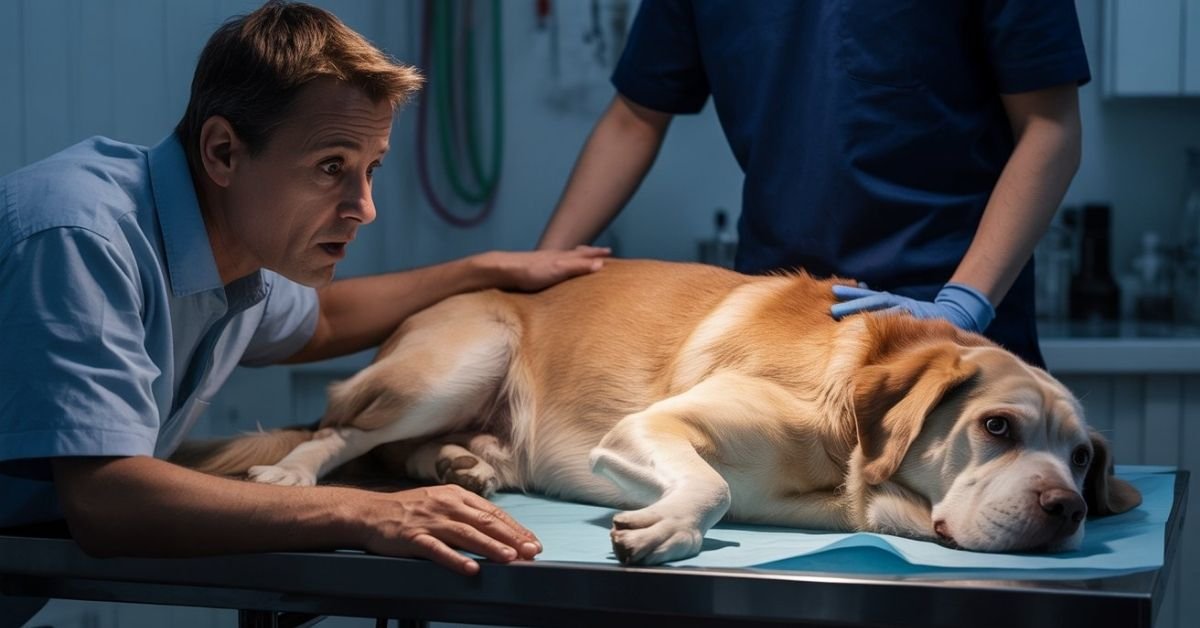
Bloat in dogs, medically called Gastric Dilatation Volvulus (GDV), is a serious and potentially life-threatening condition. So, why do dogs get bloated? It occurs when a dog’s stomach fills with gas, fluid, or food, and in some cases, twists on itself. This can block blood flow, trap contents, and prevent normal digestion, leading to shock or organ failure if not treated immediately. Every dog owner should understand this condition, as awareness can be life-saving.
Early recognition of bloat can save a dog’s life. Prompt veterinary care is essential because the condition can progress rapidly, sometimes within a few hours. Knowing what to look for and acting quickly significantly improves survival chances.
What Is Dog Bloat?
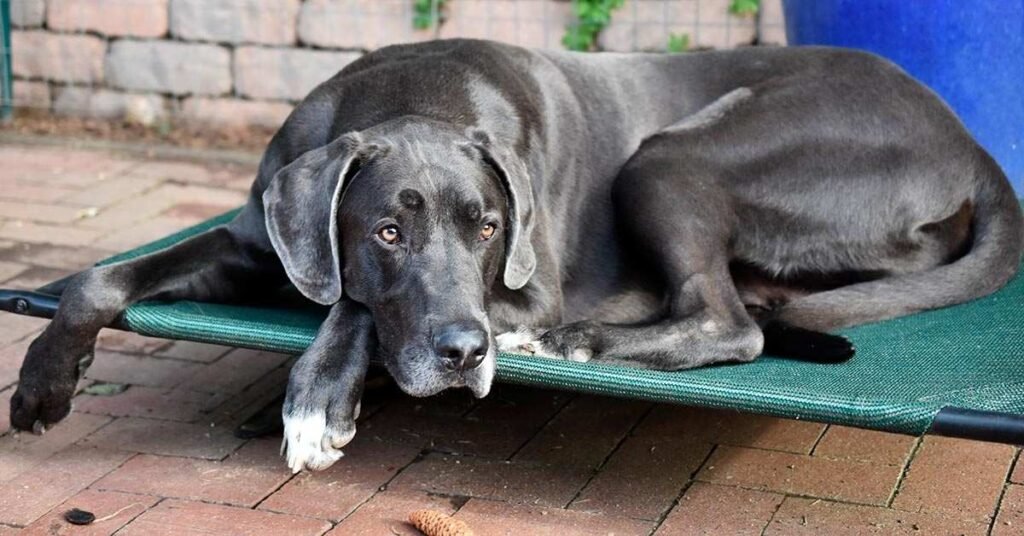
Dog bloat is the sudden expansion of the stomach due to gas, fluid, or food accumulation. In severe cases, the stomach may rotate, twisting on itself and causing a medical emergency. This twisting blocks blood flow and can cause toxins to build up in the bloodstream.
- Can affect any breed but is more common in deep-chested dogs
- Progresses quickly, requiring immediate attention
Why Immediate Attention Matters
Bloat can become fatal within hours if untreated. Even simple stomach expansion can worsen rapidly into a twisted condition, leading to shock, organ failure, and death. Recognizing early warning signs and seeking urgent veterinary care is vital.
- Rapid treatment improves survival rates
- Delayed care can lead to irreversible damage
What Is Bloat in Dogs?
Bloat, medically called Gastric Dilatation-Volvulus (GDV), happens when a dog’s stomach becomes enlarged with gas, food, or liquid. So, why do dogs get bloated? In some cases, the stomach can twist on itself, cutting off blood flow and preventing it from emptying. This condition is extremely dangerous and can become fatal within hours.
Understanding the difference between simple bloat and twisted bloat is important. Even if the stomach hasn’t twisted yet, immediate veterinary attention is critical because the situation can worsen rapidly.
Difference Between Simple Bloat and GDV
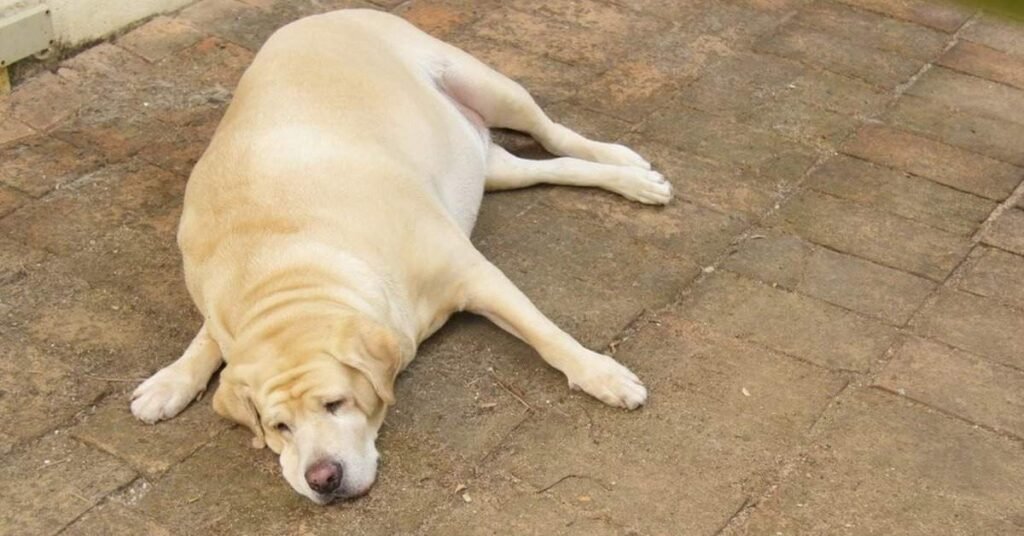
Simple bloat occurs when the stomach expands but remains in place, causing discomfort and risk of pressure on organs. Twisted bloat (GDV) is more severe, as the stomach rotates and blocks blood flow, creating a life-threatening emergency.
- Simple bloat may be managed if caught early
- Twisted bloat always requires emergency surgery
How Bloat Affects Your Dog’s Body
Bloat increases pressure in the stomach, which can reduce blood circulation and affect breathing. Toxins may build up in the bloodstream, leading to shock and organ failure if not treated promptly. The dog may appear restless, weak, or show signs of distress.
- Rapid intervention is crucial to prevent organ damage
- Dogs may go into shock within a few hours
Causes and Risk Factors of Bloat
Bloat doesn’t occur randomly. Several factors can increase a dog’s risk, including breed, anatomy, eating habits, and lifestyle. Deep-chested breeds are particularly vulnerable, and certain behaviors like eating too quickly or consuming large meals can trigger stomach expansion. Understanding these risk factors helps pet owners take preventive steps.
Age, genetics, and overall health also play a role. Dogs with a family history of bloat or older dogs are more prone to the condition. Environmental stress, sudden changes in routine, and intense activity around mealtime may further increase the likelihood of bloat. Monitoring these risk factors can significantly reduce emergency situations.
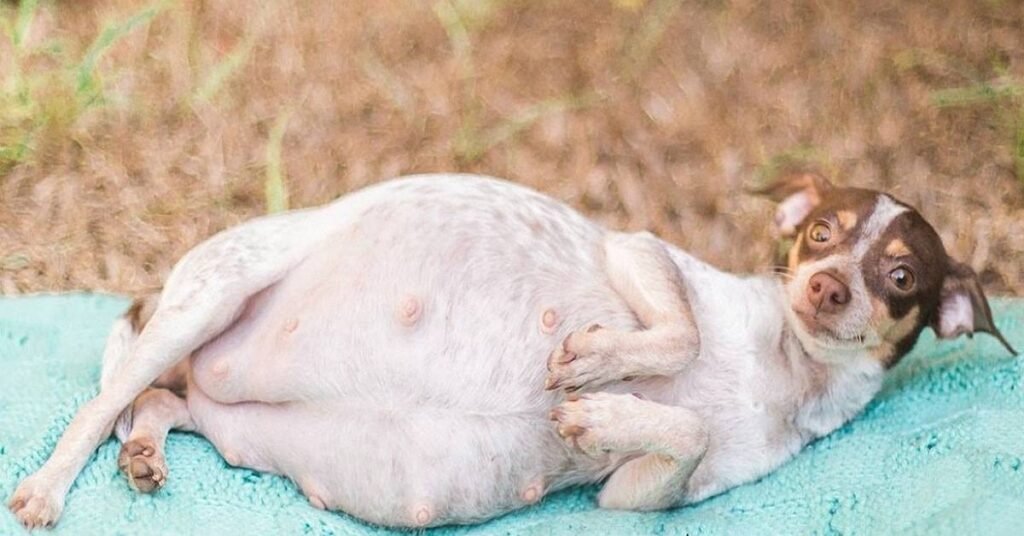
Anatomy and Breed Predisposition
Dogs with deep, narrow chests have more room for the stomach to move and twist, making them more susceptible to GDV. Genetics also influence risk, as dogs with relatives who experienced bloat are more likely to develop it themselves. Paying attention to breed-specific tendencies can help owners implement preventive measures early.
- Great Danes, German Shepherds, and Standard Poodles are high-risk breeds
- Older dogs or those with a family history of bloat are more vulnerable
Additionally, high-risk breeds should have carefully managed feeding schedules and stress-free routines to reduce the chance of stomach torsion.
Eating Habits and Meal Frequency
Large meals consumed quickly can increase the chance of the stomach expanding and twisting. Dogs that drink excessive water immediately after eating or consume one large daily meal are at higher risk. Meal patterns play a significant role in the development of bloat.
- Smaller, frequent meals reduce risk
- Slow feeder bowls can help prevent rapid eating
Encouraging slower eating habits and monitoring water intake after meals can greatly reduce the risk of stomach dilation.
Exercise and Lifestyle Triggers
Vigorous activity immediately before or after meals can put extra pressure on the stomach, raising the likelihood of bloat. Stressful environments, anxiety, and sudden changes in routine may further increase risk in susceptible dogs. Keeping a calm and predictable routine helps minimize triggers.
- Avoid intense exercise around mealtime
- Keep feeding routines calm and consistent
Regularly monitoring your dog’s activity levels and stress exposure can prevent situations that might trigger a bloat episode.
Which Dog Breeds Are More Prone to Bloat?
Certain dog breeds are more susceptible to bloat due to their chest shape, size, and genetic factors. Deep-chested and large breeds are particularly at risk, and owners of these dogs should take preventive measures. Awareness of breed predisposition helps in monitoring for early warning signs and reducing risk.
While any dog can develop bloat, some breeds have a significantly higher likelihood. Early recognition and preventive care can be life-saving for these high-risk dogs.

Common High-Risk Breeds
Large, deep-chested breeds are the most commonly affected by bloat. Their anatomy allows more stomach mobility, increasing the chance of twisting. Recognizing which breeds are high-risk helps owners stay vigilant.
- Great Danes, German Shepherds, Standard Poodles, and Saint Bernards are among the most susceptible
- Large, older dogs within these breeds have an increased risk
These breeds often require careful feeding schedules, stress reduction, and monitoring for early symptoms to prevent a life-threatening situation.
Why Deep-Chested Dogs Are More Vulnerable
Deep-chested dogs have a narrow, tall chest that allows the stomach more room to move, making them more prone to torsion. This anatomical factor is one of the main reasons why these dogs need extra care around meals and exercise.
- Deep chest allows stomach twisting, increasing GDV risk
- Extra vigilance is required for exercise, diet, and routine changes
In addition, owners should be aware that high-risk dogs can develop bloat even without obvious triggers, so preventive strategies are always recommended.
Signs and Symptoms of Bloat in Dogs
Recognizing the signs of bloat early is critical because the condition can progress rapidly. Dogs with bloat often display swelling of the abdomen, restlessness, drooling, and repeated attempts to vomit without producing anything.Prompt action can be the difference between life and death.
As bloat advances, symptoms can become severe. Dogs may experience shock, pale gums, rapid heartbeat, weakness, and collapse. Immediate veterinary attention is essential when any of these warning signs appear to prevent fatal outcomes.
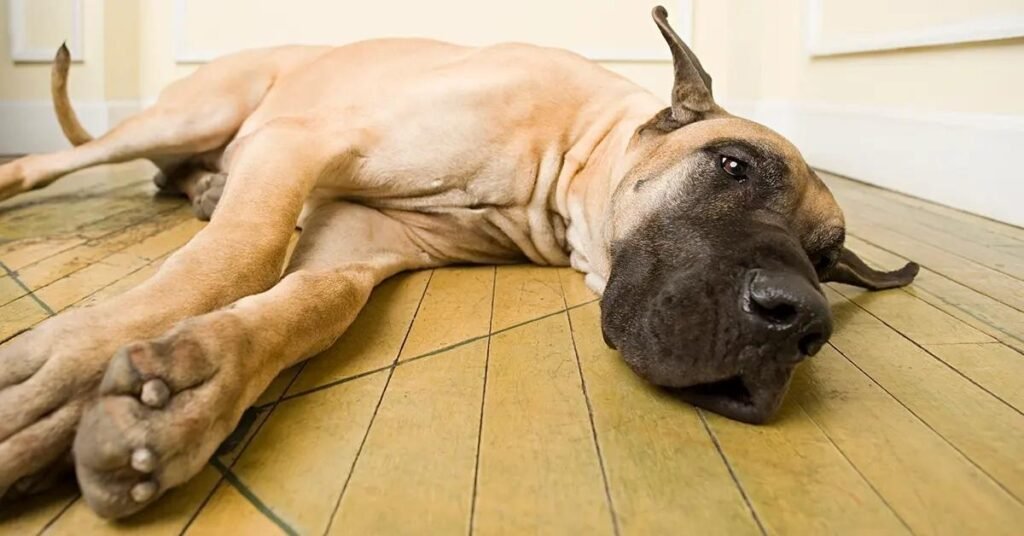
Early Warning Signs
In the initial stages, dogs may pace, whine, or appear anxious. Abdominal bloating, drooling, and attempts to vomit without success are common indicators. Pet owners should watch for subtle behavioral changes, which can signal the onset of bloat before it becomes severe.
- Restlessness and pacing
- Non-productive retching or dry heaving
Early detection allows for quicker veterinary intervention, which significantly improves survival rates.
Advanced Symptoms of GDV
When bloat progresses to a twisted stomach (GDV), the dog may experience severe abdominal distension, rapid breathing, weakness, and collapse. Circulation is compromised, leading to shock and potential organ failure.
- Rapid heart rate and labored breathing
- Extreme lethargy and pale gums
Immediate emergency care is crucial at this stage, as delayed treatment can be fatal.
How to Distinguish Simple Bloat from Volvulus
Simple bloat causes stomach expansion without twisting, leading to discomfort and mild symptoms. Twisted bloat, or volvulus, involves rotation of the stomach, which blocks blood flow and quickly becomes life-threatening. Knowing the difference can help determine the urgency of veterinary care.
- Simple bloat may be managed if caught early
- Volvulus requires emergency surgery
How Veterinarians Diagnose Bloat
Diagnosing bloat quickly is critical because rapid intervention can save a dog’s life. Veterinarians use a combination of physical examination, imaging, and lab tests to confirm the presence of bloat and determine whether the stomach has twisted. Early and accurate diagnosis guides treatment decisions and improves the chances of survival.
Veterinarians also assess overall health, as bloat can affect circulation and organ function. Understanding the severity and type of bloat helps them decide on emergency stabilization, surgery, or other interventions.
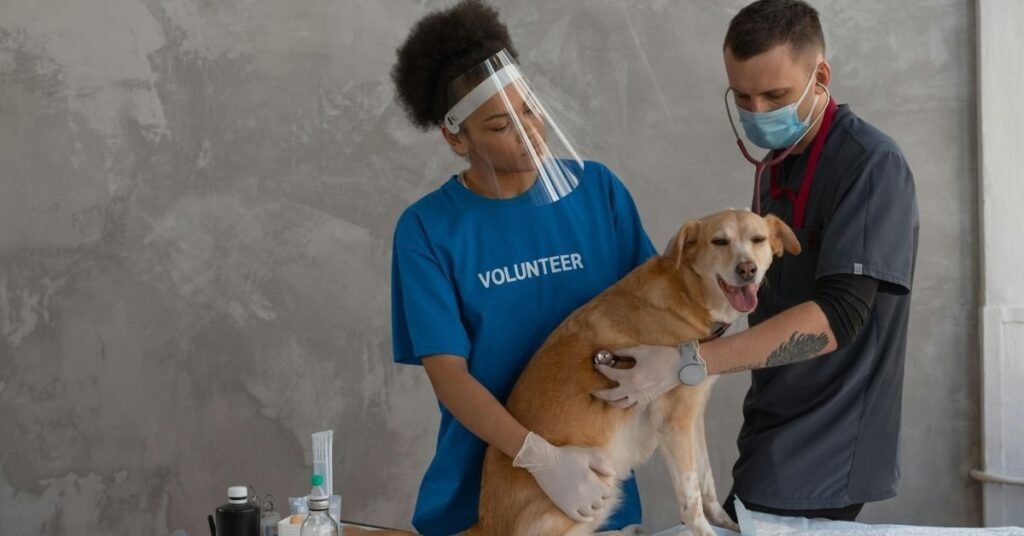
Physical Examination Techniques
During the initial exam, veterinarians check for abdominal swelling, signs of pain, rapid heart rate, and pale gums. These indicators help determine the severity of bloat and whether immediate treatment is necessary.
- Abdominal distension and tenderness suggest stomach expansion
- Rapid heartbeat and weak pulse indicate shock
A thorough physical exam provides critical clues before imaging or lab tests confirm the diagnosis.
Diagnostic Imaging (X-Rays)
X-rays or ultrasounds are used to visualize the stomach and confirm whether it has twisted. Imaging helps distinguish between simple bloat and GDV, which is essential for planning urgent treatment.
- X-rays reveal stomach dilation and twisting
- Ultrasound may detect fluid accumulation or organ compromise
Imaging allows the veterinarian to evaluate the severity and prepare for emergency intervention.
Blood Work and Additional Tests
Blood tests help assess organ function, electrolyte balance, and overall health. They identify signs of dehydration, organ stress, or complications caused by bloat. This information is vital for stabilizing the dog before surgery or other treatments.
- Blood work checks kidney, liver, and heart function
- Detects shock or toxin buildup that may affect recovery
Rapid and accurate diagnosis combining physical exam, imaging, and lab tests increases the chances of a successful outcome.
Treatment of Bloat in Dogs
Bloat is a medical emergency that requires immediate intervention. Treatment begins with stabilizing the dog to address shock, pain, and reduced circulation. Rapid action is essential because delayed treatment can lead to organ failure or death.
Once stabilized, most dogs require surgical intervention to correct the problem. Surgery typically involves untwisting the stomach, assessing for tissue damage, and performing a gastropexy to prevent recurrence. Quick and precise treatment dramatically improves survival rates.
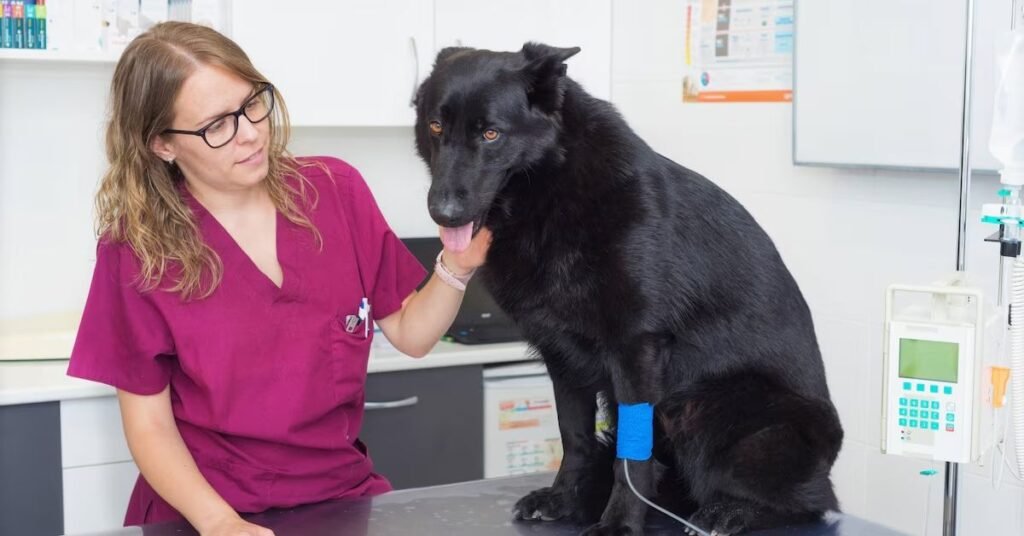
Emergency Stabilization
The first step is to stabilize the dog’s condition. Veterinarians provide intravenous fluids to combat shock, oxygen therapy to support breathing, and pain relief to reduce discomfort. Stomach decompression may be performed using a tube or needle to relieve pressure and restore circulation. Before attempting any procedure at home, always consult your veterinarian, as improper handling can worsen the condition.
- IV fluids restore blood flow and prevent organ failure
- Stomach decompression relieves pressure and reduces the risk of further twisting
Stabilization buys critical time, allowing the veterinary team to prepare for surgery while minimizing immediate life-threatening complications.
Surgical Intervention
Surgery is almost always required for twisted bloat (GDV). The veterinarian will untwist the stomach, remove any necrotic tissue if present, and often perform a gastropexy to attach the stomach to the abdominal wall. This reduces the risk of recurrence in high-risk breeds. Do not attempt surgery or stomach manipulation at home this is a life-threatening emergency and must be handled by a professional.
- Untwisting the stomach restores blood flow and relieves pressure
- Gastropexy prevents future episodes of bloat
Post-surgery, dogs are closely monitored for complications such as infection, arrhythmias, or residual stomach issues. Proper surgical care significantly increases survival chances, and following your veterinarian’s instructions during recovery is essential for a successful outcome.
Recovery and Prognosis
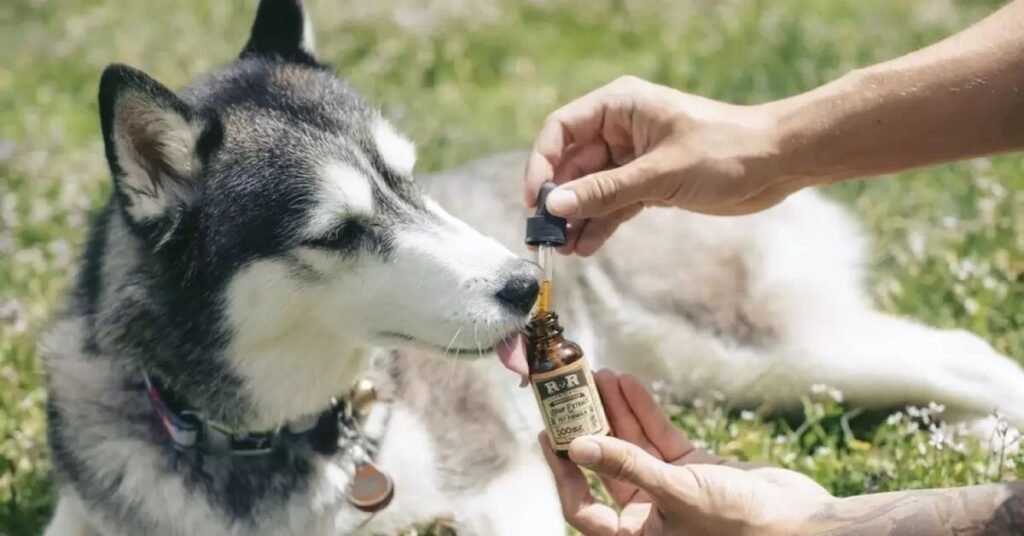
After emergency treatment or surgery, dogs require close monitoring to ensure circulation, organ function, and overall health stabilize. Recovery often takes several days in a veterinary hospital, during which veterinarians watch for complications like infection, arrhythmias, or residual stomach issues.
Post-hospital care at home is equally important. Gradually reintroducing food, limiting exercise, and monitoring for unusual behavior helps prevent relapse and supports full recovery. Dogs that receive prompt treatment generally have a favorable prognosis, though survival depends on the severity of the initial bloat episode.
Hospitalization and Monitoring
Following surgery, dogs are closely monitored for signs of infection, arrhythmias, and proper organ function. Frequent checks of vital signs and lab tests help ensure recovery is on track and complications are detected early.
- Continuous monitoring identifies potential complications quickly
- Blood tests and heart monitoring guide post-operative care
Monitoring in a hospital setting is critical during the first 24–48 hours when complications are most likely to occur.
Post-Surgery Care and Feeding Guidelines
At home, dogs should be fed small, frequent meals to reduce strain on the stomach. Activity should be limited, and any unusual behavior, such as lethargy or repeated vomiting, should prompt immediate veterinary attention.
- Offer several small meals throughout the day instead of a single large meal.
- Gradually increase activity based on veterinary guidance
Careful attention to diet and exercise ensures the dog recovers fully and reduces the risk of recurrence.
Factors Affecting Prognosis
The dog’s survival depends on how quickly treatment was administered, whether the stomach twisted, and the extent of tissue damage. Early intervention significantly improves survival, while delayed treatment can lead to organ damage or death.
- Quick veterinary care improves survival odds
- Complications such as necrotic tissue or organ failure can worsen outcomes
Prevention Strategies for Dog Bloat
Preventing bloat is far easier than treating it. Effective strategies involve proper feeding habits, controlled exercise, stress management, and, in some cases, preventative surgery. High-risk breeds, especially deep-chested dogs, require extra attention to reduce the likelihood of a life-threatening episode.
A combination of diet, lifestyle management, and routine monitoring can significantly lower the risk of bloat. Understanding triggers and implementing preventive measures helps keep dogs safe and healthy throughout their lives.
Smaller, Frequent Meals
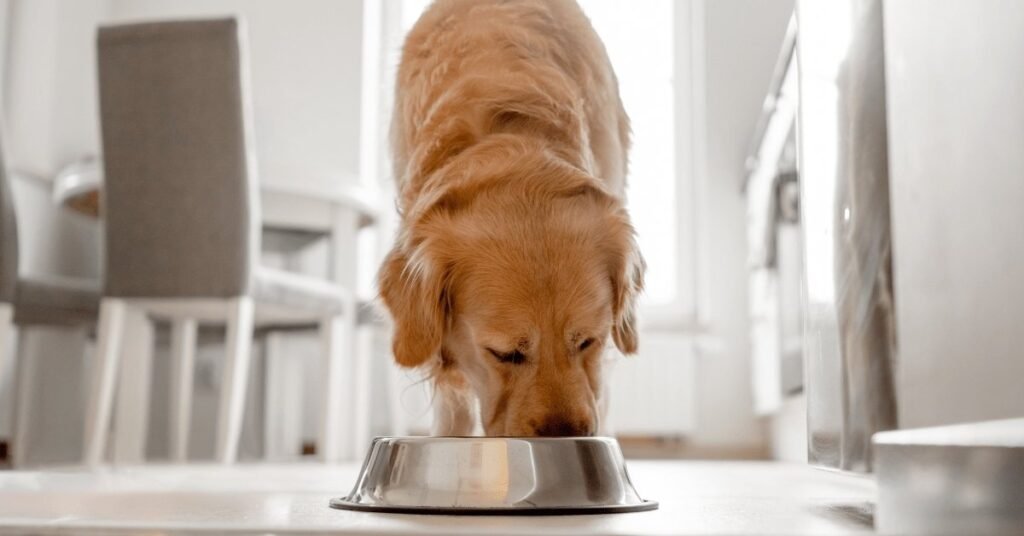
Feeding smaller, more frequent meals reduces the chance of stomach expansion and twisting. Large meals consumed quickly put extra pressure on the stomach, increasing the risk of bloat. Using slow feeder bowls or puzzle feeders encourages slower eating and better digestion.
- Avoid feeding one large meal per day
- Use slow feeder bowls or puzzle toys to prevent rapid eating
Gradually introducing multiple small meals not only improves digestion but also reduces the risk of gastric dilation and torsion.
Exercise Timing Around Meals
Vigorous activity immediately before or after meals can trigger bloat. Limiting intense exercise around mealtime and ensuring a calm environment during feeding reduces stomach stress. Maintaining a consistent routine around meals helps your dog’s digestive system function properly.
- Avoid running, jumping, or heavy play around mealtime
- Keep feeding routines calm and predictable
Scheduling exercise carefully and maintaining calm feeding sessions are effective ways to prevent bloat in high-risk dogs.
Reducing Stress and Anxiety
Stress and anxiety can contribute to bloat, particularly in susceptible dogs. Maintaining a predictable daily routine, reducing exposure to stressful environments, and offering comfort during feeding can lower the risk. Creating a calm, quiet area for meals helps dogs feel safe while eating.
This preventive measure works best when combined with proper feeding and exercise routines, creating a low-stress environment that minimizes triggers for bloat.
Preventative Surgery for High-Risk Dogs
For high-risk breeds, prophylactic gastropexy can prevent the stomach from twisting. This surgical procedure, often performed during spay or neuter surgery, is recommended for dogs with a family history of bloat or deep-chested anatomy.
- Gastropexy secures the stomach to the abdominal wall
- Recommended for genetically predisposed or high-risk dogs
Combined with proper feeding, exercise management, and stress reduction, prophylactic surgery dramatically reduces the chance of future bloat episodes.
FAQS
How should I respond if I think my dog has bloat?
Take your dog to the vet immediately. Bloat is an emergency and can become life-threatening quickly.
Can bloat be treated at home?
No. Bloat requires veterinary care and sometimes surgery. Home remedies are not safe.
How fast can bloat get serious?
Bloat can worsen within 1–3 hours, especially if the stomach twists. Quick action is critical.
Does every dog with bloat need surgery?
Not always. Twisted bloat (GDV) usually requires surgery, but mild bloat may sometimes be treated temporarily.
Is bloat hereditary?
Yes, dogs with a family history of bloat are more at risk, especially deep-chested breeds.
Conclusion
Bloat in dogs is a dangerous condition that can quickly become life-threatening. Early recognition, quick veterinary care, and preventive measures are key to keeping your dog safe. Understanding the causes, risk factors, and warning signs can help owners act fast and reduce the chance of recurrence.
With proper feeding, exercise management, stress reduction, and, for high-risk dogs, preventative surgery, you can protect your dog from this dangerous condition and ensure a healthier, safer life.
Disclaimer:
The information provided in this article is for general educational purposes only. It is not a substitute for professional veterinary care. Always consult a licensed veterinarian for advice, diagnosis, or treatment if you suspect your dog has bloat or any other medical condition. The authors and website do not assume responsibility for any outcomes resulting from the use of this content.
