


Why do dogs get ear infections? Ear infections are one of the most common health issues in dogs, affecting pets of all ages and breeds. While some infections are mild and easily treatable, others can become chronic or lead to serious complications if left untreated. Dogs often communicate discomfort subtly, making early detection challenging for owners. Understanding why dogs get ear infections, along with the symptoms, causes, and preventive measures, is essential for keeping your dog comfortable, healthy, and free from recurring ear problems. This guide provides a comprehensive overview of dog ear infections, including types, symptoms, causes, treatment options, and practical tips for prevention and long-term ear care.
What Are Dog Ear Infections?
Dog ear infections occur when bacteria, yeast, or parasites overgrow inside the ear canal, leading to inflammation, discomfort, and irritation. So, why do dogs get ear infections? In most cases, the infection begins in the outer ear, known as otitis externa. If left untreated, it can spread deeper into the middle or inner ear, increasing the risk of hearing loss and balance problems. Because dogs rely heavily on their ears for communication and awareness, even mild infections can quickly affect their quality of life.
These infections are among the most common reasons dogs visit the veterinarian. While some cases are short-term and easy to treat, others become chronic due to underlying issues such as allergies, breed-specific anatomy, or moisture retention. Understanding why dogs get ear infections helps owners recognize early warning signs and take timely action before the condition worsens or becomes recurring.
Understanding the Dog Ear Canal
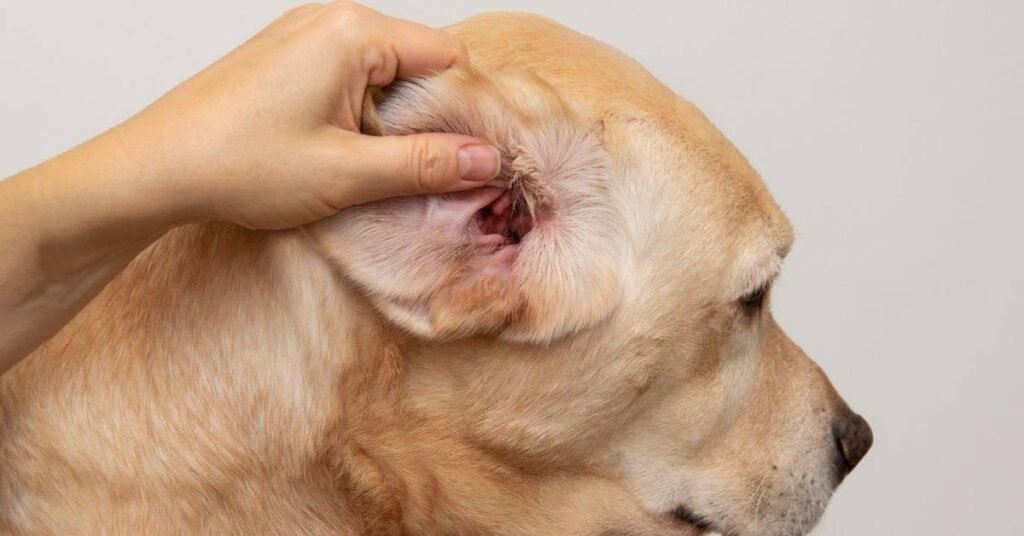
A dog’s ear canal is uniquely designed and far more complex than a human’s ear. Instead of a short, straight passage, it forms a deeper channel that limits airflow and slows natural cleaning. This anatomical difference explains why dogs are especially vulnerable to ear infections, particularly when moisture, allergens, or debris are present.
- Long and narrow canal: The extended length makes it difficult for wax, water, and debris to escape, allowing irritants to remain trapped and trigger inflammation.
- Vertical and horizontal shape: The L-shaped bend reduces ventilation and drainage, which encourages microbial buildup deep inside the ear.
- Sensitive inner lining: The thin, delicate skin inside the ear reacts quickly to irritation, leading to redness, swelling, and discomfort when infection begins.
Types of Ear Infections in Dogs
Dog ear infections vary not only in severity but also in location within the ear. Identifying the type of infection is important because each requires different treatment approaches and has varying risks of complications. Ear infections are generally classified based on whether they affect the outer, middle, or inner ear, and they can develop due to bacteria, yeast, parasites, allergies, or underlying medical conditions.
Chronic or recurrent infections often indicate an underlying issue, such as allergies, hypothyroidism, or poor ear hygiene. Understanding the type of infection can help you work with your veterinarian to prevent recurrence and minimize discomfort for your dog.
Otitis Externa, Media, and Interna
Ear infections are categorized by location:
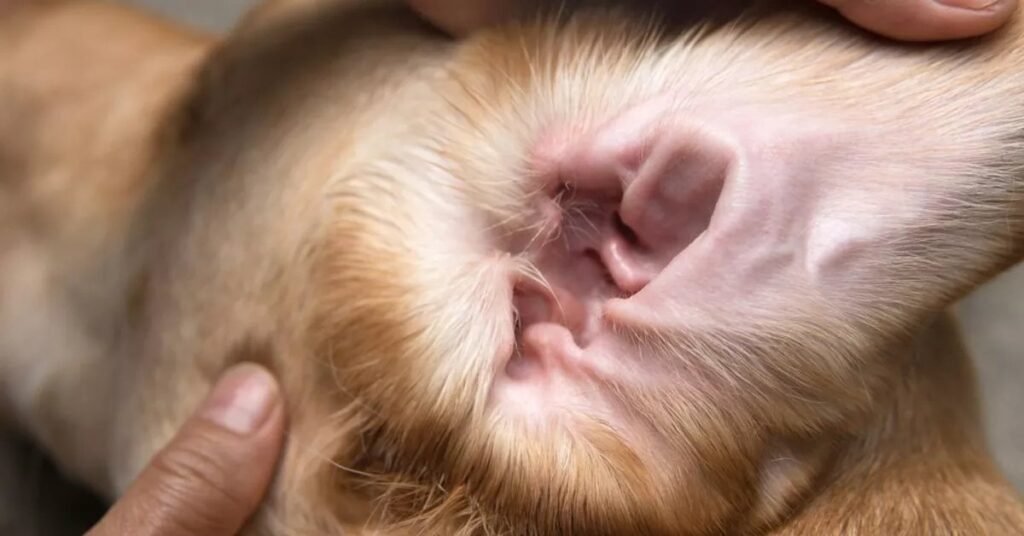
- Otitis externa: The most frequent type of ear infection, it primarily affects the outer ear canal.
- Otitis media: The middle ear becomes infected, often as a result of untreated otitis externa. Dogs may show head tilting, pain when touching the ear, or decreased hearing. In some cases, this type of infection requires systemic antibiotics or more invasive treatment.
- Otitis interna: The inner ear is affected in this severe stage. Dogs may experience dizziness, balance problems, circling, nausea, or even neurological symptoms. Early recognition is critical, as untreated inner ear infections can lead to permanent damage.
Key points to remember:
- Early treatment prevents progression from outer to inner ear.
- Recurrent infections often indicate an underlying health or structural issue.
- Prompt veterinary diagnosis and targeted treatment improve recovery time and reduce complications.
the paragraph, minimal bullets, and SEO-friendly readability:
Dog Ear Infection Symptoms
Dog ear infections can be subtle at first, making them easy to overlook until they become painful or chronic. Understanding why dogs get ear infections is important because symptoms often start gradually and can affect both the outer and inner parts of the ear. While some signs are physical, such as redness, swelling, or abnormal discharge, others are behavioral, including irritability, head tilting, or unusual scratching. Early detection is vital, as untreated infections can progress, causing more serious problems like hearing loss, balance issues, or recurring chronic infections.
Dogs communicate discomfort in different ways. Repeated scratching, rubbing the ear against furniture, or shaking the head is often the first visible sign of irritation. Over time, swelling and inflammation may develop, making the ear tender and sensitive to touch. Foul odors or unusual discharge often accompany bacterial or yeast overgrowth. Infections that reach the inner ear may result in neurological symptoms like dizziness, circling, or loss of coordination, which require urgent veterinary attention. Recognizing why dogs get ear infections helps owners take prompt action to prevent complications and keep their pets comfortable.

Common Symptoms of Dog Ear Infections
While symptoms vary between dogs and types of infections, some key signs are consistent:
- Scratching or rubbing the ear excessively: Often the first visible indicator of discomfort.
- Head shaking or tilting: Can signal irritation, fluid buildup, or early balance problems.
Owners should remain vigilant for other subtle signs, such as lethargy, reduced appetite, or irritability, which can indicate underlying ear pain. Regular checks, especially in breeds prone to ear infections, help catch early symptoms and prevent recurrence.
How Your Dog’s Breed Influences Ear Infection Risk
A dog’s breed plays a major role in determining susceptibility to ear infections. Certain anatomical features, like floppy ears, narrow ear canals, or excessive hair in the ear, can trap moisture and debris, creating the perfect environment for bacteria and yeast to thrive. Understanding your dog’s breed-specific risks allows for proactive care and prevention.
For example, breeds with floppy ears, such as Cocker Spaniels, Basset Hounds, and Labradors, often experience reduced airflow, which increases the likelihood of infections. Dogs with narrow or hairy ear canals, like Poodles or Schnauzers, may accumulate wax and debris more easily. Even breeds with naturally upright ears aren’t immune, especially if they swim frequently or have underlying allergies. Recognizing these breed-related predispositions helps owners implement regular ear checks, grooming, and preventive measures tailored to their dog’s unique anatomy.
- Floppy ears: Trap moisture and reduce ventilation, increasing infection risk.
- Hairy ear canals: Collect debris and wax, creating an environment for microbes.
- Narrow ear canals: Limit airflow and drainage, making infections more likely.
- High-risk breeds: Examples include Cocker Spaniels, Basset Hounds, Labradors, Poodles, and Schnauzers.

Early Warning Signs You Shouldn’t Ignore in Your Dog’s Ears
Detecting an ear infection early can save your dog from pain, prevent complications, and reduce treatment costs. Dogs often give subtle signals before a full-blown infection develops, so attentive observation is key. While scratching or head shaking is common, other signs may go unnoticed if you aren’t looking closely.
Some early indicators include slight redness or swelling inside the ear canal, a mild but persistent odor, or increased sensitivity when you touch the ears. Behavioral changes, such as irritability, reluctance to play, or head tilting, can also hint at discomfort. Even minor wax buildup or darkening of the ear wax may signal that bacteria or yeast are beginning to multiply. Catching these signs early allows for prompt cleaning, monitoring, or veterinary care, preventing the infection from progressing to the middle or inner ear, where it can become more serious.
- Subtle itching or rubbing: Occurs before intense scratching develops.
- Minor odor changes: A faint musty or sour smell may appear early.
- Slight redness or swelling: Often limited to the outer ear initially.
- Behavioral changes: Head tilting, reduced playfulness, or irritability.
What’s the Difference Between a Dog Yeast Ear Infection vs. Bacterial Infection
Dog ear infections can be caused by either yeast or bacteria, and while both lead to discomfort, the symptoms, odor, and treatment methods often differ. Understanding these differences is important because a treatment that works for one type may be ineffective or even worsen the other. Yeast infections are generally caused by an overgrowth of naturally occurring fungi, while bacterial infections result from harmful bacteria proliferating in the ear canal.
Yeast infections often produce thick, brown, or crumbly discharge and a musty odor. Dogs may scratch persistently and show mild to moderate inflammation. Bacterial infections, on the other hand, typically result in yellow, green, or pus-like discharge with a strong, foul odor. They often cause more acute pain and swelling, and if left untreated, can progress rapidly. Recognizing these differences early helps veterinarians choose the right medications and care plan, improving recovery times and reducing recurrence.

Key Differences Between Yeast and Bacterial Infections
- Discharge type: Yeast infections produce dark, thick, or crumbly wax, whereas bacterial infections often involve yellow, green, or pus-like discharge, which may indicate more aggressive infection.
- Odor: Yeast infections usually have a mild to musty smell, while bacterial infections emit a strong, unpleasant odor that can intensify quickly.
- Inflammation and pain: Bacterial infections often cause pronounced redness, swelling, and significant discomfort, whereas yeast infections generally result in moderate irritation unless left untreated.
- Treatment approach: Yeast infections typically respond well to antifungal ear drops or cleaning solutions, while bacterial infections require targeted antibiotics, sometimes oral or systemic, depending on severity.
By closely monitoring your dog’s symptoms and consulting a veterinarian at the first sign of trouble, you can ensure the correct diagnosis and treatment plan. Addressing the infection promptly not only alleviates discomfort but also prevents the condition from recurring or progressing to more serious complications. Regular ear maintenance, combined with early intervention, is the key to keeping your dog’s ears healthy.
How Veterinarians Diagnose Dog Ear Infections
Accurate diagnosis is essential for effectively treating ear infections in dogs. Because why dogs get ear infections can involve multiple factors such as yeast, bacteria, or parasites and infections may affect the outer, middle, or inner ear, a veterinarian’s thorough examination is critical. Proper diagnosis ensures the correct cause is identified, the right treatment is prescribed, and recurrent or chronic issues are prevented. Attempting to treat an infection without professional guidance can worsen symptoms, prolong recovery, or mask underlying problems, making future infections harder to manage.
During a veterinary examination, the vet carefully inspects the ear canal and outer ear for signs of redness, swelling, discharge, odor, or structural abnormalities. A detailed history including prior infections, allergies, swimming habits, and grooming routines helps identify contributing factors. For more complicated or recurring cases, additional tests like cytology, cultures, or allergy screening may be performed to ensure a targeted and effective treatment plan. Understanding why dogs get ear infections and addressing the root cause early not only alleviates discomfort but also reduces the risk of long-term damage and recurrence.

Common Diagnostic Methods
Accurate diagnosis of a dog’s ear infection is essential for choosing the correct treatment and preventing recurrence. Veterinarians begin by visually examining the ear canal and tympanic membrane, checking for redness, swelling, debris, or discharge. They also consider the dog’s medical history, including prior infections, allergies, grooming habits, and water exposure, to identify contributing factors. This thorough assessment ensures that the underlying cause of the infection is properly addressed, not just the symptoms.
- Culture and sensitivity: Lab tests determine the specific bacteria and the most effective antibiotics for recurrent infections.
- Allergy and health screening: Checks for underlying conditions or allergies in dogs with chronic or repeated infections.
Accurate diagnosis lays the foundation for effective treatment, faster recovery, and long-term ear health. Regular monitoring during treatment ensures the infection is resolving and reduces the risk of recurrence.
Dog Ear Infection Treatment
Treating a dog’s ear infection effectively requires addressing both the infection itself and any underlying causes. Treatment plans vary depending on whether the infection is bacterial, yeast-related, or caused by parasites, as well as the severity and location of the infection. Early intervention not only alleviates discomfort but also prevents complications, such as hearing loss or recurrent infections. Treatment often combines topical medications, oral medications if necessary, and supportive care at home, along with regular follow-up to ensure full recovery.
Veterinarians typically begin by cleaning the ear canal to remove debris, discharge, and excess wax, which helps medications reach the infected area more effectively. Topical treatments, such as antifungal or antibacterial drops, are commonly prescribed based on the type of infection identified during diagnosis. In more severe or chronic cases, oral antibiotics or antifungal medications may be required. Additionally, identifying and managing underlying issues, such as allergies or anatomical predispositions, is critical to prevent recurrence. Consistent home care, monitoring for symptom improvement, and follow-up veterinary visits ensure the infection is fully resolved.

Common Treatment Approaches
- Ear cleaning: Removes debris, wax, and discharge to allow medications to work effectively.
- Topical medications: Antifungal or antibacterial drops target the specific infection in the ear canal.
- Oral medications: Prescribed for severe or chronic infections to address deeper infections.
- Managing underlying causes: Allergy management, ear hair trimming, and moisture control help prevent recurrence.
Proper adherence to the veterinarian’s treatment plan, including completing the full course of prescribed medications, combined with routine ear cleaning, careful monitoring for any changes, and addressing underlying causes like allergies or moisture retention, is essential for maintaining long-term ear health, preventing recurrent infections, and ensuring your dog remains comfortable and pain-free.
Can You Prevent Ear Infections in Dogs?
While not all ear infections can be completely avoided, many cases can be prevented with proper care and attention. Prevention focuses on maintaining clean, dry ears, monitoring for early signs of irritation, and addressing underlying factors that make dogs prone to infections. Consistent preventive measures help reduce discomfort, lower the risk of chronic infections, and save owners from costly veterinary visits. Preventive strategies are especially important for breeds with floppy ears, narrow canals, or a history of recurring infections.
Regular ear care involves routine inspection, gentle cleaning, and keeping the ears dry after swimming or bathing. Managing allergies, trimming excess hair in the ear canal, and maintaining overall hygiene also play a critical role. Preventive care should be paired with prompt veterinary attention at the first sign of redness, discharge, or odor to ensure infections are caught early. By incorporating these habits, owners can significantly reduce the likelihood of infections and support their dog’s long-term ear health and comfort.
Preventive Measures for Dog Ear Infections
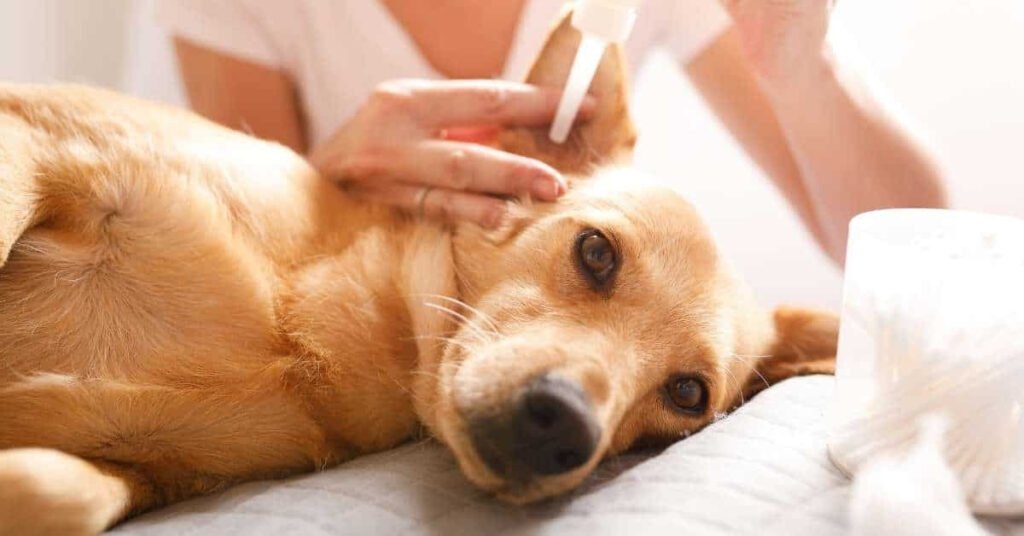
Preventing ear infections in dogs requires consistent care and awareness. Regular inspection and cleaning help remove debris, wax, and moisture that can fuel bacterial or yeast growth. Dogs that swim frequently or live in humid environments are at higher risk, so drying their ears thoroughly after water exposure is essential. Managing allergies, whether environmental or food-related, reduces inflammation in the ear canal, which can otherwise create a breeding ground for infections. Proper grooming, including trimming excess ear hair and keeping the ear canals clear, improves airflow and minimizes trapped moisture or dirt. Additionally, observing your dog for early signs of discomfort, such as mild scratching, head shaking, or subtle odor, allows for immediate intervention before a full-blown infection develops.
- Routine ear checks and cleaning: Inspect and clean ears regularly to remove debris and prevent buildup.
- Dry ears after swimming or bathing: Moisture creates an environment where bacteria and yeast can thrive.
- Manage allergies and underlying conditions: Control food or environmental allergies to reduce inflammation and infection risk.
- Maintain proper ear hygiene and grooming: Trim excessive ear hair and keep canals clear to improve airflow and reduce debris accumulation.
Consistent preventive care, combined with prompt action at the first sign of irritation, helps ensure your dog’s ears stay healthy, comfortable, and infection-free over the long term.
Disclaimer
This article is intended for informational purposes only and is not a substitute for professional veterinary care. If your dog shows any signs of an ear infection or other health issues, consult a licensed veterinarian promptly. Prompt diagnosis and appropriate treatment are essential to ensure your dog’s health and well-being. The author and website disclaim any responsibility for outcomes resulting from the use of this information.
