

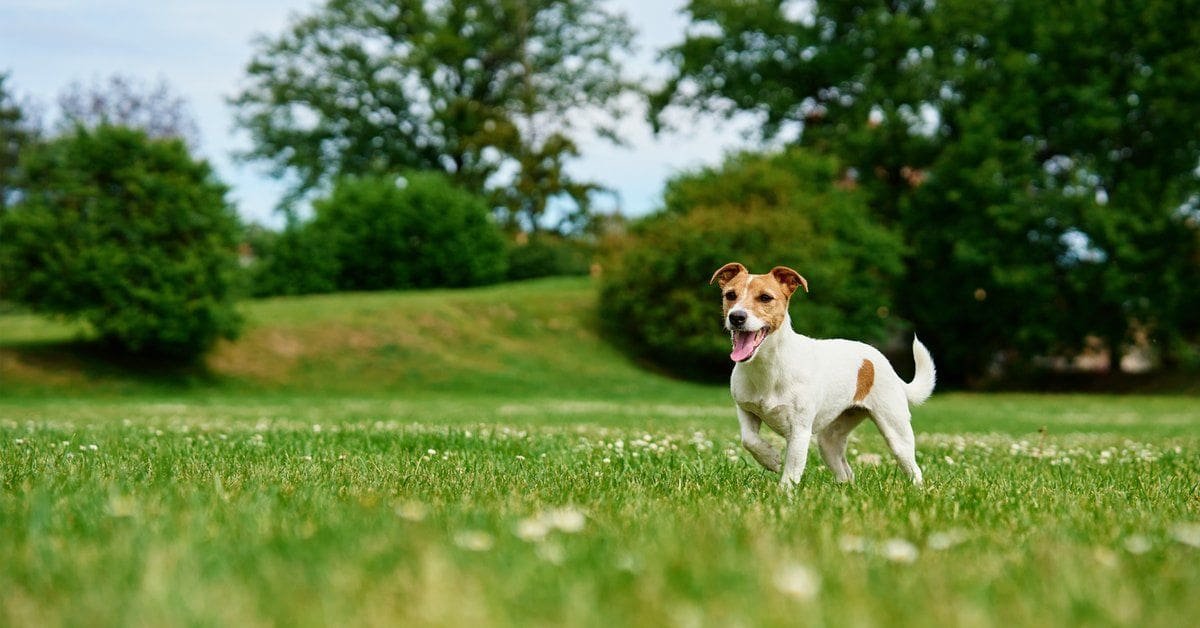
Many dog owners are often surprised or even alarmed when they see their furry friends munching on grass. You might be asking yourself, “Why do dogs eat grass?” Although it might appear strange or concerning, grass-eating is actually a common behavior in many dogs. Understanding why your dog does this can help you determine whether it’s harmless, a sign of a health issue, or a behavior that needs attention.
Dogs might graze for several reasons: instinct, curiosity, dietary needs, or even boredom. Some experts believe that wild ancestors of domestic dogs would eat plants occasionally to aid digestion or supplement their diet. For others, chewing grass is simply a way to explore their environment or relieve mild stomach discomfort.
In this article, we’ll explore why dogs eat grass, discuss whether it’s safe, explain when you should be concerned, and share practical tips to help manage it. By the end, you’ll have a clearer understanding of your dog’s grazing habits and know exactly what steps to take if needed.

Do Dogs Eat Grass to Vomit?
Some dogs nibble on grass right before vomiting, which can naturally make owners worried. However, this behavior does not always indicate a serious illness. In many cases, dogs use grass as a way to soothe mild stomach discomfort, remove something indigestible from their system, or relieve nausea. Understanding this behavior can help owners differentiate between normal instinctive actions and potential health issues.
Dogs may eat grass before vomiting for several reasons:
- Mild Digestive Upset:
Sometimes dogs eat grass to ease minor stomach irritation. The fibrous texture of grass can stimulate the stomach lining, encouraging the body to expel unwanted material. This mechanism is often harmless if it occurs occasionally and usually resolves on its own. - Instinctive Self-Cleaning:
Many dogs have instinctively learned that chewing grass can help “cleanse” their stomach. This behavior may be inherited from wild ancestors, who occasionally consumed plants to trigger vomiting when their stomachs were unsettled. It’s a natural coping mechanism rather than a sign of poor health. - Not Always Dangerous:
Occasional vomiting after eating grass is usually harmless, especially if your dog is otherwise healthy. Dogs may vomit only a small amount, and their energy, appetite, and mood remain normal. - Frequency Matters:
While occasional vomiting is often fine, repeated episodes may indicate a more serious problem. Frequent vomiting or excessive grass eating can be a sign of gastrointestinal issues, dietary deficiencies, or other medical conditions that require a vet’s attention.
Tip for Owners: Keep an eye on how often your dog eats grass and vomits. If it becomes frequent or is accompanied by other symptoms such as lethargy, diarrhea, or loss of appetite, it’s best to consult your veterinarian. Monitoring these patterns will help you determine whether your dog’s behavior is normal or if further investigation is needed.
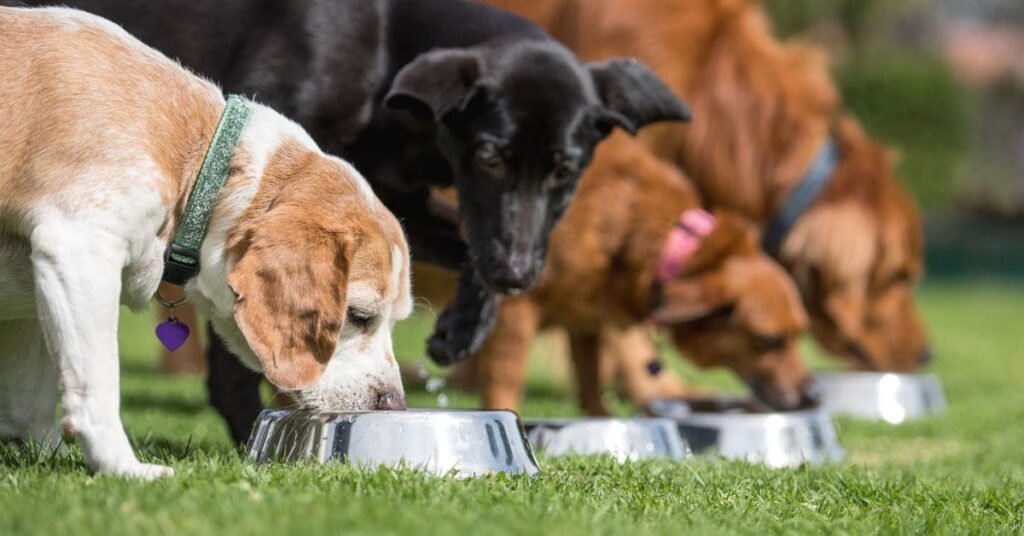
Do Dogs Eat Grass to Vomit?
Many dog owners are puzzled when they see their pets munching on grass and then vomiting shortly afterward. While this can look alarming, it’s important to understand that grass-eating followed by vomiting is a relatively common canine behavior and is not always a sign of serious illness. Dogs may instinctively use grass to help them relieve mild stomach discomfort, expel indigestible material, or soothe nausea.
This behavior can be natural, but the frequency, amount of grass eaten, and overall health of your dog are key factors in determining if action is needed.
Mild Digestive Upset
Sometimes, dogs eat grass simply to help with minor stomach issues. This behavior can trigger vomiting that clears the digestive tract and relieves discomfort. The following points explain why this happens:
- Grass texture can irritate the stomach lining, prompting vomiting.
- Helps remove food or substances causing temporary stomach upset.
- Usually harmless if it occurs occasionally.
- Often happens after eating something that disagrees with the dog.
Instinctive Self-Cleaning
Many dogs have learned instinctively that grass can help them “cleanse” their stomachs. This behavior is thought to be inherited from wild ancestors. Here’s how it works:
- Acts as a natural digestive aid in some dogs.
- Can relieve nausea or mild discomfort without other interventions.
- Often linked to breeds with sensitive stomachs.
- Not necessarily related to diet deficiencies.
Frequency Matters
While occasional grass-induced vomiting is typically harmless, frequent episodes may indicate an underlying health concern. Here’s what owners should watch for:
- Vomiting more than 1–2 times per week.
- Eating large amounts of grass regularly.
- Vomiting multiple times in a short period.
- Signs of lethargy, diarrhea, or loss of appetite.
When to Be Concerned
If your dog vomits repeatedly after eating grass or shows additional symptoms, it may be time to consult a veterinarian. Consider the following red flags:
- Potential gastrointestinal blockages or foreign objects.
- Parasites or infections causing stomach upset.
- Food intolerances or allergies.
- Chronic digestive disorders.

Is Eating Grass Safe for Dogs?
Many dog owners wonder if letting their pets eat grass is harmless or if it could be dangerous. In most cases, occasional grass-eating is perfectly safe. Dogs often graze on grass as part of natural behavior, which can provide small amounts of fiber and satisfy chewing instincts.
However, safety depends on the environment and frequency of this behavior. Dogs that frequently eat grass, consume large amounts, or graze in treated areas may face health risks. Understanding both the benefits and potential dangers is essential for keeping your dog healthy.
Grass Is Generally Harmless
For most dogs, eating grass is a normal and safe habit. It can help with minor digestive regulation and offer a source of fiber that may aid in smooth digestion. Dogs may also chew grass simply to explore different textures or to relieve mild boredom.
Dogs that graze occasionally usually remain energetic, have a healthy appetite, and show no signs of illness. Monitoring how often your dog eats grass helps ensure it doesn’t become excessive or a sign of another issue, such as nutritional deficiency or stomach discomfort.
Potential Risks of Grass-Eating
While usually safe, certain situations can make grass-eating risky. Treated lawns, for example, may contain pesticides, herbicides, or fertilizers, which can cause vomiting, diarrhea, or more serious complications if ingested.
Some lawns also contain toxic plants that dogs may accidentally consume. Eating large quantities of grass may irritate the stomach, causing vomiting or diarrhea. Additionally, hidden objects like sticks, stones, or sharp debris could injure a dog’s mouth or digestive system. Owners should observe their dog’s behavior and inspect outdoor areas regularly to prevent problems.
How to Keep Your Dog Safe
A few simple precautions can help ensure that grass-eating remains safe for your dog and doesn’t lead to health problems. Monitoring where and how your dog grazes can prevent exposure to toxins, injury, or digestive upset.
- Use untreated grassy areas: Make sure your dog only has access to lawns or fields that have not been treated with fertilizers, pesticides, or herbicides. These chemicals can be harmful if ingested.
- Remove toxic plants from the yard: Certain plants commonly found in gardens, such as lilies, azaleas, or oleander, are poisonous to dogs. Check your yard regularly and remove any potentially harmful plants.
- Watch your dog outside: Supervise your dog during outdoor time to prevent excessive grass-eating and to ensure they do not ingest foreign objects like sticks, stones, or trash.
- Provide fiber-rich treats or safe chews: Giving your dog alternative sources of fiber, such as dog-safe vegetables or chews, can reduce their urge to graze on grass and help maintain digestive health.
By combining careful supervision with safe alternatives and a healthy environment, you can allow your dog to graze occasionally without putting their health at risk.

Reasons Dogs May Eat Grass (Physical and Psychological Needs)
Dogs may graze on grass for a variety of reasons, and you might wonder, “Why do dogs eat grass?” It’s important for owners to understand that this behavior is often multi-faceted. In many cases, it is completely normal, but it can also be triggered by physical discomfort, dietary needs, or emotional factors such as stress or boredom. Observing when, where, and how your dog eats grass can help you identify the underlying cause and determine whether any intervention is necessary.
There are two primary categories to consider: physical reasons and psychological reasons. Both can influence your dog’s grazing behavior, sometimes working together to prompt repeated grass-eating.
Physical Reasons
Dogs may eat grass to meet certain physical needs or relieve minor digestive issues. This behavior can be instinctive, rooted in natural coping mechanisms inherited from their wild ancestors. Some dogs graze because their digestive system requires additional fiber, or because they are experiencing mild nausea or stomach discomfort.
Eating grass may help move food through the digestive tract more smoothly or trigger vomiting if something in the stomach is causing irritation. Certain breeds with sensitive stomachs may show this behavior more frequently, while dogs with imbalanced diets might seek out grass as a source of nutrients they are missing. Over time, occasional grazing often becomes a normal and harmless habit.
Psychological Reasons
Grass-eating can also stem from mental or emotional triggers. Dogs left alone for long periods, those lacking stimulation, or dogs experiencing stress or anxiety may chew on grass to occupy themselves or relieve tension. Some dogs develop grazing as a repetitive habit reinforced over time by curiosity or attention from their owners.
Here are common psychological triggers for grass-eating:
- Boredom: Dogs may graze simply to pass the time when they lack toys or engagement.
- Stress or Anxiety: Chewing grass can act as a self-soothing behavior.
- Reinforced Habit: Dogs may continue grazing because of past curiosity or attention received from owners.
- Environmental Exploration: Some dogs are naturally curious and investigate the world with their mouths.
Addressing these mental or emotional needs through exercise, play, and enrichment often reduces unnecessary grass-eating while allowing normal grazing behavior to continue safely.
Balancing Physical and Psychological Needs
Understanding whether your dog grazes for physical or psychological reasons or both requires careful observation of their diet, health, and daily routines. Maintaining a balanced diet, offering safe sources of fiber, and ensuring mental and physical enrichment can help minimize unnecessary grass-eating while supporting your dog’s overall wellbeing.

What Should You Do If Your Dog Eats Grass?
Seeing your dog nibble on grass can be surprising, but in most cases, it’s not a cause for alarm. Occasional grass-eating is often harmless, and dogs may graze instinctively or to relieve mild stomach discomfort. However, it’s important for owners to take certain precautions to ensure the behavior doesn’t lead to health issues.
Understanding your dog’s grazing habits including how often they eat grass, whether they vomit afterward, and the environment where they graze can help you determine whether intervention is needed. By observing behavior, creating a safe outdoor space, adjusting diet, and knowing when to consult a vet, you can manage grass-eating effectively while keeping your dog healthy and happy.
Observe Your Dog’s Behavior
Before taking any action, carefully watch your dog while it eats grass. Observing the context and frequency of grazing provides valuable information.
Dogs may nibble occasionally without any issues, but tracking behavior can help you spot patterns that indicate mild stomach upset, boredom, or anxiety. Look for signs like vomiting, lethargy, or changes in appetite or energy, as these may suggest a need for further evaluation.
Ensure a Safe Environment
Providing a safe environment is crucial. Even healthy dogs can face hazards if grass is treated with chemicals, contains toxic plants, or has debris like sticks and stones. Supervising your dog outdoors and maintaining a safe yard minimizes risk while allowing them to graze naturally.
Adjust Diet and Provide Alternatives
If your dog grazes due to dietary needs or boredom, providing alternatives can help reduce grass-eating. Here’s how:
- Offer fiber-rich treats like pumpkin, green beans, or dog-safe vegetables.
- Give chew toys or interactive puzzle feeders for mental stimulation.
- Ensure a balanced diet to meet nutritional needs.
These alternatives satisfy your dog’s physical and psychological needs while reducing unnecessary grazing.
When to Consult a Veterinarian
While occasional grass-eating is usually harmless, frequent vomiting or other unusual symptoms require veterinary attention. Signs to watch for include persistent vomiting, diarrhea, blood in stool, lethargy, or significant changes in appetite and behavior. A vet can help determine if there is an underlying medical issue and provide guidance for managing grazing habits safely.

When to Visit the Vet for Grass-Eating Habits
While occasional grass-eating is typically harmless, frequent or compulsive grazing may signal an underlying health problem. Dogs cannot verbally communicate discomfort, so their behavior including grazing, vomiting, and changes in appetite offers vital clues about their well-being. Observing how often your dog eats grass, whether it vomits afterward, and any additional symptoms can help determine whether a veterinary visit is necessary.
Early veterinary evaluation can prevent minor issues from escalating, identify hidden health concerns, and ensure your dog maintains optimal digestive and overall health. Understanding the warning signs and potential causes of excessive grass-eating is essential for all dog owners.
Signs That Require Attention
Certain symptoms indicate that grass-eating may be more than just a harmless habit. Owners should monitor their dog carefully and seek professional advice if they notice the following:
- Frequent vomiting after eating grass.
- Diarrhea or blood in the stool.
- Sudden changes in appetite or weight loss.
- Lethargy or unusual behavior.
- Excessive or compulsive grass-eating.
Possible Underlying Conditions
Frequent or excessive grass-eating can sometimes indicate medical issues. Dogs may graze as a response to gastrointestinal irritation, nutritional deficiencies (especially fiber), parasites, infections affecting digestion, or chronic digestive disorders. Recognizing these conditions early allows for timely treatment and reduces the risk of complications.
How a Veterinarian Can Help
Veterinarians can assess whether your dog’s grass-eating is normal or linked to a health problem. They may recommend dietary adjustments to meet nutritional needs, diagnostic tests for gastrointestinal issues or parasites, or behavioral strategies to reduce excessive grazing. Professional guidance ensures that your dog’s grazing is managed safely while addressing any underlying health concerns.

How to Stop a Dog From Eating Grass
While occasional grass-eating is normal, some dogs may graze excessively, which can be concerning for owners. Excessive grass consumption can lead to vomiting, digestive upset, or exposure to harmful substances like pesticides or toxic plants. Understanding the underlying reasons for this behavior is key to managing it effectively.
Dogs eat grass for multiple reasons, including digestive needs, boredom, stress, or nutritional deficiencies. Simply forbidding the behavior is often ineffective because it ignores the root cause. The best approach is a combination of observation, providing safe alternatives, dietary adjustments, and behavior reinforcement. By addressing both the physical and psychological triggers, you can reduce unnecessary grazing while keeping your dog safe and healthy.
Identify the Cause
The first step in managing grass-eating is determining why your dog engages in this behavior. Is it due to digestive discomfort, boredom, stress, or a lack of nutrients? Observing when and how your dog grazes can reveal patterns that guide appropriate solutions. Dogs with sensitive stomachs may graze to relieve mild nausea, while anxious or bored dogs may eat grass out of habit. Identifying the cause allows you to address the behavior effectively rather than just suppressing it.
Provide Safe Alternatives
Offering substitutes can redirect your dog’s grazing instincts toward healthier options. Providing fiber-rich treats, chew toys, or interactive puzzle feeders satisfies your dog’s need to chew and explore textures without consuming excessive grass.
Here are safe alternatives to help reduce grass-eating:
- Fiber-rich treats such as pumpkin, green beans, or dog-safe vegetables.
- Chew toys or puzzle feeders to provide mental stimulation.
- Interactive playtime and exercise to alleviate boredom.
- Rotating toys and activities to keep your dog engaged.
Adjust Diet and Routine
Dietary gaps or irregular feeding schedules can trigger grass-eating. Ensuring your dog receives a balanced diet with adequate fiber, vitamins, and minerals reduces grazing caused by nutritional needs. Feeding smaller, more frequent meals or adding high-fiber snacks can improve digestion and lower the urge to eat grass. Consistency in feeding and a well-balanced diet are essential to minimizing this behavior.
Monitor and Reinforce Behavior
Consistent observation and positive reinforcement are key in managing grass-eating. Redirect your dog when you notice grazing, reward them for chewing appropriate items, and supervise outdoor time. Over time, your dog learns acceptable ways to satisfy chewing instincts while reducing unnecessary grass-eating. Monitoring allows you to reinforce good habits while maintaining a safe and healthy environment.

Understanding Your Dog’s Grass-Eating Instinct
Grass-eating is often a natural instinct in dogs, inherited from their wild ancestors. Wild canines occasionally consumed plant matter to aid digestion, obtain fiber, or induce vomiting when their stomachs were upset. Domestic dogs may retain this instinct, grazing on grass even when they have access to a balanced diet.
Recognizing that grass-eating can be instinctive helps owners differentiate between normal behavior and a sign of an underlying issue. By understanding the instinct, you can provide safe outlets for grazing while monitoring for excessive or problematic behavior.
Natural Instincts
Many dogs graze on grass as part of their inherited natural instincts. Chewing and eating plants may help cleanse the digestive system, stimulate the gut, or provide additional fiber. Even without apparent digestive problems, some dogs engage in this behavior simply because it is instinctive.
Regular grazing in moderation is generally harmless and can be viewed as a natural behavior rather than a problem. Observing the frequency and context of grass-eating can help determine whether it is purely instinctive or triggered by other factors.
When Instinct Becomes a Concern
Although grazing is often normal, excessive or compulsive grass-eating may indicate that the behavior is no longer purely instinctive. Dogs that graze frequently, vomit regularly, or show signs of digestive discomfort may be responding to physical or psychological needs rather than just following instinct.
Here are signs that grass-eating may require attention:
- Grazing multiple times a day or in large amounts.
- Vomiting or digestive upset after eating grass.
- Lethargy, appetite changes, or unusual behavior.
- Compulsive or repetitive grazing beyond occasional nibbling.
Monitoring these signs can help owners distinguish normal instinctive behavior from a health or behavioral concern.
Supporting Natural Behavior Safely
Owners can support their dog’s natural grazing instincts safely by providing a secure, untreated area for grass-eating, offering safe alternatives like fiber-rich treats, and maintaining a balanced diet. Combining supervision with healthy outlets ensures that instinctive behavior does not become harmful.

Best Lifetime Dog Insurance
Providing your dog with lifetime insurance coverage ensures access to veterinary care throughout their life, covering unexpected illnesses, injuries, or chronic conditions such as digestive issues caused by frequent grass-eating that can lead to costly medical bills. Lifetime dog insurance reduces financial stress, encourages regular veterinary visits, and offers peace of mind for both routine and emergency health needs.
When selecting a policy, look for comprehensive coverage that includes accidents, illnesses, hereditary conditions, and reimbursement for both routine and emergency care, along with flexible vet choice and clear claim processes. To maximize benefits, maintain regular check-ups, follow treatment plans, and keep accurate health records. Combined with preventive care, a balanced diet, and a safe environment, lifetime insurance supports your dog’s long-term health and wellbeing.
Disclaimer:
The information provided in this article is for general informational purposes only and is not a substitute for professional veterinary advice, diagnosis, or treatment. Always consult a licensed veterinarian regarding any questions or concerns about your dog’s health, behavior, or dietary needs. The author and publisher are not responsible for any adverse effects, injuries, or outcomes resulting from the implementation of the information provided.
