


INTRODUCTION:
Shedding is a natural part of a dog’s life, but when it seems excessive, it can be concerning for pet owners. Dogs lose hair to make way for new growth, regulate body temperature, and maintain a healthy coat. The amount of shedding can vary depending on breed, age, health, and seasonal changes, which is why it’s important to understand what’s normal for your dog.
Knowing why your dog sheds, how to manage it, and when to seek veterinary help is essential for keeping your furry friend comfortable and your home clean. This guide covers everything you need to know about dog shedding, including causes, prevention, management tips, and warning signs to watch for.
Why My Dog Shed So Much: Understanding Normal Shedding
Shedding is a natural process for dogs, but if you notice clumps of fur around the house or your dog losing more hair than usual, you might be asking, “Why my dog shed so much?” Understanding what normal shedding looks like helps you distinguish between healthy fur loss and potential health problems.
All dogs shed to remove old or damaged hair and make way for new growth. The amount and pattern of shedding vary depending on breed, coat type, age, and even the time of year. Some dogs shed lightly throughout the year, while others shed heavily during seasonal coat changes.

Signs of Normal Shedding
Before worrying about excessive shedding, it’s important to recognize what a healthy shedding pattern looks like. Here are some key signs:
- Your dog’s coat appears even and full
- Shedding is gradual rather than in clumps
- Skin under the fur is smooth, without redness or irritation
- Increased shedding occurs during spring or fall only
- Your dog is not excessively scratching or chewing their fur
Shedding can be tricky to track, so it’s helpful to have a quick comparison between normal and abnormal shedding:
| Normal Shedding | Abnormal Shedding |
| Gradual and even across the body | Sudden, patchy hair loss |
| Seasonal or mild throughout the year | Hair loss all year with no pattern |
| Healthy skin underneath | Red, flaky, or irritated skin |
| Minimal itching | Constant scratching or chewing |
| Coat looks shiny and soft | Coat appears dull or greasy |
Tip: Regular brushing, a balanced diet, and monitoring seasonal changes can help control shedding and keep your dog’s coat healthy.
When Is Shedding Season for Dogs?
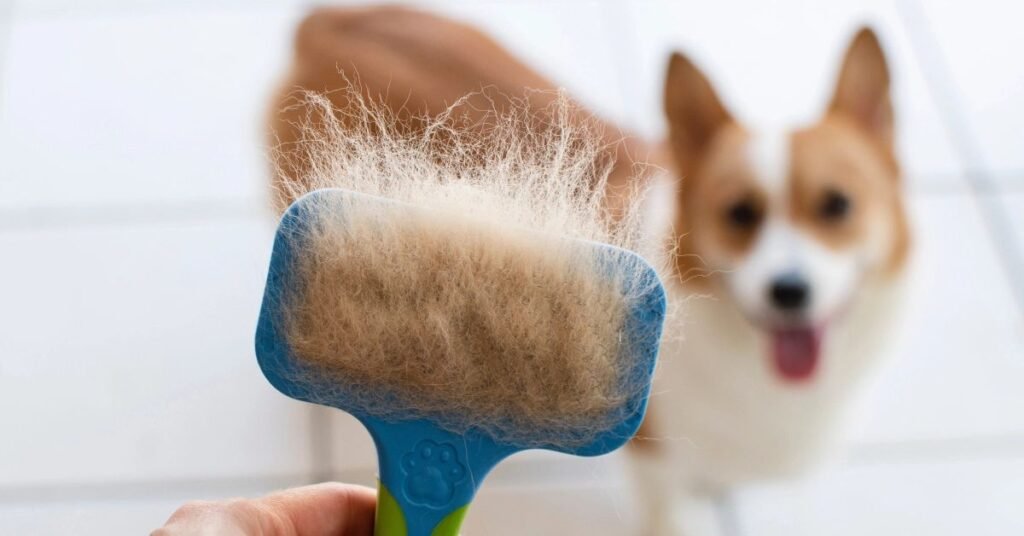
If you’ve ever wondered “why my dog shed so much,” the answer is often tied to seasonal changes. Most dogs shed more during specific times of the year as their bodies adjust to temperature and daylight variations. This process, known as seasonal shedding, helps dogs grow a coat suited for warmer or colder months.
The timing and intensity of shedding depend on your dog’s breed, age, and whether they spend more time indoors or outdoors. Understanding these patterns can help you manage shedding effectively and reduce fur buildup in your home.
Seasonal Shedding Patterns
Dogs typically follow predictable shedding patterns based on the season. Here’s what to expect:
- Spring: Dogs shed their thick winter undercoat to prepare for warmer weather. This is often the heaviest shedding period for double-coated breeds.
- Fall: Dogs may lose their lighter summer coat to make room for a thicker winter coat, which can also result in noticeable fur around the home.
- Indoor Dogs: Artificial lighting and indoor heating can cause some dogs to shed more evenly throughout the year, rather than during specific seasons.
- Breed Differences: Double-coated breeds like Huskies and Malamutes shed heavily twice a year, while single-coated or hypoallergenic breeds shed minimally.
Tips to Manage Seasonal Shedding:
Seasonal shedding can be challenging, especially during spring and fall when dogs naturally lose more hair. Taking a few proactive steps can help manage the loose fur and keep both your dog and your home comfortable.
- Brush your dog at least 2–3 times per week, and daily during peak shedding months
- Use a de-shedding tool for double-coated breeds to remove loose undercoat
- Keep your dog hydrated and provide a balanced diet rich in omega fatty acids for a healthy coat
- Vacuum and clean your home regularly to control excess fur
Do All Dogs Shed?
If you’re asking “why my dog shed so much,” it’s important to know that all dogs shed, but the amount, frequency, and pattern vary greatly. Some dogs leave fur all over your furniture, while others seem almost hairless. These differences are largely determined by breed, coat type, age, and environment.
Even breeds labeled as low-shedding or hypoallergenic still produce some hair and dander. Factors like stress, illness, poor nutrition, and seasonal changes can temporarily increase shedding, even in dogs that normally shed very little.

Shedding Differences Between Dogs
Here’s a closer look at how shedding varies across breeds and types:
- Double-Coated Breeds: Such as Siberian Huskies, Malamutes, and German Shepherds. They have both an undercoat and an outer coat, and shed heavily twice a year. Regular brushing is essential to prevent mats and control fur.
- Single-Coated Breeds: Such as Poodles, Basenjis, and Boxers. These dogs shed minimally but still need regular grooming to maintain coat health.
- Hairless or Hypoallergenic Breeds: Such as Chinese Crested, Maltese, and Bichon Frise. They shed very little, but require skin care and occasional trimming.
- Age Factor: Puppies may shed less initially, while senior dogs can experience thinning fur, patchy shedding, or slower coat growth.
- Health & Stress: Poor diet, hormonal issues, parasites, or stress can trigger excessive shedding, even in low-shedding breeds.
- Environmental Influence: Dogs in climates with extreme temperature changes or living indoors under artificial lighting may shed more consistently throughout the year.
Tips to Manage Shedding by Dog Type:
Different dog breeds shed in different ways, so it’s important to tailor your grooming routine to your dog’s coat type. Following a few key strategies can help manage shedding effectively and keep your dog’s coat healthy.
- Brush double-coated breeds daily during shedding seasons to remove loose undercoat
- Bathe single-coated or hypoallergenic dogs every 4–6 weeks to keep their coat healthy
- Provide a balanced diet with omega-3 and omega-6 fatty acids for a shiny, strong coat
- Keep your home clean with regular vacuuming and fur removal tools
Causes of Excessive Shedding in Dogs
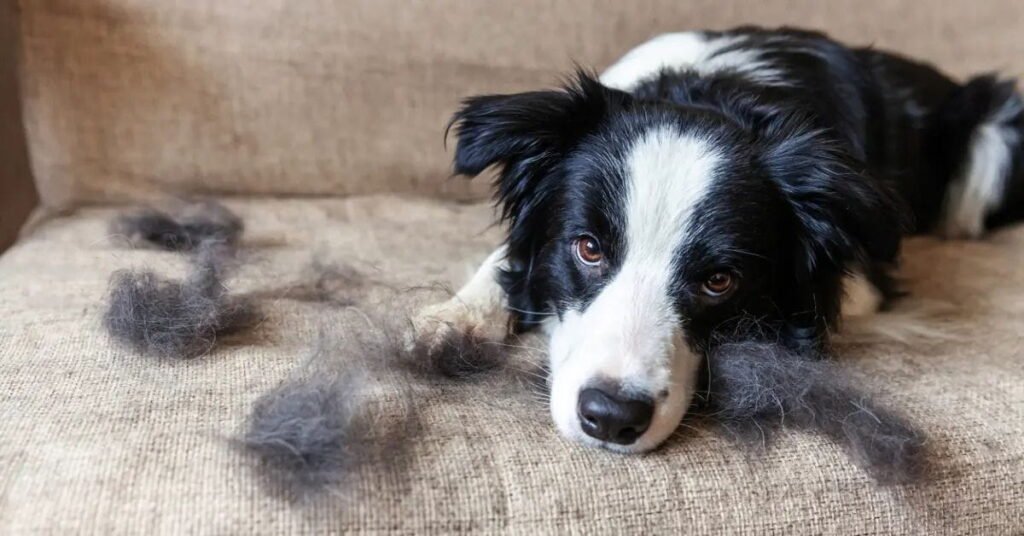
If you’ve been asking yourself “why my dog shed so much,” it may not always be due to normal seasonal changes. Excessive shedding can be triggered by a variety of medical and non-medical factors. Identifying the cause early can help prevent discomfort and detect potential health issues.
While shedding is natural, unusually heavy fur loss, bald spots, or irritated skin may indicate that your dog needs attention. Understanding the underlying causes is key to managing shedding effectively.
Common Reasons Dogs Shed Excessively
Dogs can shed excessively for a variety of reasons, ranging from natural seasonal changes to underlying health issues. Understanding these causes helps you manage shedding effectively and maintain your dog’s coat and skin health.
- Seasonal Coat Changes: Dogs with double coats shed heavily in spring and fall to adjust to temperature changes.
- Poor Nutrition: Lack of essential nutrients, vitamins, or fatty acids can weaken the coat, making hair fall out more easily.
- Parasites: Fleas, ticks, and mites can irritate the skin, causing itching and hair loss.
- Allergies: Environmental (pollen, dust), food, or contact allergies can trigger excessive shedding.
- Hormonal Imbalances: Conditions like hypothyroidism or Cushing’s disease can lead to abnormal hair loss.
- Stress or Anxiety: Changes in routine, new environments, or loud noises can cause temporary shedding.
- Skin Infections: Bacterial or fungal infections can damage hair follicles and increase shedding.
- Medications: Certain drugs may have side effects that include hair loss.
Tips to Reduce Excessive Shedding:
Excessive shedding can sometimes indicate health issues or environmental factors. Taking proactive steps at home can help reduce hair loss and keep your dog comfortable.
- Maintain a high-quality, balanced diet with essential fatty acids
- Brush your dog regularly to remove loose hair and stimulate skin
- Check for parasites and treat promptly if detected
- Schedule regular vet checkups to rule out underlying medical issues
- Minimize stress by keeping routines consistent and providing mental stimulation
When To See a Vet About Your Dog’s Shedding
If you’re wondering “why my dog shed so much,” sometimes the answer isn’t just seasonal fur loss it could indicate an underlying health problem. While some shedding is normal, excessive or sudden hair loss, bald patches, or irritated skin may require veterinary attention. Knowing when to call the vet can help catch health issues early and keep your dog comfortable.
Monitoring your dog’s shedding patterns and overall health is crucial. Changes in behavior, appetite, or coat condition can all provide clues that professional care is needed.
Warning Signs You Shouldn’t Ignore
Excessive shedding can sometimes indicate a health problem or other underlying issues. Monitoring your dog closely helps you know when it’s time to seek professional care.
- Sudden increase in shedding without a seasonal reason
- Bald patches or uneven hair loss
- Red, inflamed, flaky, or itchy skin
- Excessive scratching, licking, or chewing of the coat
- Dull, brittle, or greasy hair
- Signs of illness such as lethargy, vomiting, or loss of appetite
- Shedding accompanied by unusual odors or skin sores
Tips Before Your Vet Visit:
Before visiting the vet, it’s helpful to gather some information about your dog’s shedding. Being prepared can make the appointment more effective and help the veterinarian identify the cause quickly.
- Keep a record of shedding patterns and note when hair loss started
- Take photos of affected areas to show the vet
- Ensure your dog is up-to-date on vaccinations and parasite treatments
- Bring a list of diet changes, supplements, or medications your dog is taking
Dog Breeds That Shed the Most (& Least)

If you’ve asked “why my dog shed so much,” the answer often starts with breed differences. Some breeds naturally shed more due to their coat type, while others are low-shedding or hypoallergenic. Understanding your dog’s breed traits can help you anticipate shedding and manage it more effectively.
Coat type, length, and density all play a role in how much hair your dog loses. Double-coated breeds, for example, have an undercoat and topcoat that shed seasonally, while single-coated or hairless breeds shed very little.
Shedding by Breed
| Shedding Level | Dog Breeds |
| Heaviest Shedders | Siberian Huskies, Alaskan Malamutes, German Shepherds, Golden Retrievers, Labrador Retrievers |
| Moderate Shedders | Beagles, Cocker Spaniels, Bulldogs, Boxers |
| Low or Minimal Shedders | Poodles, Bichon Frise, Maltese, Shih Tzu, Basenji |
Tips for Managing Breed-Specific Shedding:
Different dog breeds shed differently, so tailoring your grooming routine is essential. Following a few key tips can help manage shedding effectively and keep your dog’s coat healthy and comfortable.
- Double-coated dogs benefit from daily brushing during shedding season
- Single-coated or low-shedding dogs need weekly grooming to prevent matting
- Use breed-appropriate brushes or grooming tools to remove loose hair effectively
- Regular baths and a high-quality diet help maintain a healthy coat
How to Control Dog Shedding
Shedding is a natural process for all dogs, but without proper care, loose hair can quickly build up in your home, cause tangles or mats in long coats, and even irritate your dog’s skin. Understanding your dog’s coat type, breed, and natural shedding patterns is the first step toward managing hair loss effectively.
Different breeds shed in different ways: double-coated dogs often “blow” their undercoat during seasonal changes, while short-haired dogs may shed lightly year-round. By combining regular grooming, a balanced diet, and a few simple lifestyle habits, you can reduce shedding, maintain a healthy coat, and keep your dog comfortable.
Effective Ways to Control Shedding
Here are practical strategies to manage shedding at home:
- Regular Brushing: Brushing removes loose hair before it falls around your home. Double-coated breeds need daily brushing, while single-coated dogs can be brushed weekly.
- Bathing: A gentle dog shampoo helps remove dead hair and keeps the coat healthy. Avoid over-bathing, which can dry out skin.
- Healthy Diet: High-quality food with omega-3 and omega-6 fatty acids promotes a strong, shiny coat.
- Hydration: Proper water intake supports healthy skin and reduces excessive shedding.
- Grooming Tools: Use de-shedding tools, slicker brushes, or grooming gloves suitable for your dog’s coat type.
- Home Cleaning: Regular vacuuming and lint rollers help manage hair around the house.
Tips for Daily Maintenance
Maintaining a daily grooming routine ensures your dog stays comfortable, healthy, and happy while minimizing shedding around your home.
- Establish a brushing routine that fits your schedule
- Trim long coats to prevent tangles and matting
- Check for fleas, ticks, or skin irritation during grooming
- Reward your dog with treats to make brushing a positive experience
Can I Prevent My Dog from Shedding?
While you cannot completely stop a dog from shedding, there are several ways to minimize hair loss and keep your dog’s coat healthy. Shedding is a natural process, but proactive care can significantly reduce the amount of loose hair in your home and prevent matting or skin problems.
Prevention starts with a combination of regular grooming, a balanced diet, and maintaining overall health. Understanding your dog’s breed, coat type, and lifestyle factors will help you implement strategies that work best for your pet.

Practical Ways to Reduce Shedding
Here are effective methods to help control shedding before it becomes a problem:
- Consistent Brushing: Regular brushing removes loose hair before it spreads around the house. Adjust frequency based on coat type and shedding season.
- Balanced Nutrition: A diet rich in omega fatty acids, vitamins, and proteins supports healthy skin and reduces hair loss.
- Regular Baths: Proper bathing removes dead hair and keeps the coat clean. Use gentle, dog-safe shampoos.
- Hydration: Adequate water intake helps maintain skin elasticity and coat health.
- Stress Management: Keep your dog’s routine consistent and provide mental stimulation to reduce stress-related shedding.
- Parasite Control: Regular flea and tick prevention keeps skin irritation and hair loss at bay.
Lifestyle Habits for Long-Term Prevention
Adopting consistent lifestyle habits can help prevent excessive shedding and keep your dog’s coat healthy over the long term.
- Groom your dog more frequently during peak shedding months
- Keep your dog’s environment clean to reduce fur accumulation
- Monitor your dog’s coat for changes in texture, shine, or thickness
- Provide regular exercise to promote circulation and healthy skin
When Should I Be Worried About Hair Loss?
While shedding is normal, there are times when hair loss can indicate a health problem. Recognizing the difference between natural shedding and abnormal hair loss is essential for your dog’s well-being. Sudden, patchy, or excessive shedding may point to underlying issues that require veterinary attention.
Pay attention not just to the amount of hair lost, but also to changes in your dog’s skin, coat texture, or behavior. Early detection can prevent further complications and help maintain a healthy, shiny coat.

Signs of Concerning Hair Loss
Watch for these warning signs that may indicate a medical problem:
- Bald patches or uneven hair loss
- Red, inflamed, scaly, or flaky skin
- Constant scratching, licking, or biting of the fur
- Hair that breaks easily or looks brittle and dull
- Sudden or unexplained increase in shedding
- Presence of sores, bumps, or unusual odors on the skin
- Behavioral changes such as lethargy or loss of appetite
Tips for Monitoring Your Dog’s Coat:
Keeping a close eye on your dog’s coat helps you detect problems early and maintain their overall health.
- Regularly check your dog’s skin and coat for any changes
- Take note of when hair loss begins and whether it coincides with diet, environment, or stress changes
- Photograph affected areas to track progress or worsening over time
- Consult a veterinarian promptly if you notice multiple warning signs
Benefits of Managing Shedding
Controlling your dog’s shedding is about more than just keeping your home clean it directly contributes to your dog’s health and comfort. Regular grooming and proper care reduce loose fur, prevent mats and tangles, and help maintain healthy skin. By managing shedding effectively, you can create a cleaner, more comfortable environment for both your dog and your family.
Managing shedding also allows you to detect early signs of skin problems, parasites, or other health issues. Keeping up with grooming routines strengthens the bond between you and your pet, making grooming a positive experience rather than a chore.
Key Benefits of Managing Shedding
Effectively managing your dog’s shedding not only keeps your home clean but also improves your dog’s overall health and comfort.
Cleaner Home:
Managing your dog’s shedding effectively helps reduce the amount of loose hair around your home.This means less fur on furniture, floors, and clothing, keeping your living space cleaner and more comfortable.
Healthier Coat:
Regular brushing not only removes loose hair but also helps distribute your dog’s natural oils throughout the coat.This keeps the fur shiny, strong, and healthy, while also promoting overall skin health.
Skin Health:
Regularly checking your dog’s skin allows you to detect irritation, dryness, or infections early.Catching these issues promptly can prevent them from developing into more serious health problems and keep your dog comfortable.
Bonding Time:
Regular grooming sessions do more than just manage shedding—they provide valuable bonding time with your dog.During brushing and care, you can strengthen trust, deepen your connection, and make your dog feel loved and secure.
Reduced Allergens:
Effectively managing your dog’s shedding helps reduce the amount of dander in your home.This can create a cleaner environment and may be especially beneficial for family members or guests who suffer from allergies.
Comfort:
Regular grooming helps prevent mats and tangles from forming in your dog’s coat.Matted fur can pull on the skin, causing discomfort, irritation, and even potential skin problems if left untreated.
Tips to Maximize Benefits:
Following a consistent grooming routine and paying attention to your dog’s coat can maximize the benefits of shedding management.
- Stick to a regular grooming routine tailored to your dog’s coat type
- Combine brushing, bathing, and dietary care for optimal results
- Observe your dog’s coat for any changes during grooming sessions
- Make grooming enjoyable with treats and positive reinforcement
Environmental & Lifestyle Factors That Affect Shedding
Shedding isn’t just about breed or health your dog’s environment and daily habits play a big role in how much hair they lose. Temperature changes, indoor heating, humidity, stress, and activity levels can all impact shedding patterns. Understanding these factors can help you manage shedding more effectively and keep your dog comfortable year-round.
By paying attention to your dog’s surroundings and lifestyle, you can prevent unnecessary hair loss and improve overall coat health. Small adjustments in care and environment can make a noticeable difference in shedding.
Key Environmental & Lifestyle Influences
A dog’s environment and daily lifestyle play a significant role in how much they shed. Paying attention to these factors can help you manage shedding and keep your dog’s coat healthy year-round.
Climate and Temperature:
Dogs tend to shed more when exposed to extreme temperatures as a way to regulate their body heat.Double-coated breeds are particularly sensitive, as their thick undercoat responds strongly to seasonal and temperature changes, leading to heavier shedding.
Indoor Heating and Lighting:
Constant exposure to artificial light and stable indoor temperatures can interfere with a dog’s natural shedding cycle.When these natural cues are disrupted, it can lead to year-round hair loss instead of the usual seasonal shedding.
Stress and Anxiety:
Changes in your dog’s environment, such as moving to a new home, exposure to loud noises, or alterations in their daily routine, can cause stress.This stress may lead to temporary shedding as their body reacts to the new or unsettling conditions.
Diet and Nutrition:
A poor diet or sudden changes in your dog’s food can negatively impact the health of their coat.Without proper nutrients, their fur may become weak, dull, and more prone to falling out, leading to increased shedding over time.
Activity Levels:
Dogs that are more active and spend a lot of time outdoors may experience increased shedding.The extra activity and exposure can cause more wear on their coat, leading to hair loss over time.
Allergens:
Environmental allergens like pollen, dust, and other particles can irritate your dog’s skin.This irritation may cause itching and discomfort, which can lead to increased hair loss over time.
Tips to Reduce Environment-Related Shedding:
Environmental factors and lifestyle habits can greatly affect how much your dog sheds. By making a few adjustments at home, you can help minimize excessive shedding and keep your dog comfortable.
- Maintain a consistent indoor temperature and avoid extreme heat or cold
- Minimize stress with routines, safe spaces, and mental stimulation
- Keep your home clean from dust and allergens to reduce irritation
- Provide a balanced diet with proper nutrients to strengthen hair and skin
- Adjust grooming frequency during high-shedding seasons or stressful periods
Love, Care, and a Healthy Coat for Your Dog
Shedding is just one part of your dog’s journey to staying healthy and happy. Beyond managing loose hair, giving your dog a balanced diet, regular exercise, gentle grooming, and a calm, loving environment shows them how much you care. By paying close attention, offering consistent care, and seeking veterinary guidance when needed, you’re not just maintaining their coat you’re nurturing their well-being and happiness. A dog that feels loved and cared for will shine with vitality, wag with joy, and fill your home with warmth. Taking care of their health isn’t just about preventing shedding it’s about giving them the long, happy life they deserve.
Disclaimer
This article is for informational purposes only and is not a substitute for professional veterinary advice. If you notice sudden, excessive, or unusual shedding, skin irritation, or any other health concerns in your dog, consult a licensed veterinarian immediately for proper diagnosis and treatment.
