

Introduction
Have you ever noticed your dog panting heavily and wondered, why is my dog panting so much? Seeing your furry friend puffing away can be worrying, especially if it seems more frequent or intense than usual. While panting is totally normal for dogs, excessive or restless panting can sometimes signal that something’s off.
Dogs talk with their bodies, and panting is one of their main ways of saying, “Hey, I’m hot!” or “I’m stressed.” By the end of this guide, you’ll know how to spot normal panting, understand the reasons behind it, and take steps to keep your pup comfy and healthy.
What Healthy Dog Panting Looks Like
Panting is normal for dogs, but it’s important to recognize what healthy panting looks like. Typically, healthy panting occurs after exercise, during excitement, or when the dog needs to cool down. It should be temporary and your dog should settle down within a few minutes.
Healthy panting is steady, rhythmic, and not accompanied by signs of distress. Your dog’s gums should be pink, breathing should not be labored, and there should be no drooling or whining. If panting occurs during rest or seems excessive, it may be a sign of stress, pain, or another health issue.
Knowing the difference between normal and concerning panting helps you respond appropriately and keep your dog safe and comfortable.
Why Do Dogs Pant?
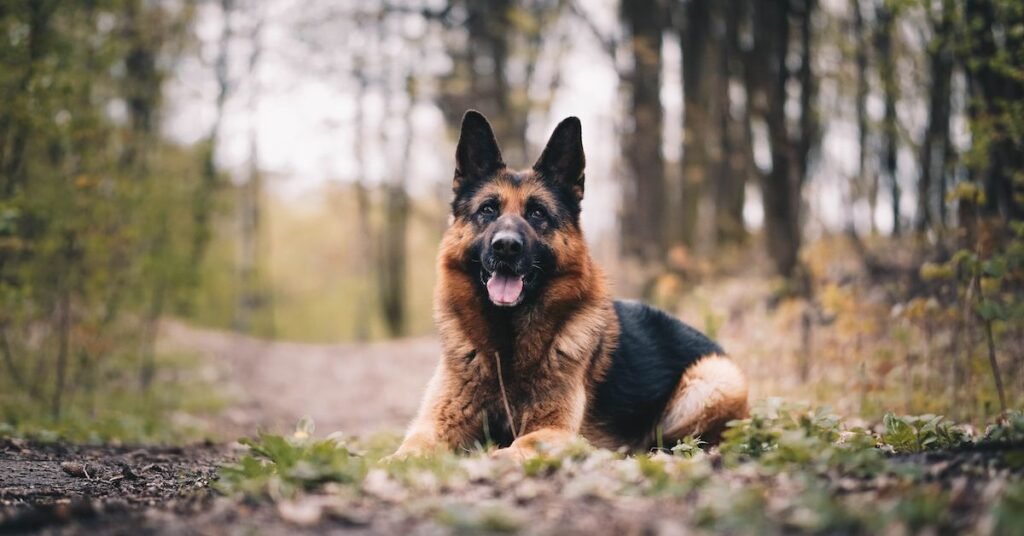
Panting is a natural behavior for dogs, and it isn’t always a bad thing. Since dogs don’t sweat like we do, panting is their main way of cooling down. But there are other reasons, too, and knowing them can help you figure out whether your dog’s panting is normal or a sign of something more serious.
Cooling Down
Think of panting as your dog’s built-in air conditioner. It helps regulate body temperature, especially on hot days. Dogs can’t sweat much, so their tongues and respiratory system do all the work. Humidity, hot floors, or direct sunlight can make them pant more. Signs your dog is overheating include excessive drooling, red gums, and lethargy. Providing a cool spot, water, and shade can help.
Physical Activity
After a fun run or vigorous play, your dog may be panting to catch their breath and cool off. Puppies and older dogs might pant longer because they tire more easily. Watch for prolonged panting after mild activity—it could indicate low stamina, age-related issues, or other health concerns.
Excitement or Happiness
Dogs often pant when they’re excited, like when you come home, it’s playtime, or they’re visiting a new park. This type of panting is usually short-lived and fades as the excitement dies down. Still, frequent panting during play can indicate overexertion, so monitor their energy levels.
Stress or Anxiety
Panting can be a sign of stress. Dogs may pant during thunderstorms, fireworks, vet visits, or when left alone. Look for other anxiety signs: pacing, whining, hiding, or shaking. Solutions include positive reinforcement, calming environments, and, in some cases, vet-approved anxiety aids.
Pain or Discomfort
Dogs may pant when in pain or recovering from injury. Limping, whining, changes in posture, or reluctance to move are important signs to watch. If your dog suddenly starts panting and shows any discomfort, check for injuries, and consult your vet if needed.
Heatstroke
Dangerous overheating leads to heavy panting. Symptoms include excessive drooling, weakness, vomiting, and collapse. Always provide shade, water, and avoid walks in hot conditions. Immediate veterinary care is required if heatstroke is suspected.
Heart Disease
Panting may indicate heart issues, particularly if it happens at rest or suddenly intensifies. Other signs may include coughing, fainting, or reduced activity levels. Regular vet check-ups help detect heart problems early.
Respiratory Issues
Breathing difficulties such as asthma, tracheal collapse, or infections can increase panting. Labored or noisy breathing requires prompt veterinary evaluation to prevent complications.
Obesity
Overweight dogs often pant more because their bodies work harder to regulate temperature and support activity. Healthy diet, portion control, and exercise reduce excessive panting.
Other Causes
Sometimes, panting is triggered by medications, hormonal imbalances, or age-related changes. Observing context, frequency, and accompanying symptoms helps determine whether panting is normal or concerning.

Common Misconceptions About Panting
Not all panting is bad. Quick panting after play or excitement is usually normal. Some owners worry unnecessarily, thinking every panting episode signals illness. On the other hand, panting at night, while resting, or accompanied by restlessness, drooling, or lethargy can indicate a problem.
Another misconception is that only hot weather causes panting. Anxiety, pain, illness, and obesity can all cause heavy breathing even in cool environments.
What to Do if Your Dog is Panting Excessively
Observe the pattern: Is panting after exercise, or is it happening at rest? Are there signs like drooling, coughing, or changes in appetite? Noting these details helps your vet determine the cause.
Ensure your dog is comfortable with water, shade, and a cool environment. Avoid walks during peak heat hours.
Monitor for stress-induced panting. Create a calm environment, maintain a routine, and use positive reinforcement. For medical-related panting, follow your vet’s guidance. Medication, diet adjustments, and exercise modifications may help manage causes.
Practical tips at home include: cooling mats, fresh water, short exercise sessions, and a comfortable environment. Keep a log of episodes, especially if panting occurs at night or seems excessive.
A consistent routine helps regulate panting patterns. Regular exercise, meal times, and rest periods create predictability and reduce stress.
Environmental factors also matter. Fans, air conditioning, and ventilation can prevent unnecessary panting due to heat or humidity.
Preventing Excessive Panting
Preventive care is key. Maintain a healthy weight, monitor activity levels, provide fresh water, and ensure your dog has a cool environment. Mental wellness also matters: reduce stress triggers, provide toys, and maintain consistent routines.
Training can help your dog handle anxiety triggers better, reducing stress-induced panting. Regular vet check-ups allow early detection of heart, respiratory, or other conditions that may cause panting.
When to See a Vet
If your dog’s panting seems unusual or is accompanied by other symptoms, consult a vet. Seek help if your dog:
- Pants heavily without exercise or heat exposure
- Shows distress, drooling, or restlessness
- Has coughing, wheezing, or difficulty breathing
- Faints, vomits, or collapses
- Exhibits sudden changes in behavior or energy levels
Early veterinary evaluation can spot health issues, prevent complications, and maintain your dog’s well-being.
FAQs
Why is my dog panting so much at night? Nighttime panting can come from discomfort, anxiety, or health issues. Persistent panting at night deserves vet attention.
Is excessive panting a sign of stress? Yes. Look for pacing, whining, or restlessness.
Can obesity cause heavy panting? Yes. Extra weight makes it harder to regulate temperature and breathe efficiently.
When should I worry about my dog’s panting? Seek vet care if panting is heavy without reason, lethargy, breathing issues, or other unusual symptoms.
Can certain breeds pant more than others? Yes. Breeds like Bulldogs or Pugs pant more due to shorter airways.
How can I reduce my dog’s panting at home? Provide shade, water, regular exercise with breaks, and calm routines.
Are there supplements or treatments to help panting? Some calming supplements may help. Always check with your vet first.
Does age affect panting? Older dogs may pant more due to reduced stamina, health issues, or slower recovery after exercise.
Can diet influence panting? Yes. Proper nutrition and maintaining a healthy weight can reduce excessive panting.
Conclusion
Panting is a normal part of dog life, but excessive, restless, or unusual panting may indicate a problem. Observing your dog, understanding causes, and providing comfort helps reduce unnecessary panting.
Consult your vet if unsure. With the right care, your dog can stay happy, healthy, and pant only when necessary—after play, excitement, or to cool down.
