
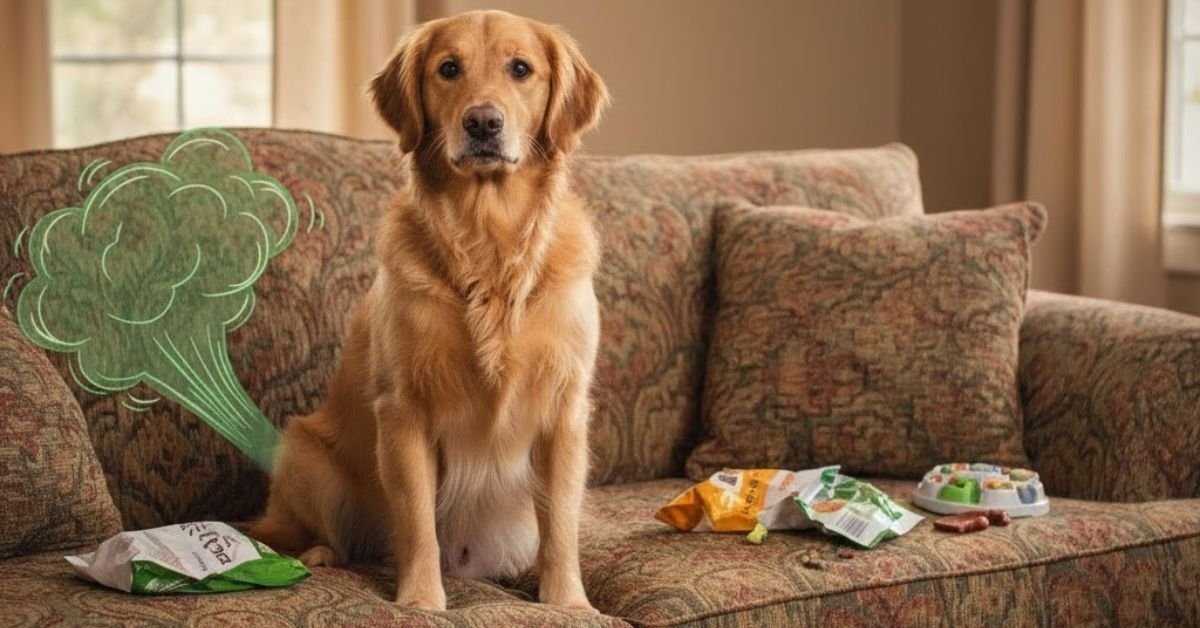
Dog flatulence can be funny for a moment, but when it becomes frequent or extremely smelly, it quickly turns into a concern for pet parents. Many owners search for answers to why my dog fart so much, whether the issue is simple diet-related gas or a sign of something more important happening in the digestive system. Understanding what causes dog farts, when they are normal, and when they signal a health problem will help you keep your dog comfortable, healthy, and less gassy.
This comprehensive guide covers everything you need to know: what flatulence actually is, why it happens, why it sometimes smells terrible, how to stop dog farting, and when it is time to call your veterinarian. You will also learn practical home remedies, prevention tips, and treatment options used by vets.
Why My Dog Fart So Much? Understanding Dog Flatulence

Dog flatulence refers to the buildup and release of gas from the digestive tract. Just like humans, dogs produce gas during normal digestion. In many cases, it is harmless and simply escapes as a fart. However, persistent gas, foul odor, or discomfort can indicate diet problems or gastrointestinal disease.
Flatulence in dogs is very common. Some breeds experience it more than others, and certain diets increase the likelihood of gas production. What matters most is recognizing the difference between normal gas and excessive or painful gas.
What actually happens when dogs pass gas
When a dog eats, food travels through the stomach and intestines, where it is broken down by digestive enzymes and gut bacteria. During this process, gases such as nitrogen, hydrogen, methane, and sulfur compounds are produced. Those gases build up and are eventually expelled through the rectum.
A few key points:
- gas forms naturally during digestion
- swallowing air while eating also contributes
- sulfur compounds are responsible for the bad smell
- most dogs are unaware they are passing gas
In healthy dogs, this process is painless and occasional. When gas becomes frequent, smelly, or associated with discomfort, it becomes important to look at diet and health factors.
Do all dogs fart?
Yes. All dogs, from tiny Chihuahuas to giant Great Danes, pass gas. Flatulence is a normal physiological process. However, some dogs are simply gassier than others because of:
- facial structure (short-nosed breeds swallow more air)
- fast eating habits
- diet composition
- individual gut microbiome differences
Breeds such as Bulldogs, Pugs, Boxers, and Boston Terriers are especially known for frequent farting due to brachycephalic anatomy, which causes them to gulp air as they eat and breathe.
When gas is normal vs. when it is excessive
Not all gas is a problem. Occasional passing of odorless or mildly smelly gas is typically normal. Gas becomes “excessive” when it:
For quick reference:
| Situation | Likely Meaning |
| Occasional, mild odor gas | Normal digestion |
| Frequent, loud, or very smelly gas | Diet issue or swallowed air |
| Gas with diarrhea/vomiting/weight loss | Possible GI disease – see a vet |
| Gas with tight swollen abdomen | Emergency concern |
Why My Dog Fart So Much: Common Causes of Excessive Gas

Dog flatulence is primarily the result of gas produced or swallowed during normal digestion. When owners start to wonder why my dog fart so much, the answer usually lies in diet, eating behavior, or the health of the gastrointestinal tract. Gas is natural, but excessive or foul-smelling flatulence typically points to identifiable causes that can be improved.
Digestive processes that create gas
As food moves through the intestines, bacteria help break down nutrients. During this fermentation process, gases are produced. Most of the time, these gases move slowly through the colon and are released as flatulence. If the gut bacteria are imbalanced or food is poorly digested, gas production increases and odor becomes stronger.
Dogs with sensitive stomachs or rapid intestinal transit will often produce more gas than dogs with stable digestion.
Diet-related causes (low-quality food, high-fat diets, table scraps)
Diet is one of the most common dog excessive gas causes. Foods that are difficult to digest or highly processed tend to ferment more in the intestines. Low-quality kibble, fatty foods, or frequent table scraps can significantly increase gas.
Key dietary triggers include highly fermentable carbohydrates, sudden food changes, and excessive treats. Rich, spicy, or greasy human foods are another frequent reason owners notice why my dog has bad gas after meals.
Swallowing air while eating or drinking
Some dogs do not just produce gas; they also swallow it. Eating too quickly, competition with other pets, and drinking rapidly after exercise cause dogs to gulp air. That trapped air moves through the digestive tract and exits as flatulence.
Brachycephalic (short-nosed) breeds swallow more air because of their anatomy, which makes them prone to louder, more frequent gas.
Breed predispositions and anatomy
Certain breeds are naturally gassier due to the shape of their face or chest and the way they breathe and eat. Bulldogs, Pugs, Boxers, and Boston Terriers are classic examples. Their shortened airways cause increased air intake, which ultimately leads to more flatulence.
Large, deep-chested breeds may also be at higher risk for digestive issues, so persistent gas in these dogs deserves closer attention.
Medical causes such as intolerances, allergies, or GI disease
While many causes are harmless, chronic gas can also be a symptom of underlying disease. Food intolerances, inflammatory bowel disease, infections, pancreatic insufficiency, and parasitic infestations may all contribute. In these cases, gas often appears along with diarrhea, weight loss, or appetite changes.
If flatulence is paired with pain, vomiting, or lethargy, it is more than a simple answer to why dogs fart so much and should be evaluated by a veterinarian.
Why Does My Dog Fart So Much?

When pet owners ask why my dog fart so much, they are usually noticing a clear change in frequency, smell, or intensity. Occasional gas is normal, but repeated or persistent flatulence suggests that something in the dog’s routine, diet, or health status is contributing to excess gas. Understanding the pattern helps determine whether the situation is normal or if it calls for changes or veterinary attention.
Excessive flatulence vs. occasional gas
| Aspect | Occasional Gas (Normal) | Excessive Flatulence (Problematic) |
| Frequency | Happens once in a while | Happens repeatedly throughout the day |
| Odor | Mild or brief | Strong, persistent, room-clearing odor |
| Discomfort | Dog appears normal and relaxed | Signs of discomfort, restlessness, or straining |
| Belly sounds | Minimal | Loud gurgling or rumbling may be present |
| Abdominal appearance | Normal, soft abdomen | Visible bloating or distention can occur |
| Digestion | Normal stool and appetite | May be accompanied by diarrhea, vomiting, or appetite changes |
| Likely cause | Normal digestion and swallowing small amounts of air | Diet intolerance, poor-quality food, rapid eating, swallowed air, or gastrointestinal disease |
| What to do | Usually no action needed | Identify dog excessive gas causes and consider dietary changes or veterinary advice |
When frequent farting indicates an underlying problem
Frequent flatulence can indicate that something is not being properly digested or tolerated. Food intolerance, sensitivity to certain ingredients, poor gut flora balance, or malabsorption disorders can all increase gas production. Medical issues such as inflammatory bowel disease, pancreatitis, or intestinal parasites may also present with ongoing gas.
Warning signs that suggest an underlying problem include lack of appetite, vomiting, persistent diarrhea, weight loss, or noticeable discomfort when the abdomen is touched. When these symptoms accompany gas, the question is no longer only why do dogs fart so much, but whether professional evaluation is necessary.
Risk factors that increase frequency
Several lifestyle and biological factors make some dogs more likely to experience frequent gas. Dogs that eat too quickly swallow more air, leading to increased gas. Diets high in fat or low-quality fillers raise fermentation in the intestines. Aging dogs may digest food less efficiently, increasing odor and gas volume. Certain breeds, particularly short-nosed dogs, are naturally more prone to flatulence due to the way they breathe and eat.
Lack of physical activity can slow digestion, making gas accumulation more likely. Stress, abrupt food changes, and overfeeding are additional contributors. Identifying these risk factors often leads directly to practical steps on how to reduce gas in dogs in later sections of this article.
Why Do My Dog’s Farts Smell So Bad and So Strong?

Strong-smelling flatulence is one of the most noticeable concerns for dog owners. While all dogs pass gas, some farts have a particularly unpleasant odor. Understanding why my dog fart so much sometimes translates into figuring out why do my dog’s farts smell so bad. The smell is primarily influenced by gut bacteria, diet, and digestion efficiency.
Sulfur-producing bacteria and gut microbiome
The odor in dog farts largely comes from sulfur-containing compounds produced by bacteria in the intestines. A healthy gut has a balanced microbiome, but if the gut flora is disrupted, sulfur-producing bacteria may dominate. This leads to more pungent flatulence.
Factors that affect gut microbiome include:
- Antibiotic use
- Poor diet quality
- Stress
- Sudden food changes
Maintaining a balanced gut flora with probiotics and proper nutrition can reduce the intensity of smelly gas.
Impact of specific foods on odor
Certain foods are more likely to create smelly farts. Foods that are high in sulfur, such as eggs or some meats, combined with hard-to-digest carbohydrates, produce stronger gas. Low-quality kibble, table scraps, and dairy products may also increase odor.
Switching to a high-quality diet, gradually introducing new foods, and monitoring which items trigger the smell can significantly reduce offensive gas.
Signs Your Dog’s Gas Is Not Normal
While occasional flatulence is normal, certain signs indicate that your dog’s gas may be a symptom of an underlying health problem. Recognizing these warning signs early can help prevent more serious issues and guide you to appropriate veterinary care. Understanding these symptoms is crucial if you are concerned about why my dog fart so much and whether it signals more than simple digestive gas.
Abdominal pain or bloating
Excessive gas accompanied by a swollen, hard, or painful abdomen can indicate that your dog is experiencing digestive distress. Dogs may:
- Whine or yelp when their belly is touched
- Assume unusual positions to relieve discomfort
- Show restlessness or pacing
Persistent bloating can be a sign of gastrointestinal disease or, in severe cases, bloat (gastric dilatation-volvulus), which is a medical emergency.
Loss of appetite or lethargy
Gas alone is usually harmless, but if it comes with a reduced interest in food or decreased energy levels, it may indicate that the digestive system or another organ is not functioning properly. Lethargy and poor appetite are warning signs that should not be ignored.
Diarrhea, vomiting, or weight loss
Chronic digestive disturbances such as diarrhea, vomiting, or unexplained weight loss often accompany problematic flatulence. These symptoms can signal food intolerances, infections, parasites, or inflammatory bowel disease. If your dog experiences these along with excessive gas, it’s time to seek professional evaluation.
When to seek veterinary care
Consult a veterinarian if your dog exhibits any of the following alongside frequent or smelly gas:
- Persistent vomiting or diarrhea
- Abdominal pain or bloating
- Unexplained weight loss
- Loss of appetite or lethargy
- Very foul-smelling flatulence that continues despite dietary adjustments
Early intervention can prevent minor digestive issues from turning into serious health problems. Monitoring your dog’s behavior, stool, and overall health is the best way to determine whether flatulence is harmless or a sign of a more significant issue.
How Vets Diagnose Problem Flatulence in Dogs

When flatulence in dogs becomes chronic, smelly, or accompanied by other symptoms, veterinarians use a systematic approach to identify the underlying cause. Understanding why my dog fart so much sometimes requires professional evaluation because subtle issues in digestion, food tolerance, or overall health may not be obvious at home.
Physical exam and medical history
The first step a vet takes is a thorough physical examination. The vet will:
- Assess the dog’s abdomen for swelling, tenderness, or bloating
- Check overall body condition and weight
- Listen to gut sounds
- Ask detailed questions about diet, frequency of farting, and any recent changes
Medical history, including previous illnesses, medications, and lifestyle factors, helps the vet determine whether flatulence is a temporary dietary issue or a sign of chronic digestive problems.
Diet elimination trials
Food intolerances or sensitivities are common causes of excessive gas. To identify problematic ingredients, vets may recommend a diet elimination trial. This involves feeding a limited-ingredient or hypoallergenic diet for several weeks to see if symptoms improve. Gradual reintroduction of foods can pinpoint which items trigger gas or digestive upset.
Stool testing and laboratory diagnostics
Lab tests help rule out infections, parasites, or metabolic conditions that can cause excessive flatulence. Common tests include:
- Fecal analysis for parasites or bacterial overgrowth
- Blood tests to evaluate liver, pancreas, and other organs
- Enzyme tests to detect digestive inefficiencies
These diagnostics provide concrete evidence to guide treatment and dietary adjustments.
Imaging if bloat or obstruction is suspected
If a dog presents with severe bloating, abdominal pain, or acute distress, imaging techniques such as X-rays or ultrasound may be used. These tests identify obstructions, tumors, or life-threatening conditions like gastric dilatation-volvulus (bloat). Prompt imaging can save lives in emergency situations.
Veterinary Treatment Options for Chronic Dog Flatulence
When excessive flatulence in dogs becomes persistent or linked to underlying health issues, veterinarians have several effective treatment strategies. Addressing the root cause is essential to reduce gas, improve digestion, and enhance your dog’s overall well-being. Understanding why my dog fart so much helps guide the most appropriate interventions.
Prescription diets
Specialized veterinary diets are formulated to improve digestibility and reduce gas production. These diets often contain:
- Highly digestible proteins
- Low-fermentable carbohydrates
- Added fiber to support healthy gut movement
- Limited ingredients to reduce food sensitivities
Prescription diets are particularly effective for dogs with chronic digestive issues or food intolerances, providing relief from both excessive farting and odor.
Probiotics and digestive supplements
Probiotics help restore a healthy balance of gut bacteria, reducing the production of sulfur-containing gases. Digestive enzyme supplements may also support better nutrient absorption, minimizing fermentation in the intestines. Regular use under veterinary guidance can lead to noticeable improvements in gas frequency and smell.
Medication for gastrointestinal conditions
In some cases, medication is necessary to treat underlying gastrointestinal disorders such as:
- Inflammatory bowel disease
- Pancreatic insufficiency
- Bacterial overgrowth or infections
These medications can reduce inflammation, improve digestion, and address bacterial imbalances that contribute to excessive flatulence.
By combining dietary management, supplements, and targeted medications, veterinarians can effectively reduce excessive gas in dogs, improve comfort, and prevent recurrence. Close monitoring and follow-up visits ensure that treatment remains effective over time.
Home Remedies and At-Home Management for Dog Gas

Managing dog flatulence at home can be highly effective, especially when the cause is related to diet, eating habits, or mild digestive sensitivity. Combining simple lifestyle changes with careful observation helps reduce gas and improves your dog’s overall comfort.
Safe dietary adjustments
Switching to a high-quality, easily digestible diet can significantly lower gas production. Gradually introducing new foods prevents sudden digestive upset. Avoiding table scraps, fatty treats, and human foods that are hard to digest also helps maintain a balanced gut.
Slowing down fast eaters
Dogs that eat too quickly often swallow large amounts of air, which contributes to excessive gas. Using slow-feeder bowls, portion-controlled meals, or spreading food out on a flat surface can encourage slower eating and reduce the amount of swallowed air.
Exercise and activity benefits
Regular physical activity stimulates digestion and helps move gas through the intestines more efficiently. Short walks after meals or play sessions can prevent gas from accumulating and reduce discomfort for your dog.
Over-the-counter options approved by vets
Some over-the-counter supplements, such as probiotics or digestive enzymes, can improve gut health and reduce gas. It is essential to use products recommended by a veterinarian to ensure they are safe and effective for your dog’s specific needs.
What Can I Give My Dog for Gas Relief at Home?

Finding safe and effective ways to relieve your dog’s gas can make a big difference in comfort and household harmony. Understanding why my dog fart so much helps identify the best approach for managing gas and reducing odor.
When supplements may help
Certain supplements, such as probiotics and digestive enzymes, can support gut health and improve digestion. Probiotics help balance beneficial bacteria in the intestines, which can reduce the production of foul-smelling gases. Digestive enzymes aid in breaking down food more efficiently, preventing excessive fermentation that leads to gas.
What to avoid without veterinary guidance
Not all remedies are safe for dogs. Human medications or supplements, over-the-counter gas relievers intended for people, and sudden dietary changes can be harmful. Always consult a veterinarian before introducing any new product to ensure it is safe for your dog’s specific condition.
Natural vs. pharmaceutical options
Natural options include adjusting diet, feeding smaller meals, incorporating fiber-rich foods, and providing probiotics. Pharmaceutical options, often prescribed by a vet, may include digestive enzymes or medications to manage inflammation or specific gastrointestinal conditions. Combining dietary management with approved supplements usually provides the most effective relief.
How to Prevent Excessive Dog Gas: Why My Dog Farts So Much

Preventing excessive flatulence in dogs focuses on diet, feeding habits, and overall digestive health. By making thoughtful choices and establishing consistent routines, you can reduce the frequency and severity of gas while keeping your dog comfortable.
Feeding strategies and portions
Overfeeding can overwhelm the digestive system, leading to gas production. Providing multiple small meals throughout the day instead of one or two large meals helps the digestive system process food more efficiently and minimizes gas accumulation.
Choosing better-quality food
High-quality, easily digestible dog food reduces the likelihood of fermentation in the intestines. Look for formulas with well-balanced proteins, moderate fiber, and limited fillers. Avoid low-quality kibble or table scraps that can disrupt digestion and increase gas.
Avoiding high-risk human foods
Certain human foods are difficult for dogs to digest and can cause excessive gas. Foods high in fat, dairy products, beans, and certain vegetables may trigger fermentation in the intestines. Keeping your dog on a consistent, dog-safe diet helps maintain a healthy gut and reduces odor.
Long-term gut health habits
Maintaining gut health is essential for long-term prevention of flatulence. Regular exercise, stress management, and gradual diet changes support a balanced digestive system Why My Dog Fart So Much. Probiotics and prebiotics may also help maintain a healthy gut microbiome, which reduces the likelihood of excessive gas over time.
When Flatulence Is an Emergency

While most dog flatulence is harmless, certain situations indicate a serious medical problem that requires immediate attention. Recognizing these emergencies can prevent life-threatening complications.
why-my-dog-fart-so-much Bloat and gastric dilatation-volvulus warning signs
Best Family Dog Bloat, also known as gastric dilatation-volvulus (GDV), occurs when a dog’s stomach fills with gas and twists. This condition is life-threatening and often presents with severe abdominal distention, restlessness, and signs of pain Why My Dog Fart So Much. Dogs may retch unsuccessfully or show rapid breathing and a weak pulse.
Severe abdominal enlargement
A visibly swollen or tight abdomen is an urgent warning. This can signal trapped gas, obstruction, or bloat. Immediate veterinary evaluation is critical to prevent shock or rupture.
Immediate actions to take
If you suspect your dog is experiencing bloat or another severe abdominal issue:
- Do not attempt to relieve the gas at home
- Keep your dog calm and minimize movement
- Contact your veterinarian or an emergency animal hospital immediately
- Note any symptoms, including vomiting, restlessness, or rapid breathing, to provide accurate information to the vet
Conclusion
Dog flatulence is a natural process, but when it becomes excessive or smelly, Why My Dog Fart So Much it can indicate diet issues, digestive sensitivities, or underlying medical conditions. By understanding the causes, identifying warning signs, and implementing preventive measures, pet owners can manage their dog’s gas effectively. Combining proper diet, feeding strategies, exercise, home remedies, and veterinary guidance ensures your dog stays comfortable, healthy, and happy. Timely intervention for severe symptoms can prevent emergencies like bloat and safeguard your dog’s overall well-being.
FAQs
1. Why does my dog fart so much?
Excessive farting can be caused by diet, swallowing air while eating, food intolerances, digestive enzyme deficiencies, or certain medical conditions. Breeds like Bulldogs, Pugs, and Boxers are also naturally more prone to flatulence.
2. Are smelly dog farts a sign of illness?
Occasional smelly gas is normal, but persistently foul-smelling farts, especially when accompanied by diarrhea, vomiting, lethargy, or bloating, can indicate digestive issues or food intolerances.
3. How can I reduce my dog’s gas at home?
Feed high-quality, easily digestible food, offer smaller meals, use slow-feeder bowls, encourage exercise, and consider vet-approved probiotics or digestive enzymes.
4. When should I see a vet for my dog’s gas?
Seek veterinary care if gas is chronic, extremely smelly, or paired with symptoms like vomiting, diarrhea, loss of appetite, abdominal pain, bloating, or unexplained weight loss.
5. Can human foods cause dog flatulence?
Yes, foods high in fat, beans, dairy, and certain vegetables can increase gas in dogs. Avoid table scraps and stick to dog-safe diets.
6. Are there treatments for chronic dog flatulence?
Yes, vets can prescribe specialized diets, probiotics, digestive enzymes, or medications to address underlying gastrointestinal conditions and reduce excessive gas.
7. Is it normal for all dog breeds to fart?
Yes, all dogs fart, but some breeds, especially brachycephalic or deep-chested breeds, are more prone to frequent or smelly flatulence.
