
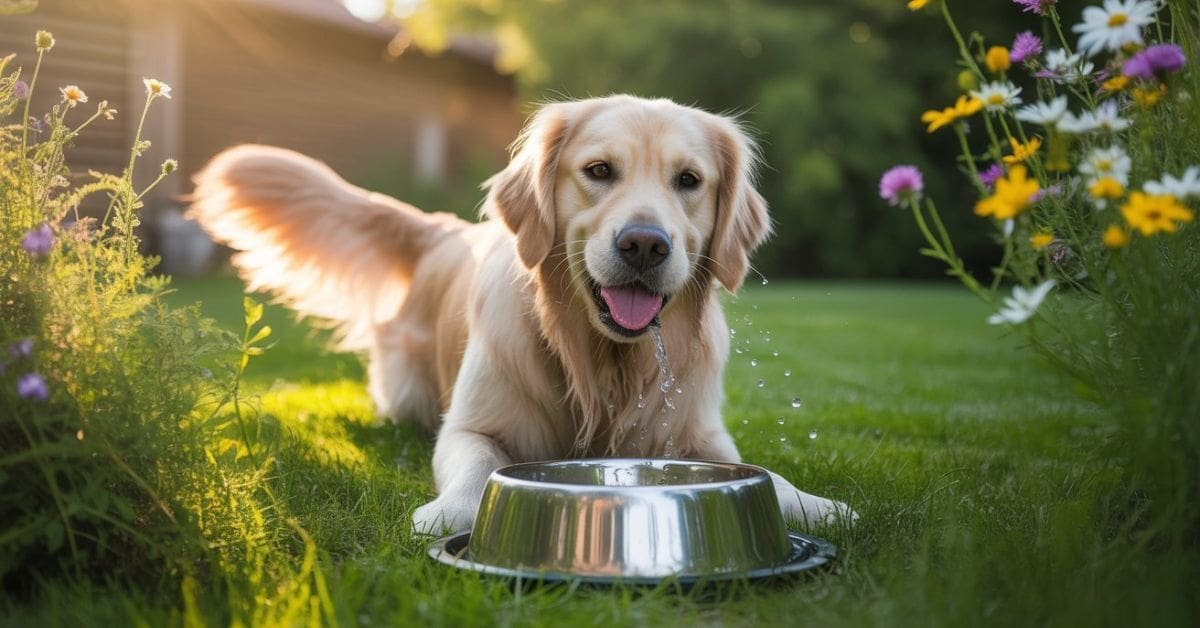
Dogs give us unconditional love, loyalty, and companionship every single day. Yet, their well-being often depends on the little things we notice or don’t. If you’re asking, “Why is my dog drinking so much water?”,“It offers clues about their overall health and happiness.” Paying attention to their thirst isn’t just about hydration it’s about protecting a life that trusts you completely, every wag, every cuddle, every playful moment. By observing and caring for their water intake, you’re showing love in the most meaningful way: ensuring they stay healthy, energetic, and cherished for years to come.
How Much Water Should a Dog Drink Daily?
A dog’s daily water intake is essential for overall health, supporting digestion, circulation, temperature regulation, and joint function. If you’re wondering, “Why is my dog drinking so much water?“On average, dogs require roughly 1 ounce of water per pound of body weight each day, though this can vary.Puppies, active dogs, and nursing mothers require more, while seniors or less active dogs may drink less. Tracking your dog’s normal intake helps spot unusual changes early, which can indicate health issues.
Proper hydration also prevents medical problems such as kidney strain, urinary issues, and fatigue. Excessive drinking may signal conditions like diabetes or kidney disease, so monitoring habits is key. Maintaining a consistent water routine ensures your dog stays healthy, energetic, and alert.
Why Daily Water Intake Matters for Your Dog’s Health
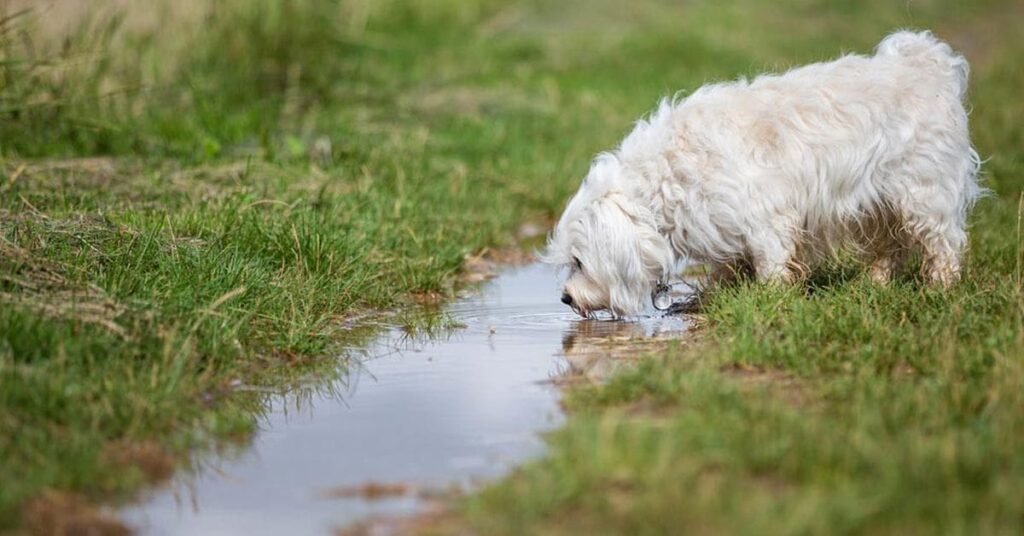
Water supports nearly every bodily function, from digestion to organ health. It keeps joints cushioned, helps regulate temperature, and prevents fatigue. Even minor changes in drinking can indicate health problems. Monitoring intake daily helps avoid dehydration, urinary issues, and energy drops, keeping your dog healthy and active.
Factors That Can Change Your Dog’s Water Needs
A dog’s water needs vary with size, activity, diet, and environment. Hot weather, exercise, dry food, stress, or medications like steroids can increase thirst. Health issues such as diabetes, kidney disease, or Cushing’s disease also raise water consumption. Understanding these factors helps distinguish normal behavior from potential problems.
How to Tell If Your Dog Isn’t Drinking Enough Water
Dehydration signs include dry gums, sticky saliva, sunken eyes, and slow skin recovery when pinched. You may also notice less urination, darker urine, or low energy. Puppies and seniors are most at risk. Monitoring water intake ensures early intervention to prevent serious health issues.
Recommended Daily Water Intake by Dog Size (Table)
| Dog Weight | Approx. Daily Water Intake |
| 5–10 lbs | 5–10 oz |
| 11–20 lbs | 11–20 oz |
| 21–50 lbs | 21–50 oz |
| 51–75 lbs | 51–75 oz |
| 76–100 lbs | 76–100 oz |
| 100+ lbs | 100+ oz |
How to Track Your Dog’s Daily Water Intake
Tracking your dog’s water intake helps you understand what’s normal for them and catch unusual changes early.If you’re wondering, ‘Why is my dog drinking so much water?’ remember that water intake can change with their activity, diet, and the weather, so it’s important to know what’s normal for your dog.Simple tools like marked water bowls, measuring cups, or smart water dispensers make tracking easy and accurate. Consistently recording intake ensures you can spot trends or sudden increases that may indicate health issues. This practice not only maintains proper hydration but also helps identify potential medical concerns before they become serious.
Observation is just as important as measurement. Pay attention to when your dog drinks most, such as after meals, exercise, or during hot weather. Noting changes in frequency, volume, or timing of drinking gives insights into behavior and health. Tracking intake is especially important for puppies, senior dogs, and pets with medical conditions. With accurate monitoring, you can adjust diet, exercise, or water availability, ensuring your dog stays healthy and hydrated.
Tools to Measure Your Dog’s Water Intake
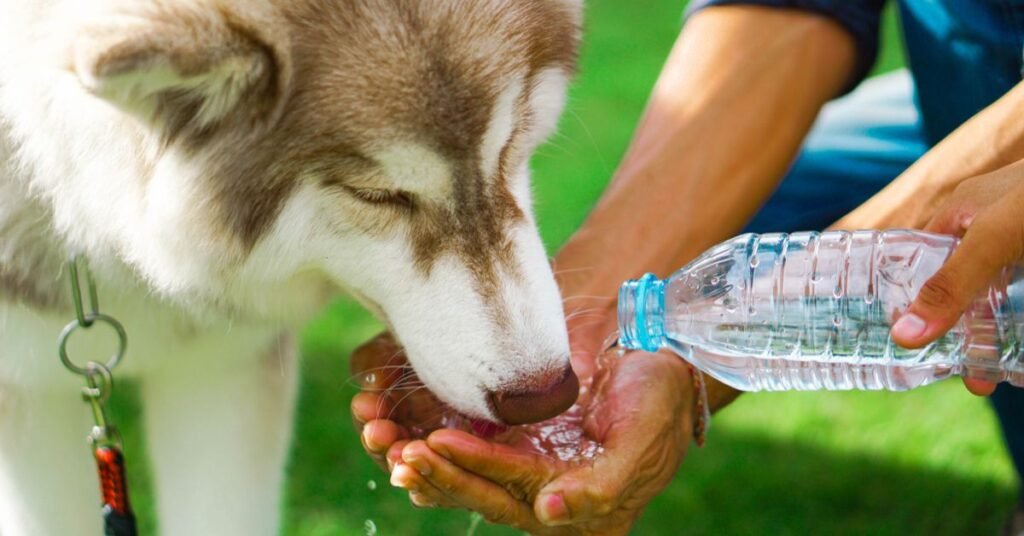
Accurate tracking is easier with the right tools:
- Marked water bowls – measure water directly in the bowl.
- Measuring cups or jugs – pour exact amounts to monitor consumption.
- Smart water dispensers – track intake automatically and alert you to changes.
- Daily log or app – record the amount and timing of each drinking session.
These tools make it simple to maintain accurate records and spot unusual changes quickly.
Signs You’re Tracking Effectively
Effective tracking lets you notice patterns in your dog’s drinking habits. You’ll see if they drink mostly after meals, exercise, or at certain times of day. Daily records allow you to compare current intake with past behavior to detect small but meaningful changes. Observing trends helps identify early signs of health issues like kidney disease or diabetes. Consistent tracking also makes it easier to share accurate information with your veterinarian. Proper tracking ensures timely intervention when needed.
Adjusting Water Intake Based on Observation
Tracking is useful only if you act on it. If your dog drinks more or less than normal, adjust access to water or consult a vet. During hot weather or after activity, provide extra water to prevent dehydration. Dogs on dry food may need more water than those eating wet or fresh meals. Puppies, senior dogs, and pets with medical conditions require closer monitoring to maintain proper hydration. By observing both quantity and timing, you can make informed adjustments for your dog’s health and comfort.
Signs Your Dog Is Drinking More Water Than Usual
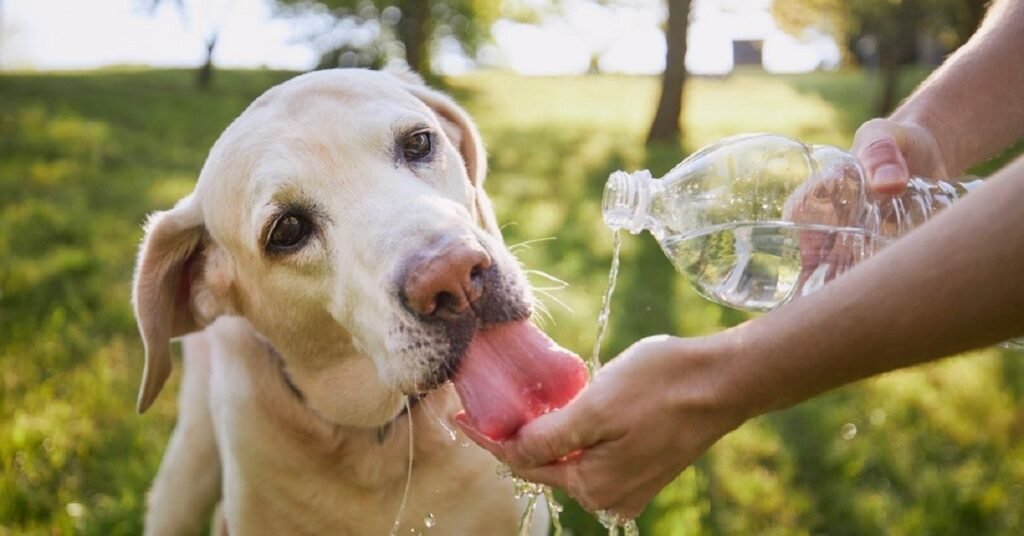
Noticing when your dog drinks more than usual is an important early step in detecting potential health or behavioral issues. While variations in water intake can be normal due to activity, diet, or weather, a sudden increase can signal a problem. Monitoring drinking habits allows you to establish a baseline and quickly spot changes. Increased thirst may lead to more frequent urination, restlessness, or discomfort. Recognizing these early signs allows for timely intervention, which can prevent serious complications and maintain your dog’s comfort and health.
Tracking changes in drinking patterns also provides insight into your dog’s overall wellbeing. Drinking excessively may be accompanied by other symptoms, such as vomiting, lethargy, or appetite changes. Paying attention to timing whether it happens at night, after meals, or post-exercise can help distinguish normal behavior from medical concerns. Keeping a daily log or using a smart water dispenser can make these patterns easier to track. Early detection often leads to simpler, more effective treatment and better long-term outcomes for your dog.
Common Behavioral Signs of Increased Drinking
Excessive drinking can sometimes be caused by non-medical factors, and recognizing these behaviors is key:
- High activity levels – water consumption increases after exercise or play.
- Hot or humid weather – dogs pant and drink more to stay cool.
- Stress or anxiety – new routines, loud noises, or separation can trigger thirst.
- Diet changes – switching from wet food to dry food can lead to increased drinking.
Understanding behavioral causes helps distinguish normal variations from health-related problems.
Physical Signs to Watch For
Excessive water intake can be accompanied by physical symptoms that indicate possible health issues:
- Frequent urination or accidents indoors
- Vomiting or digestive upset
- Lethargy, weakness, or low energy
- Unexplained weight changes
Observing these physical signs along with drinking patterns can help detect illnesses early and guide timely veterinary care.
Monitoring Patterns for Early Detection
Tracking your dog’s drinking patterns over time provides valuable insights into their health. Note when drinking occurs after meals, during play, or at night and compare it to previous patterns. Patterns can reveal whether increased drinking is seasonal, activity-related, or potentially linked to a medical condition. Using a daily log or smart dispenser makes monitoring easier. Consistent observation allows early intervention, which can prevent serious health complications and improve your dog’s quality of life.
Why Is My Dog Drinking So Much Water? (Main Causes)
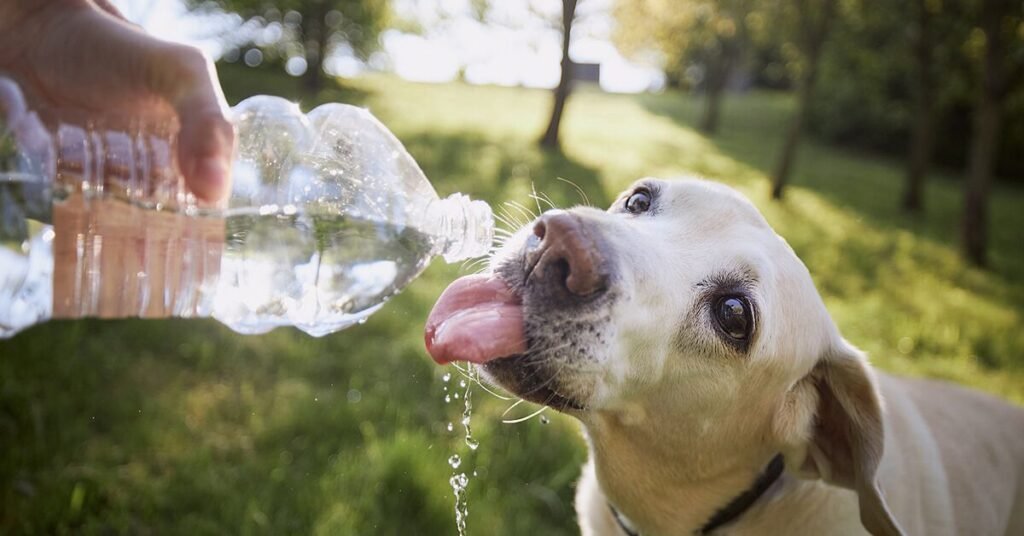
Excessive water consumption in dogs, also known as polydipsia, can result from various medical or behavioral reasons. While some fluctuations are normal due to exercise, diet, or weather, consistent over-drinking often signals an underlying issue. Understanding the main causes helps dog owners distinguish between normal behavior and potential health concerns. Tracking drinking patterns, alongside other symptoms like urination frequency or appetite changes, can reveal whether your dog requires medical attention. Early identification ensures timely treatment and prevents complications.
Some causes of excessive drinking are behavioral or lifestyle-related, while others are linked to serious medical conditions. Behavioral factors may include high activity, hot weather, or diet changes, whereas medical issues could involve endocrine, kidney, or liver disorders. Observing your dog closely and noting any concurrent symptoms such as vomiting, lethargy, or unusual urination will provide valuable information for diagnosis. Being proactive in monitoring and responding to these changes ensures your dog’s long-term health and comfort.
Medical Causes of Excessive Thirst
Several health conditions can trigger unusually high water intake in dogs:
- Diabetes mellitus – causes increased thirst and urination due to high blood sugar levels.
- Kidney disease – reduced kidney function leads to fluid imbalance and more drinking.
- Cushing’s disease – hormonal imbalances increase thirst and urination.
- Liver disease – affects the body’s ability to process fluids properly.
- Urinary tract infections – irritation can trigger increased drinking.
- Fever or infection – fluid loss from illness increases thirst.
Recognizing these conditions early is crucial because timely veterinary care can prevent serious complications.
Behavioral and Lifestyle Causes
Not all excessive drinking is caused by illness; some dogs naturally drink more due to lifestyle factors:
- High activity levels – exercise or play increases fluid requirements.
- Dietary changes – dry kibble or salty foods boost thirst.
- Hot or humid climates – panting leads to higher water intake.
- Stress or anxiety – new routines, loud noises, or separation can trigger drinking.
Understanding these factors helps you determine whether increased water intake is normal or requires a veterinarian’s evaluation.
When to Be Concerned
While occasional variations in drinking are normal, consistent or extreme increases can indicate serious health issues. Look for patterns such as:
- Drinking significantly more than usual over several days
- Excessive urination alongside drinking
- Changes in appetite, energy, or behavior
- Vomiting or digestive problems
If you notice these signs, schedule a veterinary evaluation promptly to identify and address any underlying medical problems.
When to Go to the Vet for Excessive Thirst in Dogs
Knowing when to seek veterinary care for excessive drinking is essential for your dog’s health. While occasional increases in water intake can be normal due to heat, exercise, or diet, consistent or sudden spikes often indicate underlying health problems. Ignoring these signs can lead to serious complications, especially if caused by conditions like kidney disease, diabetes, or hormonal disorders. Being proactive ensures early diagnosis, better treatment outcomes, and prevents your dog from suffering unnecessarily.
Observing your dog closely and noting changes in drinking habits, urination, appetite, or energy can guide your decision to visit the vet. Puppies, senior dogs, and pets with chronic medical conditions require extra attention because they are more vulnerable to dehydration or illness. Maintaining a record of water intake and related symptoms helps the veterinarian identify the cause faster, making diagnosis and treatment more effective.
Signs You Should See a Vet Immediately
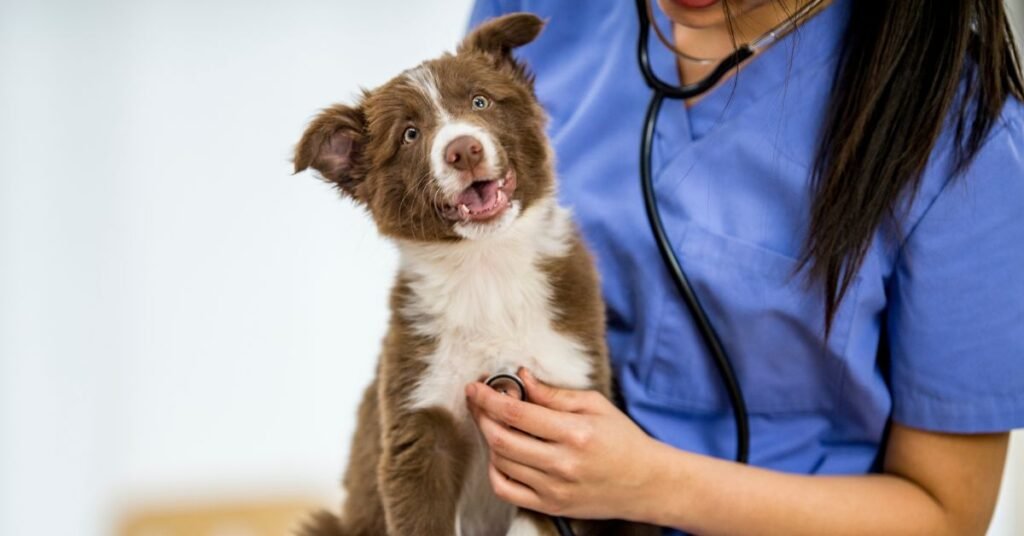
Seek veterinary care if your dog drinks much more water than usual for several days. Watch for frequent urination, accidents, vomiting, diarrhea, or sudden weight changes. Lethargy or unusual behavior can also indicate a serious issue. Puppies, seniors, and dogs with medical conditions are most vulnerable. Early action prevents complications.
Preparing for the Veterinary Visit
Bring a record of your dog’s daily water intake, urination frequency, and any accidents. Note recent changes in diet, exercise, or environment. Include medications, supplements, and health history. Also observe appetite, energy, and behavior. This helps the vet identify causes and recommend tests or treatment quickly.
Questions to Ask Your Veterinarian
Ask what could be causing excessive thirst and if tests like bloodwork or urinalysis are needed. Clarify whether diet or medications affect drinking. Learn about treatment options, expected outcomes, and home monitoring tips. Understanding these ensures proper care and management.
How Veterinarians Diagnose Excessive Thirst in Dogs
When a dog drinks excessively, veterinarians follow a systematic approach to determine the cause. They start with a detailed history, asking about water intake, urination, diet, exercise, and any behavioral changes. Physical examinations help identify obvious signs of illness, dehydration, or organ dysfunction. Tracking patterns and correlating them with other symptoms provides clues about whether the issue is medical or behavioral. Early diagnosis ensures timely treatment and prevents serious complications.
Veterinarians often use diagnostic tests to confirm suspicions. Blood tests, urinalysis, and sometimes imaging like ultrasounds or X-rays are used to evaluate kidney, liver, and endocrine function. These tests help differentiate between common conditions such as diabetes, kidney disease, or Cushing’s disease. Combined with careful observation and history, this approach allows the vet to pinpoint the underlying problem and recommend effective treatment strategies.
Initial Examination and History
The first step in diagnosis is a thorough review of your dog’s history and daily habits. The vet asks about water intake, urination patterns, diet, exercise, and behavioral changes. A physical exam evaluates hydration, body condition, and signs of illness. Observing your dog’s overall behavior and energy levels helps detect subtle abnormalities. This step provides a baseline for further testing.
Diagnostic Tests Used by Veterinarians
Common tests help identify medical causes of excessive thirst:
- Blood tests – check kidney, liver, and endocrine function.
- Urinalysis – measures concentration, detects infection or diabetes.
- Imaging – X-rays or ultrasounds to evaluate organs and detect abnormalities.
- Special hormone tests – if Cushing’s or other endocrine disorders are suspected.
These tests allow the vet to pinpoint the underlying cause accurately.
Interpreting Results and Next Steps
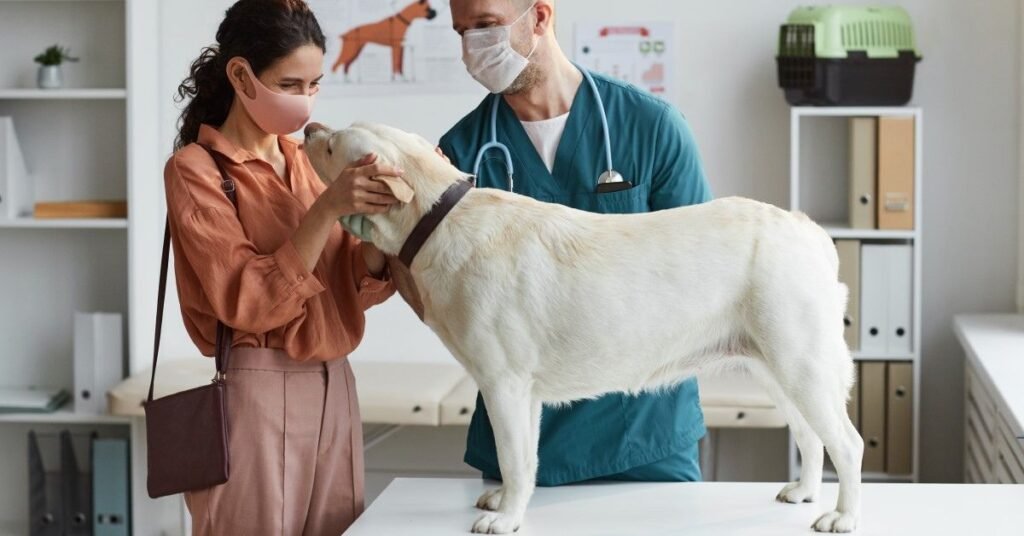
Once test results are available, the veterinarian explains the diagnosis and treatment options. Some conditions, like urinary tract infections, can be treated quickly, while chronic diseases may require long-term management. The vet may adjust diet, prescribe medications, or recommend lifestyle changes. Monitoring your dog’s water intake and overall health continues at home to track improvements. Early detection and follow-up improve outcomes and prevent complications.
Treatment for Dogs That Drink a Lot of Water
Treatment for dogs that drink excessively depends on the underlying cause. Behavioral increases in water intake can often be managed with lifestyle adjustments, such as providing water after exercise or reducing stressors. Medical causes like diabetes, kidney disease, or infections require veterinary-prescribed interventions. Early treatment helps prevent complications like dehydration, kidney failure, or electrolyte imbalances. Maintaining a routine of monitoring water intake and overall behavior ensures treatment effectiveness.
In addition to medical care, supportive measures at home can improve your dog’s comfort and health. Providing fresh water consistently, adjusting diet if necessary, and keeping track of urination patterns help manage the condition. Following the veterinarian’s instructions, giving medications on schedule, and attending follow-up appointments are crucial. Prompt attention combined with careful monitoring can significantly improve your dog’s quality of life.
Medical Treatments
Medical treatment targets the specific condition causing excessive thirst:
- Diabetes – insulin therapy, diet adjustments, and regular monitoring.
- Kidney disease – medications, special diets, and fluid therapy.
- Cushing’s disease – hormone-regulating medications and monitoring.
- Urinary tract infections – antibiotics and hydration support.
Timely and proper treatment ensures the underlying condition is managed effectively.
Behavioral and Lifestyle Management
Behavioral causes can be addressed without medication:
- Ensure fresh water is available, but limit access during rest if needed.
- Monitor exercise levels and provide water after activity.
- Reduce stress or anxiety through routines, toys, or training.
- Adjust diet, especially if switching from wet to dry food increases thirst.
These adjustments help maintain healthy hydration while preventing overconsumption.
Monitoring and Follow-Up
Continuous observation is key to managing excessive drinking:
- Track daily water intake and urination frequency.
- Note any behavioral changes or signs of fatigue.
- Schedule regular vet check-ups for ongoing conditions.
- Adjust treatment or routines based on trends and veterinary guidance.
Regular monitoring ensures that treatments work effectively and that your dog remains healthy and hydrated.
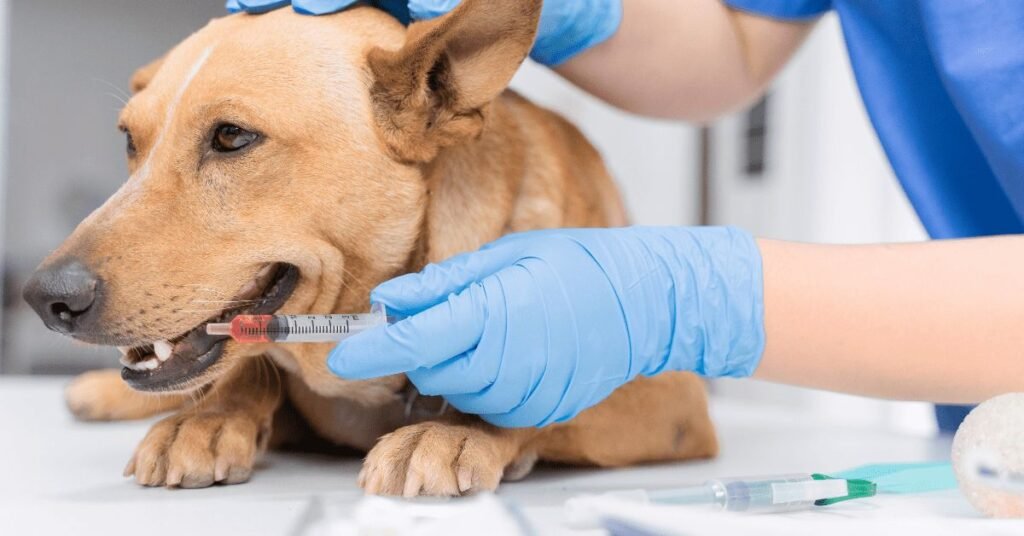
15 Reasons Why Your Dog is Drinking a Lot of Water
Dogs may drink more water than usual for a variety of reasons, ranging from normal behavior to underlying health problems. Understanding the cause is crucial for maintaining your dog’s health and preventing complications. Some causes are lifestyle-related, while others are medical and require veterinary care. Recognizing patterns and accompanying symptoms helps you identify when to intervene and when behavior is normal. Keeping a daily record of water intake can also reveal trends that indicate either health issues or simple lifestyle changes.
Some causes can be temporary and harmless, like hot weather or increased exercise, while others may signal serious conditions like diabetes or kidney disease. By knowing the common reasons behind excessive drinking, you can make informed decisions about monitoring, adjusting routines, and seeking medical attention when necessary. Early detection of health-related causes ensures prompt treatment and improves your dog’s quality of life.
Dehydration and Environmental Factors
Hot weather, humidity, or vigorous exercise can lead to increased water intake. Dogs pant to cool down, which causes fluid loss and triggers thirst. Puppies and active breeds are especially prone to drink more during these times. Ensuring access to fresh water and monitoring for signs of overheating helps maintain proper hydration.
Dietary Influences
A dog’s diet can affect water consumption significantly. Dry kibble contains very little moisture, so dogs often drink more when eating it. High-sodium foods or treats can also trigger thirst. Switching between wet and dry food or introducing new treats may temporarily increase drinking. Monitoring intake during dietary changes ensures your dog stays hydrated without overdrinking.
Medical Conditions
| Cause | Explanation | Signs/Symptoms | Action/Notes |
| Canned Food Diet | Contains more water than dry food, so dogs may drink less. | N/A | Adjust water expectations based on diet. |
| Age | Puppies need more water due to immature kidneys and high activity. Seniors may vary due to cognitive or medical issues. | Increased urination, vomiting, diarrhea (puppies); possible changes in seniors. | Monitor water intake based on age. |
| Medications | Certain drugs increase thirst and urination. | Depends on medication. | Common meds: diuretics (furosemide, torsemide), anti-seizure (phenobarbital), corticosteroids (prednisone). Consult vet. |
| Hot Climates | Dogs lose more water through panting and heat. | Increased drinking. | Ensure access to fresh water; avoid overheating. |
| Frequent Exercise / High Activity | Active dogs lose more water and need rehydration. | Thirst after activity. | Offer water post-exercise; monitor for dehydration. |
| Electrolyte Imbalances | Sodium or potassium imbalance draws water out, kidneys can’t retain it. | Vomiting, diarrhea, lethargy, weakness, neurological signs (circling, ataxia, seizures). | Seek vet immediately; correct underlying cause. |
| Dehydration | Caused by heat, exercise, or illness. | Lethargy, tacky gums, ropy saliva, bright red gums, panting, skin tenting. | Severe cases are medical emergencies. Vet care required. |
| Vomiting / Diarrhea | Leads to fluid loss and compensatory drinking. | Vomiting, diarrhea, dehydration. | Seek vet if persistent/severe. |
| Hyperthermia / Fever | Infection, inflammation, heat stroke, or toxins elevate body temperature. | Panting, lethargy, rope-like saliva, cherry-red gums. | Immediate veterinary evaluation recommended. |
| Kidney Failure | Inability of kidneys to filter toxins; excess water drawn out, leading to increased urination and thirst. | Increased urination, dehydration, variable severity. | Early stages: diet & monitoring; advanced: hospitalization may be required. |
| Diabetes Mellitus | Insufficient insulin or insulin resistance; high blood sugar causes glucose to pull water into urine. | Excessive thirst/urination, lethargy, decreased appetite, ketotic breath, vomiting/diarrhea. | Seek vet immediately. Untreated can cause diabetic ketoacidosis. |
| Diabetes Insipidus | Rare; excessive urine and thirst despite drinking. | High water intake, large urine volume, possible dehydration. | Vet needed to differentiate from diabetes mellitus. |
| Cushing’s Disease | Overproduction of cortisol/steroids from adrenal glands. | Increased thirst/urination, pot-belly, panting, thin skin, hair loss, increased appetite. | Diagnosis via symptoms; does not require immediate therapy. |
| Pyometra | Life-threatening uterine infection in unspayed females; toxins affect kidneys. | Increased urination, pus discharge, fever, lethargy, appetite changes, vomiting. | Fatal if untreated. Seek immediate veterinary care. |
| Liver Infection (Leptospirosis) | Bacterial infection affecting kidneys; transmitted via infected water or rodents. | Increased thirst/urination, lethargy, vomiting. | Vaccination available. Vet evaluation urgently needed if exposed. |
What Should I Do if My Dog is Drinking Too Much?
If your dog is drinking more water than usual, the first step is to monitor their intake and behavior closely. Keep a daily log of water consumption, urination frequency, appetite, and energy levels. Observing these patterns helps determine whether the increase is temporary, behavioral, or medical. Acting quickly can prevent serious health complications and ensure your dog remains comfortable and hydrated.
Next, assess environmental and lifestyle factors. Consider recent changes in temperature, exercise, diet, or stress levels. Ensure that fresh water is always available but avoid forcing your dog to drink excessively. Paying attention to your dog’s routine and any accompanying symptoms will help you decide whether a veterinarian visit is necessary.
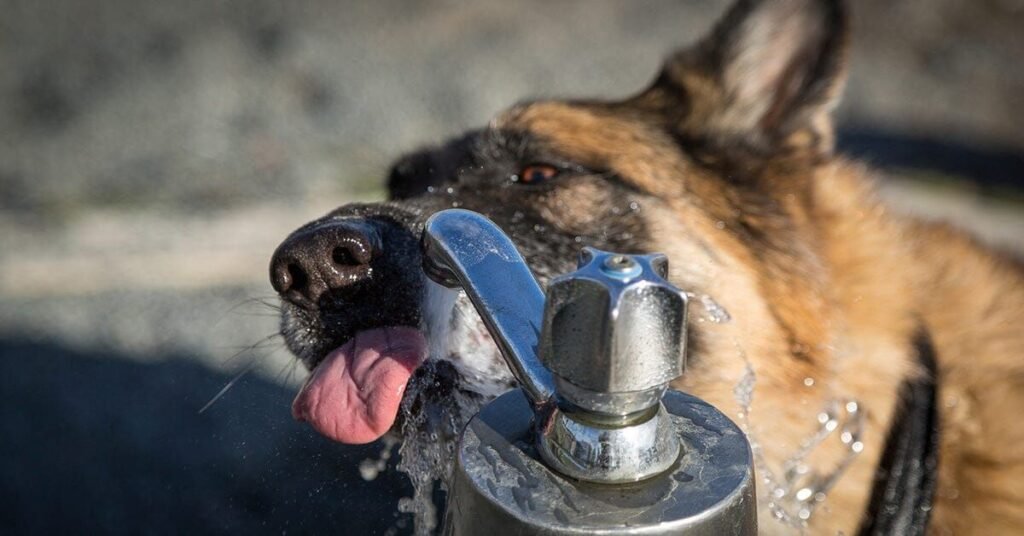
Monitor Water Intake and Behavior
Keep track of your dog’s daily water consumption and urination patterns. Note any unusual behaviors such as excessive panting, restlessness, or changes in appetite. Observing trends over several days gives a clearer picture of whether the behavior is normal or concerning. Accurate monitoring is key to early detection of potential health issues.
Adjust Lifestyle and Environment
Make simple adjustments to reduce unnecessary water intake if behaviorally caused:
- Provide water after exercise rather than constantly.
- Avoid high-sodium foods and treats.
- Ensure a calm, stress-free environment.
- Monitor temperature and avoid overheating.
These measures can help maintain healthy hydration without restricting necessary water.
Consult Your Veterinarian When Needed
If excessive drinking persists or is accompanied by symptoms like vomiting, lethargy, or frequent urination, seek veterinary advice. Bring your water intake log and observations to help the vet identify the cause. Timely consultation ensures early diagnosis and effective treatment, preventing complications and protecting your dog’s health.
What Not to Do if Your Dog is Drinking Excessively
When your dog drinks more water than usual, it’s important to avoid actions that can worsen the problem or mask underlying issues. Restricting water entirely, punishing your dog, or ignoring the behavior can be harmful. Doing so may cause dehydration, stress, or delay the diagnosis of a serious medical condition. Understanding the right approach ensures your dog stays safe while you address the root cause of excessive drinking.
Being proactive and informed is key. Instead of reacting emotionally or making sudden changes, focus on observation, documentation, and veterinary consultation. Avoid self-medicating your dog or attempting unverified home remedies. Clear, careful monitoring combined with professional guidance will protect your dog’s health and well-being, helping you address the issue effectively without causing harm.
Avoid Restricting Water
Never completely restrict access to water as a response to excessive drinking. Dehydration can develop quickly, especially in puppies, seniors, or sick dogs. Instead, monitor intake and provide fresh water in a controlled, consistent way. Gradual adjustments, if advised by a vet, are safer than sudden limits.
Don’t Ignore the Behavior
Excessive drinking can indicate serious health issues like diabetes, kidney disease, or Cushing’s disease. Ignoring changes may delay diagnosis and treatment. Track drinking habits and note any other symptoms such as frequent urination, vomiting, or lethargy. Early intervention improves outcomes and prevents complications.
Avoid Unverified Remedies
Do not try home remedies, medications, or diet changes without veterinary guidance. Some treatments may worsen underlying conditions or cause harmful side effects. Always consult your vet before making adjustments to diet, hydration, or medication. Professional advice ensures safe, effective management of your dog’s excessive drinking.
- Home remedies – may worsen underlying conditions
- Medications without prescription – can cause harmful side effects
- Diet changes without guidance – may disrupt hydration or nutrition
- Veterinary consultation – ensures safe and effective management
How to Keep an Eye on My Dog Drinking a Lot
Monitoring your dog’s water intake is essential to detect unusual patterns and maintain their health. By observing drinking habits, urination frequency, and overall behavior, you can spot early warning signs of medical or behavioral issues. Consistent monitoring also helps you provide useful information to your veterinarian if problems arise. A structured approach ensures your dog stays hydrated while preventing excessive drinking from causing complications.
Regular observation allows you to correlate drinking patterns with diet, activity, and environmental changes. Keeping a daily log or using tools like marked bowls or smart dispensers makes tracking simple and accurate. This proactive approach is particularly important for puppies, senior dogs, or pets with chronic medical conditions. By staying attentive, you can maintain your dog’s well-being and address issues before they escalate.
Tips to Monitor Your Dog’s Water Intake
You can keep a close eye on your dog’s drinking habits with these strategies:
- Use marked water bowls to measure intake accurately.
- Keep a daily log of water consumption and urination patterns.
- Note behavioral changes like lethargy, restlessness, or increased appetite.
- Track environmental factors such as temperature or activity levels.
- Use smart dispensers that record water intake automatically.
- Share your observations with your veterinarian during check-ups.
These simple steps help detect abnormal drinking patterns early and ensure your dog remains healthy and hydrated.
What Causes Increased Thirst in Dogs?
Increased thirst in dogs can result from a variety of factors, ranging from normal behavioral changes to serious medical conditions. Understanding the underlying causes is essential to determine whether intervention is needed. Observing water intake alongside other behaviors like urination frequency, appetite, and energy levels can help identify the root cause. Early detection of unusual drinking patterns ensures timely treatment and prevents complications.
While some causes are temporary and harmless, others require veterinary attention. Behavioral factors such as exercise, diet, and environmental conditions often lead to short-term increases in thirst. In contrast, medical conditions like diabetes, kidney disease, or hormonal imbalances can cause persistent excessive drinking. Recognizing the difference is key to maintaining your dog’s health and well-being.
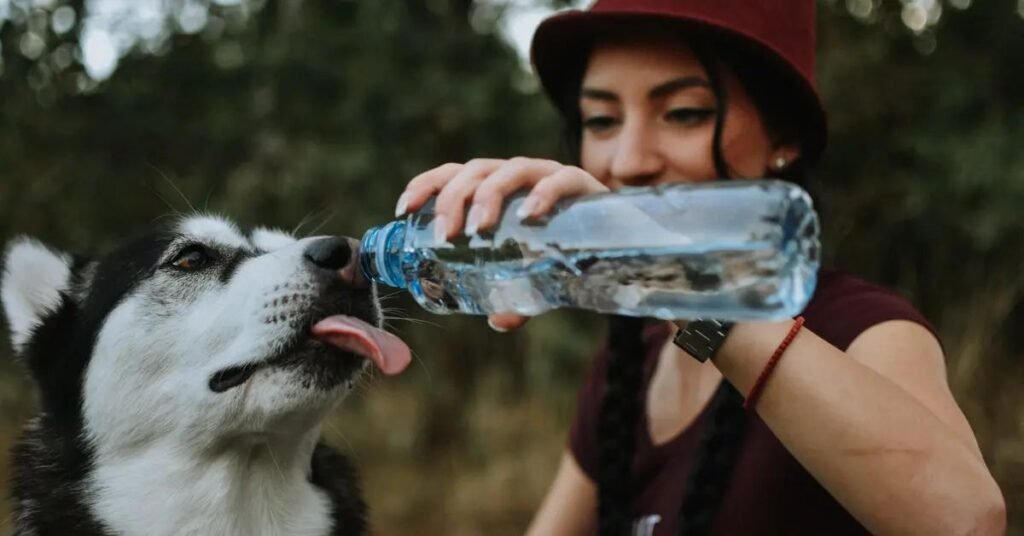
Behavioral Causes of Excessive Thirst
Some dogs drink more due to non-medical factors. Common behavioral reasons include:
- High activity levels – more exercise increases water needs
- Hot or humid environments – panting causes fluid loss
- Dietary factors – dry food or salty treats increase thirst
- Stress or anxiety – changes in routine or environment may trigger drinking
Understanding these behavioral causes helps distinguish normal variations from health-related concerns.
Medical Conditions Linked to Increased Thirst
Persistent or excessive drinking often signals an underlying medical condition. Common causes include:
- Diabetes mellitus – high blood sugar leads to increased thirst
- Kidney disease – affects the body’s ability to retain fluids
- Cushing’s disease – hormonal imbalance triggers more drinking
- Liver disease – impairs fluid processing and balance
- Urinary tract infections – irritation increases water consumption
Prompt veterinary evaluation is essential if you notice these symptoms alongside excessive drinking.
When to Seek Veterinary Care for Excessive Thirst
Not all increases in drinking are dangerous, but persistent or sudden changes require attention. Consult a veterinarian if your dog exhibits:
- Excessive drinking over several days
- Frequent urination or accidents indoors
- Vomiting, diarrhea, or unusual weight changes
- Lethargy, weakness, or behavior changes
Early intervention ensures proper diagnosis, effective treatment, and better long-term health outcomes.
At The Last:
Your dog relies on you not just for food, walks, and cuddles, but also for their health and well-being. Paying attention to how much water they drink may seem small, but it speaks volumes about your love and care. Early detection of unusual drinking habits can prevent serious illness and give your furry friend a longer, happier life.
Remember, every paw print on your heart deserves attentive care. By observing their habits, providing fresh water, and seeking veterinary guidance when needed, you ensure that your dog stays healthy, energetic, and full of life. Their trust and loyalty are irreplaceable, and your vigilance shows them they are cherished every single day. Small acts, like noticing a sudden increase in water intake, can make a world of difference to their comfort and happiness.
