
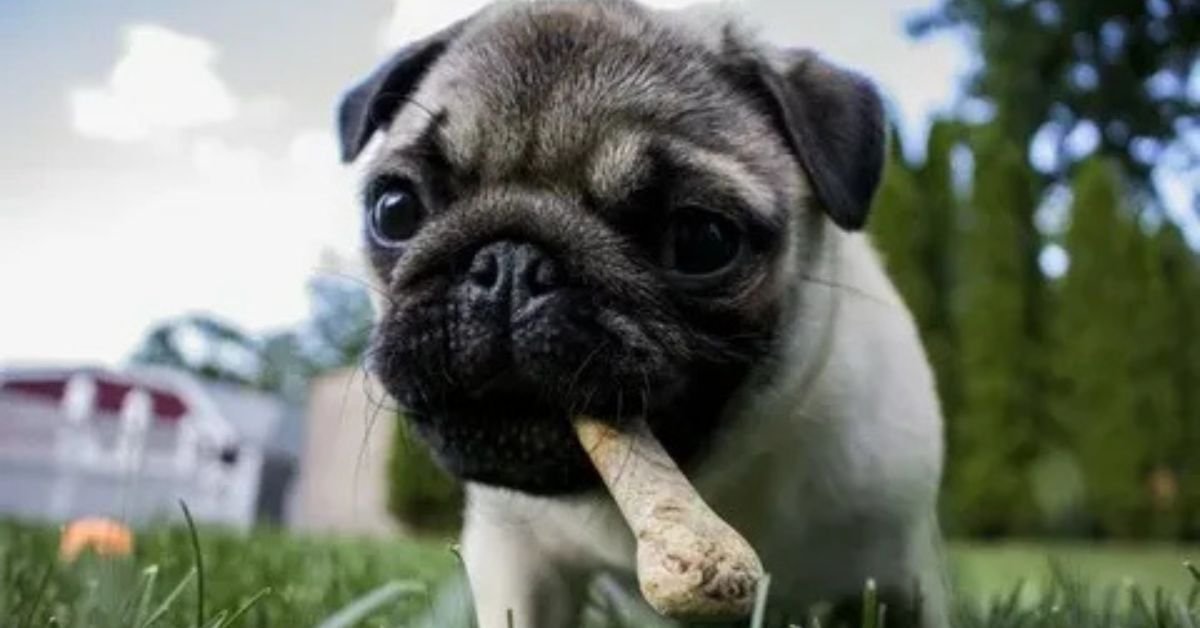
Dogs have been fascinated by bones for thousands of years. From wild ancestors to modern family pets, chewing bones is more than just a pastime—it is rooted in biology, behavior, and instinct. If you have ever wondered why do dogs like bones, the answer connects to taste, texture, mental stimulation, and their natural desire to chew. Understanding this behavior helps dog owners make safer choices about safe dog bones and chews, avoid health risks of dogs chewing bones, and choose the best bones for dogs to chew.
Chewing is one of the strongest natural chewing instincts in dogs. It keeps their jaws busy, relieves stress, and prevents boredom-driven behaviors such as destructive chewing on furniture or shoes. At the same time, responsible owners need to ask: are bones safe for dogs, and which options are not?
This article will guide you through:
- why dogs chew on things and why bones are especially appealing
- the benefits of bone chewing for dogs
- when bones may become unsafe
- how to choose the right bones for different breeds and life stages
- veterinarian-backed tips for safe chewing habits
- the best natural, long-lasting, and dog-friendly chew options
You will also learn why do dogs like bones from an instinctual, behavioral, and nutritional perspective—while keeping safety and practicality in focus. By the end, you will be equipped to choose bones and chews that are enjoyable, natural, and appropriate for your dog’s health and lifestyle.
Why Dogs Like Chewing Bones: Natural Instinct and Ancestral Behavior
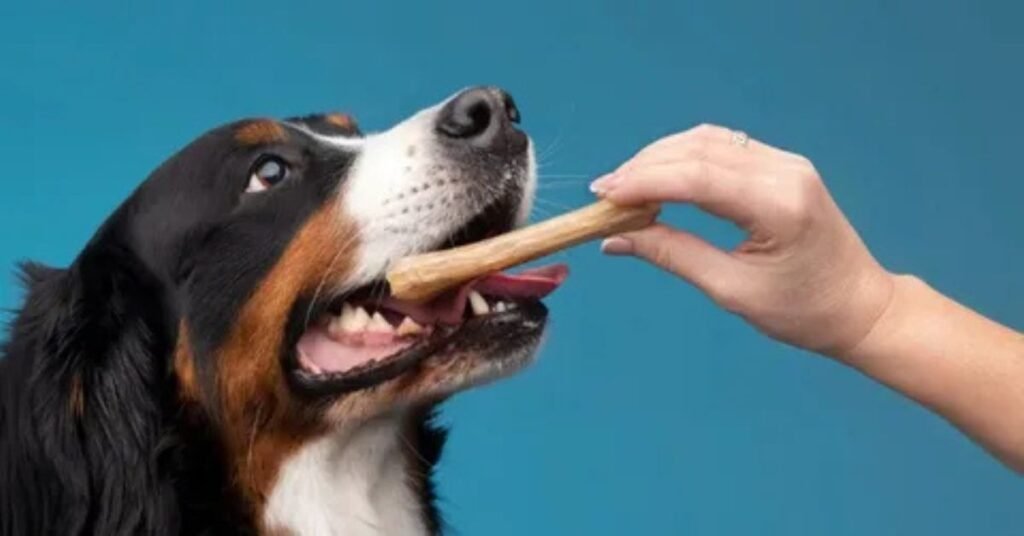
Dogs are hard-wired to chew. Long before domestication, wild canines depended on bones for survival, using them as sources of nutrition, stimulation, and jaw exercise. This background explains why do dogs like bones so much today. Even well-fed pets still display the natural chewing instinct in dogs, showing that the behavior is instinctive rather than simply driven by hunger. Chewing gives dogs a job to do, occupies their minds, and satisfies deeply rooted ancestral drives.
Understanding the natural chewing instinct in dogs
Chewing begins early in life, particularly during teething, and continues into adulthood. It is a self-soothing behavior that helps manage energy, stress, and curiosity. Dogs explore the world through their mouths, which is one of the reasons why dogs chew on things in general. Bones provide resistance, flavor, and scent that make them more satisfying than ordinary toys, reinforcing the attraction.
The ancestral craving for bones in dogs explained
Historically, wolves and wild dogs consumed entire prey animals, including bones and marrow. This provided essential minerals, fats, and enrichment. Domestic dogs retain these instincts, which is why why do dogs like bones is closely tied to ancestry. The crunch, gnawing action, and marrow taste mimic natural feeding behaviors, satisfying predatory and scavenging impulses even in gentle companion breeds.
Why chewing satisfies your dog’s mental and physical needs
Chewing is both mental enrichment and physical exercise. It strengthens jaw muscles, supports dental abrasion that helps reduce plaque, and relieves boredom that could otherwise lead to destructive behavior. For many pets, chewing reduces anxiety by releasing endorphins, creating calm after periods of excitement or stress. When owners understand the benefits of bone chewing for dogs, they can provide safer outlets instead of discouraging the behavior entirely.
Throughout this section, the key takeaway is simple: dogs do not just like bones; they are biologically and behaviorally designed to enjoy them. Knowing this foundation helps owners later evaluate safe dog bones and chews, understand health risks of dogs chewing bones, and choose the best bones for dogs to chew in a responsible way.
Health Benefits of Chewing Bones and Natural Dog Chews
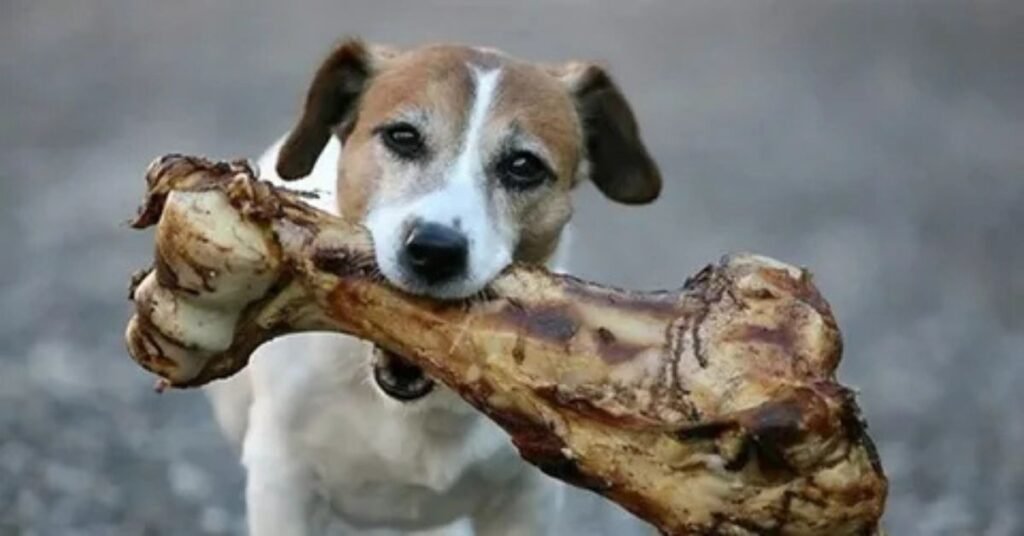
Chewing bones provides dogs with more than just entertainment. It supports physical health, mental well-being, and behavioral stability. Understanding these benefits of bone chewing for dogs helps owners provide safe and enriching chewing experiences while addressing the instinctual drive behind why do dogs like bones.
Dental health benefits of bone chewing for dogs
Chewing on natural bones helps reduce plaque and tartar buildup, which can prevent gum disease and bad breath. The mechanical action of gnawing scrapes teeth naturally, supporting overall oral hygiene. Regular chewing also strengthens jaw muscles, promoting a healthier bite and strong oral structure.
Behavioral and anxiety-relief benefits of dog bones
Dogs chew to relieve stress and occupy their minds. Bones provide an outlet for why dogs chew on things, which is especially important for high-energy or anxious pets. Chewing can reduce destructive behaviors like furniture or shoe chewing and improve focus. Bones serve as a form of mental enrichment, helping dogs feel content and satisfied.
Nutritional benefits of natural bones and chews
Natural bones, especially raw options, contain marrow and nutrients such as calcium, phosphorus, and essential fats that support strong bones and overall health. When chosen carefully, safe dog bones and chews supplement a balanced diet and promote wellness. Providing the best bones for dogs to chew ensures that pets gain these nutritional advantages without unnecessary additives.
By combining mental stimulation, dental care, and nutritional benefits, chewing bones addresses multiple needs simultaneously. This makes it one of the most effective ways to satisfy both the instinctual and practical requirements of dogs.
Are Bones Safe for Dogs? Bone Safety Guidelines Every Dog Owner Should Know

While chewing bones offers many benefits, it is crucial to understand are bones safe for dogs to prevent injuries or health issues. Not all bones are created equal, and providing the wrong type can lead to choking, broken teeth, or digestive problems. Responsible dog owners need to recognize safe options and supervise chewing appropriately.
Safe vs unsafe bones for dogs
| Bone Type | Safety for Dogs | Notes / Risks |
| Large raw beef or lamb bones | Safe | Appropriate size for adult dogs; durable for chewing; unlikely to splinter |
| Small raw bones | Unsafe | Can be a choking hazard |
| Cooked bones (any type) | Unsafe | Brittle; can splinter and injure mouth, throat, or intestines |
| Poultry bones (cooked or raw) | Unsafe | Fragile; easily splinter, high risk of injury |
| Brittle bones | Unsafe | Splinter easily; risk of internal injuries |
Risks of cooked bones, brittle bones, and splintering
Cooked bones lose flexibility and become sharp when chewed. Splintered pieces can puncture the digestive tract or cause blockages, which may require emergency veterinary care. Brittle bones, such as dry store-bought treats not designed for chewing, can also fracture teeth. Recognizing these risks ensures that your dog enjoys chewing safely without compromising health.
How to supervise dogs when chewing bones safely
Always supervise your dog during chewing sessions, especially if introducing a new type of bone. Monitor for aggressive gnawing that could break teeth, and remove small or sharp fragments promptly. Limit chewing sessions to appropriate durations based on your dog’s size, age, and chewing intensity. Combining supervision with knowledge of safe dog bones and chews significantly reduces the health risks of dogs chewing bones.
By understanding bone safety, owners can maximize the benefits of bone chewing for dogs while preventing injuries. Proper supervision and careful selection are key to keeping dogs happy and healthy.
Types of Bones for Dogs: Choosing the Best Dog Bones and Natural Chews
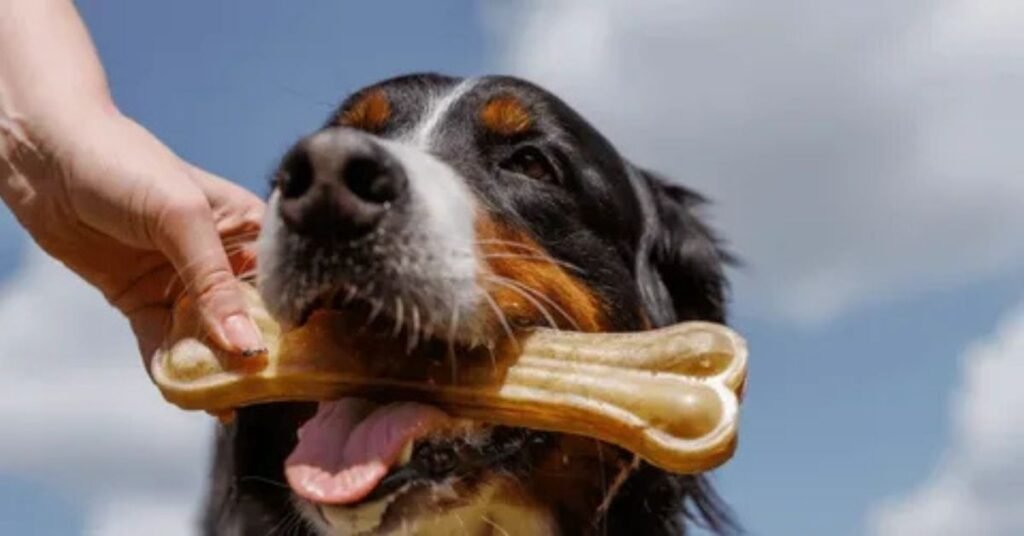
Not all bones and chews are suitable for every dog. Selecting the right type is essential to ensure safety, enjoyment, and health benefits. Understanding the differences helps owners provide the best bones for dogs to chew while satisfying their natural chewing instinct in dogs.
Raw bones vs cooked bones for dogs
| Bone Type | Safety for Dogs | Notes / Benefits / Risks |
| Raw bones (beef, lamb, marrow) | Safe | Less likely to splinter; provide long-lasting chewing opportunities; supply essential nutrients |
| Cooked bones | Unsafe | Can break easily; produce sharp fragments; high risk of injury to mouth, throat, or intestines |
Natural dog chews vs synthetic dog chews
| Chew Type | Safety / Suitability | Notes / Benefits / Risks |
| Natural chews (antlers, bully sticks, raw bones) | Generally safe | Mimic natural textures; provide nutrients; satisfy chewing instincts; may vary in hardness |
| Synthetic chews (nylon, rubber toys) | Safe | Durable; low risk of splintering; may not provide dental cleaning or nutritional benefits |
Best types of natural chews for aggressive chewers
Dogs with strong chewing tendencies need bones or chews that withstand heavy gnawing. Large raw marrow bones, thick bully sticks, and hard antlers are excellent options. These items satisfy the natural chewing instinct in dogs and minimize the risk of early destruction or swallowing hazardous fragments.
Choosing the right type of bone or chew ensures safety, maximizes enjoyment, and provides health benefits. It also addresses the why do dogs like bones question by offering options that meet instinctual needs and practical requirements.
How to Choose the Right Bone for Your Dog: Size, Age, and Chewing Style
Selecting the right bone involves more than simply picking a chew that looks appealing. Factors like size, age, and chewing style play a crucial role in safety and enjoyment. Providing the best bones for dogs to chew tailored to these factors ensures your dog benefits from both the physical and mental advantages of chewing.
Best dog bones by breed size
Large breeds need thick, sturdy bones that can withstand powerful jaws, while small breeds do better with thinner, manageable bones. Using the wrong size can lead to choking hazards or dental fractures. For example, a Great Dane may require a hefty raw marrow bone, while a Chihuahua should have a smaller, lighter option. Matching the bone to breed size is a key aspect of safe dog bones and chews.
Best dog bones for puppies vs adult dogs
Puppies are teething and have softer teeth, so softer chews or specially designed puppy bones are recommended. Adult dogs can handle harder and longer-lasting bones that provide dental and mental benefits. Age-appropriate selection helps satisfy the natural chewing instinct in dogs while avoiding injury or stress on developing teeth.
How chewing style affects the right type of dog bone
Dogs have different chewing habits: some gnaw aggressively, while others chew gently. Aggressive chewers need extremely durable options like thick marrow bones or antlers. Gentle chewers may enjoy softer raw bones or natural chews. Understanding your dog’s chewing style allows you to select the best bones for dogs to chew and ensures both safety and satisfaction.
Choosing bones based on size, age, and chewing style combines instinct, health, and safety to provide a more enriching experience.
Best Chew Bones for Dogs: Top Natural and Long-Lasting Dog Bones
Finding high-quality chew bones ensures that your dog enjoys chewing safely while reaping the benefits of bone chewing for dogs. Long-lasting and natural options satisfy the natural chewing instinct in dogs and help prevent boredom, destructive behavior, and dental issues.
Best long-lasting dog bones for heavy chewers
Heavy chewers require bones that can withstand strong jaws. Large raw marrow bones, antlers, and thick bully sticks are excellent choices. These options provide extended chewing sessions, help reduce tartar buildup, and keep your dog mentally stimulated. Choosing durable bones minimizes the risk of fragments and ensures chewing remains a safe activity.
Best all-natural dog bones and chews
All-natural bones and chews are free from chemicals, additives, and preservatives, making them healthier options. Raw bones, antlers, and naturally dried bully sticks are popular choices. Providing safe dog bones and chews that are all-natural supports dental health, nutrition, and your dog’s instinctual behaviors while avoiding unnecessary artificial ingredients.
Veterinarian-recommended dog bones
Veterinarians often recommend bones that are size-appropriate, digestible, and durable. Raw beef or lamb bones, specially formulated dental chews, and monitored antlers are frequently suggested for maintaining oral health and mental stimulation. Consulting your vet ensures you provide the best bones for dogs to chew while avoiding health risks of dogs chewing bones.
Selecting the right chew bones combines safety, durability, and health benefits, giving dogs a fulfilling and instinct-satisfying activity.
Why Choose All-Natural Dog Bones and Chews
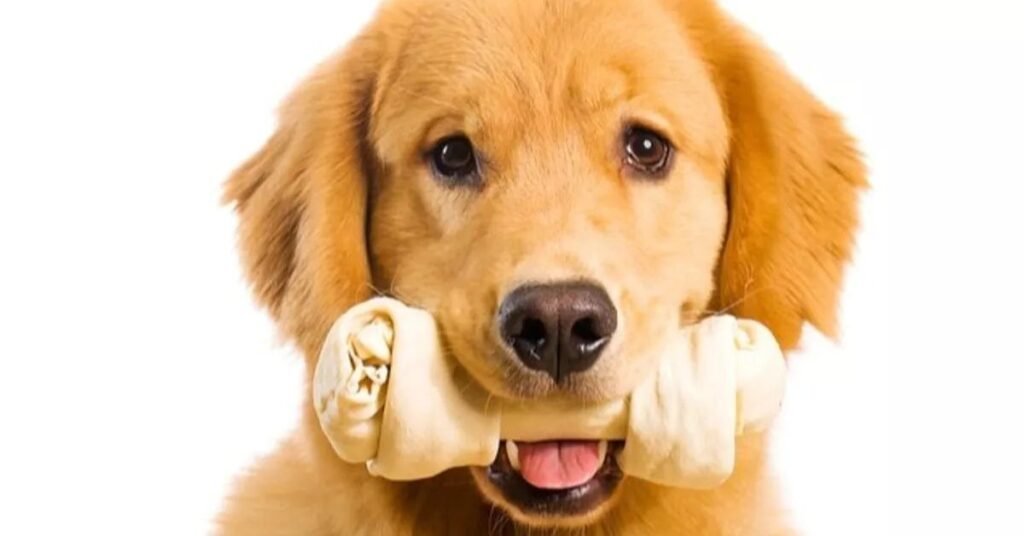
Choosing all-natural dog bones and chews ensures that your dog enjoys a safe, healthy, and instinct-satisfying chewing experience. Natural options not only appeal to the natural chewing instinct in dogs but also provide nutritional and dental benefits without the risks associated with artificial additives or preservatives.
Benefits of all-natural dog treats and chews
All-natural chews support dental health, help reduce tartar and plaque, and provide mental stimulation. They are often richer in nutrients like calcium, phosphorus, and essential fats compared to synthetic alternatives. Natural chews also satisfy the why do dogs like bones instinct by mimicking textures and flavors similar to what dogs would find in the wild.
Additive-free and preservative-free dog bones explained
Many commercial dog bones contain additives, flavorings, or preservatives that may upset digestion or pose long-term health risks. Additive-free bones avoid these issues, providing a safer chewing experience while maintaining the natural flavor and nutritional content. Choosing safe dog bones and chews without artificial substances minimizes health risks of dogs chewing bones.
Sustainably sourced natural dog bones
Sustainably sourced bones ensure that your dog’s treats are environmentally responsible. Choosing bones harvested from ethical sources not only benefits the planet but also guarantees high-quality, natural options that are less likely to be chemically treated. This aligns with providing the best bones for dogs to chew that are both safe and environmentally conscious.
Brand and Product Considerations When Buying Dog Bones
When selecting dog bones, understanding brand quality and product specifics is essential to ensure safety, durability, and health benefits. Choosing the best bones for dogs to chew involves evaluating materials, sourcing, and product claims.
What to look for in high-quality dog bone brands
- Reputable sourcing: Choose brands that provide clear information on where bones are sourced.
- Natural ingredients: Avoid additives, preservatives, and artificial flavoring.
- Size-appropriate products: Ensure bones match your dog’s breed, size, and chewing strength.
- Durability: Check for bones that can withstand your dog’s chewing style to prevent breakage.
Premium dog bone brands and natural chew options
- Raw marrow bones: Long-lasting and nutrient-rich.
- Bully sticks: Fully digestible and all-natural, ideal for moderate chewers.
- Antlers: Extremely durable and suitable for aggressive chewers.
- Dental chews from veterinarians: Designed to promote oral health while satisfying chewing instincts.
How marketing claims about ‘natural dog bones’ can be misleading
- “All-natural” labels: Some products may still contain chemicals or be processed in ways that reduce nutritional value.
- Durability claims: Not all advertised “long-lasting” bones are safe for aggressive chewers.
- Origin transparency: Lack of clear sourcing can increase health risks of dogs chewing bones.
How to Safely Introduce Bones and Chews to Your Dog

Introducing bones and chews properly ensures your dog enjoys the benefits of chewing while minimizing health risks of dogs chewing bones. A careful approach helps satisfy the Itch Constantly? instinct in dogs safely and effectively.
How often should dogs chew bones?
Frequency depends on your dog’s size, age, and chewing style. Most adult dogs can safely chew a bone several times per week, while puppies benefit from shorter, more frequent sessions to soothe teething discomfort. Avoid constant chewing on hard bones to prevent excessive wear on teeth.
How long should a dog chew a bone?
Chewing sessions should generally last 10–20 minutes for most dogs, though aggressive chewers may require supervision for longer periods. Short sessions prevent overuse, reduce the risk of splintering, and keep chewing an enjoyable activity rather than a potential hazard.
Signs your dog should not chew a particular bone
Watch for signs such as excessive splintering, choking hazards, difficulty swallowing, vomiting, or broken teeth. If any of these occur, remove the bone immediately. Always provide safe dog bones and chews appropriate for your dog’s size, age, and chewing intensity.
Proper introduction and supervision allow dogs to benefit from chewing while keeping them safe. This ensures that why do dogs like bones is satisfied without compromising their health.
Conclusion:
Chewing bones is a natural, instinct-driven behavior that provides dogs with physical, mental, and dental benefits. Understanding why do dogs like bones helps owners provide safe, enriching, and satisfying chewing experiences. By selecting safe dog bones and chews, considering size, age, chewing style, and opting for natural options, you can ensure that your dog enjoys all the benefits without unnecessary risks.
Key points to remember:
- Natural chewing instinct in dogs drives the desire to gnaw on bones.
- Benefits of bone chewing for dogs include dental health, mental stimulation, anxiety relief, and nutrition.
- Only provide safe dog bones and chews, avoiding cooked, brittle, or small bones that could splinter.
- Consider best bones for dogs to chew based on breed size, age, and chewing style.
- Choose all-natural, additive-free, and sustainably sourced bones whenever possible.
- Supervise chewing sessions and introduce new bones gradually to prevent health risks of dogs chewing bones.
By combining safety, nutrition, and instinctual satisfaction, you can make bone chewing a healthy, enjoyable, and engaging activity for your dog. Following these guidelines ensures that your dog remains happy, mentally stimulated, and physically healthy while indulging their natural love for bones.
FAQs
Q1: Why do dogs like bones?
Dogs are naturally driven by the natural chewing instinct in dogs. Chewing bones satisfies their ancestral cravings, provides mental stimulation, relieves boredom, and supports jaw and dental health. Even well-fed dogs enjoy chewing because it fulfills instinctual needs rather than hunger alone.
Q2: Are bones safe for dogs?
Not all bones are safe. Raw, appropriately sized bones are generally safe, while cooked, brittle, or small bones can splinter and cause choking or digestive issues. Always supervise your dog when giving bones and choose options suitable for their size and chewing strength.
Q3: What types of bones are best for dogs to chew?
The best bones for dogs to chew are large raw marrow bones, antlers, and bully sticks. Choose bones based on your dog’s breed size, age, and chewing style to ensure safety and long-lasting enjoyment.
Q4: How often should dogs chew bones?
Most adult dogs can chew bones several times per week. Puppies may require shorter, more frequent chewing sessions to help with teething. Avoid constant chewing to prevent dental wear or digestive issues.
Q5: Can chewing bones improve dental health?
Yes. Chewing naturally helps remove plaque and tartar, strengthens jaw muscles, and reduces bad breath. Regular supervised chewing can support overall oral hygiene.
Q6: Are all-natural dog bones better than synthetic chews?
All-natural bones and chews are free from additives, preservatives, and chemicals, making them healthier for your dog. They also mimic the textures and flavors of bones in the wild, satisfying instinctual chewing behaviors.
Q7: What are the risks of dogs chewing bones?
Potential risks include splintering, choking, tooth fractures, or digestive blockages, especially with cooked or brittle bones. Supervision, choosing appropriate sizes, and selecting safe dog bones and chews significantly reduce these risks.
Q8: How can I safely introduce a new bone to my dog?
Introduce bones gradually, monitor chewing sessions, and remove any small or sharp fragments. Limit session lengths based on your dog’s size, age, and chewing strength to prevent accidents or injuries.
