
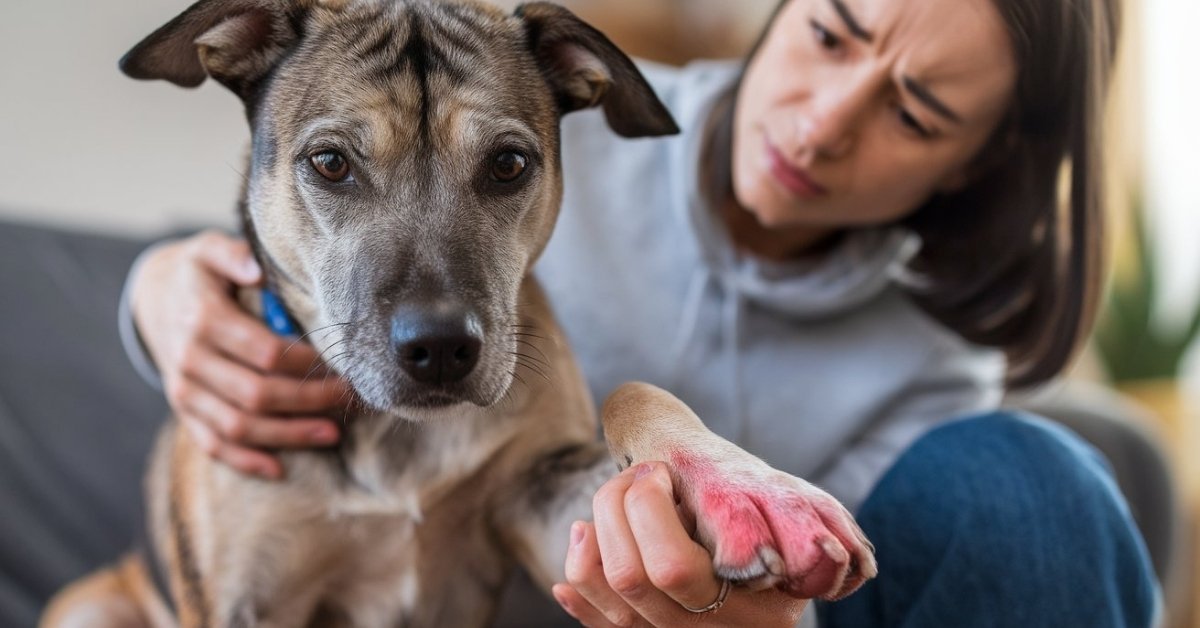
Dogs licking their paws can be normal behavior. They often lick to clean themselves or soothe mild irritation. But when this habit starts suddenly, it can signal that something is wrong.
Many dog owners notice this change without warning. One day your dog is fine. The next day, they will not stop licking their paws. This sudden behavior can feel confusing and worrying.
In most cases, the cause is linked to health issues. Allergies, infections, pain, or even stress can trigger paw licking. Understanding the reason early can help you protect your dog’s comfort and health.
Common Reasons Dogs Lick Their Paws: What’s Normal and What’s Not?
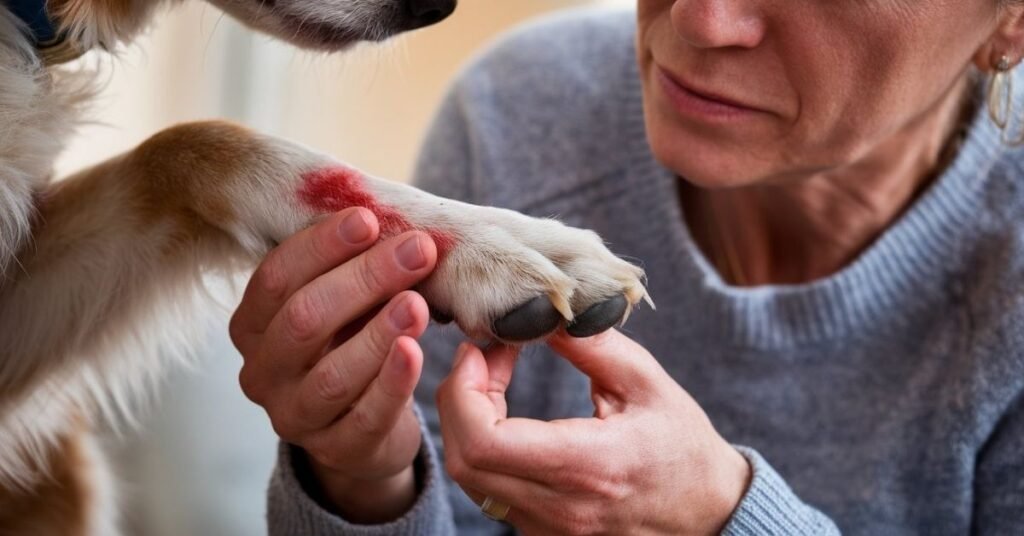
Some paw licking is completely normal. Dogs lick to clean dirt, remove small irritants, or groom after walks. Occasional licking that stops on its own is usually nothing to worry about.
However, frequent or nonstop licking is not normal. It often points to an underlying issue that needs attention. Common causes include:
- Allergies from food, pollen, or dust
- Infections caused by bacteria or yeast
- Dry or cracked paws
- Pain or injury, such as a cut or thorn
- Anxiety or boredom, especially in stressed dogs
If the licking becomes intense or your dog’s paws look red or swollen, it’s a sign something more serious may be going on.
5 Main Reasons Your Dog Is Licking Their Paws
Dogs licking their paws is a common behavior, but when it happens frequently or suddenly, it often points to a deeper issue. Understanding why your dog is doing this can help prevent discomfort and more serious health problems. Paw licking can be your dog’s way of cleaning, soothing irritation, or coping with stress but when it becomes constant, it is usually a sign that something is wrong.
Here are the 5 main reasons your dog might be licking their paws in detail:
- Allergies: Dogs can develop allergies to food, pollen, dust mites, or chemicals. Allergic reactions often make their paws itchy, red, or swollen. Licking is their natural response to relieve this irritation.
- Infections: Yeast or bacterial infections are common in paws, especially between the toes. Moisture, dirt, or minor wounds can trigger these infections. Affected paws may smell bad or have a yellowish discharge.
- Injuries: Cuts, scrapes, burns from hot pavement, or tiny foreign objects like splinters can make your dog lick the area constantly. Licking is their way to clean the wound and reduce pain.
- Dry or Irritated Skin: Harsh weather, salt, or chemicals on sidewalks can dry out your dog’s paw pads. Dry skin becomes itchy and uncomfortable, prompting licking.
- Stress or Anxiety: Dogs may lick their paws as a coping mechanism for stress, boredom, or anxiety. This repetitive behavior is similar to humans biting their nails when nervous.
| Cause | Key Identification | Suggested Action |
| Allergies | Itchy paws + Sneezing | Diet change or Paw rinse |
| Infections | Bad odor + Discharge | See Vet for Medicated wash |
| Injuries | Licking ONLY one paw | Check for thorns/cuts |
| Dry Skin | Cracked paw pads | Use Dog-safe Paw Balm |
| Anxiety | Constant licking at night | Exercise & Mental stimulation |
Pay attention to how often and when your dog licks their paws. Redness, swelling, or a bad smell means it’s time to consult a vet. Early detection can prevent more serious problems and keep your dog comfortable.
How to Tell What’s Causing It: Assessing the Situation
If your dog is licking their paws, the first step is careful observation. Look at how often they lick, which paws are affected, and any changes in color, swelling, or smell. These signs can help you figure out if it’s normal grooming or a health issue.
Here’s what to check:
- Redness or swelling around the paw or between toes
- Sores, cuts, or bleeding that might indicate injury
- Discharge or bad odor, which can signal infection
- Chewing or licking only one paw versus all paws
- Behavior changes, such as restlessness, limping, or anxiety
By assessing these factors, you can narrow down possible causes. Early attention and observation are key to keeping your dog healthy and comfortable.
Addressing Excessive Paw Licking: Prevention and Treatment
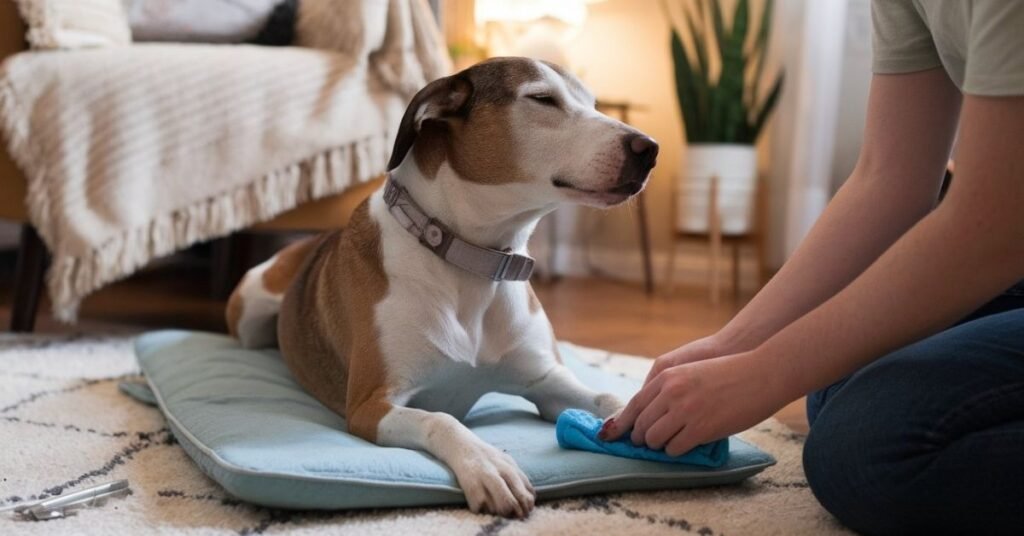
Excessive paw licking can cause serious discomfort and even lead to infections if ignored. It often worsens over time, creating sores, redness, or thickened skin. The key is to identify the underlying cause first whether it’s allergies, injuries, infections, or stress and then take targeted action. Prevention and treatment go hand in hand to keep your dog’s paws healthy and comfortable.
Here are some ways to manage and prevent excessive paw licking:
- Clean paws regularly: Wash your dog’s paws after walks to remove dirt, pollen, salt, or chemicals that can irritate the skin.
- Check for injuries or foreign objects: Inspect between toes for cuts, splinters, or thorns, and treat minor wounds promptly.
- Treat infections or irritation: Use vet-approved creams, sprays, or medicated shampoos for bacterial or yeast infections.
- Address allergies and diet issues: Work with your vet to identify food or environmental allergies and make changes if needed.
- Reduce stress and boredom: Provide mental stimulation, toys, and regular exercise to prevent anxiety-driven licking.
By combining careful observation with consistent care, you can significantly reduce paw licking. Persistent or worsening behavior should always be evaluated by a veterinarian, as early intervention helps prevent long-term discomfort and more serious health problems.
Home Remedies to Soothe Your Dog’s Paw Irritation
Sometimes, minor paw irritation can be managed at home before visiting a vet. Gentle care can help relieve itching and prevent further licking. Regular observation and simple remedies can make your dog more comfortable.
Here are a few home remedies to try safely:
- Warm water soak: Dip your dog’s paw in lukewarm water for a few minutes to clean and soothe irritation.
- Natural paw balm: Apply a vet-approved balm or coconut oil to moisturize dry or cracked paws.
- Clean environment: Wipe paws after walks to remove dirt, pollen, or chemicals that can trigger licking.
- Epsom salt soak: Occasionally, a mild Epsom salt soak can reduce swelling and discomfort.
Always monitor your dog after using home remedies. If irritation persists, worsens, or you notice redness, swelling, or discharge, consult your veterinarian immediately to prevent infections or more serious problems.
Working With Your Veterinarian To Treat the Issue
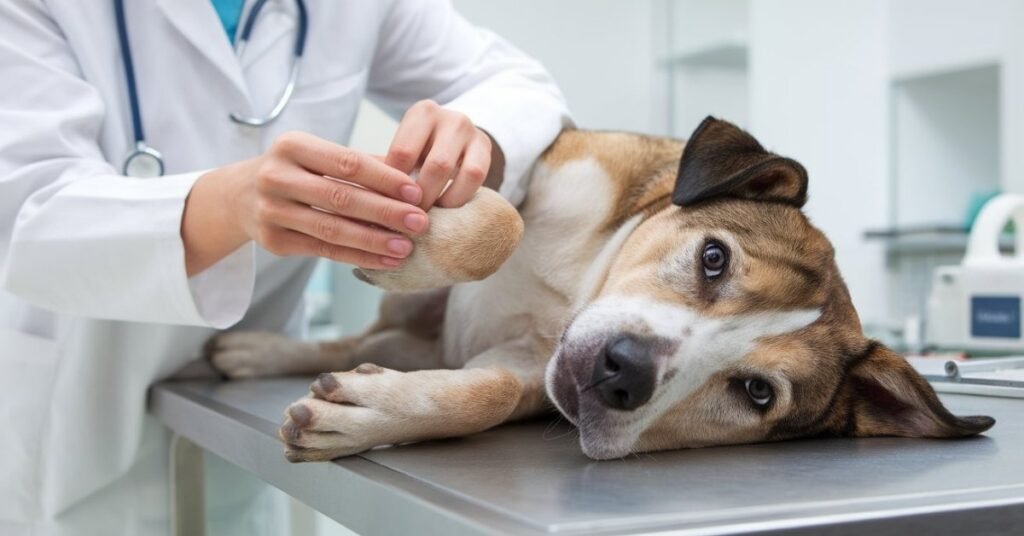
If your dog’s paw licking continues or seems painful, it’s important to consult a veterinarian. Vets can examine the paws, identify infections, allergies, or injuries, and recommend the right treatment. Early professional help prevents the problem from getting worse.
Your vet may suggest tests, special shampoos, medications, or dietary changes depending on the cause. They can also advise on ways to manage stress or anxiety in your dog. Working closely with a vet ensures your dog gets proper care and stays comfortable and healthy.
FAQS
Why do dogs lick their paws suddenly?
Sudden paw licking can be caused by allergies, infections, injuries, or stress.
Is it normal for dogs to lick their paws?
Occasional licking is normal, but constant or intense licking may indicate a problem.
Can allergies cause paw licking in dogs?
Yes, food, pollen, or chemical allergies can make paws itchy and lead to licking.
How can I stop my dog from licking their paws?
Clean their paws, treat injuries or infections, and address allergies or stress with your vet’s guidance.
When should I see a vet for paw licking?
If licking is frequent, causes redness, swelling, or sores, or continues despite home care, consult a veterinarian.
Conclusion
Paw licking is common in dogs, but excessive or sudden licking can be a warning sign. It may be caused by allergies, infections, injuries, or stress. Paying attention to how often and where your dog licks helps you understand the problem early.
Simple care like cleaning paws, checking for cuts, treating infections, and managing allergies or stress can make a big difference. If licking continues or worsens, a veterinarian’s guidance is essential. Early care keeps your dog healthy, comfortable, and happy.
