

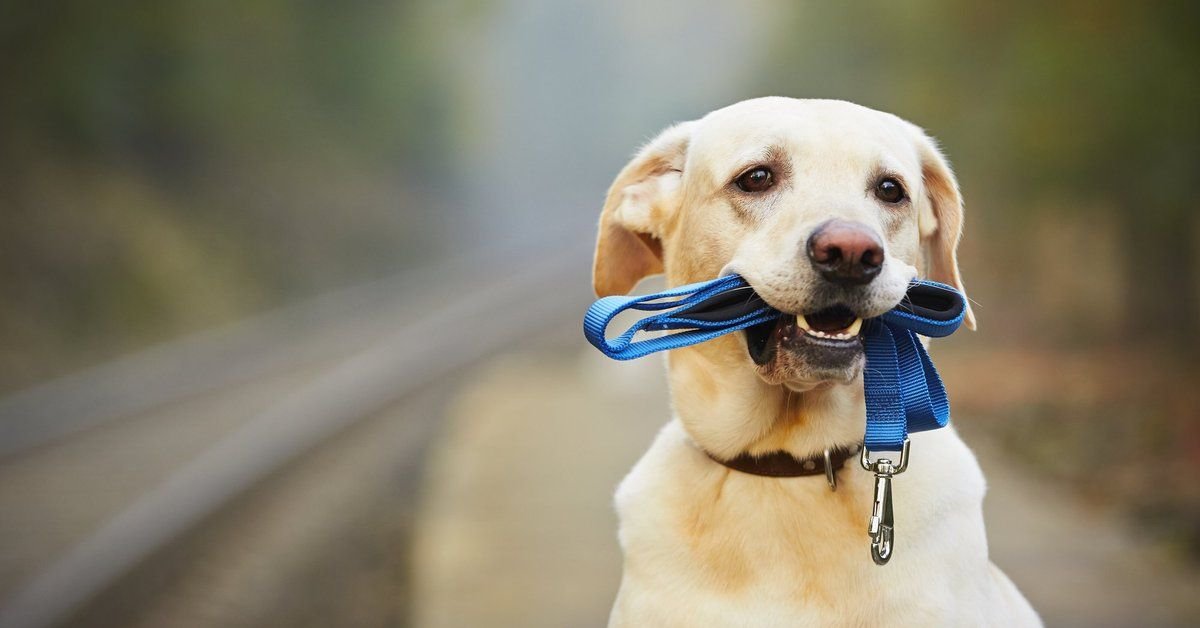
If you’ve ever come home to your dog wagging its tail like you’re the best person in the world, you’ve probably wondered why are dogs so loyal?
This loyalty isn’t just adorable; it’s deeply rooted in their biology, psychology, and long history with humans. Dogs aren’t loyal by accident. Their devotion has evolved over thousands of years, and science is still uncovering how strong this human-dog bond truly is.
Let’s explore what makes dogs so loyal, what drives their attachment, and how you can strengthen that special bond with your furry friend.
Why Are Dogs So Loyal?
Dogs are loyal because they evolved to form close social bonds both with other dogs and with humans. Over time, they developed emotional intelligence and empathy that make them incredibly responsive to our feelings and routines.
When early humans began domesticating wolves thousands of years ago, they didn’t just choose the strongest animals. They selected the friendliest ones. This selection process encouraged traits like cooperation, affection, and trust. Those early wolves learned that sticking with humans meant survival, safety, and a steady food supply.
Today’s dogs have inherited those same instincts. They see their owners as part of their pack their family. When they guard you, follow you around, or look into your eyes, it’s not just habit; it’s love and attachment driven by biology.
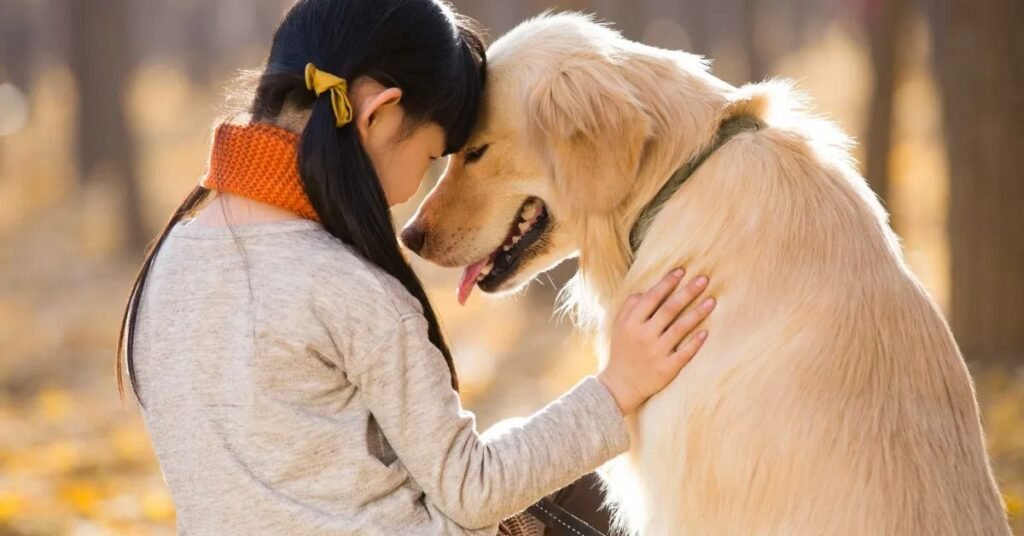
One key reason behind dog loyalty is oxytocin, often called the “love hormone.” When you pet your dog or make eye contact, both your brain and your dog’s brain release oxytocin. This chemical creates feelings of bonding, comfort, and trust similar to what happens between parents and children.
So, when your dog looks up at you lovingly, it’s not just emotion; it’s a biological connection that deepens every time you interact.
So, What Makes a Loyal Dog?
A loyal dog doesn’t just happen overnight. Loyalty comes from consistent care, trust, and emotional connection. While all dogs have the capacity for loyalty, some breeds are more inclined toward strong attachment than others.
Breeds like German Shepherds, Labrador Retrievers, and Golden Retrievers are famous for their loyalty. But what truly makes any dog loyal is the way you treat them. Dogs mirror your behavior. If you’re kind, calm, and consistent, your dog learns that you’re someone they can rely on.
A loyal dog usually shows certain behaviors:
- They follow you around the house because they feel safe near you.
- They wait for you by the door or get excited when they hear your voice.
- They protect you when they sense something unusual.
- They respond to your emotions and body language.
These are signs that your dog feels a deep sense of belonging and trust. Loyalty grows when your dog knows you’re their source of comfort, food, safety, and affection.
Different Kinds of Loyalty
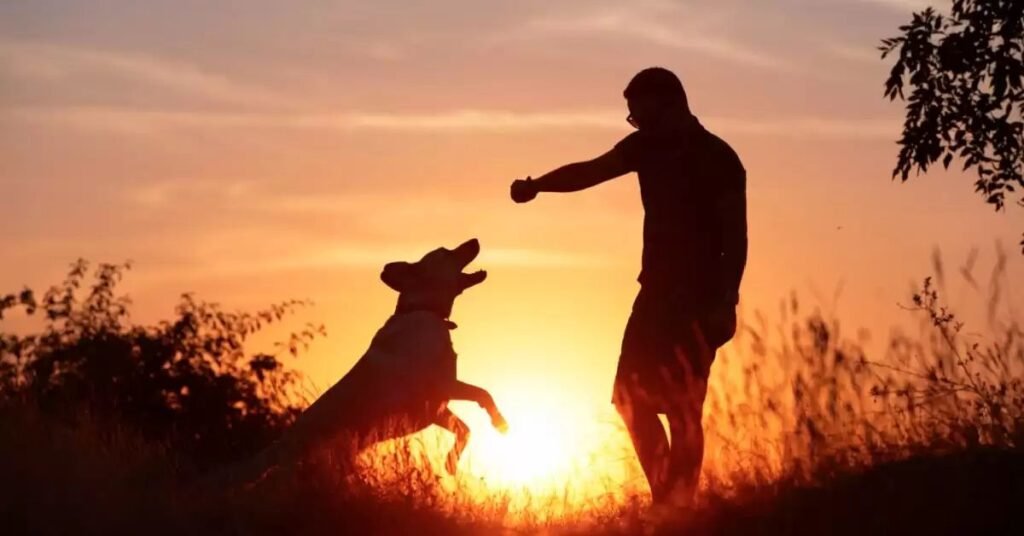
Not all loyalty looks the same. Some dogs show it through constant companionship, while others express it through protection or service.
Protective Loyalty
This type of loyalty shows up when dogs guard their owners or alert them to danger. It’s a mix of instinct and training. Breeds like Rottweilers or Dobermans often display this naturally.
Emotional Loyalty
Dogs also form emotional attachments. They comfort you when you’re sad and get excited when you’re happy. Their emotional awareness is one of the main reasons humans feel so bonded to them.
Service and Working Loyalty
Service dogs take loyalty to another level. They dedicate their lives to assisting humans guiding the visually impaired, detecting medical conditions, or providing emotional support. This deep sense of duty highlights how loyalty has evolved beyond companionship.
Routine-Based Loyalty
Dogs thrive on structure. When they know your routine, they link it to security. This is why they wait by the door at the same time every day or sit patiently for their walk. Routine strengthens their sense of connection.
The Evolutionary Basis for Dog Loyalty
To understand the roots of dog loyalty, we need to look at their ancestors wolves.
Thousands of years ago, some wolves started lingering near human camps. Humans offered leftover food; in return, wolves offered alertness and protection. Over generations, the friendlier wolves survived and reproduced. This mutual relationship became the foundation of domestication.
As dogs evolved, they became experts at reading human cues. They could interpret facial expressions, body language, and tone of voice better than almost any other animal. That social intelligence strengthened their ability to bond with us.
Researchers have found that dogs experience similar emotional responses to humans during social bonding. When dogs and owners interact positively, both experience higher oxytocin levels. This chemical reaction mirrors the bond between human parents and children.
In short, dogs evolved not just to live with humans but to love them. Loyalty became part of their genetic makeup a key survival skill.
How to Strengthen the Bond with Your Dog
Even though loyalty comes naturally to dogs, you can still deepen that bond with conscious effort. Building trust and connection isn’t about dominance; it’s about mutual respect and consistency.
Spend quality time every day
Play, train, or simply sit with your dog. They value your attention more than anything else. Regular interaction builds emotional closeness.
Use positive reinforcement
Reward good behavior with treats, praise, or affection. This makes your dog associate you with positive experiences, strengthening trust.
Be consistent
Dogs thrive on routine. Feed, walk, and play at regular times. This predictability reassures them that you’re dependable.
Communicate clearly
Dogs rely on body language. Maintain eye contact, use calm tones, and pay attention to their signals. When they feel understood, they bond deeper.
Provide physical and mental stimulation
Bored dogs can become anxious or destructive. Activities like puzzle toys, agility training, or scent games challenge their minds and reinforce teamwork.
Take care of their health
A healthy dog is a happy dog. Regular vet visits, balanced diets, and exercise show your dog you care about their well-being.
Show affection
A simple belly rub, a soft pat, or just sitting close to you makes your dog feel safe and valued. Physical touch is a key bonding tool.
Psychology Behind Dog Loyalty
From a psychological perspective, dog loyalty is rooted in attachment theory. Like human infants, dogs form secure attachments to their caregivers. When that bond is strong, they trust that their human will meet their emotional and physical needs.
Studies using fMRI scans have shown that dogs recognize their owner’s scent and voice as comforting signals. Their brains light up with pleasure when they see familiar faces. That’s why separation anxiety is common dogs truly miss their humans.
Understanding this psychology helps owners nurture loyalty through empathy, not control. The more emotionally safe your dog feels, the more loyal they become.
Dog Loyalty Facts
- Dogs have been living alongside humans for at least 15,000 years.
- A dog’s loyalty is linked to oxytocin, the hormone that promotes bonding.
- Dogs can read human facial expressions and respond to emotions.
- Loyalty is both instinctual and learned through consistent care.
- Some breeds, like Akitas and Collies, are naturally more devoted.
Practical Takeaways
- Loyalty is earned through love, trust, and consistency.
- Dogs mirror your emotions a calm, kind owner creates a loyal companion.
- Daily interaction strengthens emotional connection.
- Never punish harshly it damages trust and weakens loyalty.
- Loyalty isn’t obedience; it’s a relationship based on respect and affection.
FAQs
Why do dogs stay loyal even when mistreated?
Dogs naturally form strong bonds, even when treated poorly. But mistreatment causes fear, so always use kindness and positive reinforcement.
Do dogs love their owners more than other humans?
Dogs recognize their owners’ scent, voice, and behavior. They associate their primary caregiver with safety and affection, which often results in stronger love compared to others.
Can a dog be loyal to more than one person?
Yes, dogs can bond with multiple people, especially if each person spends time caring, feeding, or playing with them. However, they usually form a primary attachment to one individual.
Why do dogs wait by the door for their owners?
Dogs rely on routines and scent cues. Waiting by the door is a sign of anticipation and attachment it means they’re excited and emotionally connected to you.
What’s the most loyal dog breed?
While every dog is different, breeds like Akitas, German Shepherds, and Labrador Retrievers are commonly praised for their deep loyalty and devotion.
Conclusion
Dogs are loyal not because they have to be, but because they want to be. Centuries of companionship have shaped them into our most faithful friends. Their loyalty comes from a mix of biology, psychology, and emotional intelligence and it continues to evolve through love and trust.
When you care for your dog, you’re not just feeding or walking them. You’re nurturing a bond that has been growing for thousands of years. That’s why, no matter what happens, your dog will always see you as their favorite person in the world.
