Dogs that look like bears captivate hearts worldwide. Combining the playful familiarity of dogs with the plush charm of bears, these bear-looking dogs instantly draw attention online and in real life. From fluffy Chow Chows to miniature Teddy Bear dogs like Goldendoodles and Shih-Tzu mixes, their round faces, thick coats, and adorable expressions make them irresistible.
Whether you’re scrolling through social media or visiting a dog park, these dogs spark curiosity: “Is that a bear or a dog?” This article explores everything about dogs that look like bears from their breeds and puppy features to grooming, care, and why they dominate viral trends. By the end, you’ll understand both the charm and the reality of these fascinating pets.
Why Dogs That Look Like Bears Fascinate Everyone
Dogs that look like bears instantly capture human attention because they combine two powerful emotional triggers: the familiarity of dogs and the wild charm of bears. From social media feeds to viral videos, dogs that look like bears consistently outperform other pet content in engagement, shares, and saves. Their rounded faces, fluffy coats, and teddy-like posture trigger a strong nurturing response, making people stop scrolling almost instinctively.
This fascination is not accidental. It is rooted in psychology, visual perception, and modern internet culture, where appearance plays a central role in what becomes viral.
Why dogs that look like bears go viral online
The internet thrives on content that is visually surprising yet emotionally safe. Bear-looking dogs fit this formula perfectly.
Key reasons they go viral include:
- Instant visual confusion: Viewers pause to ask, “Is that a bear or a dog?”
- High shareability: Content featuring bear-looking dogs sparks conversation and curiosity.
- Algorithm-friendly engagement: Longer watch times and repeated views boost visibility.
- Universal appeal: No language barrier cute visuals work globally.
Platforms like Instagram, TikTok, and Reddit amplify this effect, especially when captions tease uncertainty. This is why puppies that look like bears often trend faster than ordinary dog videos.
The appeal of fluffy puppies mistaken for bear cubs
Fluffy puppies are especially powerful in triggering emotional engagement. Their proportions—short legs, oversized paws, and rounded heads—closely resemble bear cubs during early development stages.
This appeal is driven by:
- Baby schema effect: Humans are biologically drawn to round faces and large eyes.
- Soft textures: Thick coats resemble plush toys, enhancing the “teddy bear dogs” image.
- Innocent behaviour: Clumsy movements mirror young wild animals.
As a result, fluffy dogs that look like bears often become viral sensations, with people genuinely mistaking them for baby bears—especially in snowy or outdoor environments.
Quick Insight for Readers:
Most dogs lose some of their bear-like appearance as they mature, which is why puppy photos dominate viral posts.
Are Dogs That Look Like Bears Actually Related to Real Bears?
At first glance, dogs that look like bears can easily fool the eye, leading many people to wonder whether there is a real biological connection between the two. While dogs and bears are not closely related, they do share distant evolutionary roots that explain some of the physical similarities seen in bear-looking dogs today.
Understanding this distinction helps clarify why certain dog breeds resemble bears in appearance but remain entirely canine in behavior and genetics.
Evolutionary connection within the Carnivora family
Both dogs and bears belong to the mammalian order Carnivora, a group that includes animals with meat-eating ancestors such as wolves, foxes, seals, and big cats. This shared classification explains why dogs that resemble bears can have overlapping traits like strong jaws, thick fur, and sturdy skeletal structures.
However, their evolutionary paths split millions of years ago:
- Dogs evolved from wolf-like ancestors (Canidae family)
- Bears evolved into a separate family known as Ursidae
Because of this divergence, the similarities seen in bear-looking dogs are visual rather than genetic.
Why dogs resemble bears despite being different species
The resemblance between dogs and bears is largely the result of selective breeding and physical traits, not shared lineage.
Key factors include:
- Dense double coats that mimic bear fur
- Broad heads and short snouts in certain breeds
- Compact or heavy body structure, especially in fluffy puppies
- Rounded ears and facial symmetry that resemble bear cub features
Many dog breeds that look like bears were intentionally bred for thick coats to survive cold climates, which also contributes to their bear-like appearance. This is why fluffy dogs that look like bears are often mistaken for wild animals, especially when photographed without scale or context.
Did You Know?
Some bear-looking dogs are mistaken for real bears so often that animal control has been called on them in public parks.
What Is a Teddy Bear Dog? Meaning, Traits, and Appearance
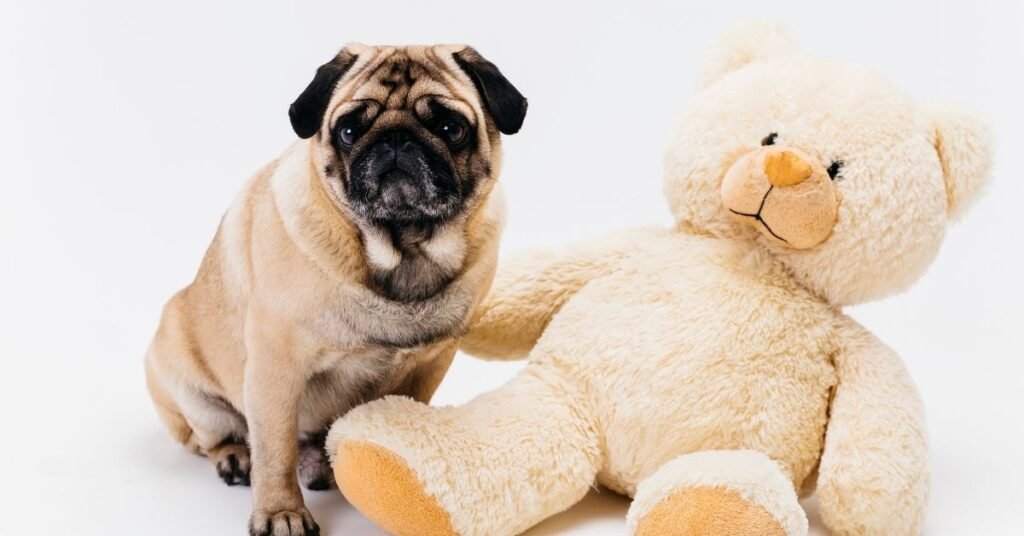
The term teddy bear dog is commonly used to describe dogs with a soft, plush-like appearance that resembles a stuffed toy or small bear. While many people assume it refers to a specific breed, the term actually describes a look and aesthetic, not a recognized canine classification.
Teddy bear dogs are a major reason why dogs that look like bears have become so popular both online and in real life.
What people mean by “teddy bear dogs”
When people talk about teddy bear dogs, they are usually referring to dogs that share certain visual traits:
- Round, expressive eyes
- Short or moderately short snouts
- Fluffy or curly coats
- Compact, cuddly body proportions
These features trigger a strong emotional response, making many dogs that resemble bears appear calm, gentle, and toy-like—even if their personality is energetic or playful.
Why teddy bear dogs are about looks, not breed
There is no officially recognized breed called a teddy bear dog. Instead, the label is applied to multiple dog breeds and mixed breeds that fit the teddy bear appearance.
This includes:
- Purebred dogs with naturally fluffy coats
- Designer crossbreeds such as Goldendoodles
- Small companion dogs bred for round facial features
Because the term is appearance-based, many different dog breeds that look like bears can be described as teddy bear dogs at different life stages.
Common features shared by dogs that look like bears
Despite their genetic diversity, most bear-looking dogs share a common set of physical characteristics:
- Thick or plush fur that enhances roundness
- Stocky or compact builds
- Rounded ears set wide on the head
- Soft facial expressions resembling bear cubs
These shared traits explain why dogs that resemble bears are often mistaken for wild animals, particularly during puppyhood or when photographed in winter environments.
Reader Tip:
A teddy bear look often changes with age, grooming style, and seasonal coat growth.
Why Puppies Often Look Like Baby Bears
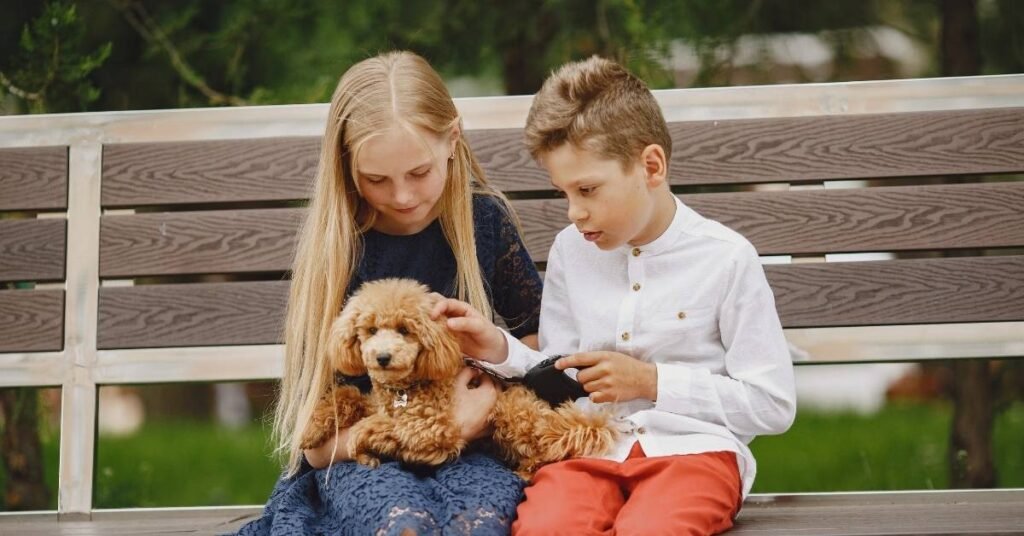
One of the main reasons dogs that look like bears dominate the internet is because puppies naturally resemble baby animals during early development. Their body structure, fur texture, and facial proportions closely mirror those of bear cubs, especially in certain breeds.
This resemblance is strongest during the first few months of life and gradually fades as the dog matures.
Puppy fur, body proportions, and round faces
Puppies are born with physical traits designed to signal youth and vulnerability. These traits happen to align closely with the features of bear cubs.
Key similarities include:
- Extra-soft, dense fur that creates a plush appearance
- Large heads relative to body size
- Short legs and oversized paws
- Rounded cheeks and button noses
These features make puppies that look like bears especially convincing, particularly when photographed without size references.
Why young dogs that look like bears change with age
As puppies grow, their bodies elongate and their facial features sharpen. This developmental change explains why many bear-looking dogs lose their teddy bear appearance over time.
Common changes include:
- Thinning or smoothing of the coat
- Longer snouts and leaner faces
- Increased height and muscle definition
While some fluffy dogs that look like bears retain their appearance into adulthood, most experience a noticeable transformation after their first year.
Seasonal coats and winter “bear cub” appearances
Cold weather plays a significant role in enhancing the bear-like look. Many dog breeds grow thicker coats during winter, temporarily restoring their bear cub resemblance.
Winter effects include:
- Expanded fur volume around the neck and chest
- Puffier facial outlines
- Increased resemblance to polar bear-looking dogs in white-coated breeds
This is why puppies photographed in snow or cold climates are often mistaken for real bear cubs.
Quick Fact:
A winter coat can make the same dog look twice as fluffy compared to summer grooming.
Dog Breeds That Look Like Bears the Most
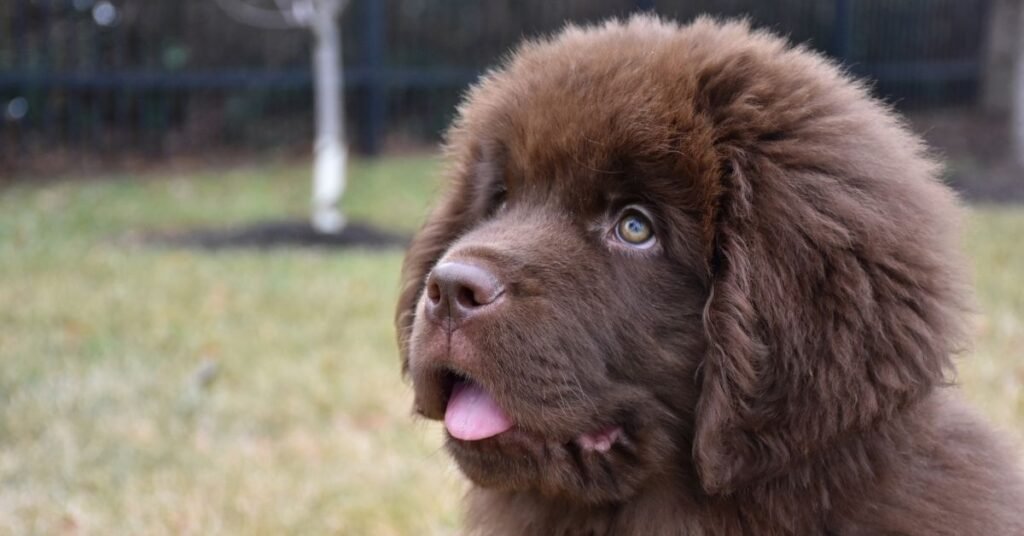
Certain dog breeds are naturally more likely to resemble bears due to their genetics, coat type, and facial structure. These dog breeds that look like bears consistently appear in viral content and are often mistaken for wild animals, especially during puppyhood.
Below are the breeds most commonly associated with the bear-like appearance.
Chow Chow – The Most Famous Bear-Looking Dog
The Chow Chow is widely considered the ultimate example of a bear-looking dog. With its dense mane, stocky body, and lion-like posture, it strongly resembles a small bear—especially as a puppy.
Why Chow Chows look like teddy bears
Chow Chows possess several defining traits that create a teddy bear effect:
- Extremely thick double coat
- Broad skull and short muzzle
- Deep-set eyes and rounded ears
- Upright, compact stance
These features make Chow Chows one of the most recognizable dogs that resemble bears, both online and in real life.
Long-coat vs short-coat Chow Chow appearance
Chow Chows come in two coat varieties:
| Coat Type | Bear-Like Appearance |
| Long-coat | Strong teddy bear resemblance |
| Short-coat | Less fluffy but still bear-like |
The long-coat variety is most often featured in viral bear-dog images.
Spitz-Type Dogs That Look Like Bears
Spitz breeds are known for their fluffy coats, fox-like faces, and cold-weather adaptability. Many spitz-type dogs strongly resemble small bears.
Pomeranians and German Spitz
Despite their small size, Pomeranians and German Spitz dogs often look like miniature teddy bears due to:
- Thick fur around the neck and chest
- Rounded facial features
- Compact bodies
American Eskimo and Keeshond mixes
These breeds and mixes enhance the bear-like appearance through:
- Dense white or gray coats
- Expressive eyes
- Heavy fur volume during winter
This makes them popular examples of fluffy dogs that look like bears.
Why spitz breeds resemble small bears
Spitz dogs were bred for cold climates, which explains their thick fur and compact build—traits also seen in bear cubs.
Large Dogs That Look Like Bear Cubs
Some large breeds resemble bear cubs due to their size, fur density, and bone structure.
Caucasian Shepherd dogs
- Massive frame
- Extremely thick coat
- Strong bear-like silhouette
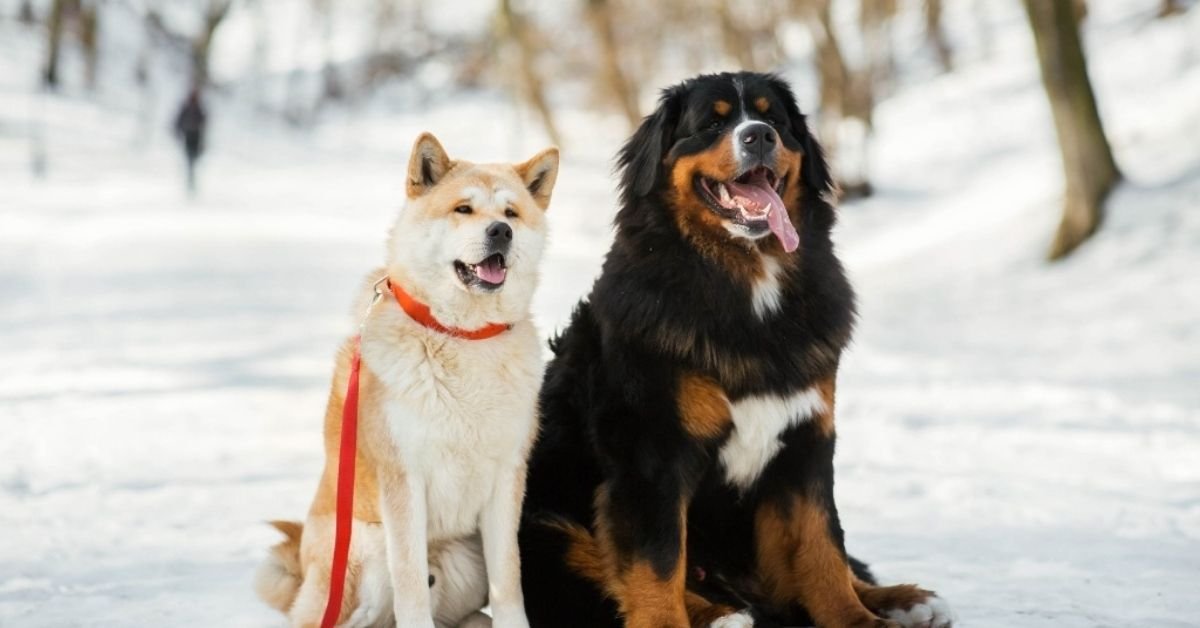
Akita and Akita-Samoyed mixes
These dogs combine:
- Broad heads
- Powerful builds
- Plush coats
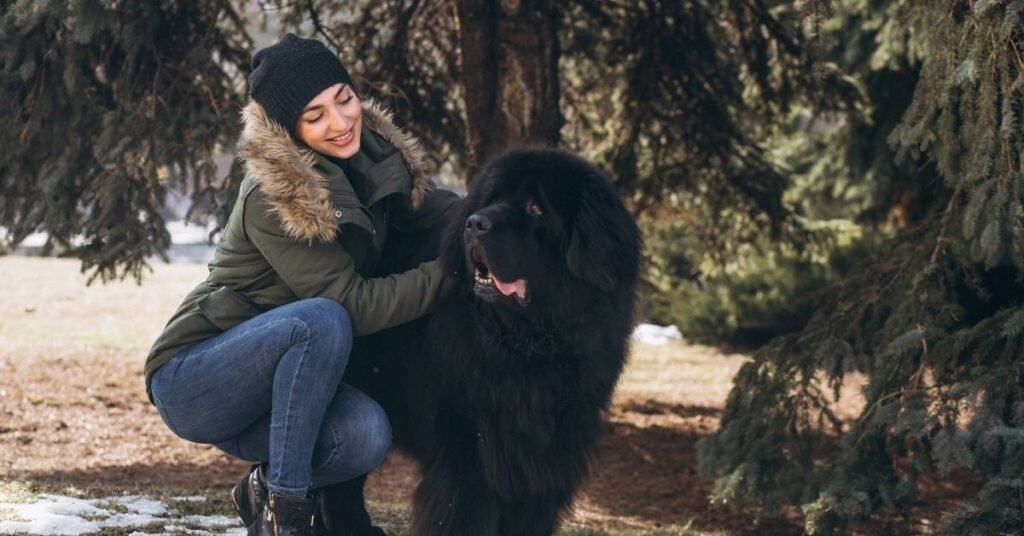
Malamutes and Newfoundlands
These breeds often resemble bear cubs when young due to:
- Heavy fur
- Large paws
- Calm demeanor
Small Teddy Bear–Looking Dog Breeds
Not all bear-looking dogs are large. Many smaller breeds are famous for their teddy bear appearance.
Goldendoodles and Labradoodles
- Curly coats
- Rounded faces
- Plush toy-like texture
Shih-Tzu mixes (Shi-Chi, Care-Tzu)
These mixes are often labeled as teddy bear dogs because of their compact size and soft features.
Bichon and Maltese teddy bear dogs
- Bright eyes
- Cotton-like fur
- Consistent teddy bear appearance with grooming
Reader Insight:
Grooming style plays a major role in how bear-like a dog appears—especially for small breeds.
Puppies That Look Like Polar Bears or Panda Bears
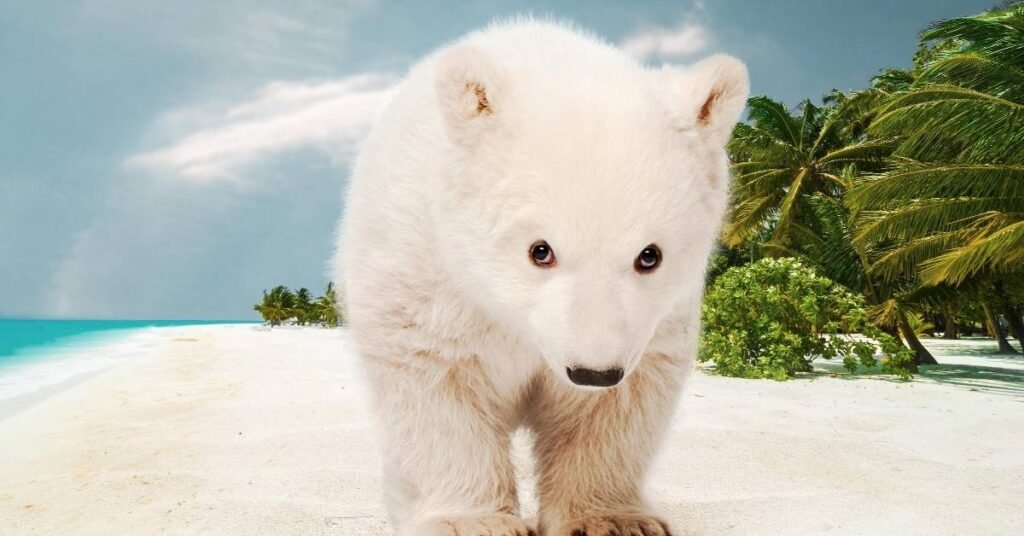
Some puppies resemble wild bears so closely that they can be mistaken for polar bears or panda bears. These visual similarities are often enhanced by coat color, body shape, and even photography techniques. Understanding why some dogs look like these iconic animals can explain their viral appeal.
White dogs that look like polar bears
Many white-coated breeds, especially when young, strongly resemble polar bears. Common examples include:
- Samoyeds
- Maltese puppies
- White Goldendoodles
Key features that contribute to the polar bear appearance:
- Thick, fluffy white fur
- Rounded faces with soft expressions
- Compact, playful build
When photographed in snow, these puppies often create confusion even among experienced viewers.
Black-and-white puppies mistaken for panda bears
Certain black-and-white patterned puppies mimic panda bears in appearance. Popular examples include:
- Bernese Mountain Dog puppies
- Mixed breed puppies with black-and-white markings
- Shih-Tzu or Bichon mixes with panda-like patterns
These dogs often capture attention online due to their striking contrast and resemblance to panda cubs.
How lighting and photography affect appearance
The way puppies are photographed can exaggerate their bear-like look:
- Snowy or bright backgrounds make white dogs appear larger and fluffier
- Shadowing and contrast enhance black-and-white markings for panda-like effects
- Close-up shots emphasize round facial features, increasing teddy bear resemblance
Correctly staged photos can make even ordinary dogs look like wild bear cubs, which explains why these images perform so well on social media.
Fun Fact:
Many breeders and pet owners intentionally style puppies with fluffy grooming techniques to enhance the polar bear or panda bear look.
Famous Dogs That Look Like Bears on the Internet
The internet has transformed the way we perceive dogs, especially those that resemble bears. Many bear-looking dogs have achieved viral fame, appearing in videos, memes, and social media posts worldwide. These famous pups not only showcase the charm of teddy bear dogs but also highlight why people are fascinated with dogs that look like bears.
Viral bear-looking dogs that fooled people
Some dogs have gained worldwide attention because they are so convincingly bear-like that viewers initially question their species. Examples include:
- Wally the Bear Dog – A fluffy Chow Chow mix that looks like a walking teddy bear.
- Mufasa the Teddy Bear Dog – Known for its plush, snow-white coat and rounded face.
- Pinocchio the Goldendoodle – Became a social media sensation due to its panda bear-like markings.
These dogs are featured in viral videos, Instagram reels, and TikTok clips, attracting millions of views and shares.
Real dogs mistaken for bears in public places
In addition to online fame, many bear-looking dogs have caused real-world confusion:
- Dogs mistaken for bear cubs in parks or doggy daycares
- Puppy sightings that prompt calls to animal control
- Tourists photographing white puppies thinking they are polar bears
These scenarios show just how lifelike some fluffy dogs that look like bears can appear.
Why social media loves dogs that resemble bears
The popularity of bear-looking dogs online is driven by several psychological and social factors:
- Cute factor – Large eyes, rounded faces, and plush fur trigger emotional responses.
- Curiosity – People pause and engage when unsure if they’re seeing a bear or a dog.
- Shareability – Images and videos of bear-like dogs are widely reposted for their visual appeal.
- Trend culture – Viral dog breeds like Chow Chows, Goldendoodles, and Spitz mixes dominate hashtags and reels.
This combination of factors ensures that dogs that look like bears continue to captivate audiences around the globe.
Reader Tip:
Following viral bear-looking dogs on social media can help new owners understand what breeds and grooming styles enhance the teddy bear effect.
Puppy or Bear Cub? Why People Get Confused
It’s common for people to mistake certain dogs for bear cubs, especially when they are puppies. The combination of size, fur, and facial features creates a natural illusion that tricks even experienced dog lovers. Understanding the reasons behind this confusion helps explain the popularity of dogs that look like bears online and in real life.
Visual perception and scale confusion
Humans rely on visual cues to determine size and species. In photographs or videos:
- Close-up shots exaggerate head size, making puppies appear bear-like.
- Snowy or outdoor backgrounds can make white puppies resemble polar bear cubs.
- Fluffy fur adds bulk, which can confuse perception of actual body size.
This explains why many viral posts of teddy bear dogs mislead viewers into thinking they are miniature bears.
Why fluffy dogs look like bears in photos
Fluffy dogs exaggerate the visual cues we associate with bears:
- Thick, rounded coats mimic the dense fur of bear cubs.
- Rounded facial features and button noses enhance the teddy bear effect.
- Certain poses—sitting upright or curling up—strengthen the resemblance to wild cubs.
Even small breeds like Pomeranians or Shih-Tzu mixes can look convincingly bear-like in carefully staged photos.
The psychology behind “bear or dog” moments
The confusion goes beyond appearance. Our brains respond to cuteness and novelty:
- Baby schema effect: Round faces and large eyes trigger a nurturing response.
- Pattern recognition: Humans are drawn to familiar shapes, so we relate the puppy’s round features to a bear cub.
- Curiosity and surprise: Initial uncertainty encourages engagement, like sharing or commenting on posts.
These factors explain why dogs that look like bears dominate social media feeds and capture public attention repeatedly.
Fun Fact:
Some owners intentionally photograph their puppies in winter landscapes or with plush toys to enhance the bear-like illusion for social media.
Do Dogs That Look Like Bears Act Like Bears?
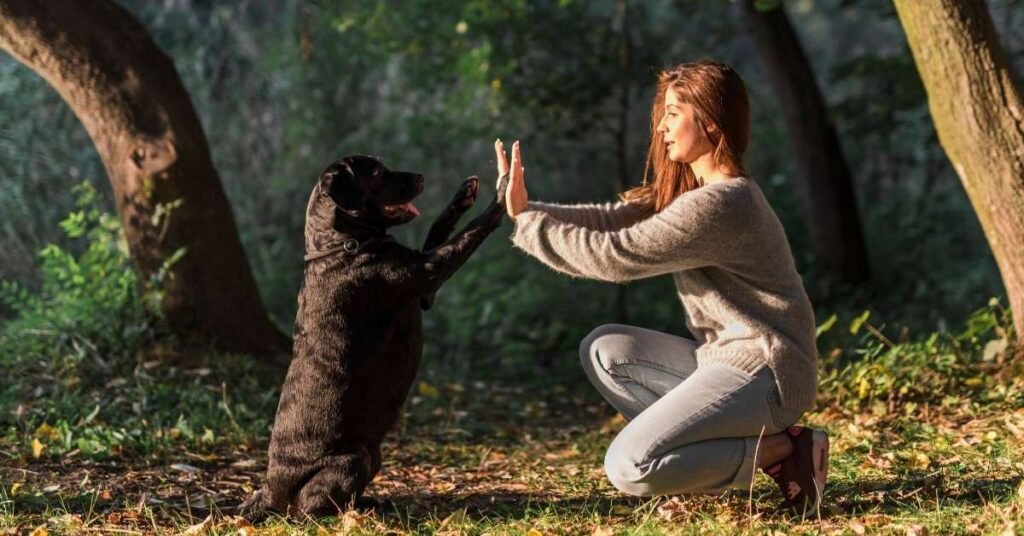
While dogs that look like bears may resemble wild animals in appearance, their behavior is distinctly canine. Understanding the difference between appearance and temperament is important for potential owners and enthusiasts.
Temperament vs appearance
| Aspect | Description |
| Playfulness & Energy | Bear-looking dogs exhibit typical puppy energy and playful behavior. |
| Loyalty & Sociability | They are affectionate and enjoy interacting with humans. |
| Trainability | Obedience and learning ability depend on breed and individual personality. |
| Appearance vs Reality | Despite thick fur and stocky build, these dogs are fully domestic and do not exhibit wild bear behavior. |
Are teddy bear dogs calm or playful?
Many teddy bear dogs, including Goldendoodles, Shih-Tzu mixes, and Chow Chows, have temperaments that can vary:
- Calm breeds: Shih-Tzu and Bichon mixes are generally gentle and affectionate.
- Playful breeds: Goldendoodles and Malamutes retain high energy and require mental stimulation.
- Adaptable breeds: Chow Chows can be independent yet loving with proper socialization.
Behavior often contrasts with appearance; a fluffy dog that looks like a bear may be highly energetic and active.
Common myths about bear-looking dogs
Some myths persist about dogs that resemble bears:
- Myth: All bear-looking dogs are aggressive – False. Temperament varies by breed.
- Myth: They are wild animals – False. Despite appearances, they are fully domestic.
- Myth: Appearance predicts behavior – False. Coat thickness or size does not dictate personality.
Understanding these myths ensures owners have realistic expectations and proper care for bear-like dogs.
Reader Tip:
Always research a breed’s temperament before choosing a bear-looking dog—appearance alone is never a reliable guide.
Also Read: Why Do Dogs Have Bad Breath? Causes, Solutions & Prevention Tips
Grooming and Care for Dogs That Look Like Bears
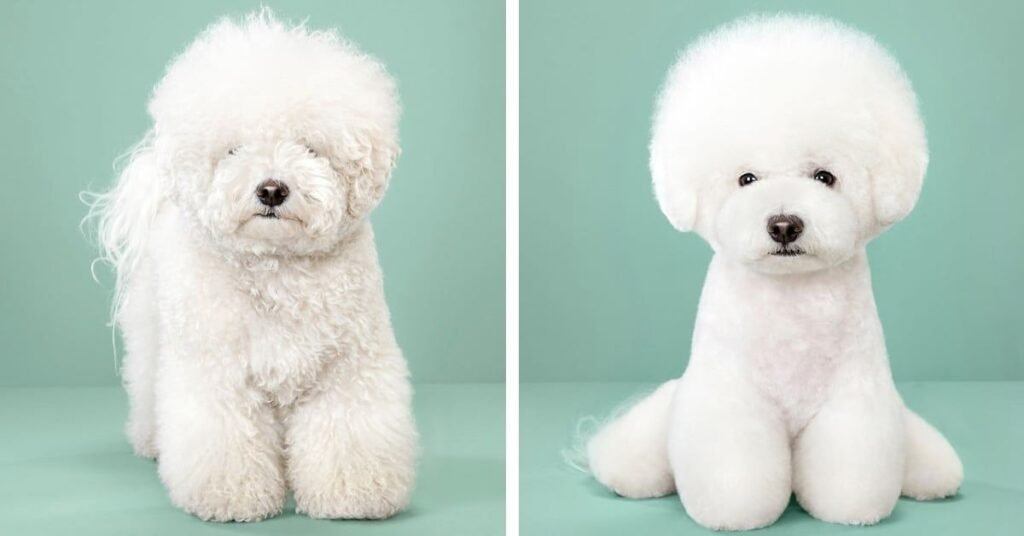
Maintaining the appearance and health of dogs that look like bears requires proper grooming and care. Their thick, fluffy coats not only contribute to their teddy bear-like charm but also demand regular maintenance to prevent matting, discomfort, and skin issues.
Coat care for fluffy bear-like dogs
Proper coat care is essential for keeping teddy bear dogs looking their best:
- Daily brushing prevents tangles and reduces shedding.
- Regular baths using gentle dog shampoo maintain fur softness without stripping natural oils.
- Trimming around the eyes and paws enhances comfort and the overall bear-like appearance.
High-maintenance breeds like Chow Chows or Spitz mixes may require professional grooming for optimal results.
Shedding and seasonal grooming tips
Bear-looking dogs often experience seasonal changes in their coat:
- Winter: Coats become denser, increasing the bear-like fluffiness.
- Spring/Summer: Shedding is heavier; more frequent brushing is necessary.
- Tip: Using a de-shedding tool or comb designed for thick coats helps manage loose hair and keeps the dog comfortable.
Proper seasonal grooming ensures puppies that look like bears maintain their appearance without causing skin irritation.
Keeping teddy bear dogs healthy and comfortable
Beyond coat care, overall health is vital:
- Diet: High-quality food supports a healthy coat and skin.
- Exercise: Regular walks and play prevent obesity, especially in compact, fluffy breeds.
- Dental care: Brushing teeth and providing chew toys maintains oral health.
- Routine vet visits: Essential for vaccinations, parasite control, and early detection of breed-specific health issues.
A well-maintained teddy bear dog not only looks adorable but also enjoys a happier and healthier life.
Quick Tip:
Using grooming sessions as bonding time strengthens your relationship while keeping your dog looking like a miniature bear cub.
Should You Choose a Dog Just Because It Looks Like a Bear?
While the teddy bear or bear-like appearance of certain dogs is undeniably charming, choosing a dog solely based on looks can lead to mismatched expectations. Understanding the practical considerations behind owning dogs that look like bears ensures a happy home for both pet and owner.
Lifestyle considerations before choosing a bear-looking dog
Before bringing a bear-looking dog home, consider:
- Space requirements: Large breeds like Chow Chows or Malamutes need room to move comfortably.
- Time commitment: High-maintenance coats require regular grooming.
- Family compatibility: Some breeds are better suited for children and other pets, while others may be more reserved.
Matching the dog’s needs with your lifestyle ensures both safety and long-term happiness.
Exercise, space, and training needs
Bear-looking dogs vary in energy levels:
- Active breeds (e.g., Spitz mixes, Goldendoodles) require daily walks and mental stimulation.
- Larger breeds need outdoor space for play and exercise.
- Training: Early socialization and obedience training prevent behavioral issues and foster a well-mannered companion.
Proper exercise and training help maintain both the dog’s health and the playful teddy bear demeanor.
Health issues common in fluffy dog breeds
Many bear-looking dogs are prone to specific health concerns due to their coats or body structure:
- Overheating in thick-coated breeds during summer
- Joint issues in larger, heavy-bodied breeds
- Skin infections if fur is not properly maintained
- Dental problems in small companion breeds
Regular vet care, appropriate diet, and preventive grooming reduce risks and promote a long, healthy life.
Reader Tip:
A dog’s appearance is only one factor—personality, health, and lifestyle compatibility are just as important when choosing your bear-looking companion.
Conclusion
https://www.akc.org/most-popular-breeds/Dogs that look like bears combine charm, cuteness, and companionship in a way few pets can match. From viral teddy bear dogs to majestic Chow Chows and playful Goldendoodles, their popularity Dog is fueled by both appearance and personality.
While their plush, bear-like looks are undeniably engaging, choosing a dog should also consider temperament, health, grooming needs, and lifestyle compatibility. By understanding both the visual appeal and practical care, owners can enjoy a lifelong relationship with a dog that’s as loving as it is adorable.
Whether for social media fame or a family companion, dogs that look like bears offer endless joy, fluffy cuddles, and the kind of charm that never goes out of style.
FAQs
Q1: Are teddy bear dogs a real breed?
No. “Teddy bear dog” refers to a visual appearance rather than a recognized breed. Multiple breeds and mixes—like Goldendoodles, Shih-Tzus, and Chow Chows—can fit this adorable category.
Q2: What dog looks most like a real bear?
Chow Chows, Caucasian Shepherds, Akitas, and Samoyeds are often mistaken for bear cubs due to their thick fur, rounded faces, and stocky builds.
Q3: Do puppies that look like bears stay fluffy forever?
Not always. Puppies often lose some of their teddy bear appearance as they grow; fur thins, faces elongate, and proportions change.
Q4: Are bear-looking dogs good family pets?
Yes. Many are excellent companions, especially Goldendoodles, Labradoodles, and small teddy bear mixes. Consider breed temperament, size, and energy level when choosing.
Q5: How should I groom a dog that looks like a bear?
Daily brushing, regular baths, seasonal grooming, and professional trims (for thick-coated breeds) keep their fur soft, fluffy, and healthy.
Q6: Do bear-looking dogs behave like bears?
No. Their appearance does not reflect behavior. These dogs are playful, loyal, and fully domesticated.
Q7: Why do bear-looking dogs go viral online?
Their round faces, fluffy coats, and resemblance to wild cubs trigger emotional responses, curiosity, and shareability—perfect for social media content.
Q8: Can small dogs also look like bears?
Absolutely. Small breeds like Pomeranians, Shih-Tzus, and Bichons can have a strong teddy bear-like appearance, especially with proper grooming.
