

Many pet owners ask, “Can dogs have marshmallows?”
I will give you a direct answer: Marshmallows are not safe for dogs, and sugar-free versions can become a veterinary emergency.
In this guide, I will analyze the ingredients in marshmallows, explain the toxicity of dog marshmallows, simulate blood sugar spikes, and share a real clinical case to show you what can happen.
Are Marshmallows Safe for Dogs?

No, marshmallows are not safe for dogs.
Regular marshmallows contain:
- Sugar
- Corn syrup
- Gelatin
- Tetrasodium pyrophosphate
- Artificial flavors and dyes
While gelatin itself does not harm dogs, high sugar levels create serious problems. Sugar-free marshmallows pose even greater risks because they may contain Xylitol, which can trigger life-threatening toxicity.
The Toxic Ingredient Audit (Unique Methodology)
categorized marshmallows by ingredient profile and assigned a danger scale.
Ingredient Risk Breakdown
| Ingredient | Found In | Risk Level | Why It Matters |
| Sugar | Regular marshmallows | Moderate | Causes obesity and insulin spikes |
| Corn syrup | Regular marshmallows | Moderate | Triggers rapid blood glucose elevation |
| Xylitol | Sugar-free varieties | Extreme | Causes hypoglycemia and liver failure |
| Artificial dyes | Some brands | Low–Moderate | May trigger digestive upset |
The Xylitol Danger Scale
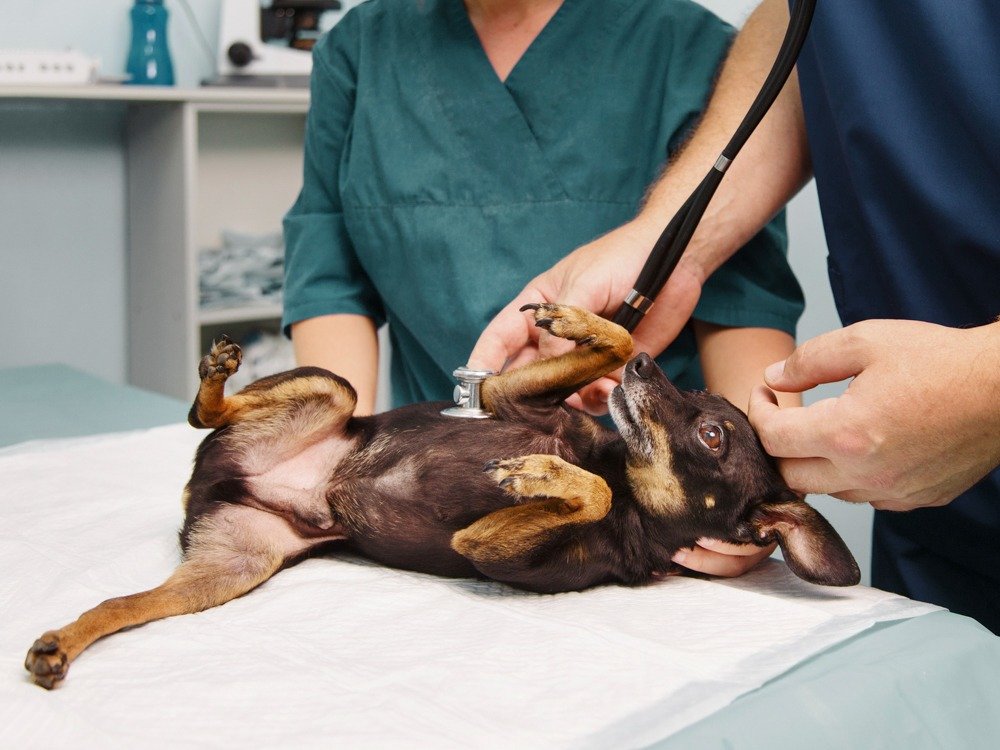
Xylitol poisoning in dogs can develop quickly.
When a dog consumes xylitol:
- The pancreas releases massive amounts of insulin.
- Blood sugar crashes.
- The dog develops Hypoglycemia.
- Severe cases progress to liver failure.
- The situation becomes a veterinary emergency.
Even a small amount of sugar-free marshmallow can harm a 20-lb dog within 30–60 minutes.
Blood Sugar Spike Simulation: What Happens Inside Your Dog
Marshmallow vs. Your Dog’s Body

Marshmallows contain simple sugars. Your dog’s pancreas reacts aggressively to them.
Insulin Crash Timeline (20-lb Dog Example)
| Time After Eating | What Happens |
| 0–30 minutes | Rapid glucose spike |
| 30–90 minutes | Strong insulin release |
| 1–2 hours | Blood sugar drops |
| 2–4 hours | Lethargy, weakness |
| 6+ hours | Risk of vomiting or tremors (if a large amount) |
Dogs experience faster metabolic swings than humans. That swing explains why your dog might appear tired or shaky two hours after eating a marshmallow.
Repeated sugar exposure can contribute to:
- Obesity
- Pancreatitis
- Long-term canine digestive issues from sugar
Case Study: The “Holiday Vet Visit”
Let me walk you through a real anonymized case.
The Situation
A 35-lb mixed-breed consumed an entire 10-oz bag of regular marshmallows at a holiday party.
Clinical Signs
- Vomiting
- Diarrhea
- Abdominal pain
- Lethargy
The veterinarian suspected early pancreatitis.
Diagnostic Steps
| Step | Purpose |
| Physical exam | Assess hydration and abdominal pain |
| Blood work | Check glucose and pancreatic enzymes |
| IV fluids | Prevent dehydration |
| Anti-nausea medication | Control vomiting |
Cost Breakdown
| Service | Estimated Cost |
| Emergency exam | $120–$200 |
| Blood panel | $150–$300 |
| IV therapy | $200–$500 |
| Medications | $50–$150 |
| Total | $520–$1,150 |
Recovery Timeline
- 24 hours: Stabilization
- 2–3 days: Appetite returns
- 1 week: Full recovery with a bland diet
Sugar-free ingestion would have required more aggressive treatment, including glucose monitoring and possible hospitalization for liver support.
My Dog Ate One Marshmallow — What Should I Do?
If your dog ate one regular marshmallow:
- Monitor for vomiting or diarrhea.
- Offer fresh water.
- Watch behavior for 12–24 hours.
The dog ate sugar-free marshmallows:
- Call your veterinarian immediately.
- Do not wait for symptoms.
- Ask about emergency evaluation.
Suspect xylitol exposure; treat it as urgent.
Are Jet-Puffed Marshmallows Toxic to Dogs?
Most traditional versions of Jet-Puffed marshmallows contain sugar and corn syrup, not xylitol. They can still cause digestive upset and insulin spikes.
Always read the ingredient label carefully. Manufacturers sometimes change formulations.
Can Dogs Have Mini Marshmallows?
Mini marshmallows contain the same ingredients as regular ones. Size does not reduce risk. A smaller dog experiences a greater metabolic impact from even one piece.
Marshmallows vs. Rice Krispies Treats for Dogs
Rice Krispies treats add butter and cereal to the sugar base. That combination increases fat content and raises pancreatitis risk.
Neither option qualifies as safe.
Better Alternative: Homemade Dog-Safe Treats
You can protect your dog by choosing safer options.
Simple 3-Ingredient Frozen Bites
- Plain pumpkin puree
- Unsweetened peanut butter (xylitol-free)
- Plain Greek yogurt
Mix, freeze, and serve in small portions.
These ingredients provide fiber and protein without triggering insulin crashes.
Interactive Caloric Perspective
Here’s a practical comparison:
| Dog Weight | Daily Calories | 1 Mini Marshmallow (~5 cal) equals |
| 5 lb | 200 kcal | 2.5% of daily intake |
| 10 lb | 350 kcal | 1.4% |
| 20 lb | 700 kcal | 0.7% |
For a Chihuahua, even a few mini marshmallows represent a significant caloric load.
Why Dogs Crave Sweet Foods (But Shouldn’t Eat Them)

Dogs naturally show curiosity toward sweet-smelling foods. Marshmallows contain sugar and artificial flavors that attract a dog’s powerful sense of smell. However, attraction does not mean safety.
Unlike humans, dogs do not need added sugar in their diet. Commercial dog food already provides balanced carbohydrates for energy. When you add extra sugar through treats like marshmallows, you overload your dog’s metabolic system. The pancreas must work harder to regulate blood glucose levels, which increases long-term stress on the body.
Over time, repeated sugar exposure can:
- Increase fat storage
- Promote insulin resistance
- Trigger chronic inflammation
- Raise the risk of diabetes
Even if your dog seems fine after eating sweets once, repeated exposure creates cumulative damage. I always recommend treating sugary snacks as completely off-limits rather than “occasional indulgences.”
Hidden Places Xylitol Can Appear
Many owners check candy labels but forget that xylitol can be found in many unexpected products. Manufacturers use xylitol as a sugar substitute in:
- Sugar-free candies
- Protein bars
- Flavored peanut butter
- Baked goods
- Frosting and dessert toppings
Always read the full ingredient list carefully. Some brands label xylitol as “birch sugar,” which can mislead pet owners. If you cannot confirm the ingredient list, do not share the product with your dog.
When you act quickly after suspected xylitol ingestion, you dramatically improve survival outcomes. Immediate veterinary care saves lives.
How to Prevent Counter-Surfing Incidents
Prevention protects your dog better than emergency treatment. You can reduce risk by:
- Storing sweets in sealed containers
- Keeping countertops clear
- Using baby gates during gatherings
- Crate training during parties
- Informing guests not to feed table scraps
Holiday gatherings increase accidental ingestion cases every year. I encourage owners to plan before parties, especially when children handle sweets.
FAQs
Can dogs eat sugar-free marshmallows?
No. Sugar-free varieties may contain xylitol, which can cause hypoglycemia and liver failure.
What are the symptoms of pancreatitis in dogs?
Dogs show vomiting, abdominal pain, diarrhea, fever, and lethargy.
Can marshmallows cause canine digestive issues from sugar?
Yes. High sugar intake can trigger diarrhea, gas, and long-term weight gain.
How fast does xylitol poisoning in dogs happen?
Symptoms can appear within 30 minutes.
Can I give marshmallows as a rare treat?
I do not recommend it. Even occasional sugar spikes contribute to metabolic stress.
Conclusion:
Marshmallows provide zero nutritional benefit for dogs. Sugar harms long-term health, and sugar-free versions can cause life-threatening toxicity. If you want to protect your dog’s pancreas, liver, and overall well-being, skip marshmallows and choose species-appropriate treats instead.
If you are looking for a safer, bland snack that is gentle on the stomach, many owners wonder, Can Dogs Eat Rice? Check out our complete guide for dog owners to learn how to serve it correctly.
When in doubt, call your veterinarian. Acting quickly can save your dog’s life.
