


Can dogs get the flu from humans? Many pet owners worry about whether human flu viruses can infect their dogs, especially during flu season. While dogs can catch their own types of influenza, understanding how transmission works helps protect your pet. Dog flu—formally known as canine influenza—is a contagious respiratory infection that can affect dogs of every age, breed, and lifestyle. It’s caused by influenza viruses that are adapted to dogs and cause flu-like symptoms such as coughing, fever, nasal discharge, and fatigue.
Most dogs recover with proper care, but young puppies, senior dogs, and pets with weakened immune systems are more vulnerable to complications such as pneumonia.
Because these viruses are relatively new, many dogs lack natural immunity. This means the illness spreads easily, especially in locations where dogs spend time together—boarding facilities, shelters, grooming salons, dog parks, veterinary clinics, and training centres.
Understanding how dog flu works, recognizing early symptoms, knowing how it’s diagnosed, and applying effective prevention strategies can help keep your dog healthy and reduce the chance of community spread.
Can Dogs Get the Flu From Humans?

Yes — dogs can absolutely get the flu, and the condition is formally known as canine influenza. This illness is caused by specific influenza viruses that have adapted to infect dogs and spread efficiently among them. Just like humans, dogs can develop respiratory infections, coughs, fevers, and general fatigue when they contract the flu.
Below is a complete, search-engine–level breakdown, covering all angles of this topic.
Can Dogs Flu From Humans?

Dog flu spreads easily through respiratory droplets released when an infected dog coughs, sneezes, or barks. These droplets can travel through the air or land on surfaces, where the virus can survive for hours. Dogs can become infected by direct contact with a sick dog, by sharing food bowls, toys, or bedding, or by being in crowded environments like day care facilities, boarding kennels, or dog parks. Because the virus is highly contagious, even dogs that show no symptoms can still shed the virus and infect others.
Direct transmission
- Coughing
- Barking
- Sneezing
Indirect transmission
Contact with contaminated:
- Bowls
- Toys
- Bedding
- Grooming tools
- Leashes and collars
- Human hands and clothing
Environmental survival
- Up to 48 hours on surfaces
- Up to 24 hours on clothes
- Up to 12 hours on hands
This makes the virus highly contagious, especially in areas with many dogs.
Is Dog Flu Serious?

Dog flu is usually mild, but it can become serious in puppies, senior dogs, and those with weak immune systems. Complications can include pneumonia, dehydration, and severe breathing difficulties. High fever and persistent coughing require immediate veterinary care.:
- Pneumonia
- High fever
- Dehydration
- Trouble breathing
- Secondary bacterial infections
The fatality rate is low, but complications can be dangerous without treatment.
Do Dogs Have Immunity to the Flu?

Not naturally.
Most dogs have little to no natural immunity to canine influenza, making them susceptible if exposed. Vaccines can help reduce the risk and severity of infection but do not provide complete protection can dogs get the flu from humans. Even vaccinated dogs should be monitored and kept away from sick dogs.
- Have no pre-existing immunity
- Get infected if exposed
- Can easily spread it to others
Vaccines are available but not universally used.
Key Takeaways
- Dogs can get the flu — it’s a recognized viral dog illness.
- The condition is caused by H3N8 and H3N2 canine influenza viruses.
- It spreads through respiratory droplets and contaminated surfaces.
- Any dog can get it, especially in group environments.
- Most cases are mild, but complications can occur.
What Is Canine Influenza?

Dog flu is caused by canine influenza viruses—highly contagious respiratory viruses that infect dogs. There are two major strains responsible for almost all cases of dog flu worldwide. Below is a complete, fully detailed, search-engine–level explanation covering every known cause, source, and influencing factor behind canine influenza.
The Two Main Viruses That Cause Dog Flu
Dog flu is caused by two main virus strains: H3N8 and H3N2. H3N8 originated from horses, while H3N2 came from birds and became highly contagious among dogs. Both viruses attack the respiratory system, causing symptoms like coughing, sneezing, nasal discharge, and fever.
N8 Canine Influenza Virus
H3N8 canine influenza virus originated from horses and adapted to spread between dogs in the early 2000s. It mainly affects the respiratory system, causing coughing, sneezing, nasal discharge, and fever. Most cases are mild to moderate, but some dogs can develop complications.
- Originally a horse influenza virus
- Jumped from horses to dogs around 2004
- Mutated so it could infect and spread between dogs
- Now a fully canine-adapted virus
- Spread widely across the U.S. in early outbreaks
- Still circulates but is less common than H3N2 in recent years
N2 Canine Influenza Virus
H3N2 canine influenza virus originated from birds and later spread to dogs in Asia and the U.S. It is highly contagious and primarily affects the respiratory system, causing coughing, sneezing, nasal discharge, and fever. H3N2 is now the most common dog flu strain in many regions.
- Originated from an avian (bird) influenza virus
- First detected in South Korea and China in the mid-2000s
- Entered the U.S. in 2015 and caused major outbreaks
- Highly contagious
- Capable of infecting cats in rare cases
- The most common dog flu strain today
Both viruses attack a dog’s respiratory system, causing inflammation of the airway and leading to coughing, sneezing, nasal discharge, and fever.
How Dog Flu Is Diagnosed

The dog flu virus enters through the nose, mouth, or eyes and attaches to cells in the respiratory tract. This causes inflammation, leading to coughing, sneezing, fever, and nasal discharge. Severity depends on the dog’s age, health, and the virus strain.
After a dog is exposed to the flu virus, it enters through the:
- Nose
- Mouth
- Eyes
The virus then attaches to cells in the respiratory tract:
- Nasal passages
- Throat
- Trachea
- Bronchi
- Lungs (in severe cases)
The body responds with inflammation, which creates the symptoms associated with dog flu.
Treatment for Dog Flu

Dogs often catch the flu in places where many dogs gather, such as day care centres , kennels, grooming salons, shelters, and dog parks. The virus spreads through direct contact or shared items like bowls, toys, and bedding. Group environments are especially high-risk for outbreaks.
Dog flu thrives in environments where dogs are close together or share items. Common infection hotspots include:
High-Risk Places
- Dog daycare centers
- Boarding kennels
- Grooming salons
- Animal shelters
- Veterinary clinics
- Dog parks
- Training classes
- Pet stores
High-Risk Situations
- Dogs socializing with unfamiliar dogs
- Dogs sharing bowls or toys
- Dogs exposed to infected humans’ clothing or hands after handling sick animals
Because the virus spreads efficiently, a single infected dog can trigger a full outbreak.
How Flu Spreads Between Dogs

Dogs that spend time around other dogs, such as in daycare or boarding facilities, have a higher risk of catching the flu. Puppies, seniors, and dogs with weak immune systems are more vulnerable. Poor ventilation, stress, chronic illness, and recent travel also increase susceptibility.
Frequent contact with other dogs
Dogs that socialize, boarding, or attend daycare have the highest risk.
Lack of immunity
Most dogs have no natural immunity, allowing rapid spread.
Stress or weakened immune system
- Surgery recovery
- Chronic illness
- Age-related weakness (puppies and seniors)
Poor ventilation
Indoor spaces with little air circulation make it easier for the virus to linger.
Recently travelled dogs
Movement between cities, shelters, or countries can introduce new strains to a region.
Can Dog Flu Be Caused by Weather Changes or Cold Air?

No.Dog flu is caused by influenza viruses, not cold weather or temperature changes. However, cold, dry air can irritate a dog’s airways, and crowded indoor spaces in winter may increase exposure. Outbreaks are due to the virus itself, not the weather.
Cold weather does not cause dog flu. However:
- Cold, dry air can irritate a dog’s airway
- Indoor crowding in winter increases exposure
So outbreaks may appear seasonal, but the virus—not the weather—is the true cause.
Prevention & Vaccination
- Dog flu is caused by H3N8 and H3N2 canine influenza viruses.
- It spreads through respiratory droplets and contaminated surfaces.
- Dogs can catch the flu anywhere dogs gather.
- Dogs without immunity are highly susceptible.
- Even mild or asymptomatic dogs can still spread the virus.
Common Symptoms of Dog Flu
Dog flu symptoms can range from very mild to severe, depending on the dog’s health, age, and the strain of the virus (H3N8 or H3N2). Many symptoms mirror those of human flu or other canine respiratory diseases, which often makes dog flu difficult to distinguish without veterinary testing.
Below is the complete, comprehensive, search-engine–level list of all symptoms associated with canine influenza.
Most Common Symptoms of Dog Flu

Persistent Cough
A persistent cough is a common symptom of dog flu, which can be dry and hacking or moist with mucus. It often lasts 10–21 days, even with treatment. This symptom is usually one of the first signs that a dog is ill.
- The classic dog flu symptom
- Often described as:
- Dry, hacking, kennel-cough–like
- Moist and productive (mucus-producing)
- Dry, hacking, kennel-cough–like
- Can last 10–21 days, even with treatment
- One of the primary reasons owners notice something is wrong
Nasal Discharge
Nasal discharge is a common sign of dog flu and can be clear, thick, or yellowish. It results from viral irritation and sometimes secondary infections. Dogs may frequently lick their nose or have dried crusts around the nostrils.
- Clear, thick, or yellowish mucus
- Caused by viral irritation and secondary bacterial infections
- Dogs may lick their nose frequently or have dried crust on nostrils
Eye Discharge
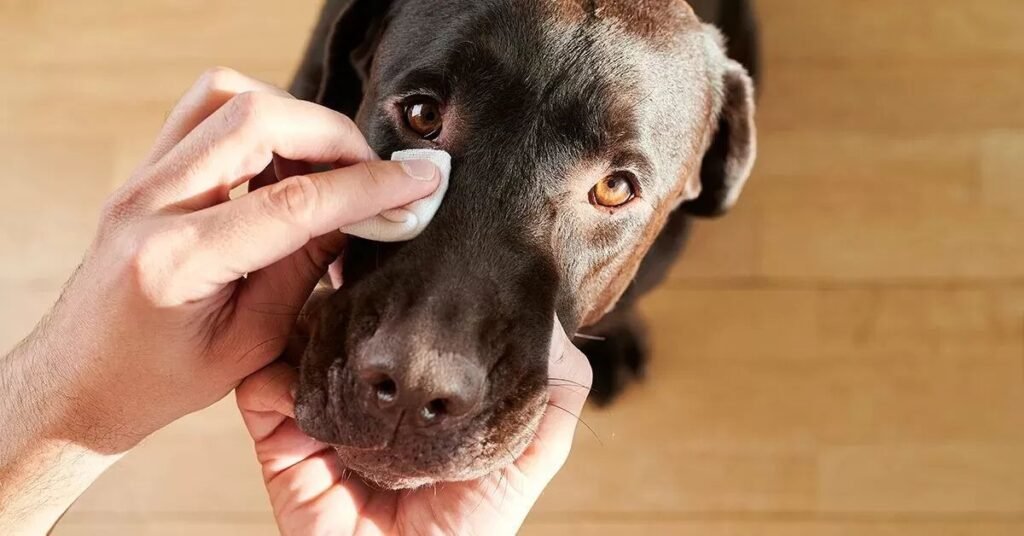
Eye discharge is a common symptom of dog flu and can be watery, thick, or gooey. Dogs may have red, irritated eyes and paw at them. It often occurs alongside coughing and sneezing.
- Watery, gooey, or thick discharge
- Eyes may appear red or irritated
Sneezing
Sneezing is a common sign of dog flu caused by inflammation in the nasal passages. It often appears in mild or early cases and may accompany nasal or eye discharge. Repeated sneezing can indicate infection and should be monitored.
- Caused by inflammation of the nasal passages
- More common in mild or early cases
Fever

Fever is a common symptom of dog flu, usually between 102.5°F and 104°F. Higher fevers may signal complications like pneumonia. Affected dogs may be lethargic, lose their appetite, and require close monitoring.
- Average fever: 102.5–104°F (slightly above the normal dog temp of 101–102.5°F)
- High fever (104–106°F) may indicate pneumonia or complications
Lethargy (Tiredness)
Lethargy is a common symptom of dog flu, making dogs unusually tired and less active. They may sleep more and show little interest in play or walks. This often occurs alongside fever, coughing, and loss of appetite.
- Dogs may sleep more
- Seem exhausted
- Have little interest in play or walks
Loss of Appetite
Loss of appetite is a common sign of dog flu, ranging from mild reduction in eating to complete refusal of food. It often occurs with lethargy, fever, and coughing. Reduced food intake can contribute to dehydration if not monitored
- Mild to moderate flu can reduce appetite for a few days
- Severe cases may cause complete refusal to eat
Difficulty Breathing
Difficulty breathing is a serious sign of dog flu, potentially indicating pneumonia or severe respiratory inflammation. Dogs may breathe rapidly, pant heavily, or show chest and abdominal effort. Immediate veterinary care is essential to prevent life-threatening complications.
A more serious symptom that may indicate:
- Pneumonia
- Severe inflammation
- Secondary bacterial infection
Dogs may:
- Breathe rapidly
- Pant excessively
- Show signs of chest or abdominal effort
This requires immediate veterinary attention.
Vomiting

Vomiting can occur in dogs with dog flu, though it’s less common than coughing or sneezing. It may result from fever, mucus swallowing, or general illness. Persistent vomiting can lead to dehydration and may require veterinary attention.
- Not as common as respiratory symptoms
- Can occur due to fever, mucus swallowing, or general illness
Dehydration
Dehydration can occur in dogs with dog flu due to fever, reduced appetite, and fluid loss from nasal discharge. Signs include dry gums, lethargy, and slow skin elasticity. Severe cases require prompt veterinary care to restore fluids and prevent complications.
Often caused by:
- Fever
- Reduced appetite
- Less water intake
- Fluid loss from nasal secretions
Symptoms of dehydration include:
- Dry gums
- Lethargy
- Skin that doesn’t snap back quickly
Can a Dog Have Dog Flu Without Showing Symptoms?

Yes — and this is one of the biggest challenges of controlling outbreaks.
Asymptomatic dogs:
- Show NO visible signs of illness
- Can still shed the virus
- Often start outbreaks in kennels and daycares
This is why isolation is crucial after exposure.
How Long Symptoms Last
Typical symptom duration:
- 7–14 days for mild cases
- 14–30 days for moderate to severe cases
- Cough may linger for 3+ weeks, even after recovery
Key Takeaways
- Dog flu causes a wide range of respiratory symptoms, from mild sniffles to pneumonia.
- The most common signs are coughing, nasal discharge, fever, and lethargy.
- Symptoms overlap with other diseases, making veterinary diagnosis essential.
- Some dogs show no symptoms but still spread the virus.
Other Conditions That Can Look Like Dog Flu
Dog flu symptoms often resemble those of many other canine respiratory and systemic illnesses. Because signs like coughing, sneezing, nasal discharge, and lethargy overlap across multiple conditions, it’s impossible to confirm dog flu based on symptoms alone. Proper diagnosis requires veterinary testing.
Below is the complete, search-engine–level coverage of all major conditions that mimic dog flu.
Is Dog Flu Contagious to Other Dogs?

Yes — dog flu is highly contagious to other dogs, and once a dog is infected, the virus can spread very quickly through any group of canines can dogs get the flu from humans. Canine influenza (H3N8 or H3N2) is considered one of the most contagious respiratory illnesses in dogs, comparable to human seasonal flu outbreaks in people.
Below is the complete, search-engine–level explanation of how contagious dog flu is, how it spreads, when dogs are most infectious, and which dogs are most at risk.
How Easily Does Dog Flu Spread?

Dog flu spreads extremely easily because the virus travels through tiny droplets in the air and can remain on surfaces for hours to days. Dogs can become infected through direct contact with sick dogs or by touching contaminated items like bowls, toys, or bedding can dogs get the flu from humans. Crowded environments such as kennels, day care centers, and dog parks increase the risk of rapid transmission.
Primary Mode of Transmission
- Respiratory droplets from:
- Coughing
- Sneezing
- Barking
- Direct nose-to-nose contact
- Coughing
Secondary Mode of Transmission
Virus left on:
- Food and water bowls
- Toys
- Blankets and beds
- Grooming tools
- Kennel cages
- Human hands and clothes
Any dog that touches a contaminated surface can become infected.
How Long Are Dogs Contagious?

This is one of the most important aspects of dog flu.
Dogs are contagious:
- 1–3 days before symptoms appear
- During the entire symptomatic period
- Even if they have NO symptoms (asymptomatic carriers)
Duration depends on the strain:
- H3N8: contagious for up to 10 days
- H3N2: contagious for up to 26 days, sometimes longer
H3N2 has the longest shedding period of any common canine virus.
This long contagious window makes outbreaks difficult to control.
Places Where Contagion Spreads Rapidly
Dog flu spreads fastest in places where many dogs gather or share the same air and surfaces:
- Boarding kennels
- Dog daycare centers
- Grooming salons
- Dog parks
- Training classes
- Animal shelters/rescues
- Veterinary waiting rooms
- Pet hotels
- Dog shows and competitions
In these environments, one infected dog can infect dozens within a few days.
How Many Dogs Get Sick Once Exposed?
Dog flu has a very high infection rate, with 80%–90% of exposed dogs becoming infected. Most show symptoms, while some remain asymptomatic. Even asymptomatic dogs can still spread the virus to others.
Infection rate:
80%–90% of exposed dogs become infected
(Compared to ~20–30% for kennel cough pathogens)
Of those infected:
- Nearly all show symptoms (mild or severe)
- Some remain asymptomatic but still contagious
Are Some Dogs More Likely to Spread or Catch Dog Flu?

Yes, puppies, senior dogs, and those with weak immune systems are more susceptible to dog flu. Dogs that frequently interact with others, like in daycare or boarding, are at higher risk of spreading it. Even healthy dogs can transmit the virus, so vaccination and hygiene are important.
High-risk populations
- Puppies
- Senior dogs
- Immune-compromised dogs
- Pregnant dogs
- Dogs with chronic respiratory disease
High exposure dogs
- Dogs that board frequently
- Dogs that go to daycare
- Dogs that socialize heavily
- Dogs in shelters
- Dogs that travel
Low-risk dogs
- Indoor-only pets with little contact with other dogs
- Dogs in regions without current outbreaks
- Dogs vaccinated against canine influenza (still can get infected, but risk is lower)
Can Dogs Without Symptoms Spread the Flu?

Yes, dogs can spread dog flu even without showing symptoms. Asymptomatic dogs may shed the virus for days or weeks, infecting others can dogs get the flu from humans. Early isolation, good hygiene, and careful monitoring are essential to control outbreaks.
Asymptomatic dogs can shed the virus for:
- Up to 10 days (H3N8)
- Up to 26 days (H3N2)
They appear completely normal but can infect all dogs around them.
How to Reduce Contagion in an Outbreak

Limit your dog’s contact with other dogs and avoid crowded places during an outbreak. Isolate sick dogs and disinfect surfaces, toys, bowls, and bedding. Monitor for early symptoms and seek veterinary care promptly to prevent further spread.
When dog flu is circulating in your area:
- Avoid dog parks
- Avoid daycare/boarding
- Keep dogs away from sick pets
- Do not share bowls or toys
- Disinfect surfaces frequently
- Wash hands after touching any dog
If a dog is sick:
- Keep them isolated for at least 14–30 days depending on the virus strain
- Do not expose them to other dogs under any circumstances
Key Takeaways
- Dog flu is highly contagious among dogs.
- Spread occurs through droplets, direct contact, and contaminated surfaces.
- Dogs can spread the virus before symptoms, after symptoms, and even without symptoms.
- H3N2 is more contagious and has a longer shedding period than H3N8.
- Outbreaks are common in shelters, kennels, and dog parks.
FAQs
1. Can dogs get the flu from humans?
No, dogs cannot catch the human flu or common cold. Human influenza viruses target human cells, which are different from canine cells. Dogs can develop respiratory illness from canine-specific viruses, not human flu.
2. Can dog flu spread to humans?
No, dog flu (canine influenza) is specific to dogs and cannot infect humans. Proper hygiene around dogs is still recommended to prevent other zoonotic infections.
3. Can dogs spread dog flu without symptoms?
Yes, asymptomatic dogs can shed the virus and infect others. H3N8 can be contagious up to 10 days, and H3N2 up to 26 days, even without visible signs.
4. Can weather or cold air cause dog flu?
No, dog flu is caused by H3N8 and H3N2 influenza viruses. Cold or dry air may irritate airways, but it does not cause the flu.
5. Can vaccines prevent dog flu?
Yes, vaccines (H3N8 and H3N2) reduce the risk and severity but do not provide 100% protection. Vaccinated dogs should still avoid exposure to sick dogs.
6. Can dogs get colds or other illnesses from humans?
Rarely, dogs may acquire certain bacteria (like MRSA), influenza (very rare H1N1 cases), or SARS-CoV-2 (COVID-19), but these are exceptional. Standard hygiene and veterinary care minimize risk.
7. Can humans get sick from dogs?
Humans cannot get dog flu, but zoonotic infections like ringworm, Salmonella, Campylobacter, and parasites (roundworms, hookworms) can spread from dogs. Regular hygiene and vet care reduce risk.
