
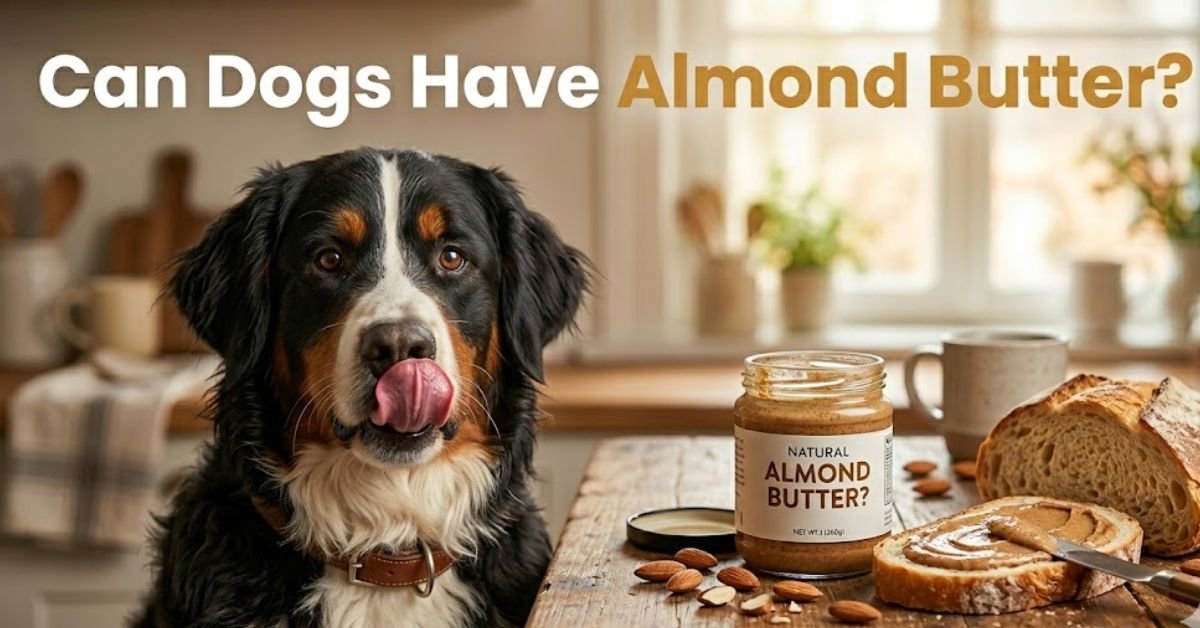
Can dogs have almond butter a devoted pet parent, you’re always looking for healthy ways to reward your furry friend. Since peanut butter has long been the “gold standard” for dog treats, many owners are now looking toward the health-food aisle at alternatives. With the rise of keto and paleo diets, almond butter has become a household staple.
But before you let your dog lick the spoon, you need to ask: Can dogs have almond butter safely? While the short answer is technically “yes” (it isn’t inherently toxic like macadamia nuts), the full answer is much more complex. This guide explores the nutritional profile, hidden dangers, and better alternatives to help you make an informed decision for your dog’s health.
Is Almond Butter Safe for Dogs? (The Expert Verdict)

Technically, almonds are not toxic to dogs. However, unlike humans, dogs do not possess the digestive enzymes required to break down the proteins and fats found in almonds efficiently.
While a small amount of plain, natural almond butter is unlikely to cause a medical emergency, it is considered a “low-quality” treat for canines. The high fat content and risk of additives mean it should never be a primary part of their diet.
Why Digestive System Matters
The canine gastrointestinal (GI) tract is shorter and more acidic than ours. While we thrive on the fiber and healthy fats in nuts, dogs often experience “dietary indiscretion” when consuming them. This can lead to gas, bloating, and uncomfortable bowel movements.
The Hidden Dangers: What’s Really in the Jar?
When searching for “Can dogs have almond butter,” most owners are looking for toxicity. The real danger, however, often lies in the ingredients list rather than the almonds themselves.
1. The Xylitol Threat (Birch Sugar)
Xylitol is an artificial sweetener found in “lower sugar” or “natural” nut butters. Even a tiny amount can cause a life-threatening drop in blood sugar (hypoglycemia) and liver failure in dogs.
- Pro Tip: Always look for “Xylitol-free” on the label. If you see “Birch Sugar” or “Wood Sugar,” put it back on the shelf.
2. Palm Oil and Saturated Fats
In your research, the query “almond butter with palm oil” appeared frequently. While palm oil isn’t toxic, it is a high-calorie fat that can cause diarrhea. Consistent consumption leads to weight gain and obesity, which puts strain on a dog’s joints and heart.
3. Added Salt and Sugar
Commercial almond butters are often loaded with salt to enhance flavor for humans. Excessive salt can lead to sodium ion poisoning in dogs, characterized by extreme thirst and lethargy. Added sugars contribute to dental decay and diabetes.
4. Aflatoxins
Almonds can occasionally be contaminated with Aspergillus mold, which produces aflatoxins. While human food standards are strict, dogs are significantly more sensitive to these toxins, which can cause liver damage over time.
Nutritional Breakdown: Almonds vs. Peanuts
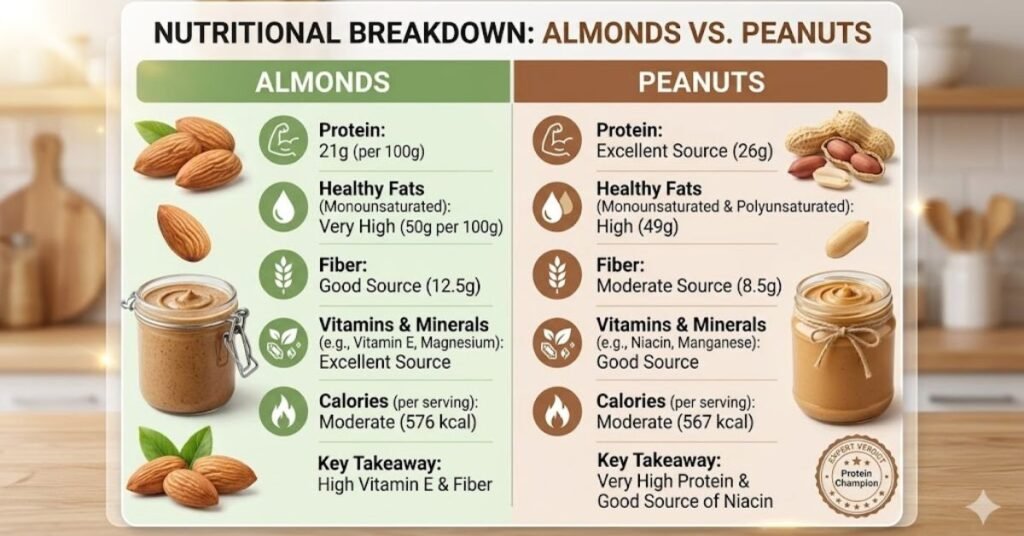
If you are choosing between nut butters, it helps to see the data.
| Nutrient (per tbsp) | Almond Butter | Peanut Butter (Natural) |
| Total Fat | 9g | 8g |
| Protein | 3.4g | 4g |
| Vitamin E | 3.8mg | 1mg |
| Magnesium | 45mg | 27mg |
| Digestibility | Low | High |
Analysis: While almond butter has more Vitamin E, the digestibility factor makes peanut butter the superior choice for canine biology.
Why Can Dogs Have Almond Butter but Not Whole Almonds?
This is a major point of confusion for many owners. The distinction lies in physical form:
- Choking Hazards: Whole almonds are the perfect size and shape to get stuck in a dog’s esophagus or windpipe.
- Intestinal Blockage: In small breeds, a whole almond can create a “plug” in the intestines (obstruction), often requiring expensive surgery to remove.
- The Butter Benefit: Processing the nuts into butter removes the choking hazard and the risk of a physical blockage, though the digestive strain remains.
Health Risks: Pancreatitis Warning
The most significant long-term risk of feeding almond butter is Pancreatitis. This is an inflammation of the pancreas often triggered by high-fat meals.
- Symptoms: Repeated vomiting, “hunched” back (due to abdominal pain), fever, and loss of appetite.
- Risk Groups: Schnauzers, Poodles, and Cocker Spaniels are genetically more prone to this condition and should avoid almond butter entirely.
How to Introduce Almond Butter Safely
If you are determined to give your dog almond butter—perhaps to hide a pill or as a special birthday treat—follow these steps:
- The “Single Ingredient” Rule: The only ingredient should be “Almonds.” No salt, no oil, no sweeteners.
- Start Microscopic: Give a portion the size of a fingernail. Wait 24 hours to see if your dog has an upset stomach.
- Frequency: It should be a “once a month” treat, not a daily supplement.
- Avoid “Crunchy”: Stick to creamy versions to ensure there are no large nut fragments.
Better Nut Butter Alternatives for Dogs
If you want the “stickiness” of nut butter without the risks of almond butter, consider these:
- Cashew Butter: Lower in fiber than almonds, making it slightly easier to digest, though still high in fat.
- Sunflower Seed Butter (SunButter): A great alternative for dogs (and humans) with nut sensitivities. Ensure it is unsweetened.
- Organic Peanut Butter: Look for brands where the only ingredients are peanuts and maybe a tiny bit of salt.
FAQS:
1. Is almond butter toxic to dogs?
Ans:No, almond butter is not naturally toxic to dogs, unlike macadamia nuts or walnuts. However, it can be dangerous if it contains additives like Xylitol (a sweetener) or chocolate. While not poisonous, the high-fat content in almond butter can lead to digestive upset or pancreatitis if fed in large amounts.
2. Can dogs have almond butter with palm oil?
Ans:While palm oil is not toxic to dogs, it is not recommended. Palm oil acts as a laxative and can cause greasy stools or diarrhea. Additionally, it is very high in saturated fats, which contributes to unhealthy weight gain and increases the risk of heart-related issues in older dogs.
3. Why can dogs have almond butter but not whole almonds?
Ans:The main reason is the choking hazard and obstruction risk. Whole almonds are hard, pointed, and difficult for dogs to chew properly. They can easily get stuck in a dog’s throat or cause a life-threatening blockage in the intestines. Almond butter removes the physical danger, though the digestive difficulty remains the same.
4. What should I do if my dog eats almond butter with Xylitol?
Ans:This is a medical emergency. If the label lists Xylitol (or Birch Sugar), contact your veterinarian or an animal poison control center immediately. Even a small amount can cause a rapid drop in blood sugar, seizures, liver failure, and can be fatal if not treated within the first few hours.
5. How much almond butter can I give my dog?
Ans:Almond butter should only be given as a rare treat, not a meal replacement. For a medium-to-large dog, no more than one teaspoon is recommended. For smaller breeds, keep it to a tiny lick (less than half a teaspoon). Always monitor your dog for signs of vomiting or diarrhea for 24 hours after feeding.
Conclusion:
Can dogs have almond butter? Yes, but it shouldn’t be your first choice. While it’s a great source of Vitamin E for humans, your dog’s stomach isn’t built for it. If you want to keep your pup’s tail wagging and their stomach settled, stick to Xylitol-free peanut butter or healthier snacks like carrots and green beans.
Always consult your veterinarian before introducing a new “human food” can dog eat apple into your dog’s routine, especially if they have a history of sensitive skin or stomach issues.
